Thu, 22 Oct 2026 20:39:41 +0000 InsideEVs InsideEVs | Electric Vehicle News, Reviews, and Reports https://insideevs.com/ https://insideevs.com/features/812982/gm-software-platform-powertrain-agnostic/ Thu, 22 Oct 2026 20:35:10 +0000 ‘Propulsion-Agnostic’: GM Wants To Bring Tesla-Style Software Features To Its Gas SUVs, Too Its next-generation EVs will offer security camera functionality and autonomous driving. But its gas SUVs won’t get left behind.
Modern software-defined EVs offer a lot of advantages. They are simpler to build, faster to design, and easier to update with helpful software features. They enable things like Sentry Mode in Teslas and Pet Mode in Rivians. They get meaningful over-the-air updates and offer cutting-edge driver assistance features. These benefits, popularized in common consciousness by all-electric brands in the U.S. and China, are increasingly coming to a new audience: gas vehicle buyers.
General Motors marks the latest example. It announced on Wednesday that its next-generation electrical and compute architecture is moving to the most important functions to a single, centralized “Central Compute Unit.” It manages autonomous driving, in-car AI functions, and powertrain management. The key thing is that this new platform will support both gas and electric powertrains.

Rivian's Pet Mode lets you leave the climate system running with your pet inside while you run errands. It's an example of a software feature that integrates a few important systems in the car.
Photo by: Rivian
The idea of a centralized computer architecture may sound jargony, but here is a simple version. Traditional vehicles are built with dozens of separate Electronic Control Units (ECUs), which are computers. They each perform specific tasks—operating the antilock braking system, or controlling your seat motor—and they do not talk to one another in modern digital languages. They are not even built by the same company, usually, and so most communication must happen on antiquated, low-throughput wiring looms that crisscross almost every gasoline car and many legacy EVs. This is part of why most software functions on traditional cars are slow and clunky.
Why Everyone Is Struggling To Create 'Software Defined Vehicles'
'Ten Times Bigger To Me:' Why Ford's CEO Thinks Software Is A Bigger Challenge Than EVs or China
Moving all of that computing into a centralized unit massively reduces complexity. Tesla maximized this approach when it designed the Model 3. The result had over 70 fewer pounds of wiring in it than a typical car. Instead of dozens of computers, it had two. Despite that, it would eventually offer way more software features than any competitor: Dog Mode for keeping your pup cool, Camp mode for sleeping with the heat running, Sentry Mode for continuous security camera footage, and the world’s most sophisticated consumer driver assistance system (even if it is not self-driving).

GM's existing EVs are significantly heavier, more complicated to manufacture, and less integrated than vehicles from automakers like Tesla, Rivian, BYD, and Lucid. But the company is quickly moving towards a more streamlined software platform that supports gas and electric products.
Photo by: Mack Hogan/InsideEVs
GM doesn’t want to just copy that playbook for EVs. Like a growing cadre of automakers, it wants to bring the approach to the whole lineup. The company says its centralized computing system will debut on the 2028 Cadillac Escalade IQ, but will quickly spread to its gas-powered full-size SUVs, its three-row crossovers, and its fourth-generation EVs.
“This propulsion-agnostic architecture delivers 40x more computing power with 30% less
wiring length and mass, plus up to 50% faster cellular connectivity than our previous
systems, for smoother streaming, quicker downloads and more responsive connected
Services,” GM says.
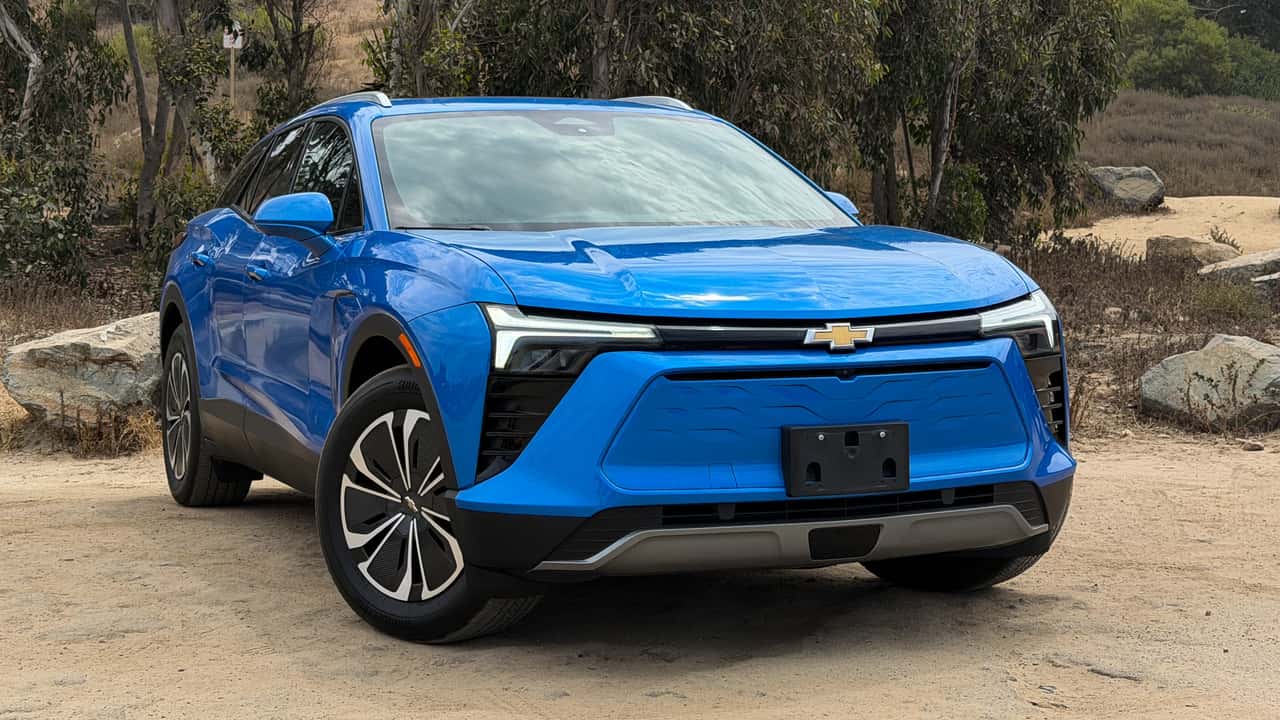 Photo by: Mack Hogan/InsideEVs
This should cure the core problem with my GM EV, which rides on a blended, not-quite-centralized architecture. Its app is far less responsive than Tesla or Rivian’s, and its standard advanced driver assistance systems are middling. But as GM moves feature development onto its centralized platform, it should be able to add new functionality and updates on a much more regular cadence.
Moving the gas and electric products onto the same platform also solves the core challenge legacy automakers are facing: Volume. Trying to match cutting-edge software from Tesla and Chinese brands is expensive. The more vehicles you can spread that development cost over, the better off you are likely to be.
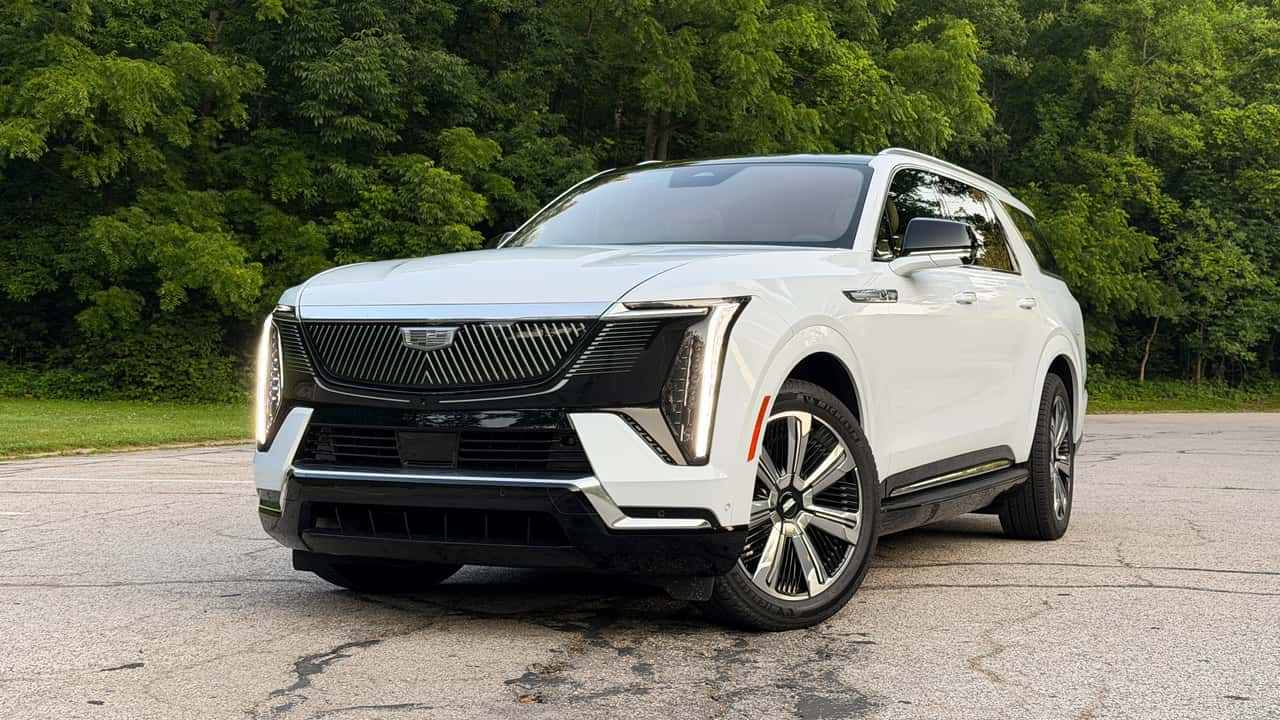
The Cadillac Escalade IQ will get GM's new software architecture in 2028, along with a true eyes-off autonomous highway assistant, the company says.
Photo by: Mack Hogan/InsideEVs
GM certainly has the volume to justify it. And with plenty of tech talent recruited from Silicon Valley over the past decade, and hundreds of thousands of EVs on the road, the company is well-positioned to make and market excellent next-generation software-defined EVs.
That doesn’t mean it will be easy. Competitors are all racing to beat GM to the punch, with companies like BMW already fielding combined gas and electric SDV platforms. Ford, too, will launch a true SDV platform before GM, albeit on a purely electric platform. And the vast majority of Chinese EVs are already riding on true SDV architectures, which are often shared with plug-in-hybrid and other gas-burning models.
The General, then, is not necessarily breaking new ground. But it’s offering yet more proof that software-defined vehicles are the future, whether they have gas engines or not.
GM Is Adding Its Own Version Of Tesla's Sentry Mode To Cars
GM's Next-Generation EV Platform Has 30% Less Wiring And 20% Less Battery
GM's OnStar AI Assistant Debuts In The 2027 Cadillac Lyriq
GM Is Closing Its Detroit EV Battery Plant
]]> contact@insideevs.com (Mack Hogan) https://insideevs.com/features/812982/gm-software-platform-powertrain-agnostic/ https://insideevs.com/features/812051/your-parked-ev-loses-range/ Tue, 20 Oct 2026 16:44:40 +0000 How Much Range Do EVs Lose When Parked? (And How to Stop It) Your electric car can use energy without moving an inch. Here’s where those miles actually go and how much "vampire drain" is normal.
In normal conditions, modern EVs can lose 1% of their state of charge per day while parked, but it's often far less than that.
The main causes of "vampire drain" include security systems (like Tesla Sentry Mode), topping up the 12-volt battery, and thermal management that keeps the battery's temperature in a safe range.
Cold temperatures can also make your displayed range drop overnight without actual battery drain.
For times when you expect your EV to sit parked for an extended period, it's best to turn off unnecessary features (like Sentry Mode) and keep your car plugged in if possible.
You park your electric car with what looks like enough range for tomorrow’s errands. It stays still until the next morning. But when you get in, the display shows that you have fewer miles left than before. It didn’t move overnight, so where did the range go? And how much can you expect to reasonably lose?
Why Does an EV Lose Range Overnight?
There are two main explanations for EV range loss when parked: The car used electricity while parked, or its estimate of how far you can drive changed. Typically, both happen together. And the basics of how this happens can help you better predict and manage range loss, for example while your EV is parked for longer periods.
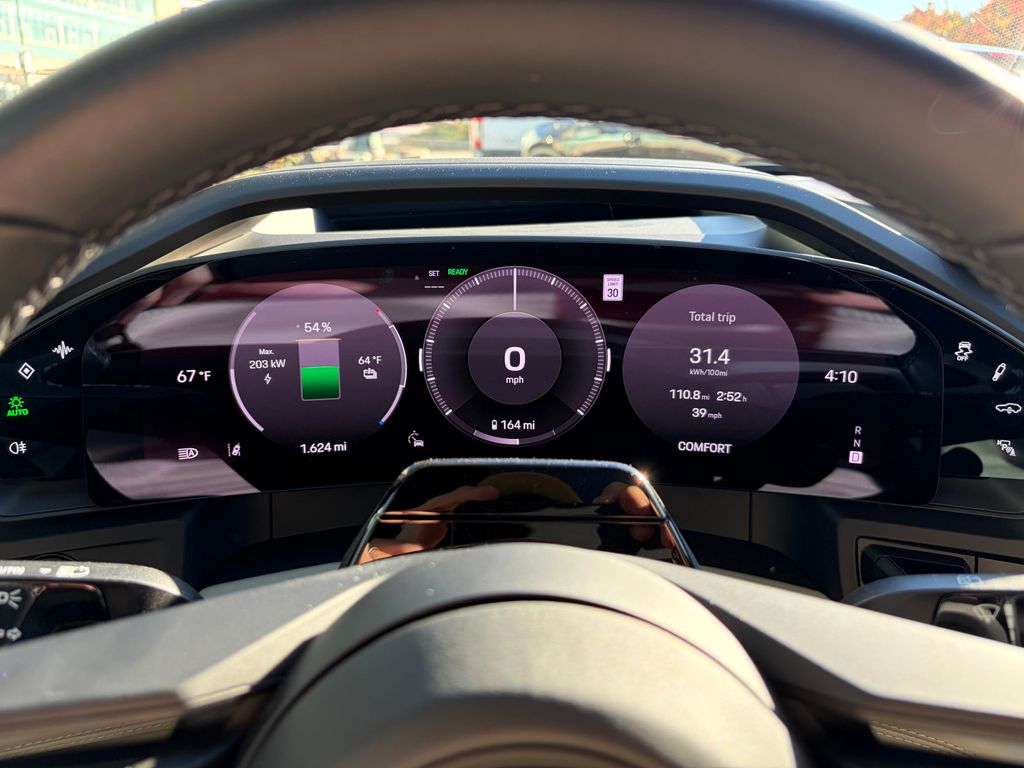 The Porsche Cayenne EV's display shows its remaining range while parked. Photo by: InsideEVs
How Electric Cars Calculate Remaining Range (It’s Just an Estimate)
First, lets look at how EVs predict range. It’s an estimate, not an exact measurement of how many miles the remaining charge can deliver. The latter would be impossible, since lots of factors can impact range, like how heavy your right foot is or if you decide to climb a steep incline.
Weather and Driving Behavior Impact Predictive Range
Some cars take more than just the battery's state of charge into account when estimating range. Ford’s Intelligent Range prediction, for example, considers past driving behavior and the weather forecast. If conditions change overnight, the same charge can cover a different distance, even if the car hasn't moved an inch. If you get into your car on a frigid morning, the range indicator may show fewer miles since the car expects extra energy usage from running the heat.
(In the cold, some stored energy can also become temporarily unavailable. Tesla indicates this with a blue snowflake and a blue portion of the battery meter.)
Tesla’s main mileage display instead uses rated efficiency, with more personalized predictions available through its Energy app. The point is that different cars do the math differently.
What Causes "Vampire Drain" or "Phantom Drain" in Parked EVs?
Switching off an EV doesn’t shut down every system, and EVs do use some of their stored electricity while parked. This is sometimes referred to as “vampire drain” or “phantom drain,” but there’s nothing supernatural about it. Tesla’s Model 3 manual, for example, says the car periodically draws energy for system checks and to recharge its 12-volt battery.
Systems and Features That Consume Energy While Idle
Camera surveillance, cabin climate control, and powered accessories can also keep running after you lock the car and walk away. Tesla explicitly warns that Sentry Mode, which uses the car's exterior cameras to constantly monitor and record its surroundings, increases electricity consumption.
Even checking on the car can drain the battery. Tesla’s Model Y guide warns that checking vehicle status through its app wakes the car and starts normal energy consumption. App behavior varies by vehicle and software, but repeatedly waking up a parked EV can make it use more juice.
How Temperature and Battery Self-Discharge Play a Role
Temperature extremes are another contributor to standby battery drain, since most EVs use their battery management system (BMS) to keep the cells within a safe temperature range. Vehicles with active battery cooling (virtually all new EVs) may run pumps, fans, or a compressor to manage pack temperature in hot weather. In cold temperatures, too, a car's thermal management system may kick in to keep the battery from getting too cold.
Cells also gradually lose charge through internal chemical processes, known as self-discharge, though it's very low in lithium-ion batteries.
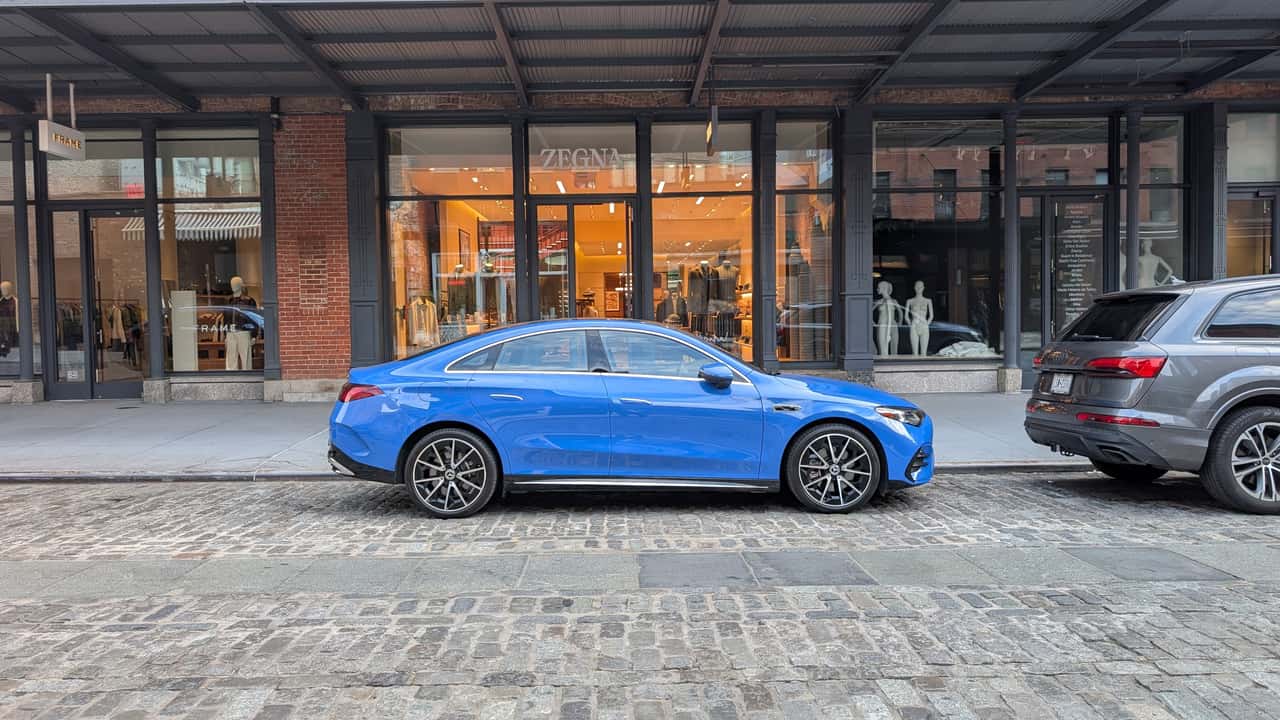 Photo by: Suvrat Kothari
How Much Range Do EVs Actually Lose When Parked?
So, how long can an EV sit parked without dying? There’s no universal daily drop to expect, since it varies by vehicle, battery chemistry, and how the thermal management system works. Tesla says that a Model 3 can lose about 1% of its state of charge per day, but says weather conditions and vehicle settings can change that.
Real-World Airport and Cold-Weather Range Loss Examples
But anecdotal evidence points to a much more modest daily drain. Former InsideEVs Editor-in-Chief Patrick George left his Kia EV6 unplugged in a cold garage for nearly a month, and its indicated state of charge only dropped from 80% to 78%.
One Redditor said they left their 2021 Model 3 at the airport for four days in average temps of 35 degrees and that the car's state of charge only dropped by 1%. (They didn't have Sentry Mode on.) Similarly, one Nissan Ariya owner said their EV lost only 1% state of charge after being parked at the airport for 3 weeks.
On the other end of the spectrum, older EVs with less sophisticated thermal management systems may fare more poorly. Some Chevy Bolt owners, for example, have reported energy loss of several percentage points per day in extremely cold temperatures.
Tips to Minimize Battery Drain When Leaving Your EV Parked
If you're leaving an EV parked at the airport or leaving your car sitting for an extended period, there are some steps you can take to manage battery drain and avoid a bad day. Make sure it has enough charge so it doesn’t drain the battery entirely, using Tesla's 1% per day rule as a general guideline. You can also switch off battery-draining features like Sentry Mode, and avoid waking the car up from your phone app.
Of course, there's one surefire way to preserve your EV's battery when it sits idle for a long time: keep it plugged in. That's what Tesla suggests.
"The most important way to preserve the high voltage Battery is to LEAVE YOUR VEHICLE PLUGGED IN when you are not using it. This is particularly important if you are not planning to drive Model 3 for several weeks," Tesla says in the Model 3's manual.
What Is One-Pedal Driving In An EV And Why Does It Matter?
You Can Live With Less DC Fast Charging. Here's How
What Is Lithium And Why Is It Vital For Electric Cars?
How To Maximize An Electric Car's Highway Range
]]> contact@insideevs.com (Andrei Nedelea) https://insideevs.com/features/812051/your-parked-ev-loses-range/ https://insideevs.com/features/812308/chinese-paris-auto-show-recap/ Sat, 17 Oct 2026 15:16:24 +0000 Chinese And European Car Companies Both Brought Their A-Game To The Paris Auto Show The number of EV models has exploded, many of them affordable. That’s a good thing, no matter who is making the cars.
About four years ago, I found myself in France for the Paris Auto Show. Like most auto shows here in the United States, the tone was that the “auto show was dead,” and there was no point in going, covering, or even being seen there. Even the brand that I flew there to see, Mercedes-Benz, had its EQE SUV reveal at the famous Musée Rodin, and had no official presence at the show despite the reveal taking place the same week as the Paris Auto Show. And, well, why should anyone? The show was missing so many other European brands; it seemed to be just as dead as any other auto show around the world.
However, while European brands skipped, and the ones that did just didn’t show off much aside from mild refreshes or existing gas-powered models, Chinese brands showed up. These automakers came with models that Europeans would be interested in, not just large crossover SUVs that most can’t afford. That year, BYD and Great Wall Motors (via Ora and WEY) showed up with new EV and PHEV models, small hatchbacks and crossovers that were relatively affordable and drove further on a charge compared to the handful of similarly priced EV or PHEV options on the market at the time. This was the first time Chinese manufacturers like BYD had shown up to the Paris Auto Show, and for many, these brands were mostly unknown. Yet, French people were very much interested, to the chagrin of longstanding European automakers.
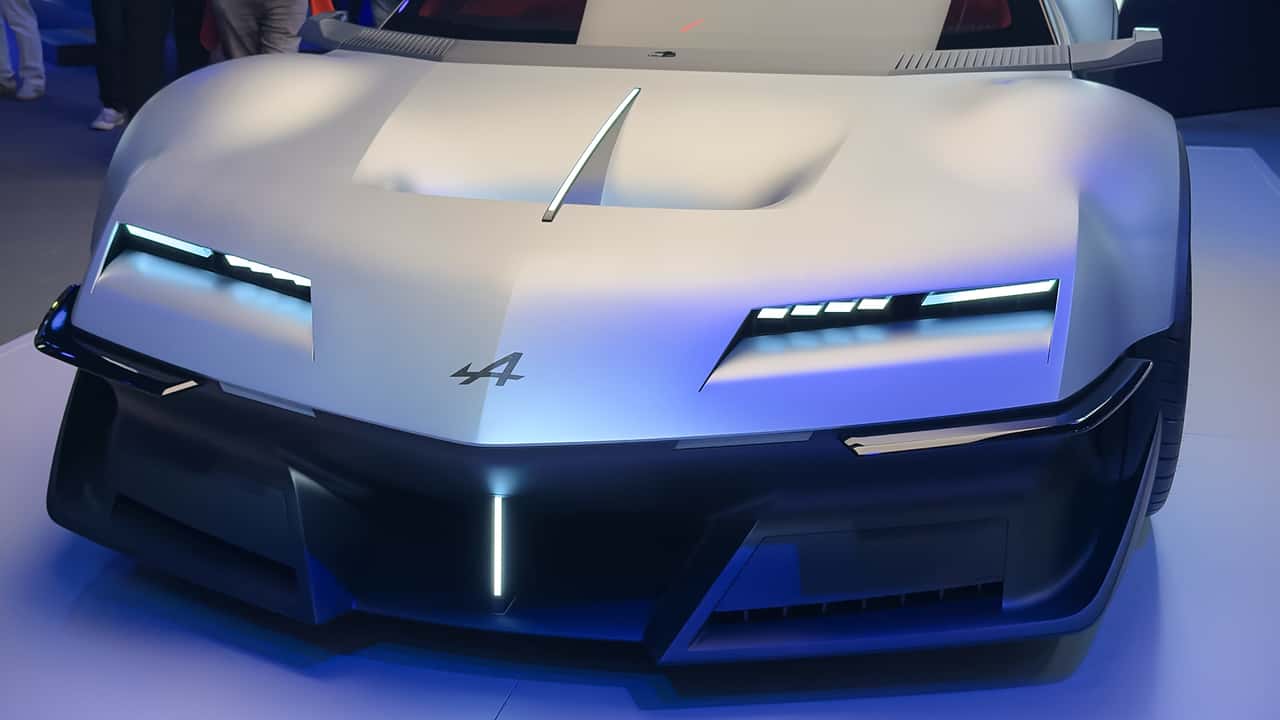
Alpine A310 Vision (2026) at the Paris Motor Show
Photo by: Motor1.com Deutschland | C. Otto
And such the story goes, since then, Chinese automakers and their EV offerings have made huge inroads into the European market. These cars captured a segment of buyers that existing manufacturers failed to reach: the value-conscious buyer in search of an electrified vehicle.
Now that it is 2026, I feel like the story has changed completely. While here in the United States, our auto shows and EV market are still floundering, Europe isn’t going down without a fight. From someone who was there on the ground in 2022, this year feels like the whole world has got its rear in gear, and everyone’s finally giving Chinese brands some real competition.
The show was a full-on assault of new models and concepts. Renault stunned us with its production models from Dacia, and concepts from Alpine and Renault. The Renault E-Space concept pointed to a future electric MPV, calling back to the original Renault Espace design from the 1980s. No matter what the brands showed off, all of the concepts were electrified. Renault Group Chief Growth Officer Fabrice Cambolive calls this idea “Voitures à vivre”, or “cars for living,” vehicles built to make electrification work for your life. The company is publicly exploring how electrification can answer new questions about how and where its brands go next.
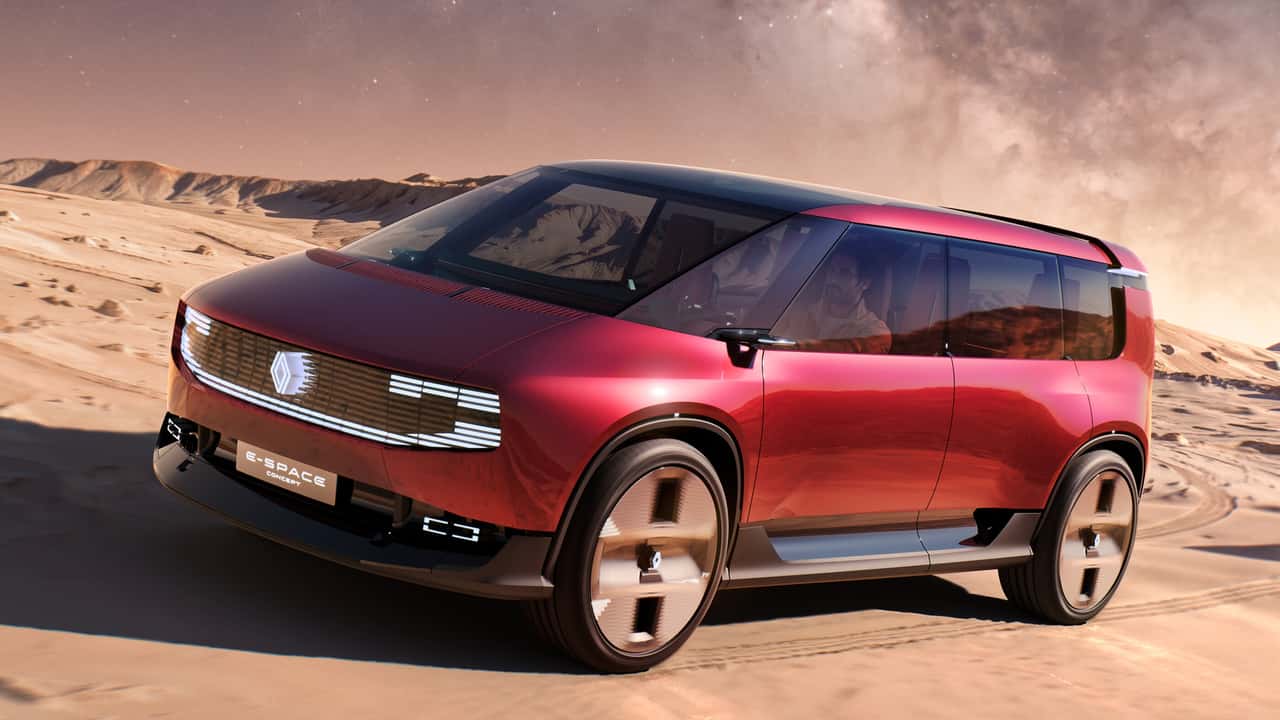
Renault E-Space Concept
Photo by: Renault
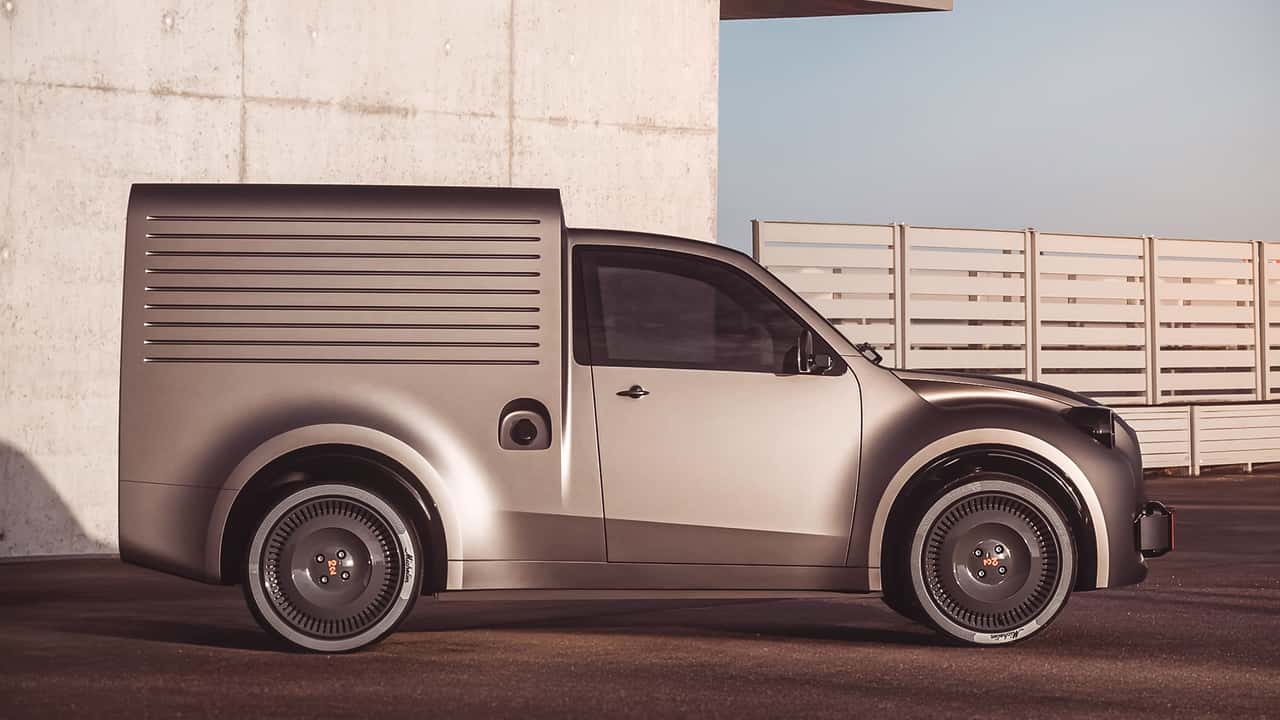
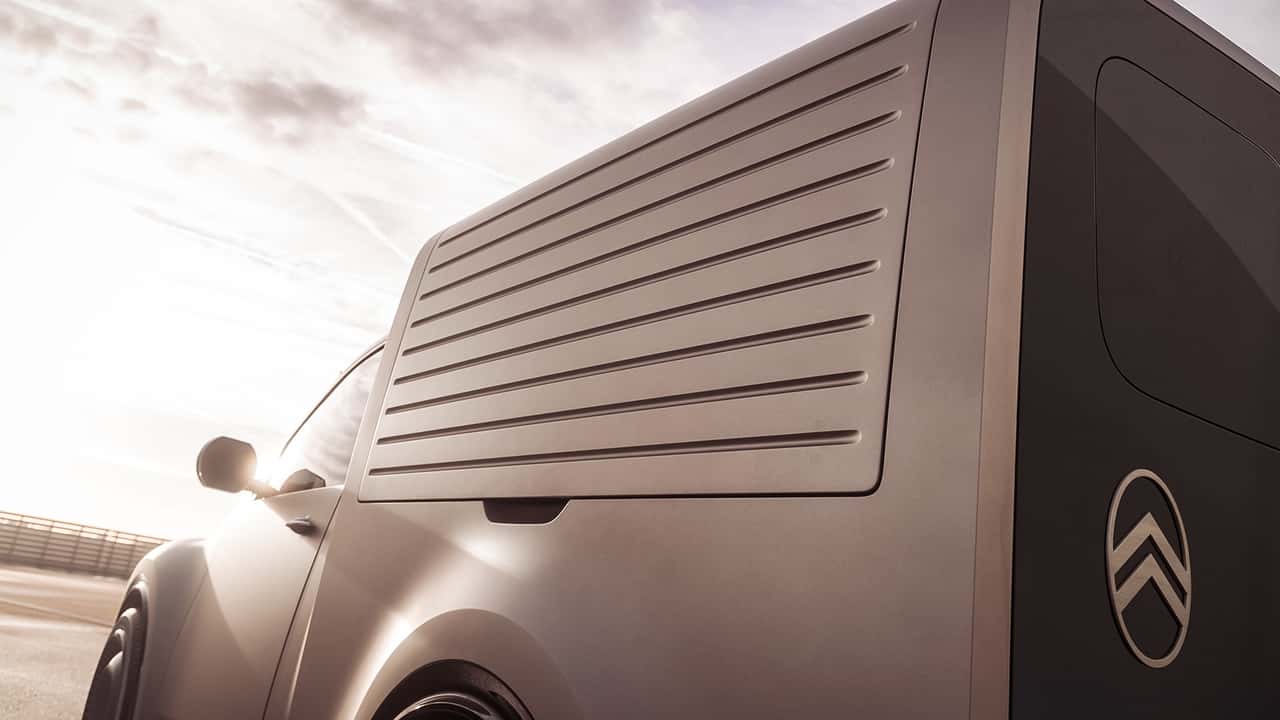
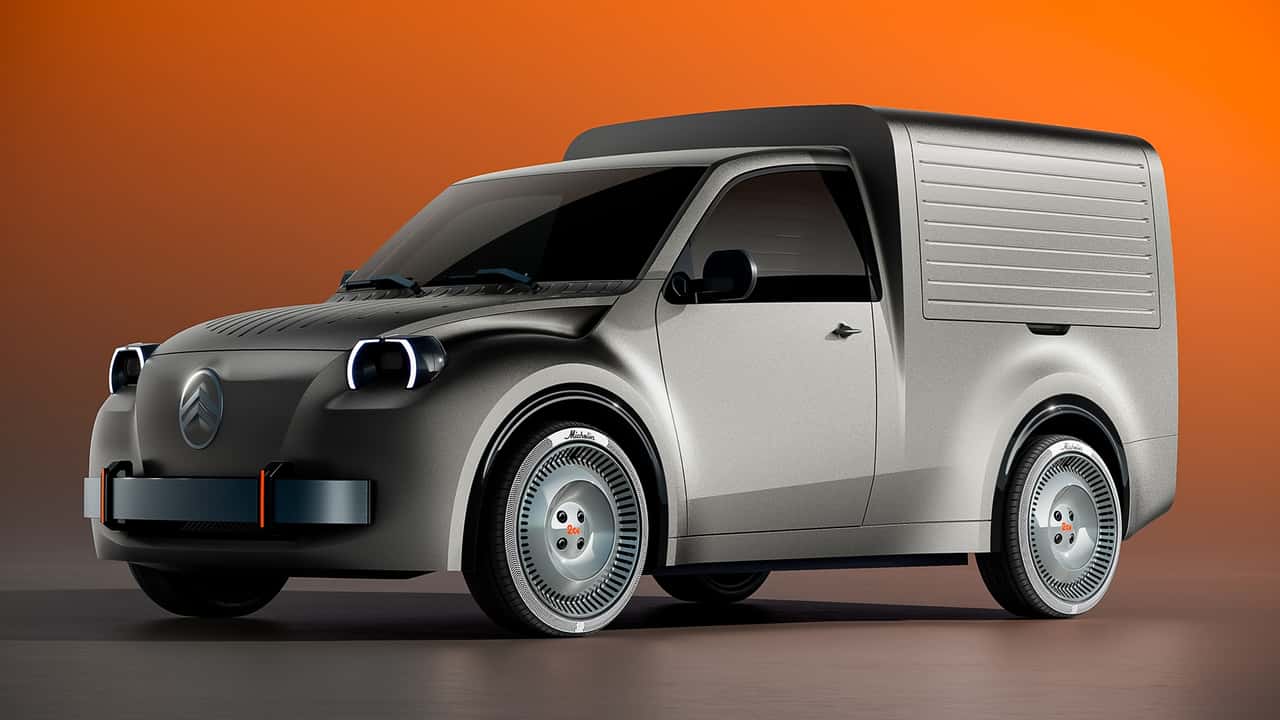
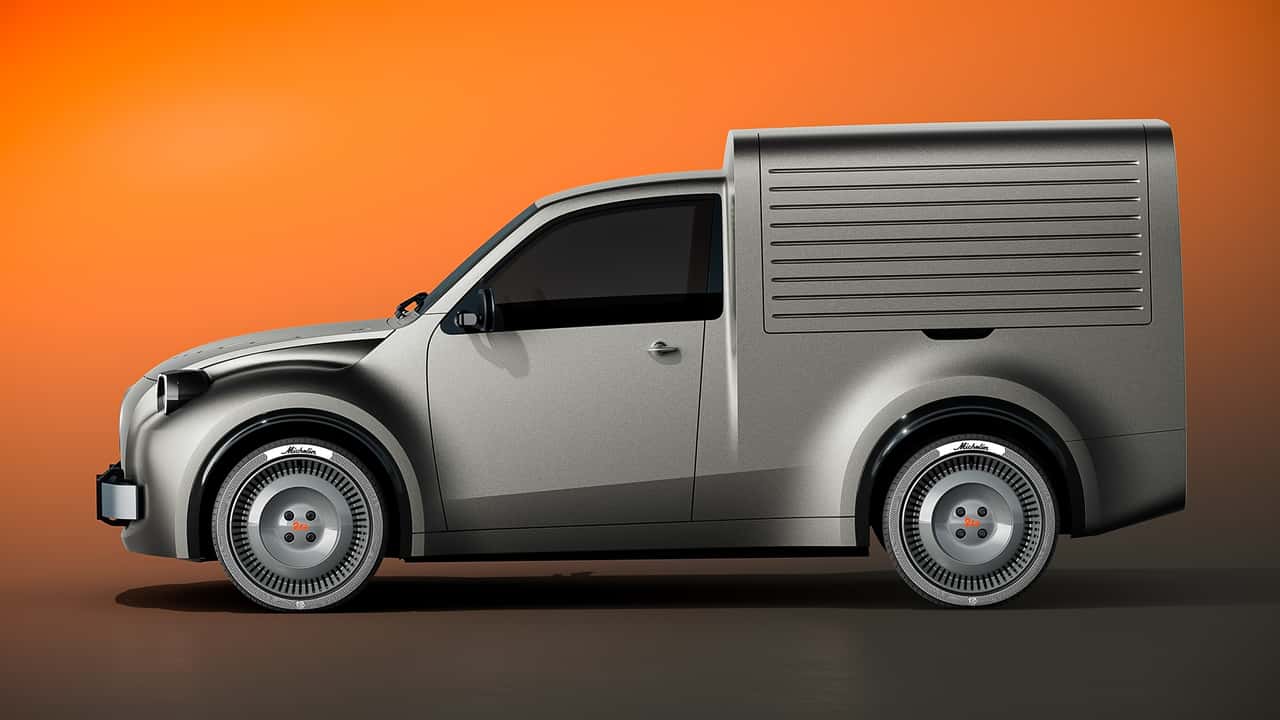
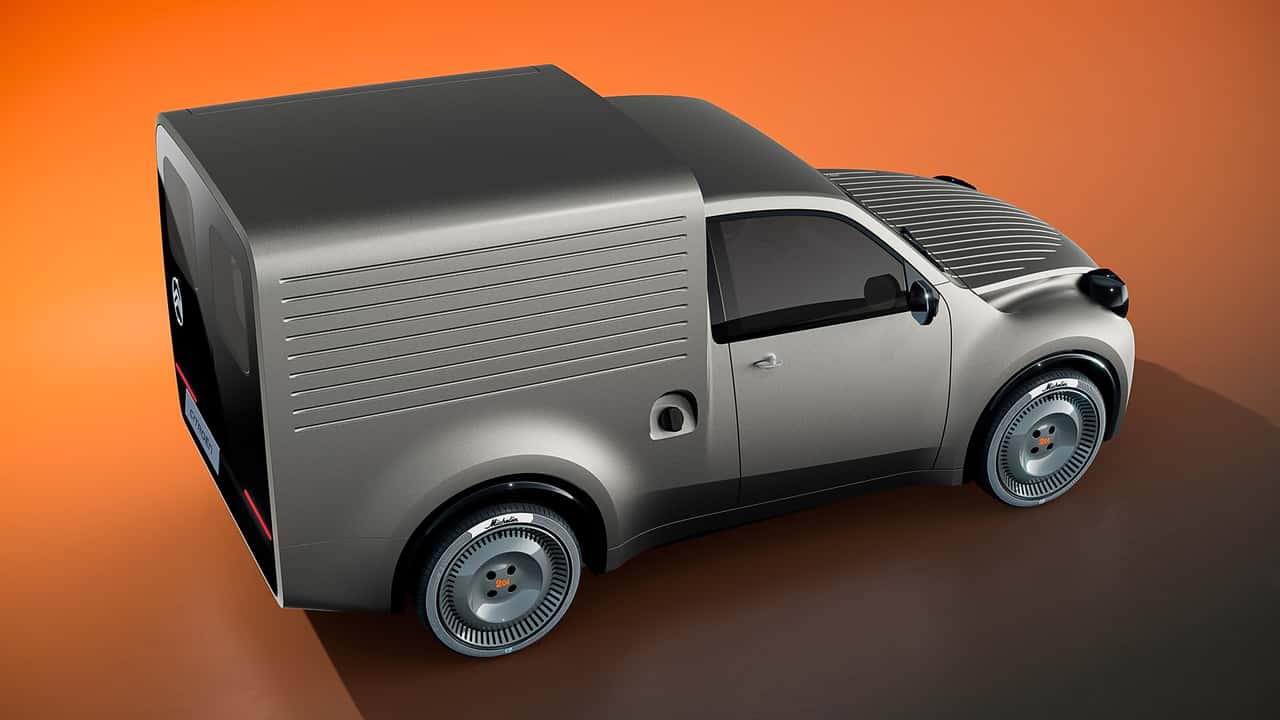
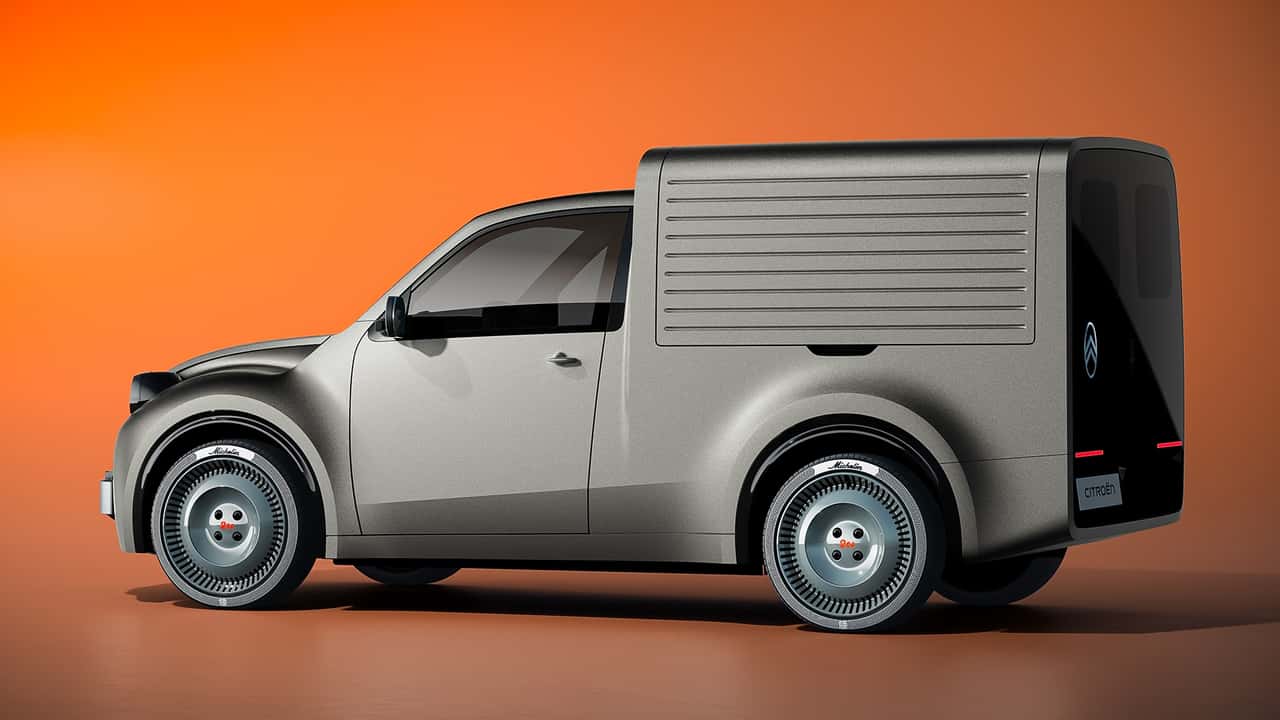
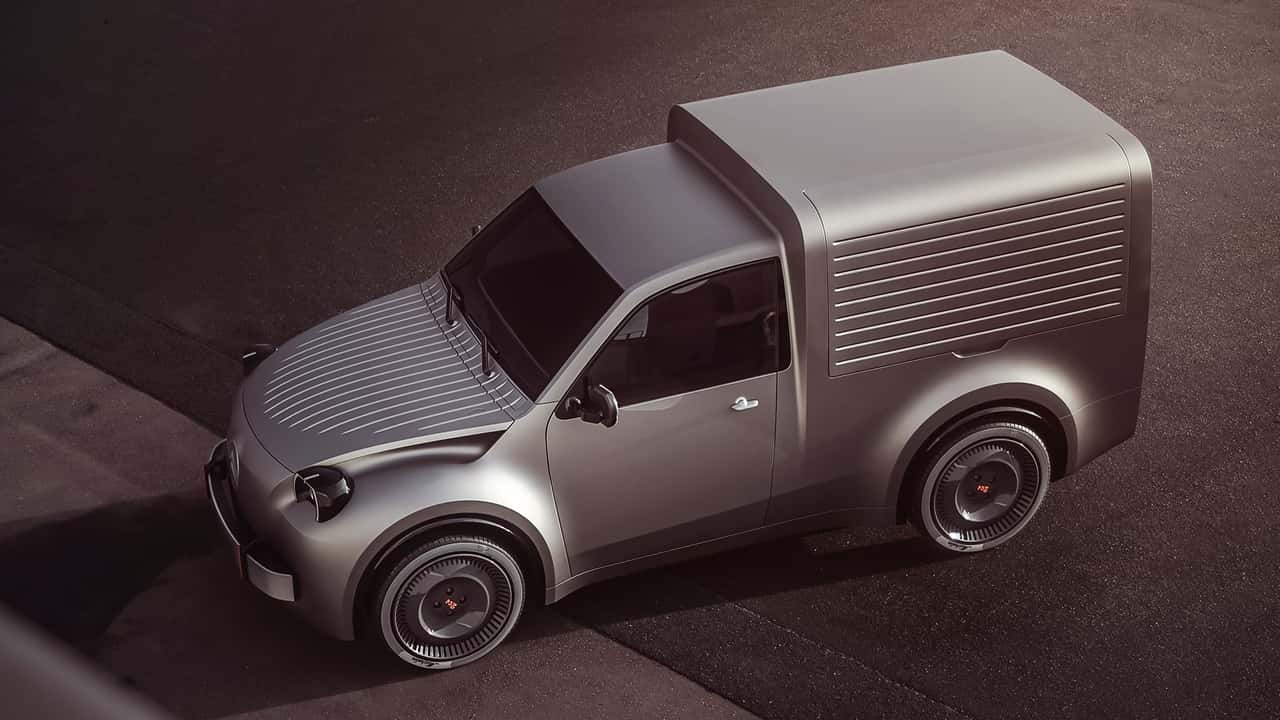
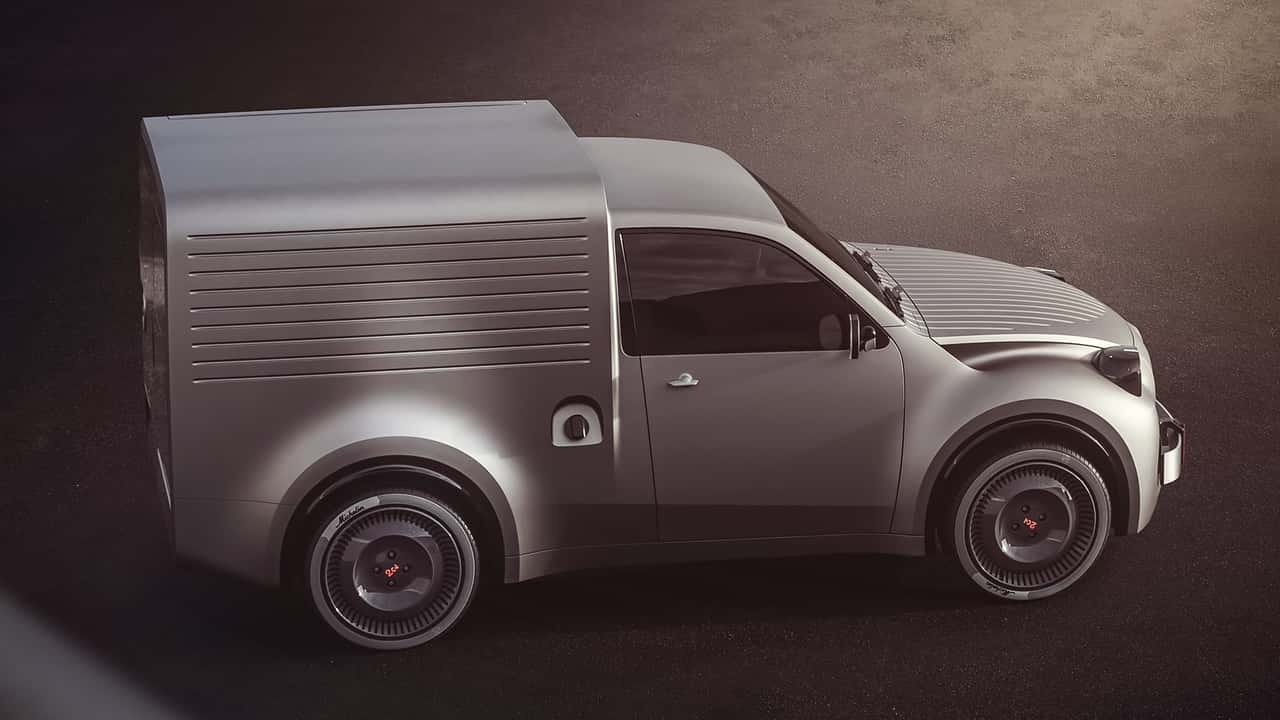
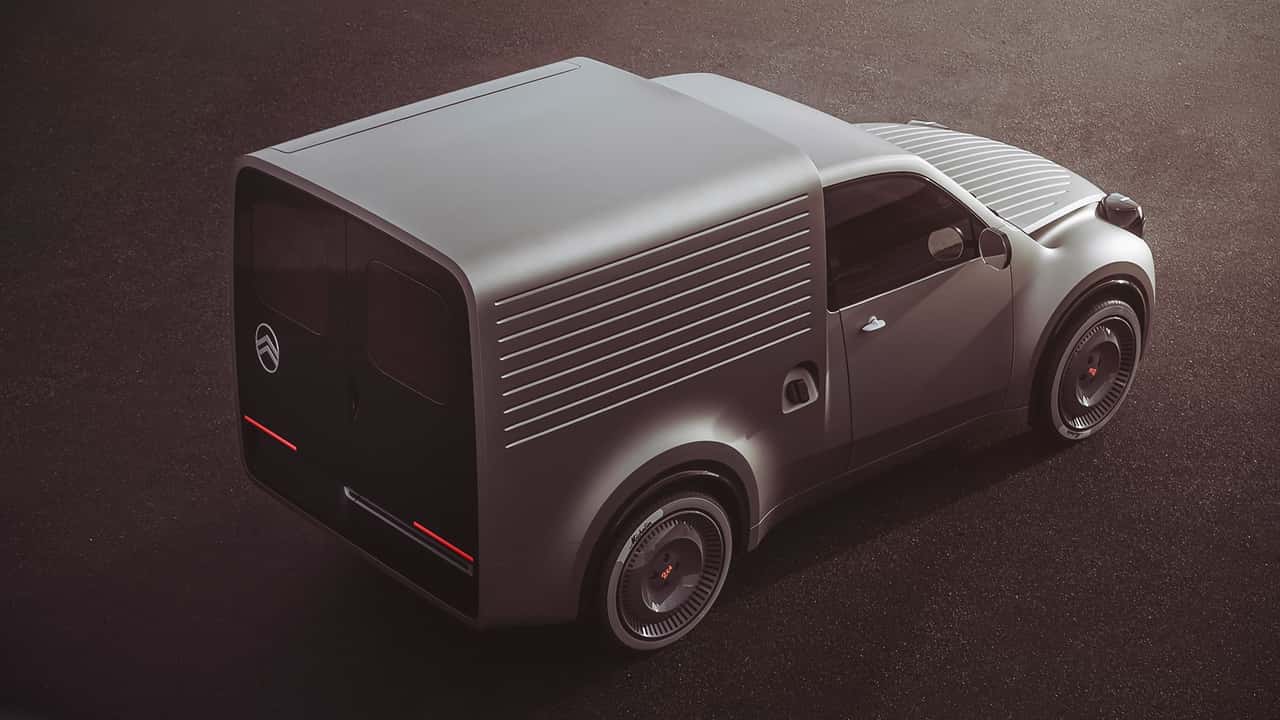
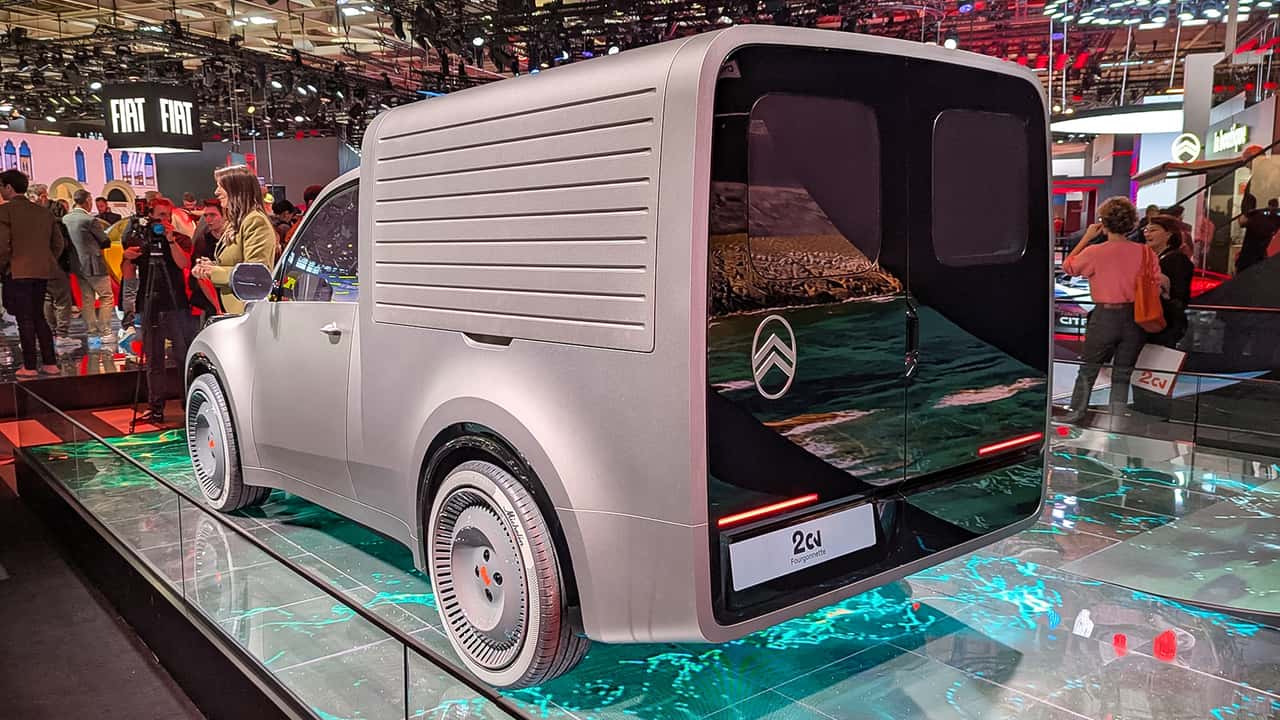
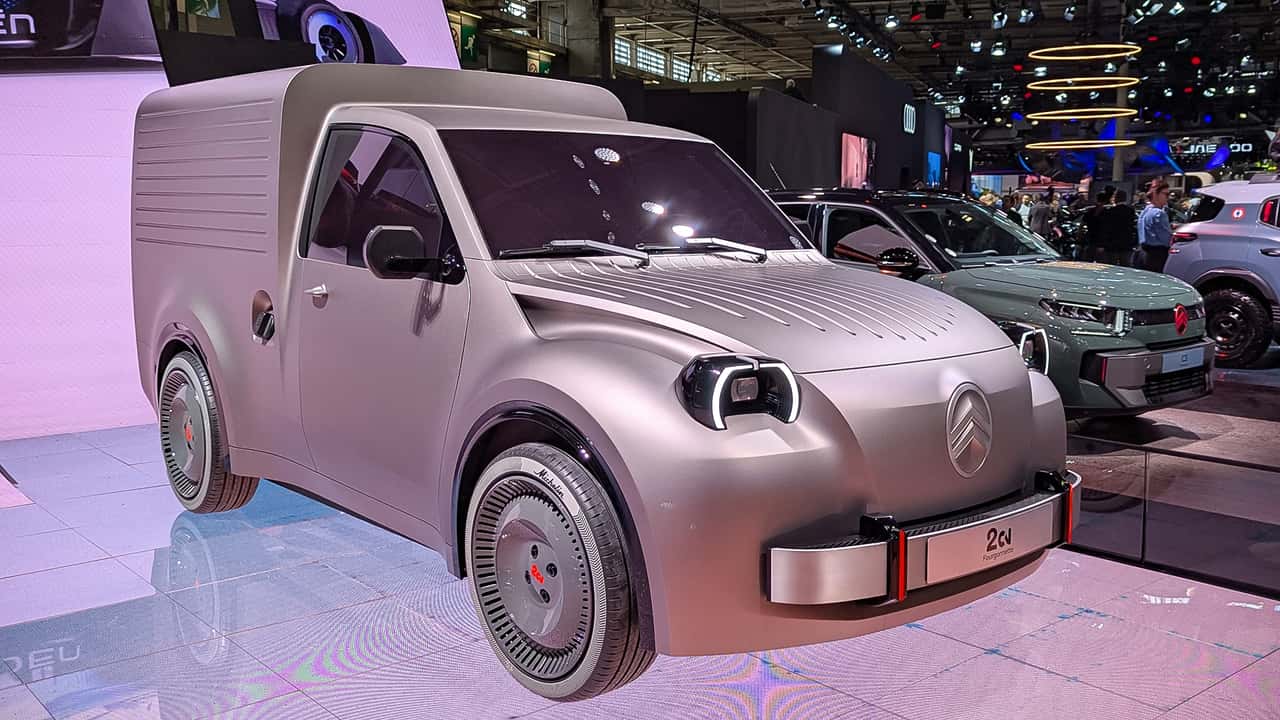
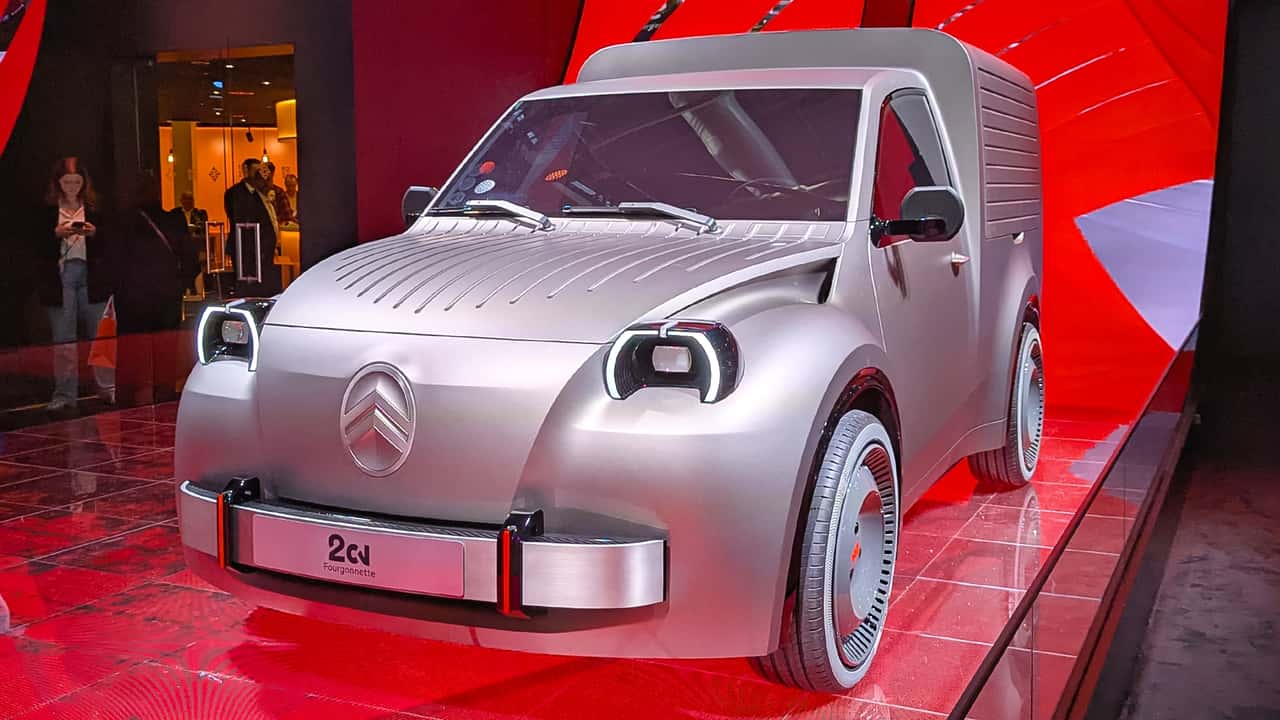
Similarly, Stellantis had concepts from all of its European brands, many of them EV models. As a whole, European automakers are trying to cut off the Chinese, meeting the demand for reasonably-priced EVs through models that are cheap and cheerful. The Citroën 2CV concept has arguably stolen the show, matching the charm of the original (and other retro-pastiche) for a targeted price of 15,000 euros, or just under $17,000 with today’s exchange rates. The 2CV (concept) is just one example of an affordable EV choice made by a European brand. When it goes on sale, it will join the likes of the Renault Twingo, Dacia Spring, Nissan Pixo, Kia EV2, Volkswagen ID. Polo, and a whole gaggle of nameplates that didn’t exist when I went to the show in 2022.
Of course, the Chinese were at the Paris Auto Show this year in full force. An estimated 25 different Chinese brands showed up with models from all price ranges. Still, I don’t think this is the market meltdown as some may see it. For starters, some of those brands, like BYD, Geely, and Xpeng, have initiated plans to invest deeply in Europe’s manufacturing base. Xpeng says that its L03 compact crossover has received 12,000 orders since launching this summer, and that model will be made in Austria by Magna-Steyr.
Analyst and consultant Lei Xing agreed that European brands weren’t down for the count.
“If I had to summarize this year's Paris Motor Show, it would be hope, introspection, and integration. European brands are trying hard, and they are starting to figure some things out, even if it means the Chinese providing a compromise in terms of halving the hybrid/plug-in export volume but at the same time getting help from the Chinese,” he told me via email.
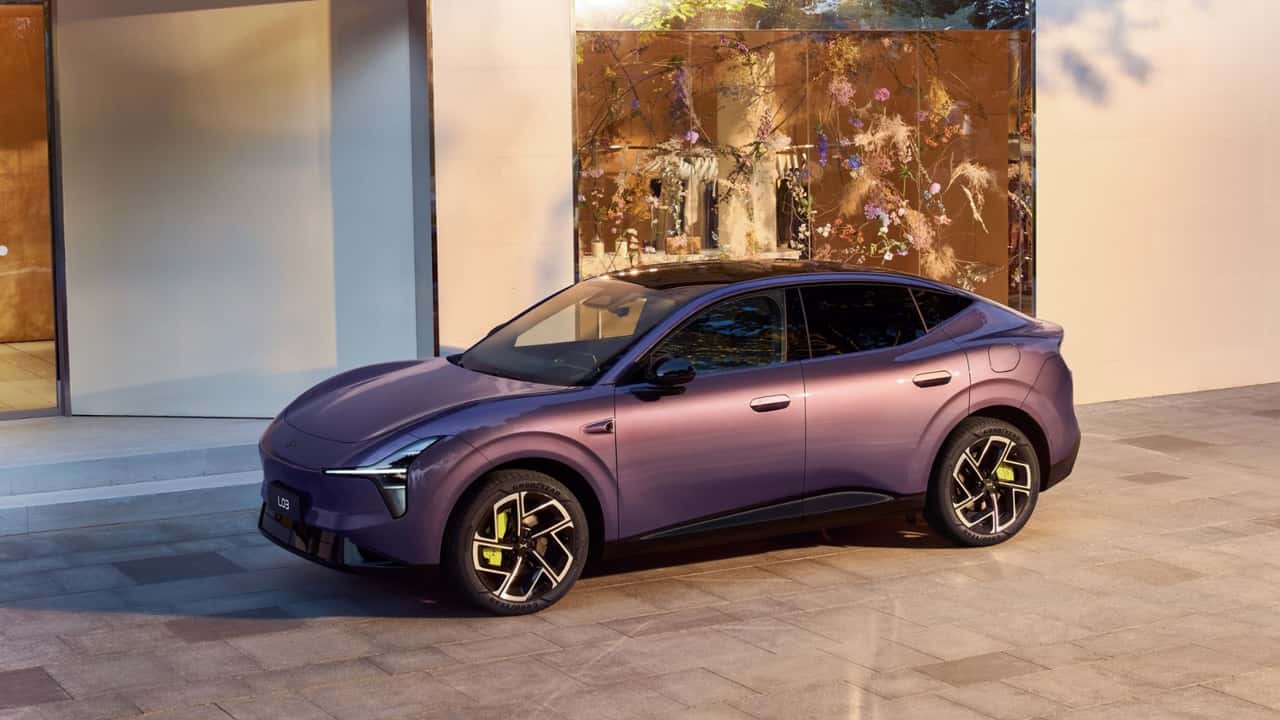
2026 Xpeng L03
Photo by: Xpeng
This all rings true. While some brands are making cars directly in Europe, other Chinese brands, like Leapmotor, are serving as teachers for longstanding brands. In reporting from Reuters, European brands and head of Stellantis Pro One, Antonio Filosa, told the outlet that working with Leapmotor has allowed the brands to complement each other. Leapmotor’s speed and expertise have been a boon for the conglomerate, which is attempting to meet the need by quickly manufacturing models.
This year’s Paris Auto Show saw the debut of the Leapmotor B03 hatchback, which complements the B03X small crossover. Both models are debuting only weeks after their Chinese counterparts. This dovetails with the newly released Dacia Spring, which was developed in less than two years. Everyone is learning, and timelines are speeding up to meet buyers where they are and battle against China.
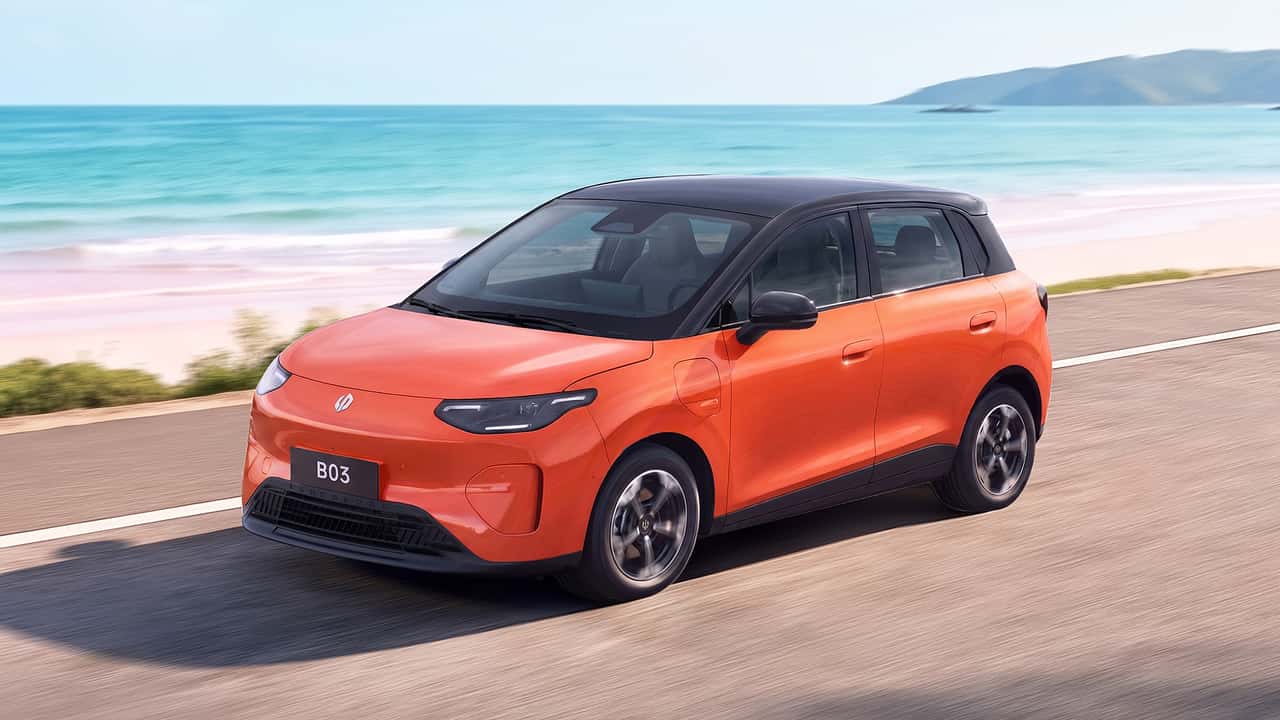
Leapmotor B03
Photo by: Leapmotor
From the outside looking in, it’s once again frustrating to watch the whole world get a wide variety of affordable EV choices, while our options continue to dwindle in the U.S. Before, much of the affordable EV discourse tended to revolve around China. While it is true that China still dominates this conversation (for good reason), it finally feels like there’s a real, serious selection of electrified vehicles from other manufacturers.
And that’s a good thing for everyone, especially our environment. I hope this level of urgency to create affordable EVs will come to the U.S. in the near future.
China Agrees To Limit Hybrid Imports To EU To 350,000 Annually
Volkswagen’s Family Of Cheap EVs Already Looks Like A Hit
The New Citroen 2CV Van Is The Perfect Match For Trendy Baristas
A Cheap BMW Neue Klasse EV Is Coming In 2028
]]> contact@insideevs.com (Kevin Williams) https://insideevs.com/features/812308/chinese-paris-auto-show-recap/ https://insideevs.com/features/812277/paris-auto-show-recap-2026/ Fri, 16 Oct 2026 16:36:25 +0000 European Car Companies Can't Compete With Chinese Tech. In Paris, They Leaned On 'Heritage' Instead Is that enough to fend off a growing cadre of Chinese competitors in their home market? I’m not so sure.
It was the Paris Motor Show, but you’d hardly have known it. Walking through the plazas of the Paris expo Porte de Versailles, I was bombarded with advertisements for Geely and BYD. The first booth I saw was for Li Auto. While Renault, Peugeot, and other members of the Continental home team were present, if you give half a crap about EV technology, they weren’t the ones likely to catch your eye.
No, it was Zeekr, Li Auto, Denza, BYD, and that lot who were offering 10-minute charging times, mind-bending power figures, and unconventional designs. Between the ultra-plug-in-hybrid Zeekr 9X with its 111-mile electric range and plush recliners and the Li Auto Megahome with its “mobile home from the future” aesthetic, these brands are offering things I couldn’t have imagined five years ago. BYD, meanwhile, showed off cars with 10-97% charge times of 9 minutes, a mind-bending figure.
(Full disclosure: Geely was the company that brought me out to the Paris Auto Show, covering my flights and lodging. Li Auto also provided a 30-minute test drive of the i6.)

Li Auto's first European-market EV, the i6, charges from 10-80% in under 11 minutes, and offers massaging rear recliners, excellent software, and cushy air suspension.
Photo by: Li Auto
European firms, unable to match Chinese EV tech, leaned on something else: tradition. From the Renault Espace to the Citroen Is Finally Bringing Back The 2CV. And I’m Here For It and the Alpine A310, most brought re-interpreted concept versions of their greatest hits.
The message was clear: Stick with us, and it’ll be just like the good ole’ days.
Will it work? That’s a trickier question. Because while the Chinese brands came in hot with ready-to-roll spec sheet monsters, the most exciting European efforts were concept cars. The real question is if any of these brands can bring their most exciting designs to market with technology that can match the best that China has to offer.
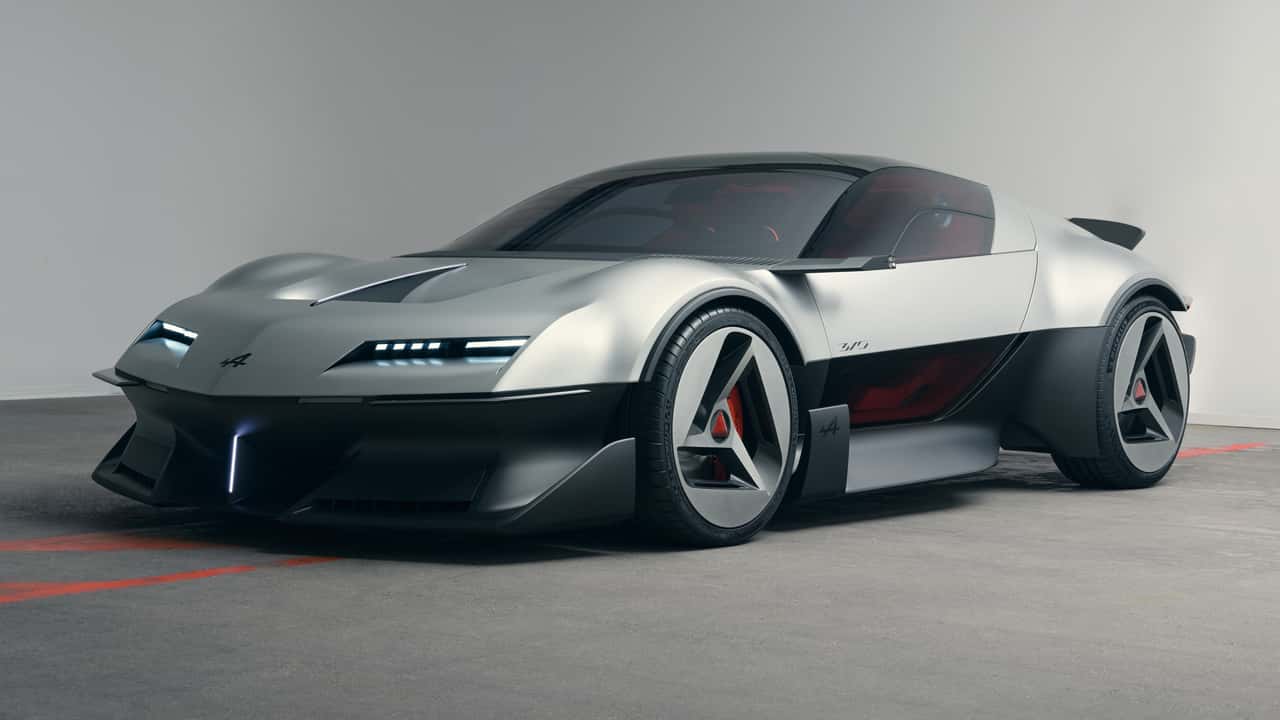
The 2026 Alpine A310 Vision concept
Photo by: Alpine
The Charging War Isn’t Over, But The West Is Losing Big-Time
At least five production cars on the floor could charge from 10-80% in under 11 minutes, and none of them were built by Western brands. Mercedes’ upcoming AMG GT 4-Door manages to do it in exactly 11 minutes, a number that the brand is mighty proud of. But when Zeekr mentioned the updated 7X—which already has a waiting list in Europe—now charges from 10-80% in 10.5 minutes, the company didn’t really belabor the point.
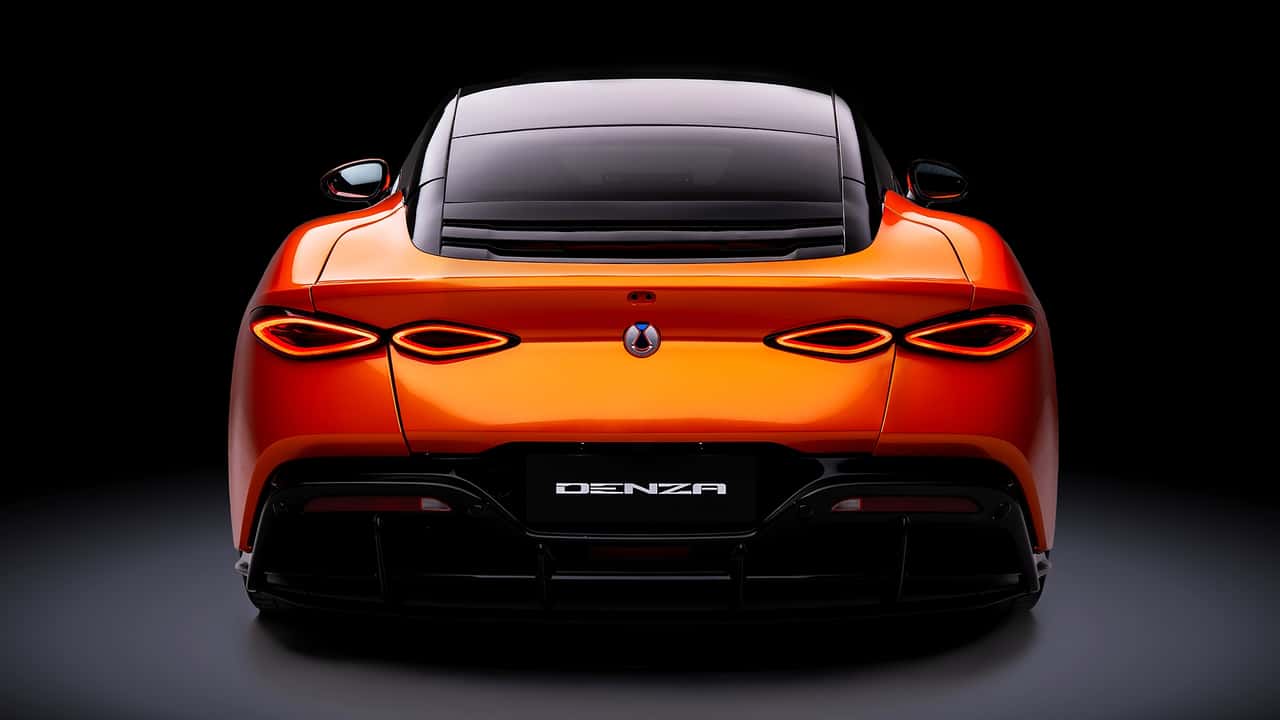
The Denza Z charges from 10-97% in nine minutes, blowing the brakes off any Western EVs.
Photo by: Denza
After all, in the home market, that’s hardly impressive. Geely, BYD, and others are already offering Megawatt charging speeds that enable 10-97% in under 9 minutes, and 10-70% in under five. So when Li Auto said its first model for the European market, the Li 6, could do 10-80% in around 10 minutes, it felt more like table stakes than bragging.
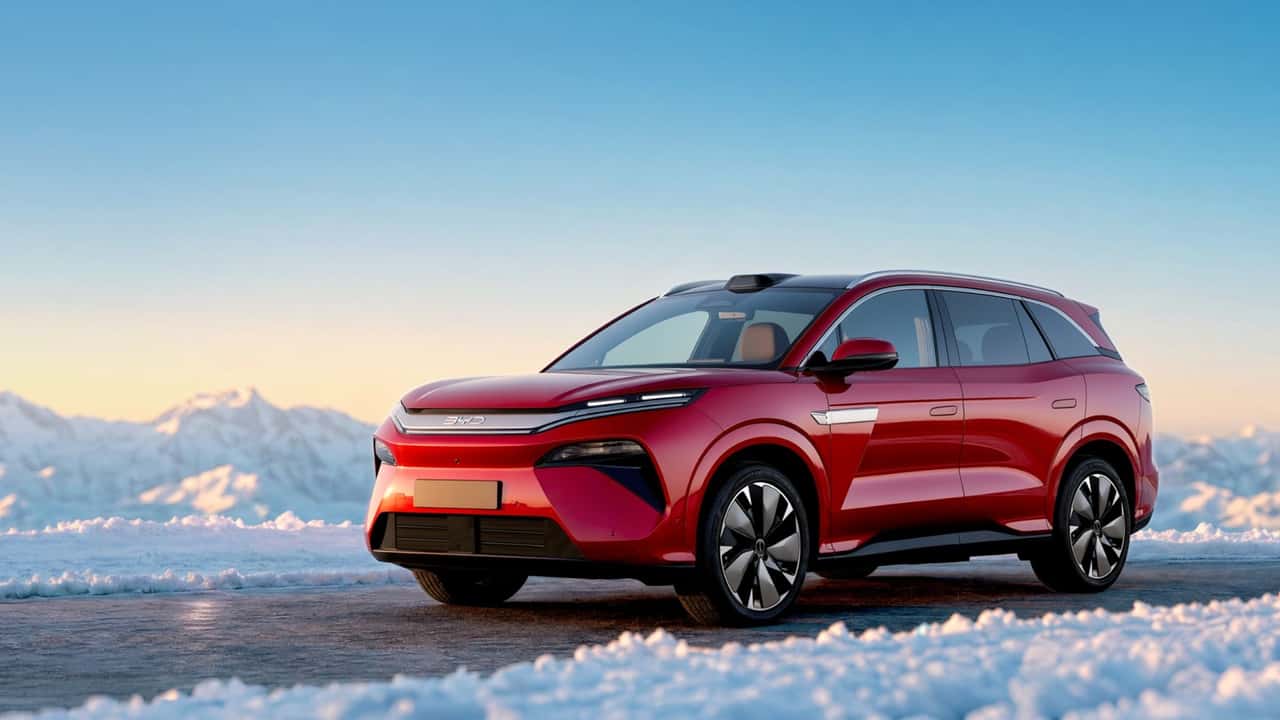
The BYD Atto 8 can also charge from 10-97% in just nine minutes, and it's in a much more popular form factor than its supercar sibling.
Photo by: BYD
I bring this up not because it’s the be-all and end-all, but because it quantifies a qualitative edge that was otherwise clear in person. While Mercedes, BMW, and other Western luxury brands are introducing their first software-defined, 800-volt EVs, Chinese automakers are on iteration 2, 5, or 10 of their SDV platforms, and even the PHEV Geely 9X runs at 900 volts.

The Zeekr 9X is a 900-volt plug-in hybrid with up to 111 miles of electric range.
Photo by: Zeekr
Europe On The Defense
European automakers seem more aware than ever that they are operating from a position of weakness. While American legacy firms are just as behind on the tech front, if not more so, they are temporarily safe in their home market, thanks to regulations that make selling Chinese EVs stateside all but impossible. For them, it is a tomorrow problem, even if tomorrow is approaching rapidly.
The Europeans are in trouble today. They have been battered on three fronts: Sales are collapsing in China as domestic competitors gobble up market share, profits in America are being erased by aggressive tariffs, and market share at home is now threatened by an ever-growing list of Chinese brands. All the while, higher energy, labor, and regulatory costs at home make it harder and harder to compete globally.
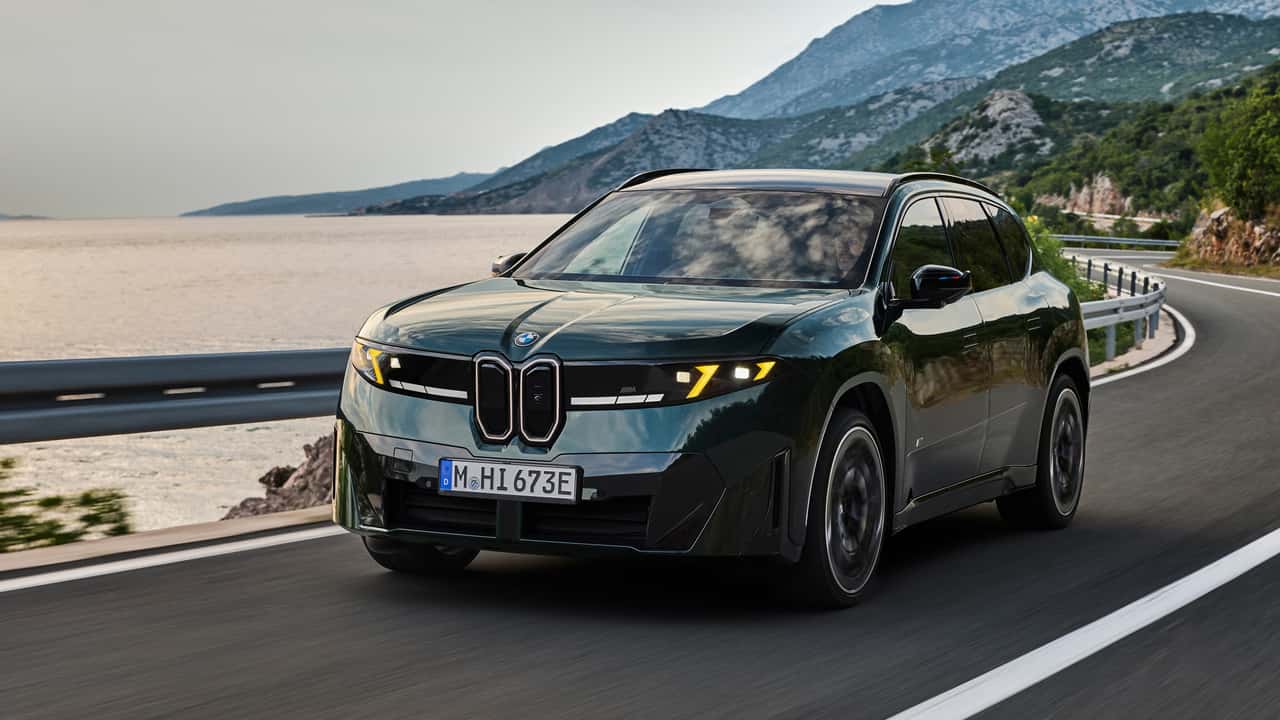
BMW and Mercedes have some awesome EVs coming. But they're under assault in Europe, China, and the U.S., and sounding the alarm about the effect on their business.
Photo by: BMW
They are no longer denying this, with executives sounding the alarm both on earnings calls and within government conversations. And as their home countries weigh the potential loss of one of their highest-value industries, they have proven willing to play defense on their auto industry’s behalf.
Already Chinese EVs face steep tariffs, with brands like Li Auto facing cumulative duties of over 40%. And while those tariffs rates used to exlcude hybrids altogether, Europe is tightening restrictions on hybrid imports, too. Even still, Li Auto plans to price the Li 6 in line with the BMW iX3, which offers less space inside and slower charging speeds, albeit with more maximum range.
So the legal and tariff barriers do not seem to be enough. The best defense is a good offense, as they say, and so these companies are scrambling to close the gap. The iX3 is a range monster, and the comparatively sized Mercedes GLC EV is shockingly efficient. But that alone won’t get people excited, which is why these companies are leaning on their excellent design and branding teams, hoping to recapture the luster they’ve lost.

The Renault Twingo E-Tech Electric proves that teeming decent EV tech with a great design can be enough to win people over.
Photo by: Renault
It may work. Driving the Li 6 to the Eiffel Tower, I was feeling rather pessimistic about the Western industry’s chances, as the Li 6 featured the best head-up display I’ve ever used, a Tesla-like ultra-quick interface, some of the comfiest seats I’ve experienced in recent memory, and an utterly sumptuous ride. It wasn’t looking good.
But then I saw a clearly staged group of multicolor Renault Twingo EVs circling the roundabout behind me, and I couldn’t help but smile. For all of the tech and cost advantages you may find in a BYD Dolphin Surf, cars are an emotional purchase, and leaning on a legendary design certainly helps.
 Photo by: BYD
The same could be said for the reborn 2CV, which looks as friendly and unique as the original, but less awkward. And while the E-Space concept was yet another lounge-on-wheels, coach-door concept, the likes of which we have seen many times before, the existince of swivel-seat Chinese production EVs on the same floor suggests that Renault could actually do that.
Could is the operative word here. The 2CV could be a hit with the right price and specs. The E-Space could take on the growing slate of E-MPVs from new brands. And fantastic designs like the Renault 5 and Twingo EVs could prove durably charming, even as Chinese options with lower prices and longer ranges flood the market.
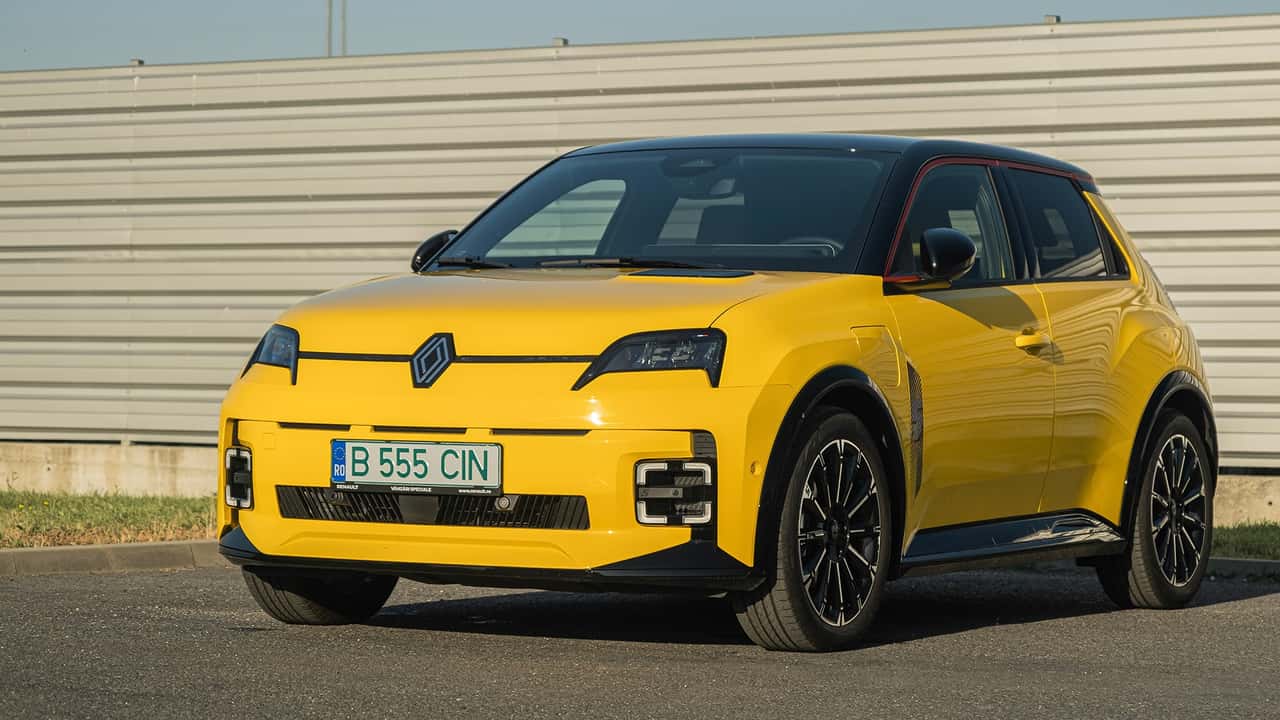
The Renault 5 E-Tech
Photo by: Andrei Nedelea
But if European companies want that to happen, they have to execute, and quickly. Chinese companies do not tease a concept and then take years to deliver it to market. They deliver new products quickly and often, trying many things and quickly scrapping the bad ideas.
That’s what European brands need. They need to move faster, to take more risks, and to operate from a position of humility, recognizing that they are operating from a down position. In a world of dwindling profits and increased competition, that isn’t an easy pill to swallow. Nobody wants to gamble with their last dollar. But in Paris, they seemed willing to throw down, betting that their designs, legacies, and loyal customer bases will keep them alive until they can match the Chinese, blow for blow.
Success is far from guaranteed. Leaving Paris, though, I couldn’t help but wonder: What other choice do they have?
Retro Renault Twingo EV Aims To Undercut China
Citroen Is Finally Bringing Back The 2CV. And I’m Here For It
BYD's New 3-Row SUV Brings 5-Minute Flash Charging To European Families
China Agrees To Limit Hybrid Imports To EU To 350,000 Annually
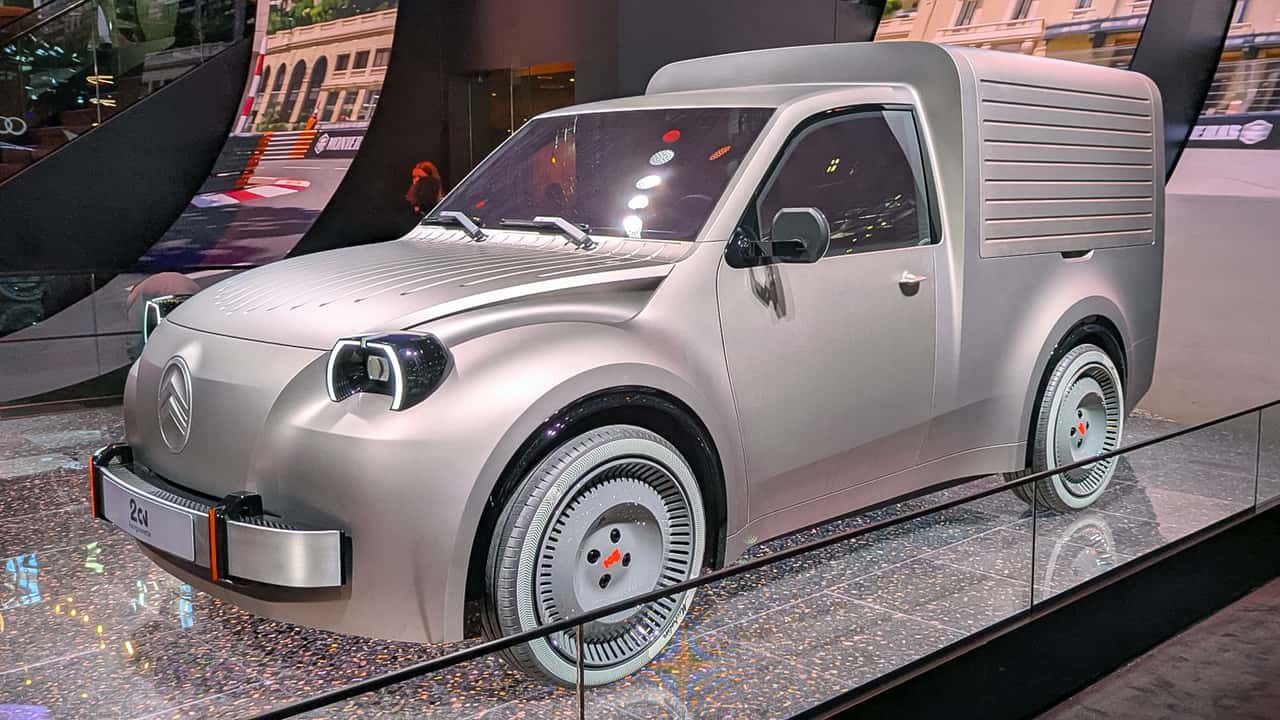
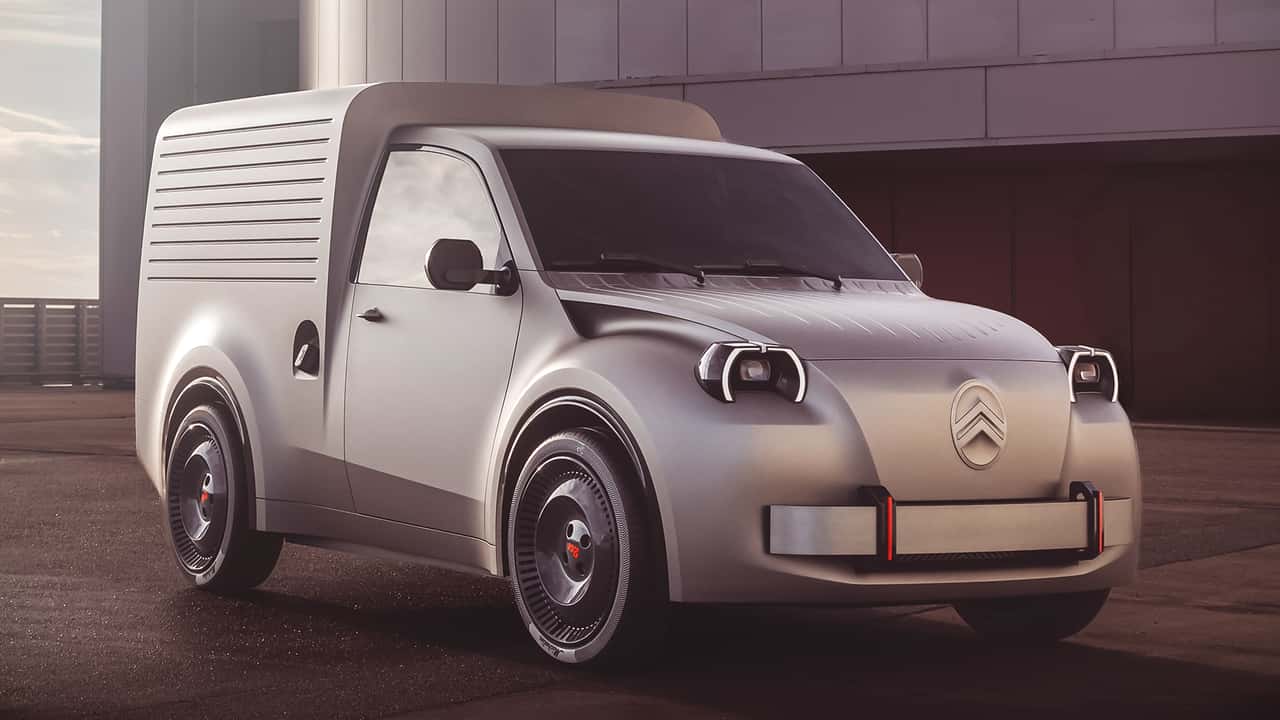
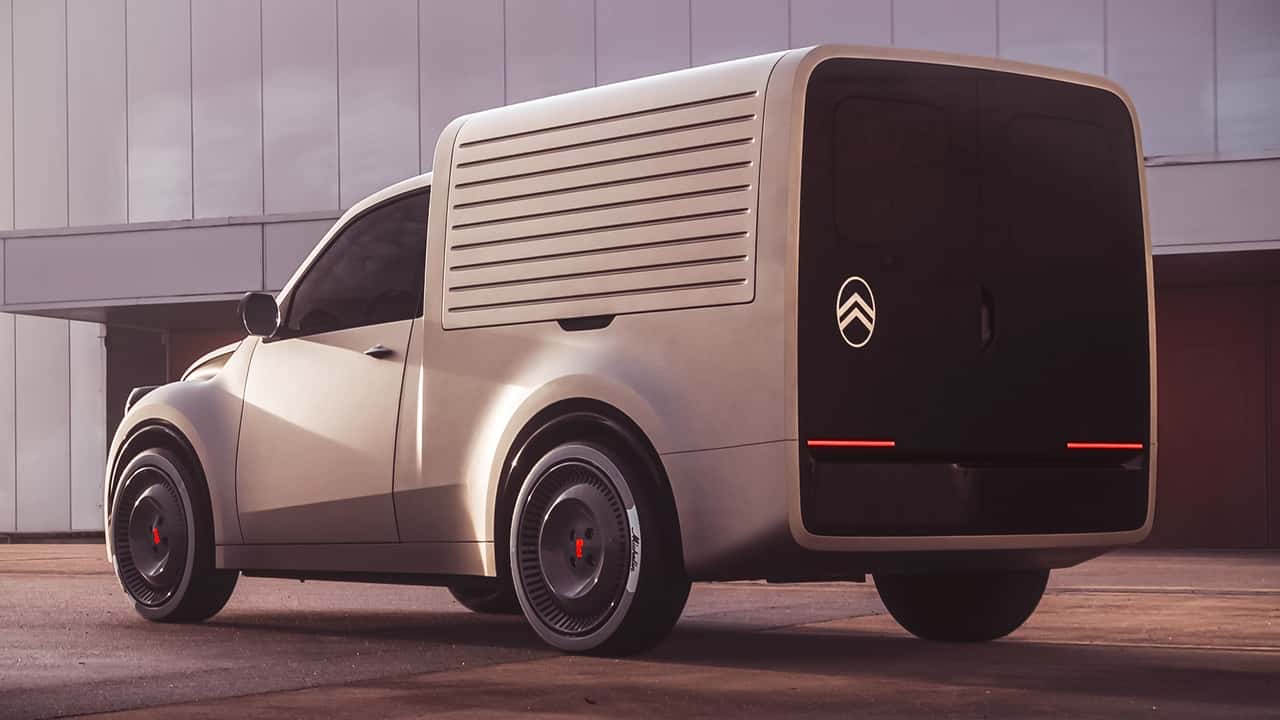
]]> contact@insideevs.com (Mack Hogan) https://insideevs.com/features/812277/paris-auto-show-recap-2026/ https://insideevs.com/features/811385/the-jaguar-type-01-proves-that-designs-matter/ Fri, 09 Oct 2026 16:28:04 +0000 Jaguar And Kia Just Proved That Design Matters Just As Much As Specs Neither can claim technological superiority over their competitors. But they’re both far more compelling because of how they look.
There’s an archetype among car-blog readers that—after nearly a decade in this business—has consistently found its way into my inbox, into the comments on my stories, and into every forum thread: The bench racer.
They’ll point to cars like the Lucid Gravity or or Hyundai Ioniq 6 and note that, based on the specs, cars like this make “lesser” vehicles irrelevant with their blazing-fast charge speeds and superior range. Then they’ll sit in shock as “inferior” products absolutely dunk on their spec sheet champions.
Turns out, vibes matter. Just ask Jaguar and Kia. Both had big weeks, as we discussed in this week’s episode of the Plugged-In Podcast.
This week, we also discussed the Tesla Model Y's new vehicle-to-home feature and whether EVs will actually overwhelm the U.S. power grid. You can find the show and subscribe on YouTube and across audio platforms like Spotify and Apple.
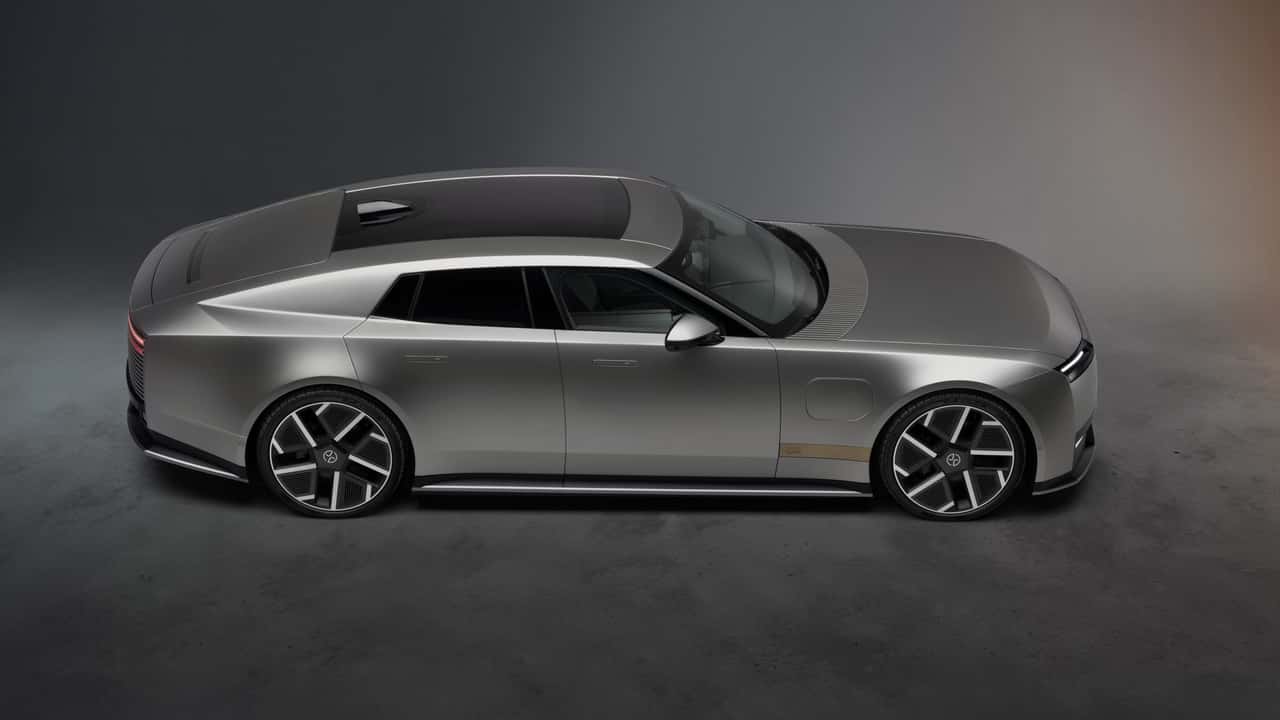
This is a heroic design.
Photo by: Jaguar
Jaguar unveiled the spearhead of its new all-electric era, the Type 01. With the blunt nose of a battering ram and cartoon villain proportions, it is, to my eye, one of the most striking sedan designs of all time. It is bold and bad and unabashedly different, all of the things that Jaguar promised. The positive reception to it must come as a huge relief to the company, which had stirred up quite a bit of controversy when it originally announced its big pivot.
On the other end of the EV market, Kia was busy launching the EV3 in America. The company’s affordable EV has been a hit in global markets and—after a long “will they, won’t they” period of tariff uncertainty—brought it to the U.S. market. The first drive reviews came out this week and, rather unsurprisingly, were broadly glowing. Our own Tim Levin said it was his favorite vehicle in the segment.
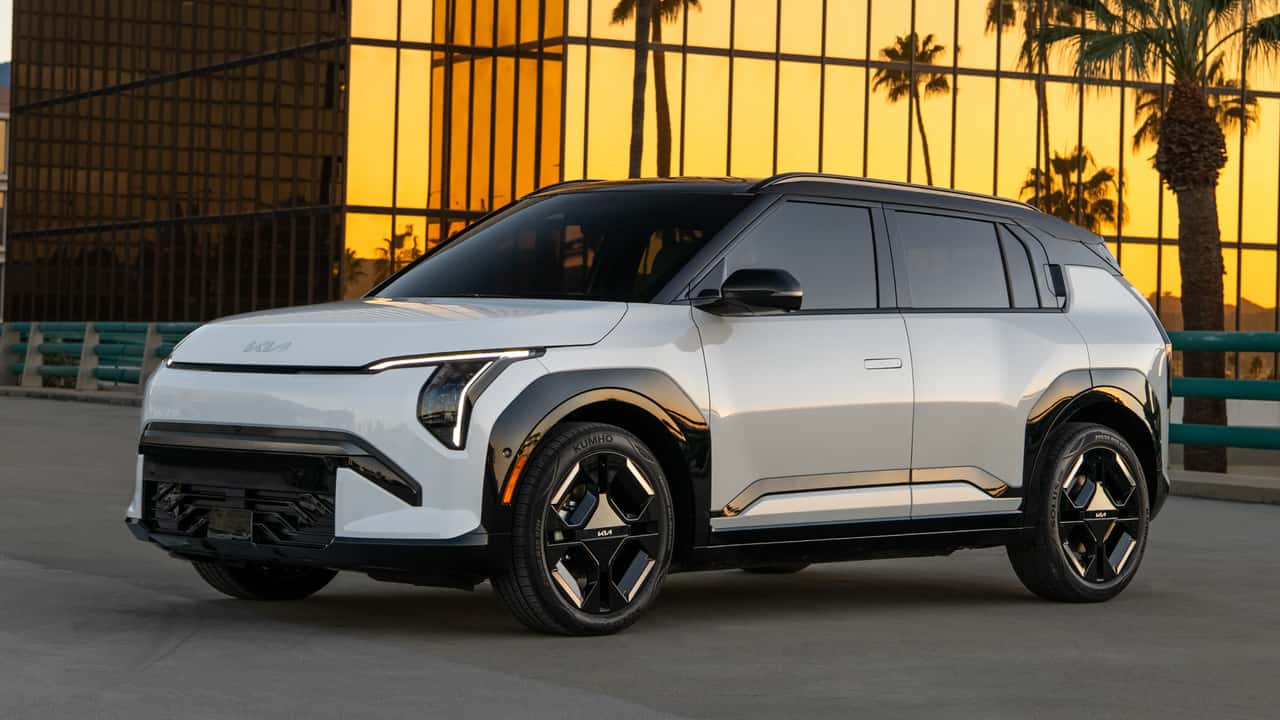
The Kia EV3 is far and away the best-looking car in its segment.
Photo by: Kia
Much of that was down to the vehicle’s relatively tidy driving dynamics and pleasant interior. But as we discussed on the pod, the real win here is the design. The squared-off, ultra-modern EV3 looks like a true SUV, with the ruggedized accents and truck-ish stance that American buyers clearly prefer. The Chevy Bolt EV, meanwhile, looks like a cheap hatchback, a segment this country has little interest in or respect for.
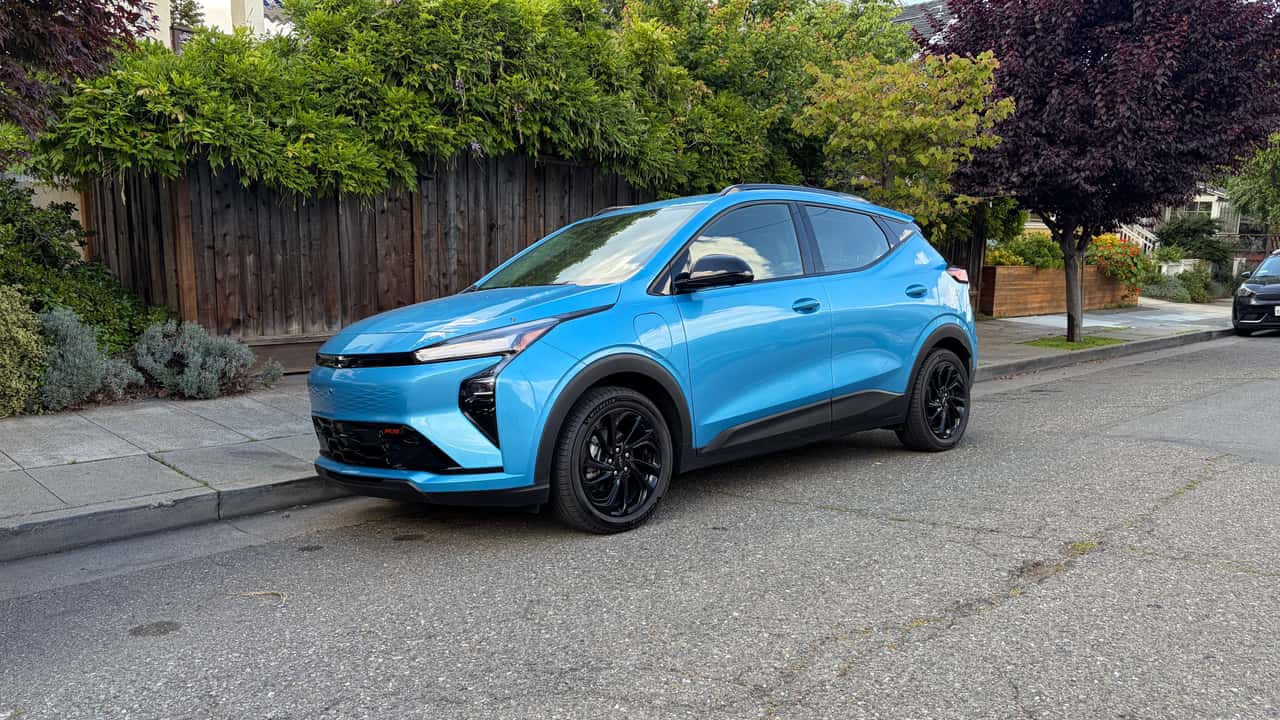
A fully optioned Bolt can cost nearly $40,000. I just don't think many Americans will pay that much for a car that looks like an economy hatchback.
Photo by: Tim Levin/InsideEVs
So the Bolt is going away soon. But the EV3 will remain and, I’d wager, succeed. Not because it has better specs; It’s more expensive than the Bolt, especially if you get the larger battery. And while it has the most range in its class, it’s only a bit ahead of the far-cheaper base Nissan Leaf. All three cars charge at about the same speed, too. But I believe the EV3 will win out because it’s more marketable: Its max range is the highest, it offers available all-wheel-drive, and it can be called an “SUV” without eliciting an eye roll. These things make it more than a collection of specs; it’s an actually marketable product.
The same can be said for the Type 01. It’ll offer no more range or power than options from Lucid or Mercedes or BMW, but it’s by far the most compelling to look at. I mean, if you’re dropping a hundred and fifty grand on a car, do you want this:

The 2025 Mercedes EQS
Or this?
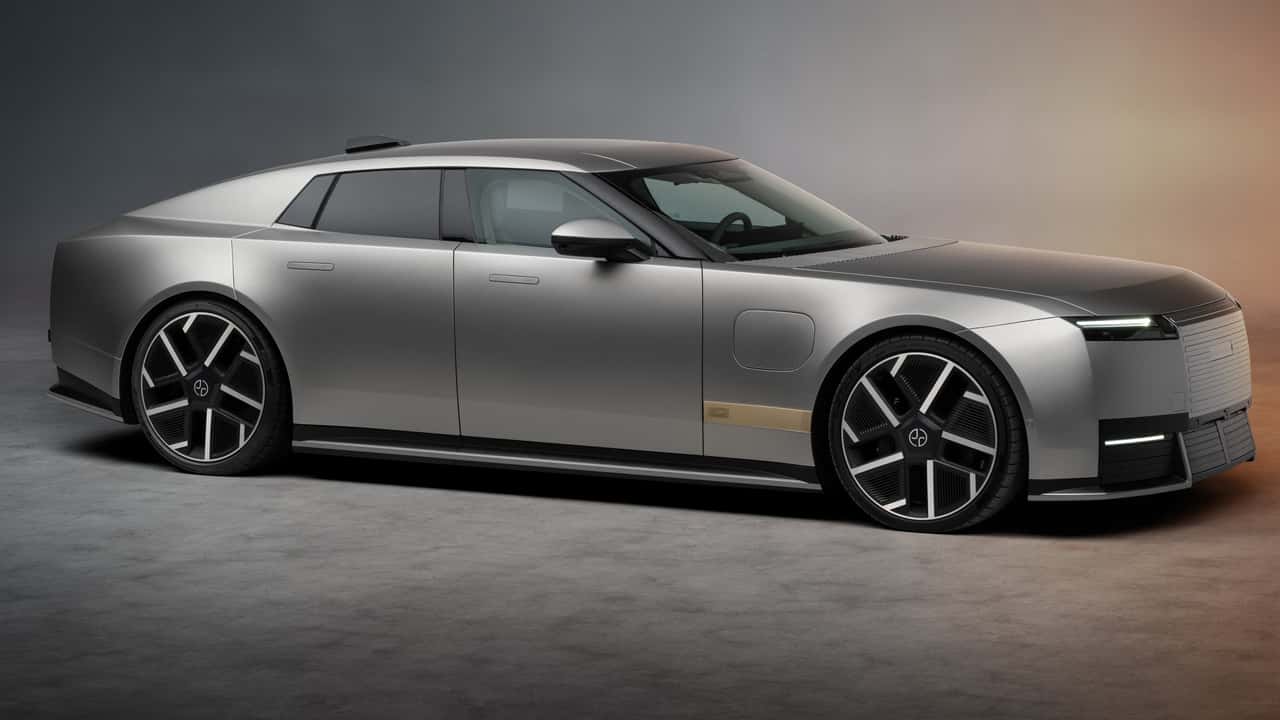 Photo by: Jaguar
If you ask that question to a hundred Americans, I doubt many of them would need to see a spec sheet to answer. Design and marketing matter.
This strikes many of the spec-sheet crowd as vapid, and that the superior product will win in the end. Look to history, though, and it’s full of examples of “superior” technology or companies failing to build products that are emotionally compelling or cool enough to break through.
I bring this up because these learnings are especially important today. EVs don’t just face resistance because of practical concerns. They have an image issue. Many critics see EVs as dorky or not ready for prime time.
Show them a Lucid Gravity or a Mercedes EQS and they might feel vindicated. But when they see a Type 01 roll by, with its dramatic proportions and 23-inch wheels, their jaws are going to drop. That may be more powerful than any number on a spec sheet. On the off chance it isn’t, 1,075 horsepower ought to seal the deal. Like I said, marketing matters.
If you have any questions you want us to answer on air, or have suggestions for guests, drop us a line: Podcast@InsideEVs.com.
The Jaguar Type 01 Is A 1,000-horsepower Beast. But It Isn’t For Everyone
The Jaguar Type 01 Won't Be The Only Model To Look Like This
I Drove the $30,000 Kia EV3—And It Might Be the Best Value EV Yet
2027 Chevy Bolt Review: Do Americans Really Want Cheap EVs?
]]> contact@insideevs.com (Mack Hogan) https://insideevs.com/features/811385/the-jaguar-type-01-proves-that-designs-matter/ https://insideevs.com/features/810672/bmw-i3-cafe-chevy-bolt-ev-podcast/ Fri, 02 Oct 2026 21:45:32 +0000 Is The BMW i3's 468-Mile Range Overkill? On this week's Plugged-In Podcast, we discuss the Tesla-beating BMW, Trump's clean-car rollback, and the Chevy Bolt's limited run.
BMW did it again. After beating expectations with the iX3 crossover, the automaker has unveiled another certified range monster: the i3 sedan.
The electric 3-Series will boast up to 468 miles of EPA-rated range in the all-wheel-drive 50 xDrive trim, which will be the first variant on offer early next year. That's a whopper of a rating that beats out pretty much everything else on the market today, including every Tesla.
Mack and I discuss the i3 and more on this week's Plugged-In Podcast.You can find the show and subscribe on YouTube and across audio platforms like Spotify and Apple.
It's astonishing to see just how far EV range in the U.S. has come in a short time, despite the choppy waters lately. Tesla was the first to notch a 400-mile EPA rating, landing that with the Model S in 2020. But 400 miles is increasingly the norm for high-end cars. Consider the Audi A6 E-Tron's 395-mile rating or the Volvo EX60's 400-mile estimate. The Mercedes C-Class should land around there too.
The i3 trounces most of the competition, and it's fitting that BMW is swinging for the fences with the first-ever electric version of its bread-and-butter 3-Series.
But is 468 miles even necessary? After all, Tesla has done quite well with cars that get in the mid-300s. Maybe there's a reason nobody has unseated the Lucid Air, which has held America's range crown for five years with its 500-plus-mile rating.
I don't think it can hurt. Even with all the 300-mile options on offer, surveys show that American car buyers are concerned about having enough range. And that's holding back sales. Maybe the key to unlocking more adoption—at least among a certain segment of the population and at this stage in the transition—is to give them so much range they don't ever need to think about it. Absurd amounts of range could help break down the psychological barrier many people have about running out of juice.
Then there are practical concerns. For people who do a lot of highway driving in cold climates, 400 miles and up may be exactly what they need. As you'll see if you tune into this week's show, Mack disagrees. He thinks somewhere in the 300s is the sweet spot, and more than that is overkill for most people.
At the same time, range isn't free. More range means using a bigger battery, and every kilowatt-hour will cost you. At $61,500, the i3 50 xDrive actually is fairly well-priced with its gas-powered equivalent. But a 350-mile model could fit the bill for a lot of people and be an even better deal.
And as public charging gets faster, more reliable, and more available, how much does absolute range really matter? That shift is already happening. And I suspect carmakers and the public will become far less obsessed with absolute range as time goes on. Once there's charging basically everywhere you need it, the need for a huge range buffer fades away.
What do you think? Is range in luxury EVs getting out of step with what people need? Or is it just what the doctor ordered?
If you have any questions you want us to answer on air, or have suggestions for guests, drop us a line: Podcast@InsideEVs.com.
Tesla Sales Are Down. But They're Doing A Lot Better Than Some Competitors
Rivian’s Big R2 Bet Is Already Paying Off
The Tesla Model 3 Gets A Range Bump And A New Screen In The U.S.
The Fathom Is Ford's Shot At EV Redemption. The CEO Knows He Has To Get It Right
]]> contact@insideevs.com (Tim Levin) https://insideevs.com/features/810672/bmw-i3-cafe-chevy-bolt-ev-podcast/ https://insideevs.com/features/810445/porsche-taycan-fake-gears-reevaluated/ Fri, 02 Oct 2026 16:52:34 +0000 I Thought Fake Gears Made EVs Better. Then I Drove This Porsche Taycan Simulated engines and gears are being pushed as a way to make EVs feel more engaging. The best ones don’t need them.
I was pretty surprised when Porsche reversed course on its previous position and added fake gears to its EVs. It seemed to contradict the brand’s ethos of letting real engineering and its cars' handling shine. Porsche was just adopting a trend.
Trying its simulated engine and gears, it’s obvious a lot of work went into making the system as good as you would expect from a Porsche. But it also didn’t define the driving experience as it does in other cars like the Hyundai Ioniq 5 N or the Mercedes-AMG GT 4-Door EV.
AMG went out of its way to make its fake V-8 believable, and it’s probably the most realistic such system currently available in any EV at any price. Porsche's solution is in some ways similar to what Hyundai is doing, with an approach that makes it clear what you’re listening to is a simulated video game-esque engine, not the real thing.
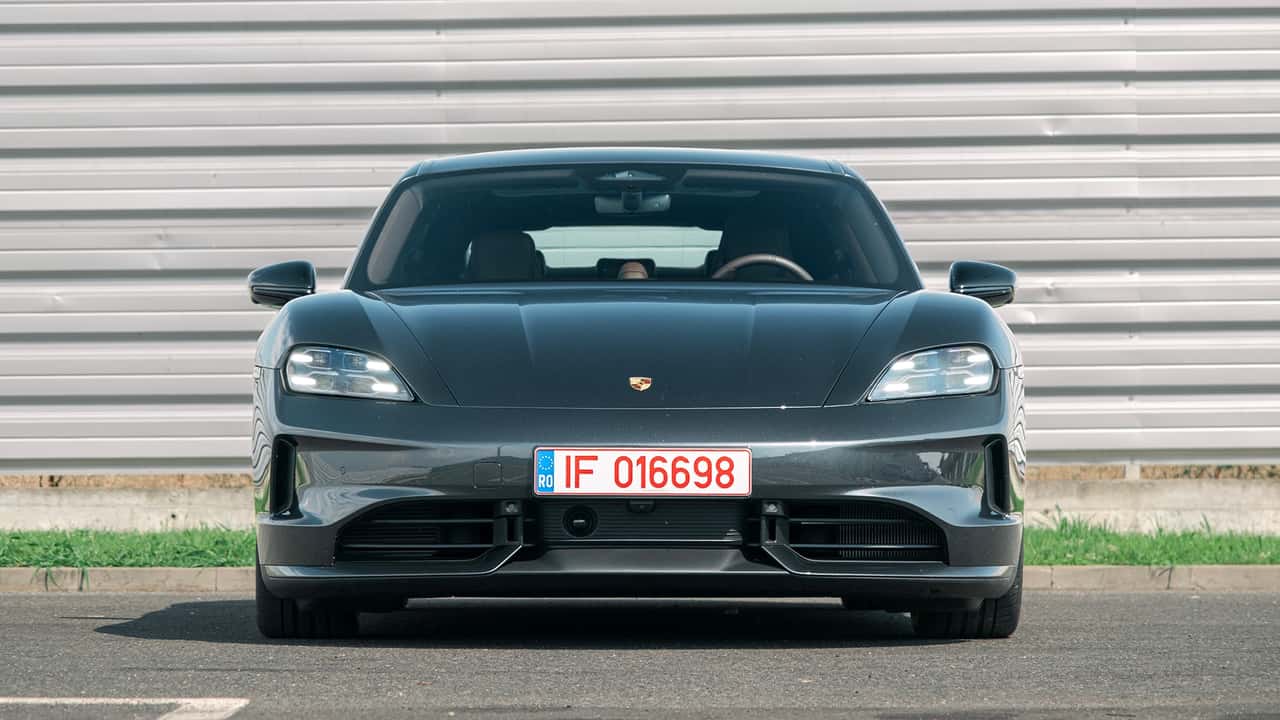
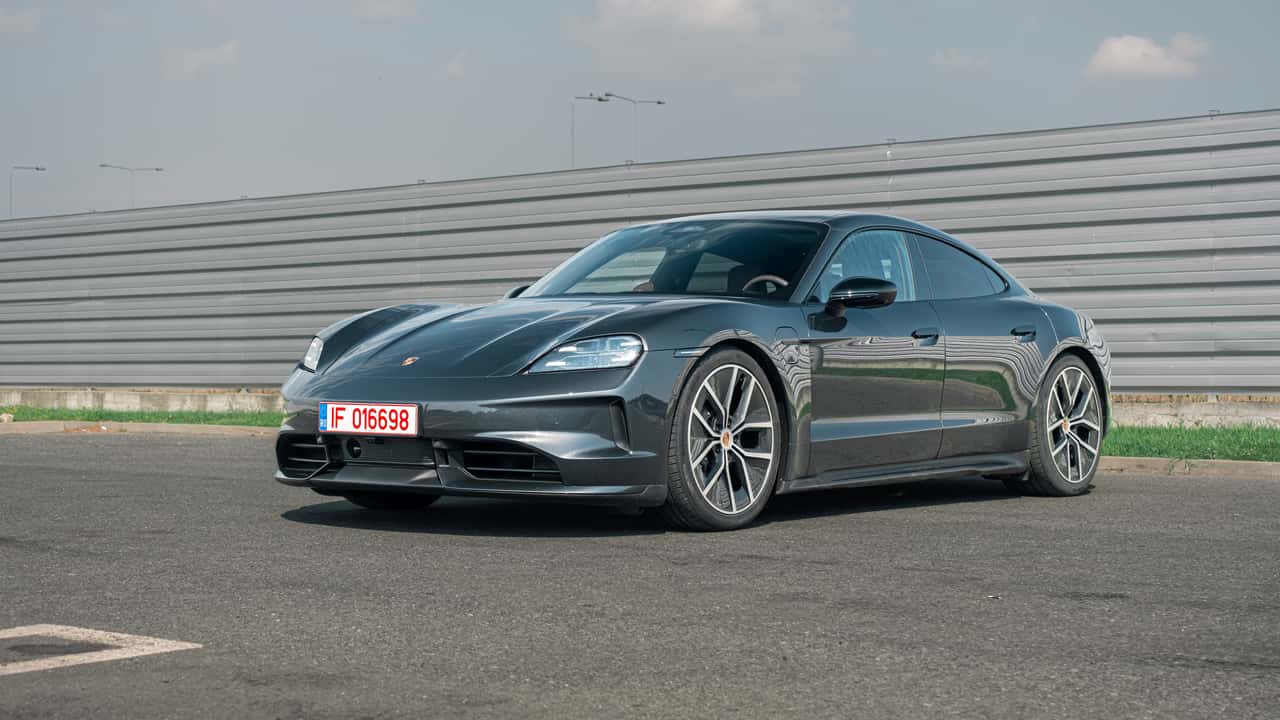
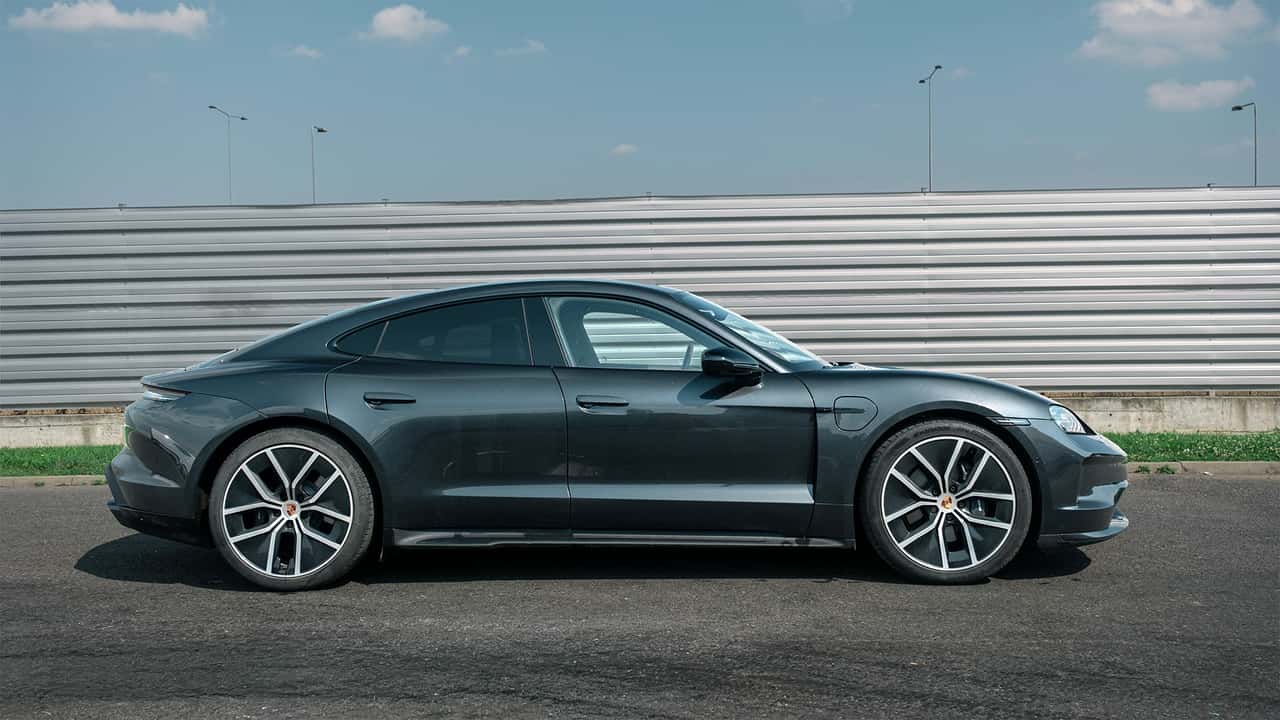
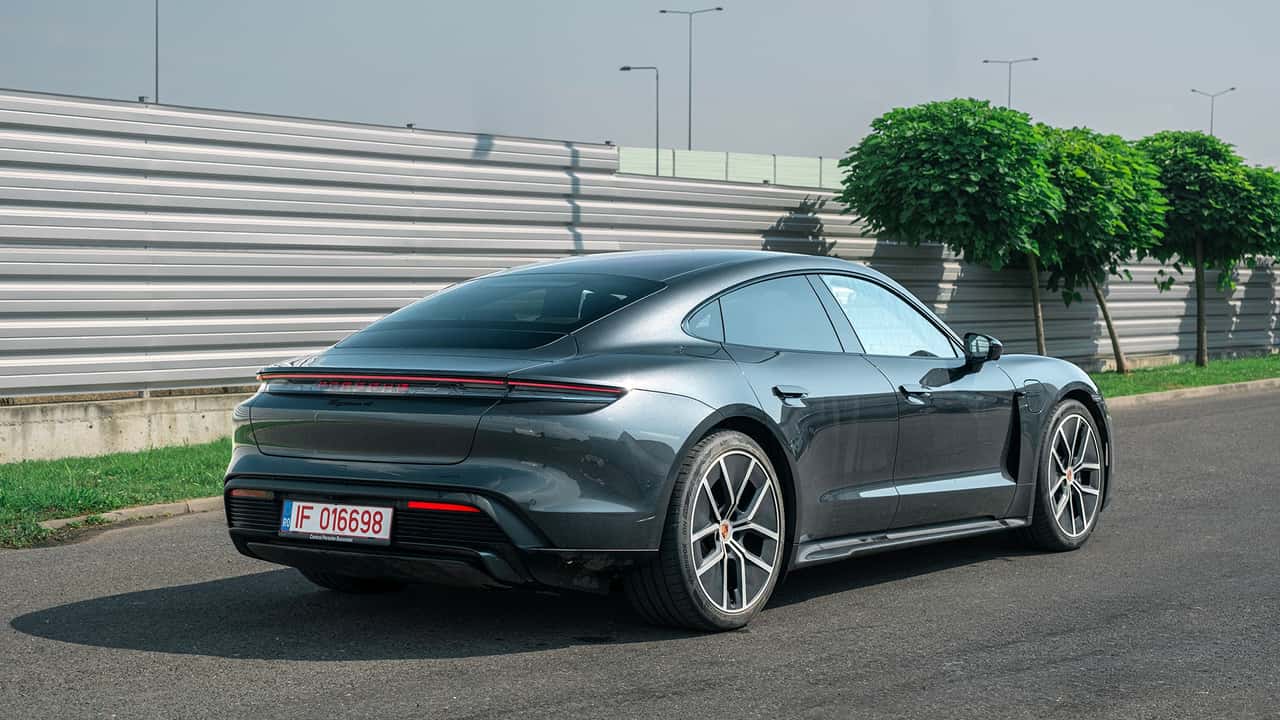
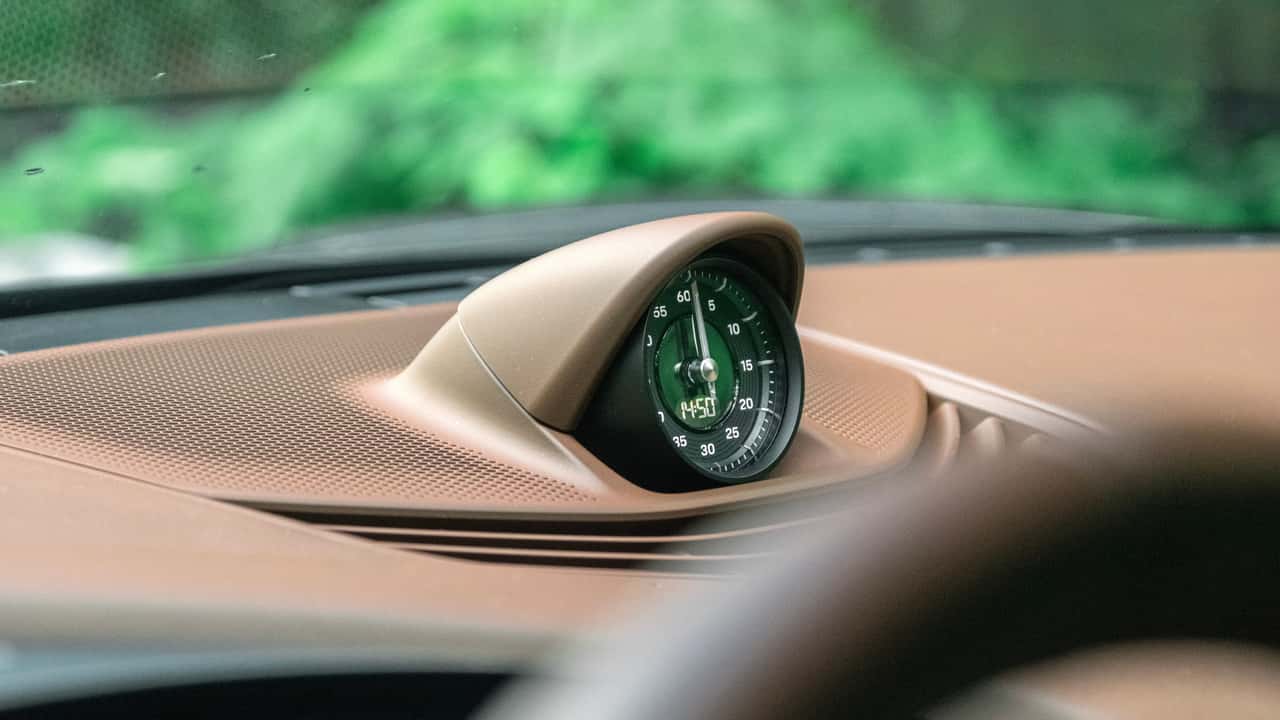
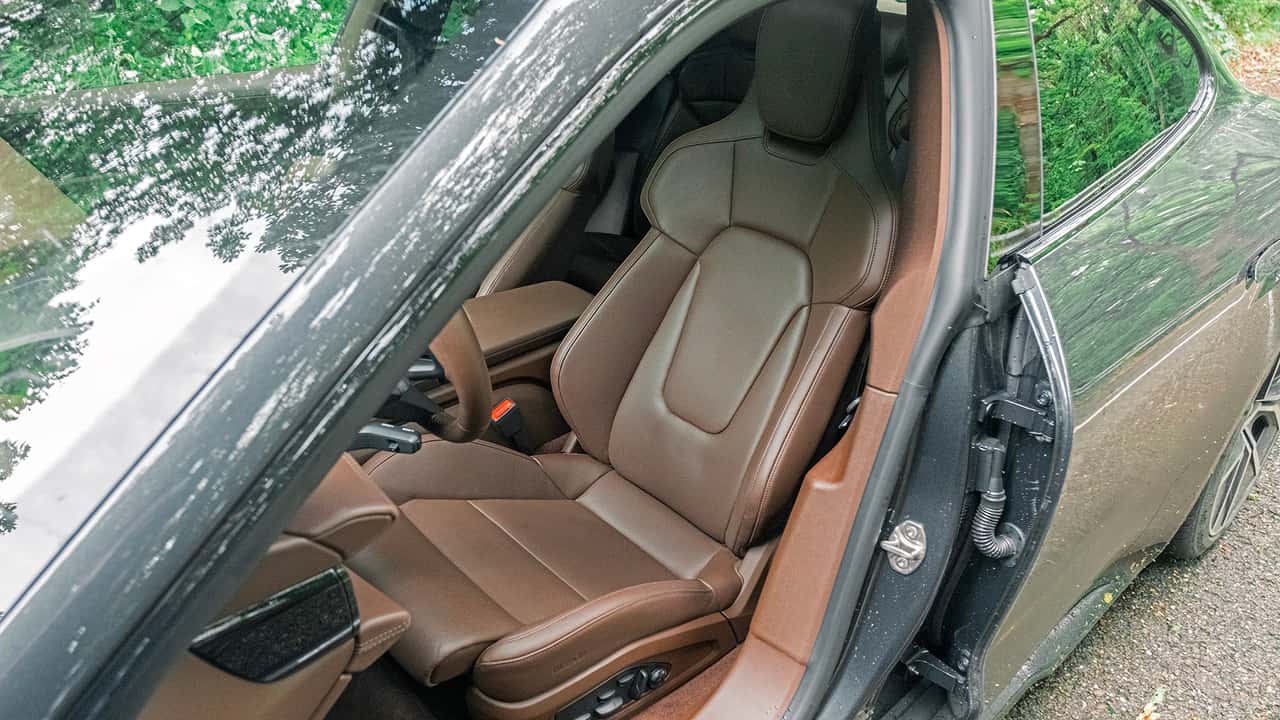
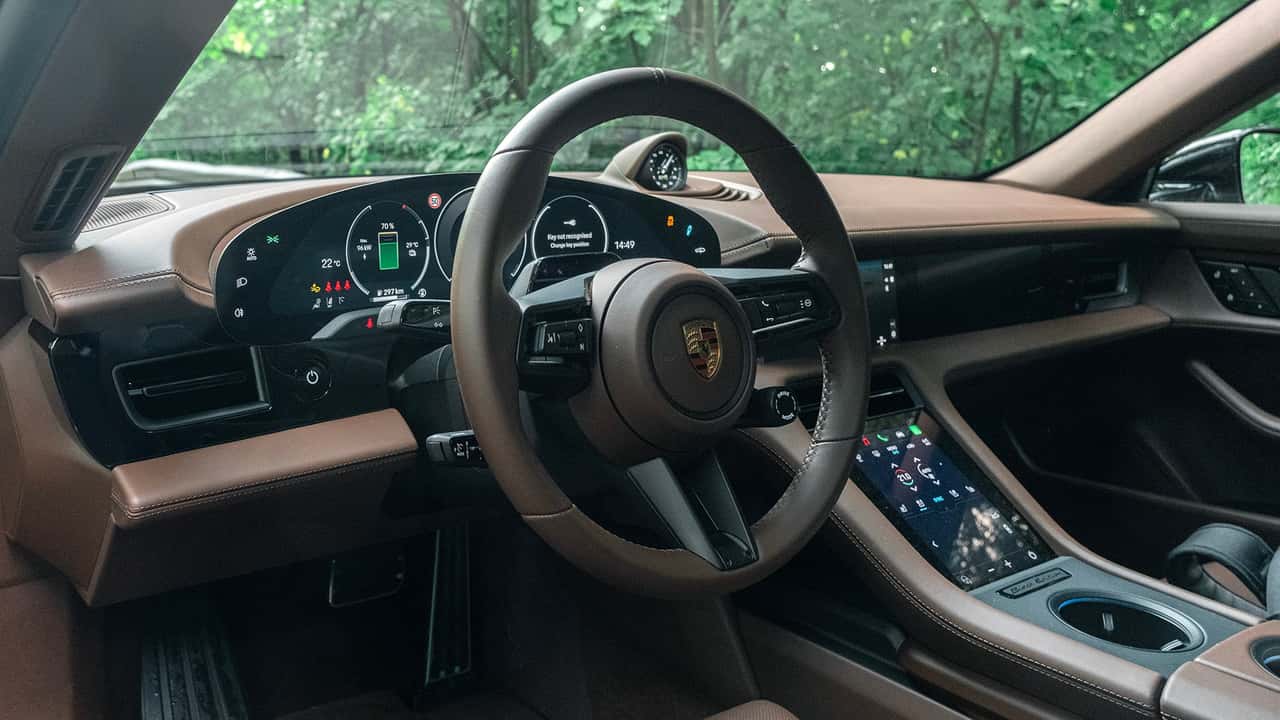
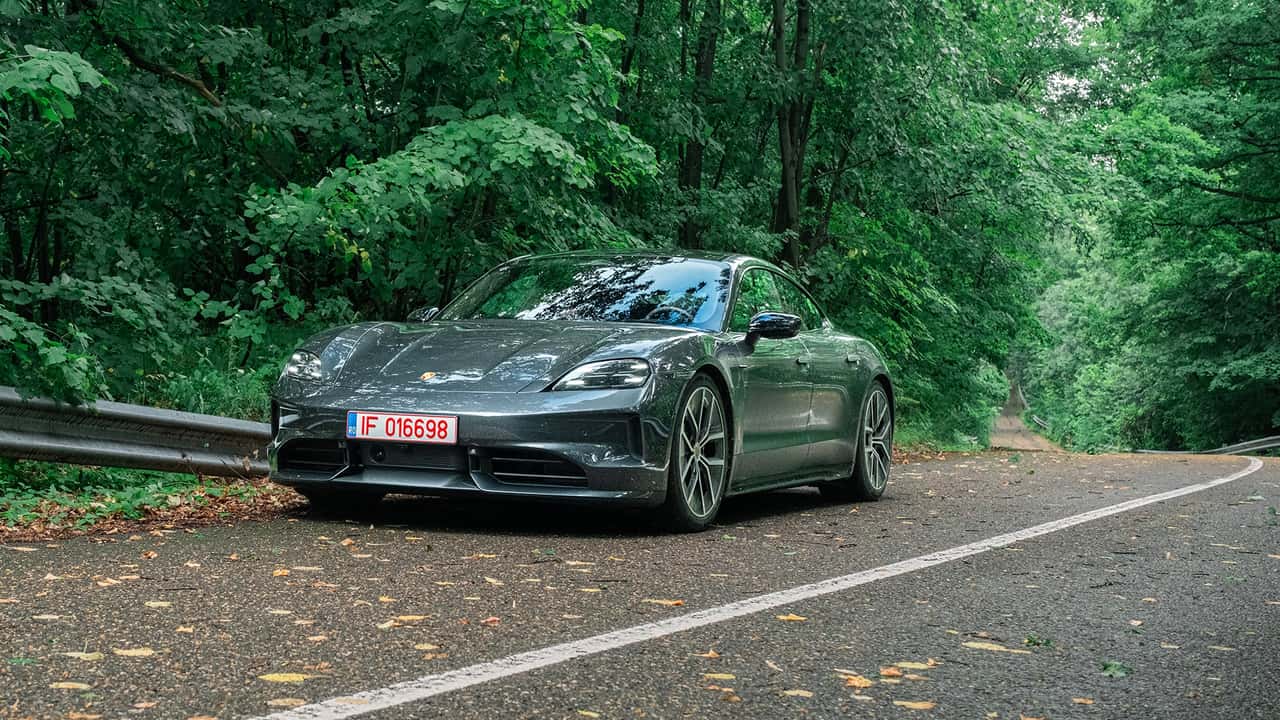
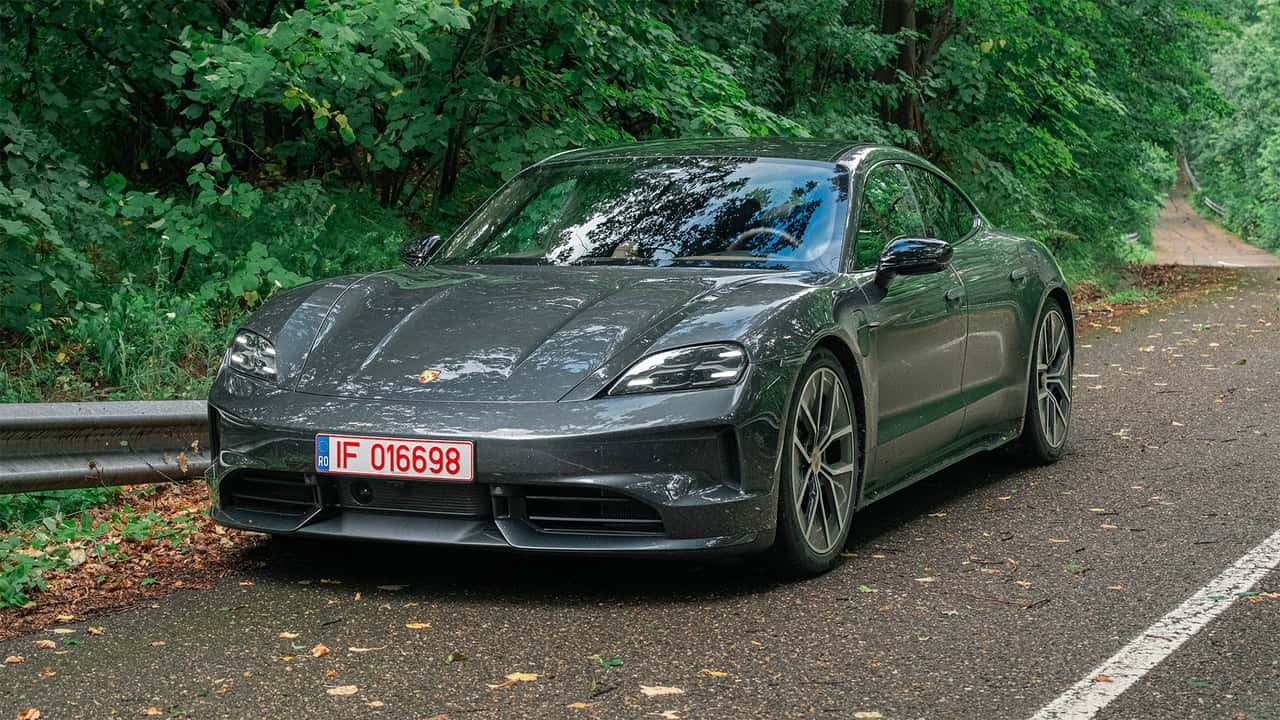
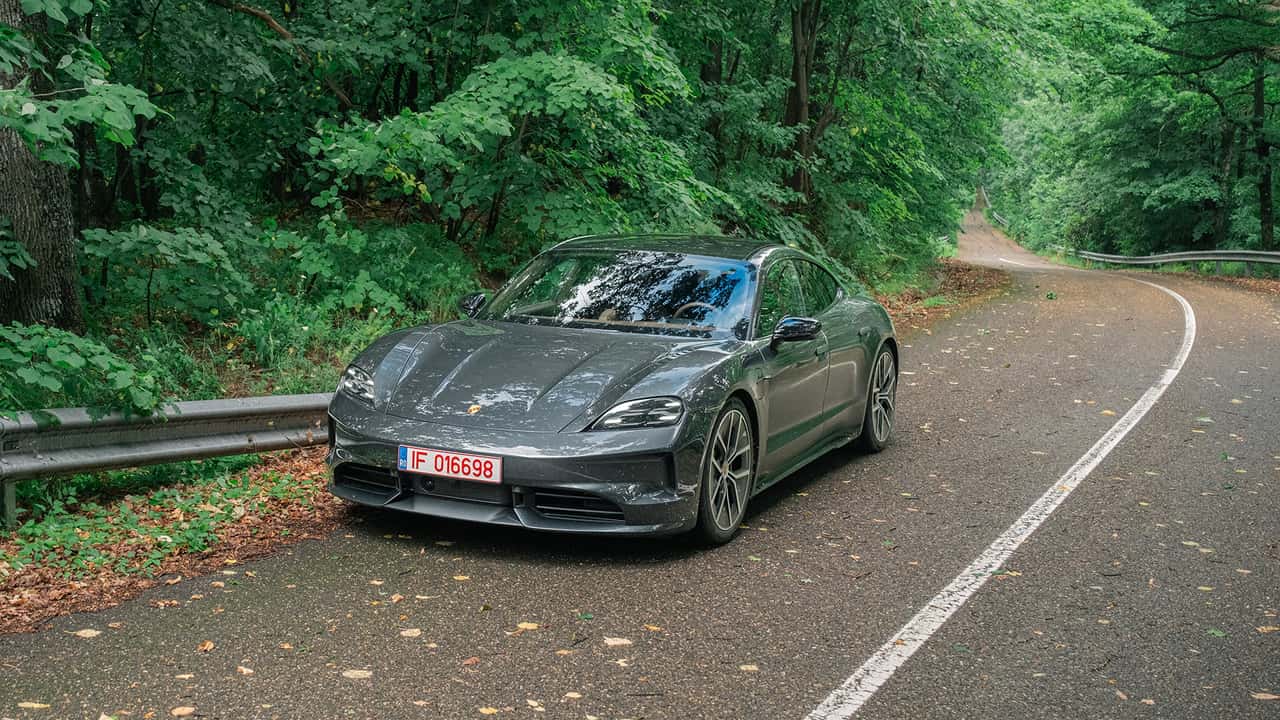
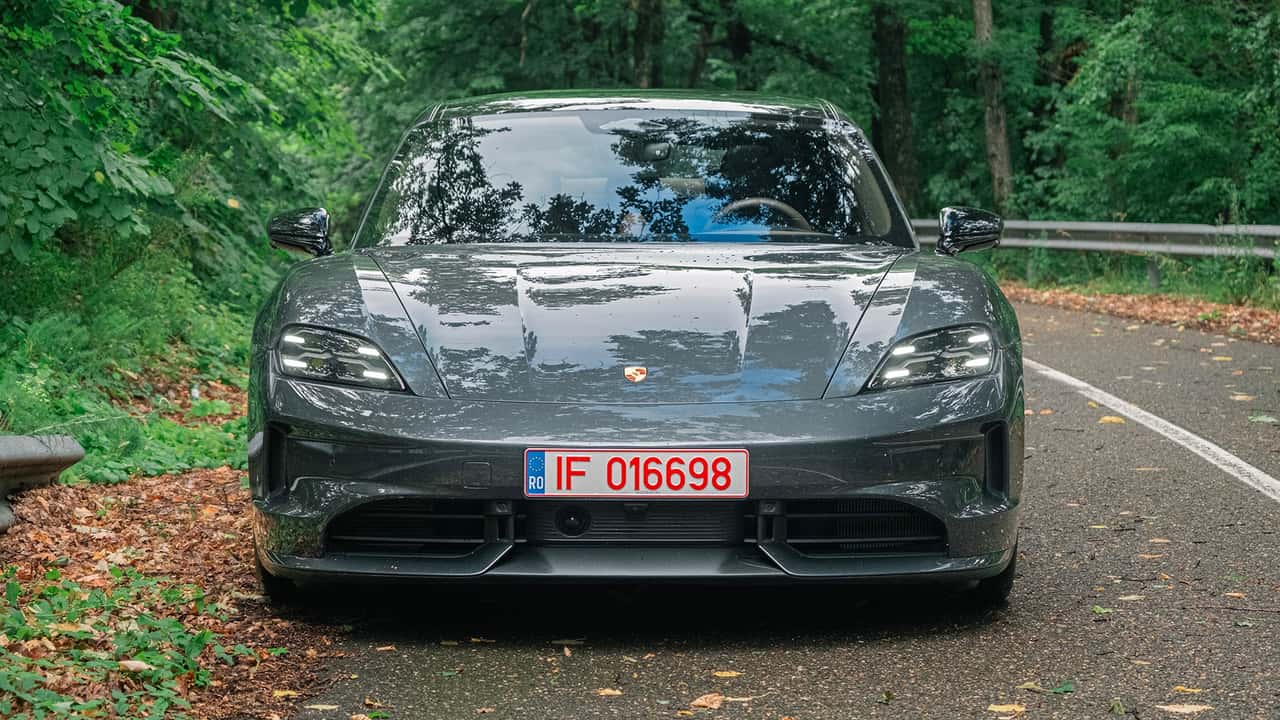
This brings me to my recent drive of the refreshed 2026 Porsche Taycan a few weeks ago. You can optionally add the simulated engine and cog swapping if you want, but my tester didn’t have it. Sure, I would have liked to experience it on a Taycan to see what it feels like in a sedan, but I frankly didn’t miss it.
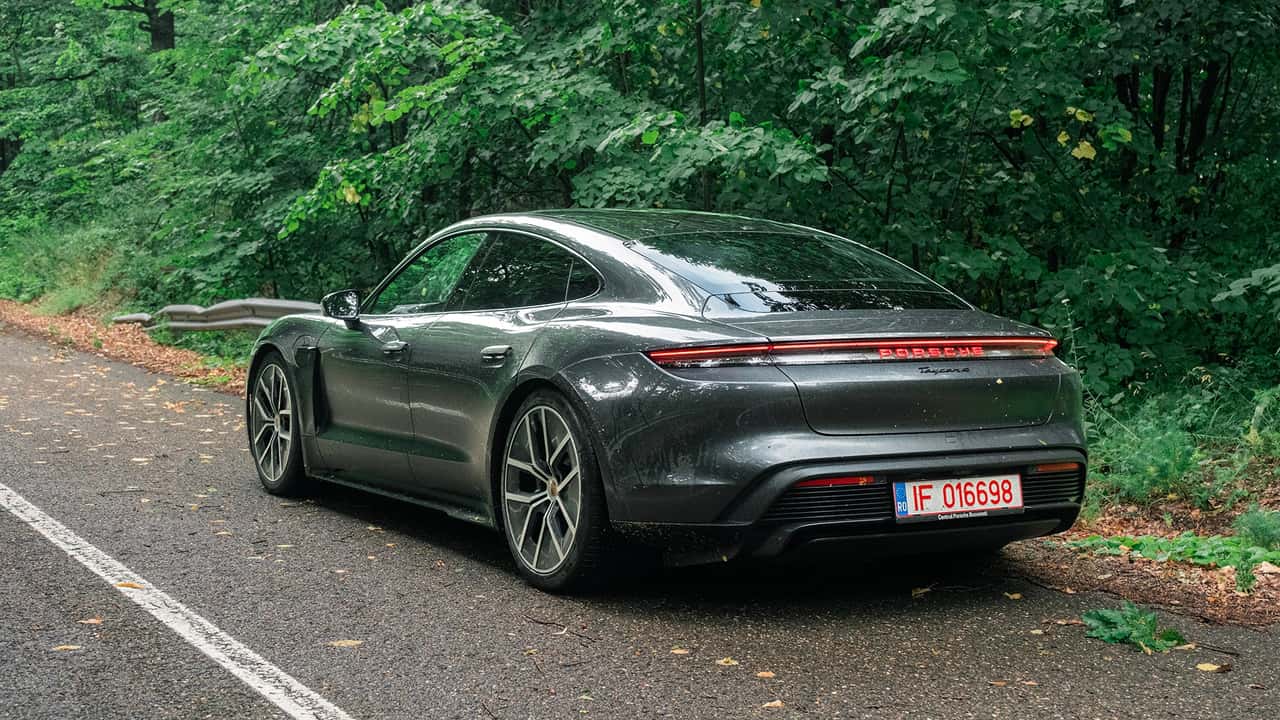
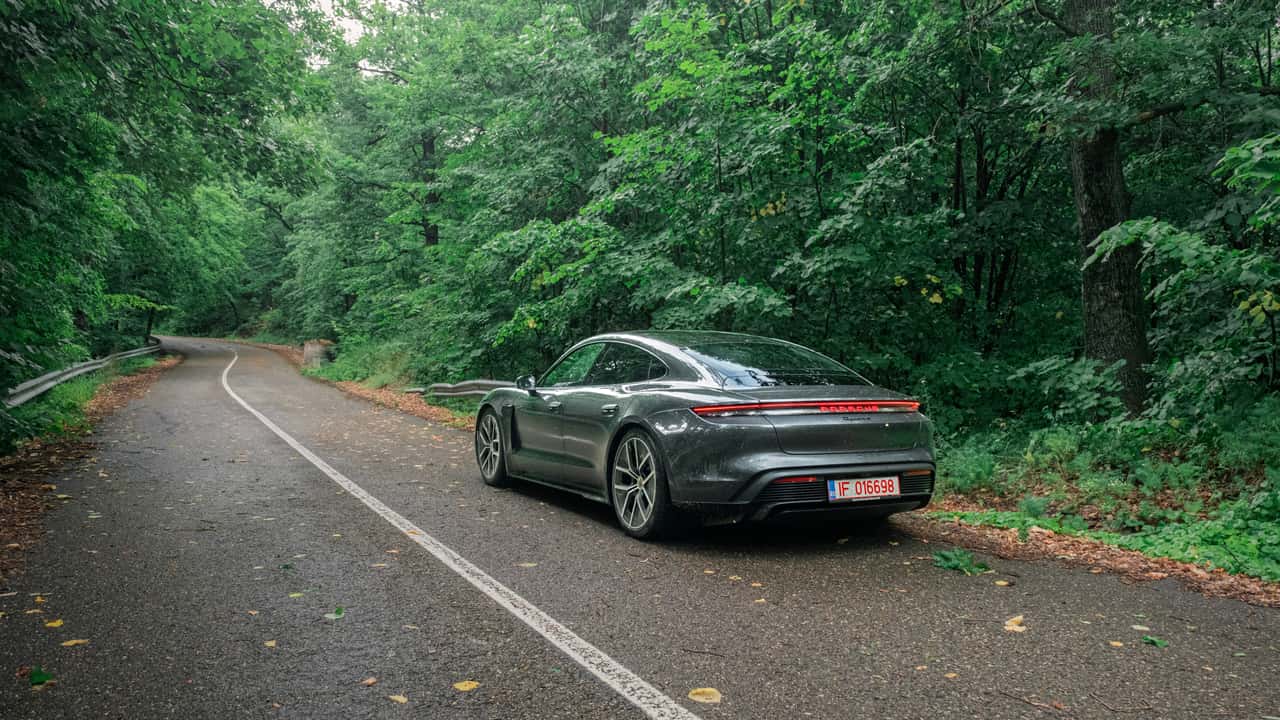
The Taycan is such an accomplished driving experience that it rewards the keen driver even while completely silent. I’ve never driven another car quite like it, regardless of what powered it. Put another way, the Taycan is a corner-carving weapon, and it’s better than most other performance cars I’ve tried. I didn't need anything fake to have fun.
Its chassis is so neutral, poised, and predictable that I quickly fell into a rhythm and gained huge confidence on a bendy road. It flowed from corner to corner in a way I hadn't experienced before, and while threading corners together in it, the last thing on my mind was that it didn't have an engine or gear shifts.
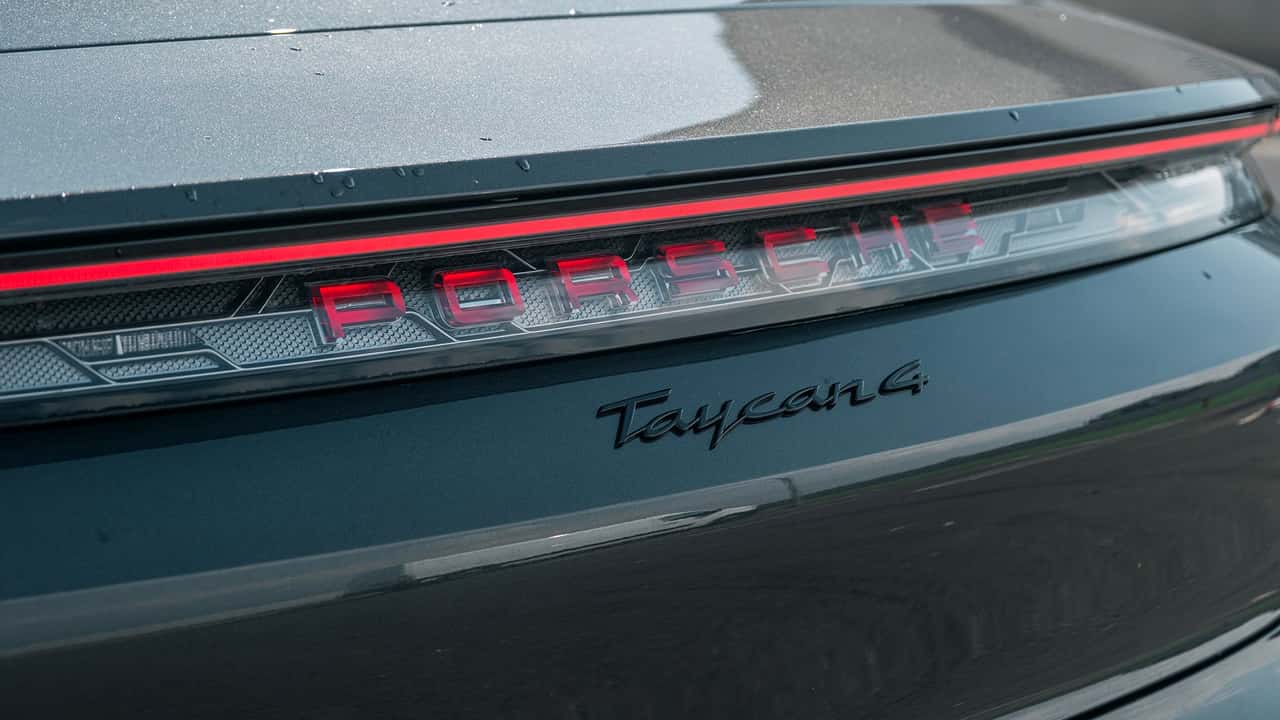
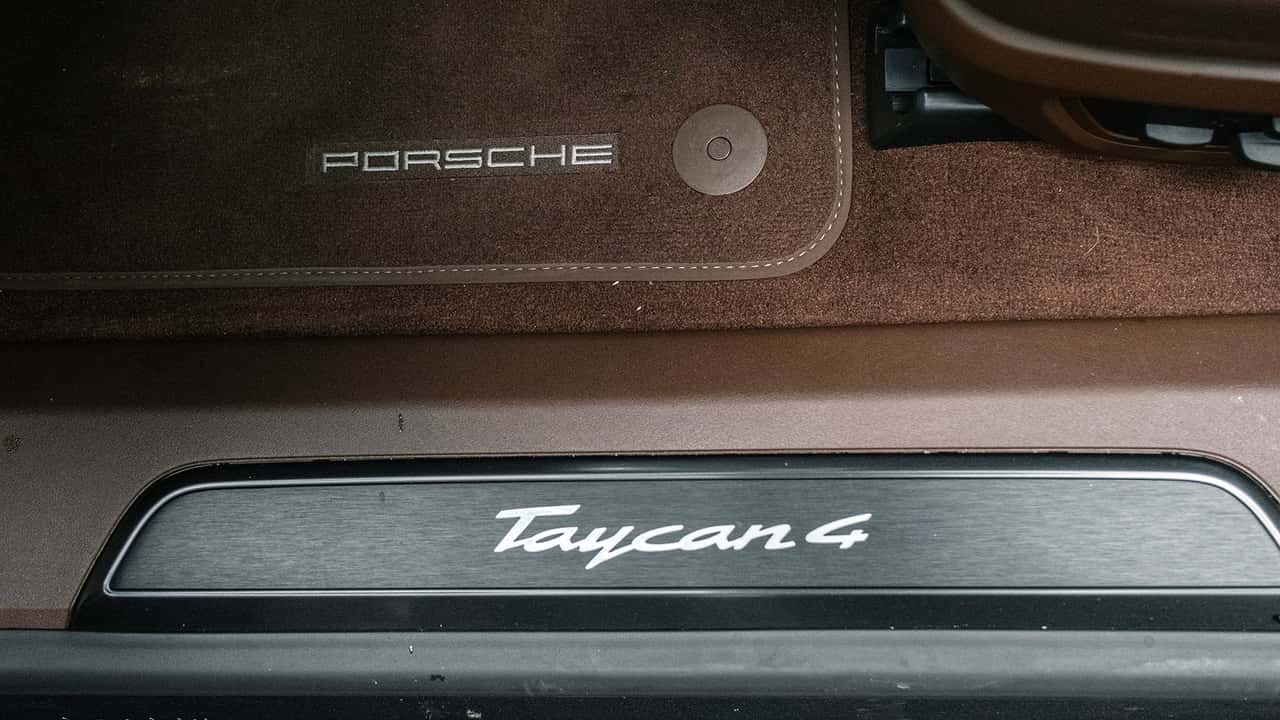
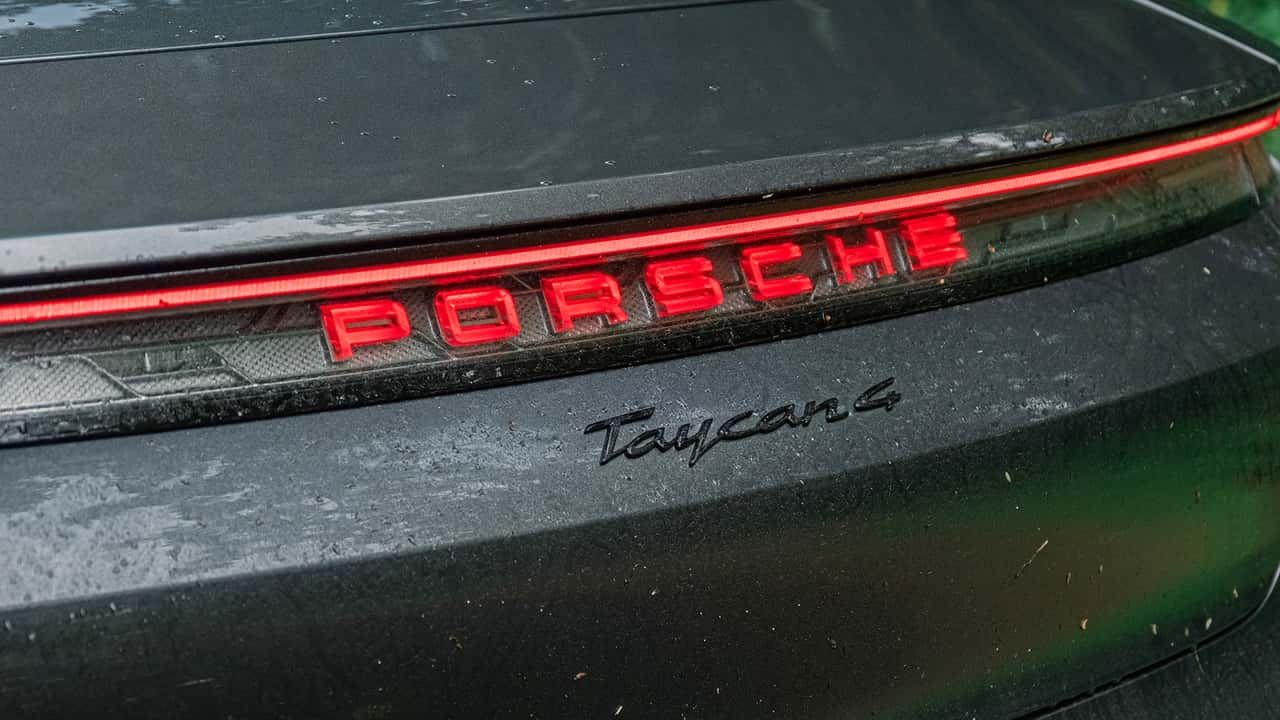
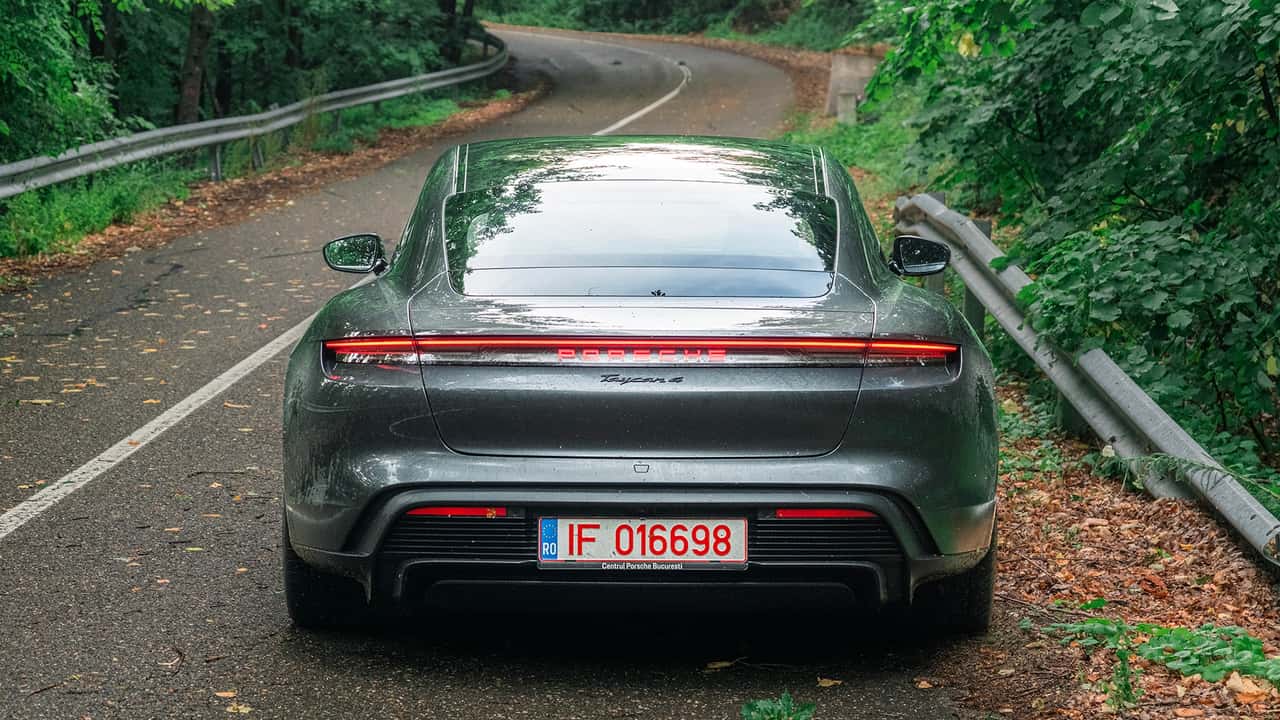
My Taycan 4 tester had the more basic spaceship-like acceleration sound. You need a sound to help you gauge your speed in an EV; otherwise, you have to keep checking the speedometer more often than you would in a combustion car. Having a sound, whatever it is, gives you a reference for when and how much to brake, which you can do more by feel if you also hear what the vehicle is doing.
This was the point a BMW engineer made when explaining how and why they created the acceleration sound for the upcoming electric M3. He argued that it’s about having an audible reference to gauge your speed, rather than recreating a gas-car-like experience.
That resonated strongly with me. It reminded me of the spirited drives I've taken in the Tesla Model 3 Performance. It’s a fantastic driving car and provides the closest experience to the Taycan you can get at that price. But having no sound at all isn't ideal, and truly dulls the experience.

2027 Porsche Taycan 'shift' paddles
Photo by: Porsche
Sometimes I carried a little more speed than I'd like into corners and was pretty alarmed when I glanced at the speedo, so I had to brake really hard to stay on the road. This has never been an issue when driving combustion cars, regardless of whether they are performance-oriented or not.
The second issue is less intuitive accelerator modulation: judging how much power you’re feeding in as you balance the car through a bend and accelerate out of it. A sound that responds to accelerator input adds another layer of feedback, potentially making those adjustments feel more natural. Research supports sound’s role in perceived power delivery, though that doesn’t establish that silent EVs are inherently harder to control.
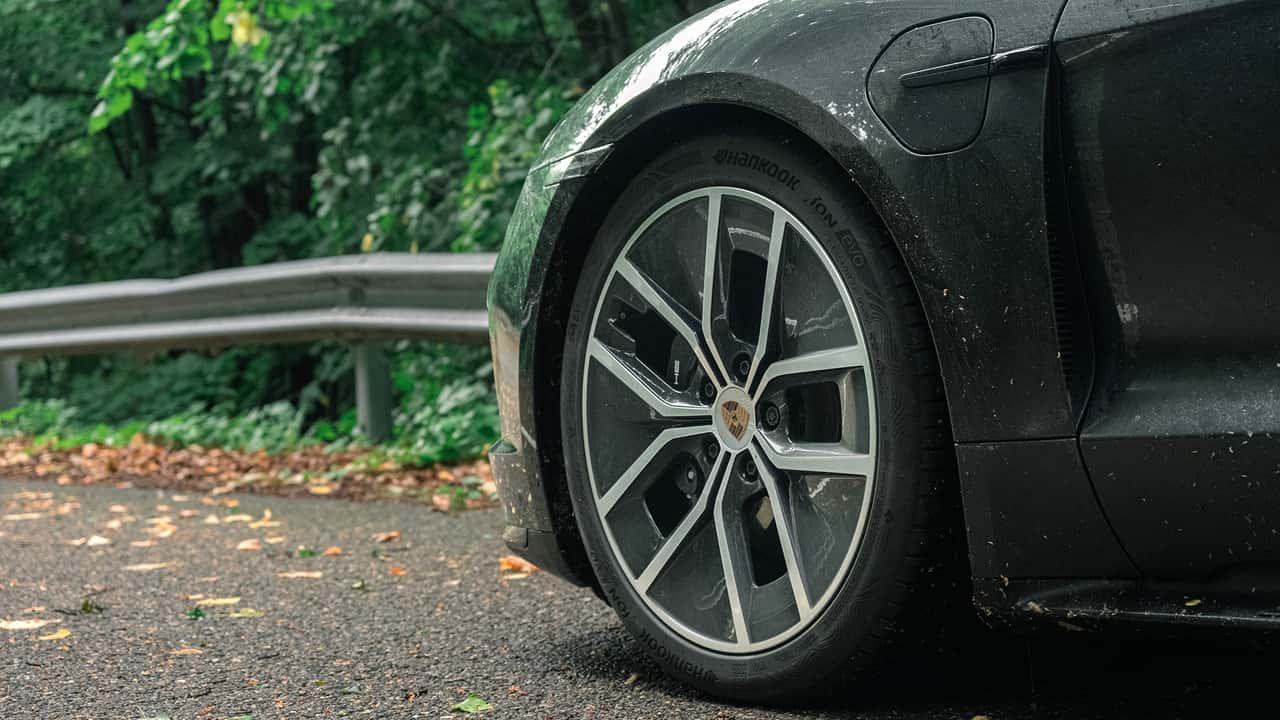
The flipside of a completely silent EV is that all other sounds the car makes feel amplified. The most important of these comes from the tires, and you can hear how close you are to the limit of grip in an EV more clearly than in a combustion car. This sound is usually drowned out by the engine, but in an EV you can start to appreciate how it subtly changes depending on where you are in its grip range.
The Genesis GV60 Magna Has 641 HP And Fake Gears. We Finally Know How Much It'll Cost
VW’s Hottest Electric GTI Will Have Fake Gears
Porsche's Simulated EV Gear Shifting May Feel So Real, You Can't Tell The Difference
Honda’s Cutest EV Also Has Simulated Gear Shifting
In the Taycan you have no trouble hearing what the tires are doing, and it really helps you correct your line through the accelerator and brakes. If you simulate an engine, lifting off doesn’t make the noise go away, and adding that artificially in an EV makes it harder to hear what the tires are doing.
As much as I think believably faking combustion in an electric car is cool and an impressive technical achievement, I could easily live without it, even in a performance EV.
The new Porsche Cayenne Electric is also available with the fake shifting, but the one I drove last week in the Eurocharge by Schaeffler EV road trip didn’t have it. It had the same kind of gearless acceleration sound as the Taycan I tried, but here it sounded like a futuristic V-8 fueled by something that isn’t yet on the periodic table.
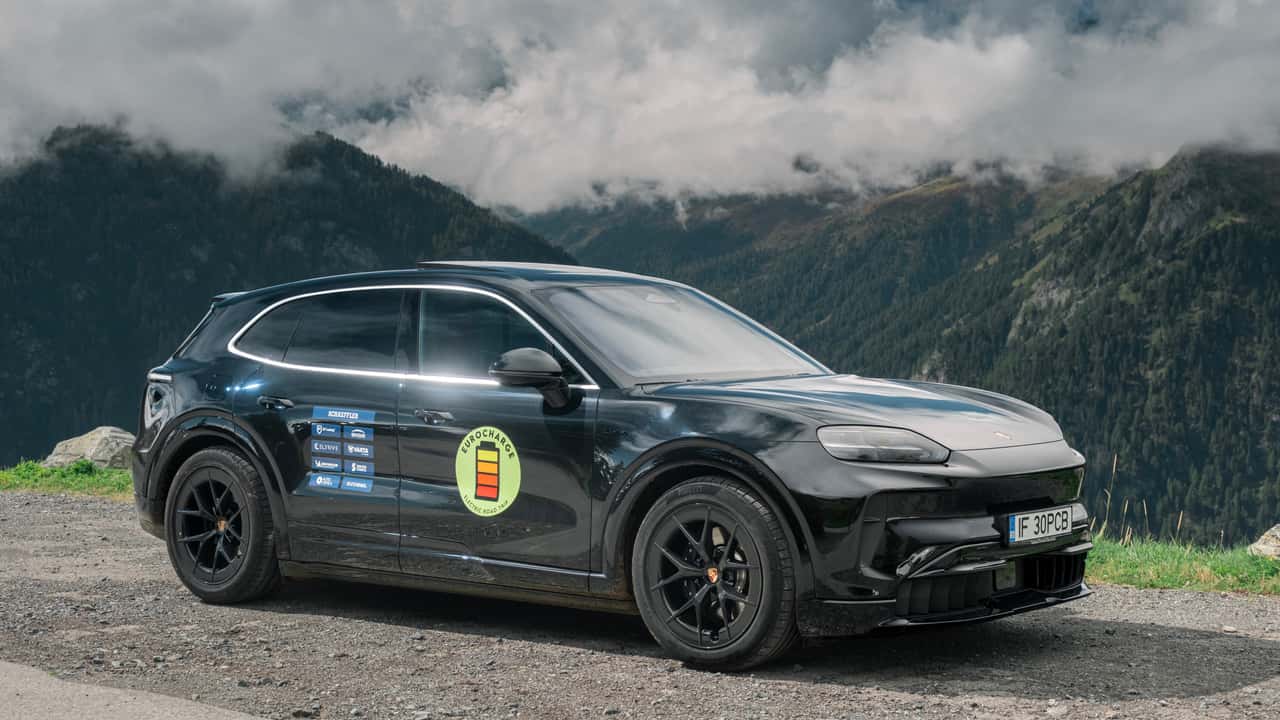
Porsche Cayenne Electric on the Grossglockner pass
Photo by: Andrei Nedelea
It was perfectly adequate for conveying speed as I briskly descended Austria’s stunning Grossglockner high Alpine pass. It added something without forcing me to shift pretend gears that slow the car down just to make it feel like something it isn’t. That doesn't sit quite right with the purist in me.
What interests me now is what we’ll eventually get nostalgic about. Someone learning to drive today might one day remember an early performance EV as fondly as we remember a naturally aspirated straight-six. They may even complain that the new cars have lost something. I’d quite like manufacturers to give that person something original to miss, rather than a software reenactment of their dad’s gearbox.



]]> contact@insideevs.com (Andrei Nedelea) https://insideevs.com/features/810445/porsche-taycan-fake-gears-reevaluated/ https://insideevs.com/features/809886/us-fuel-economy-standards-rollback/ Mon, 28 Sep 2026 16:57:04 +0000 America's Clean Car Retreat Is Complete. The World Will Move On Without Us U.S. regulators are trying to slow down the transition to EVs. But Europe and China aren't going to wait up for us.
The Trump administration dramatically rolled back fuel economy standards on Monday, easing Biden-era requirements that were pushing automakers towards selling more EVs. It solidifies a two-track path to the future, where Europe and China aggressively electrify, while America joins Japan and some developing markets in staying hooked on gas.
All of this was avoidable. None of it is surprising. And it leaves big, big question marks about whether American firms can stay relevant globally.
What Changed
For the past decade, regulators in the U.S., Europe, China, Japan, and Korea have steadily tightened fuel economy and emissions requirements, often alongside incentives for zero-emissions vehicles. All of the major auto markets seemed to recognize the importance of decarbonizing and decreasing our reliance on fossil fuels.
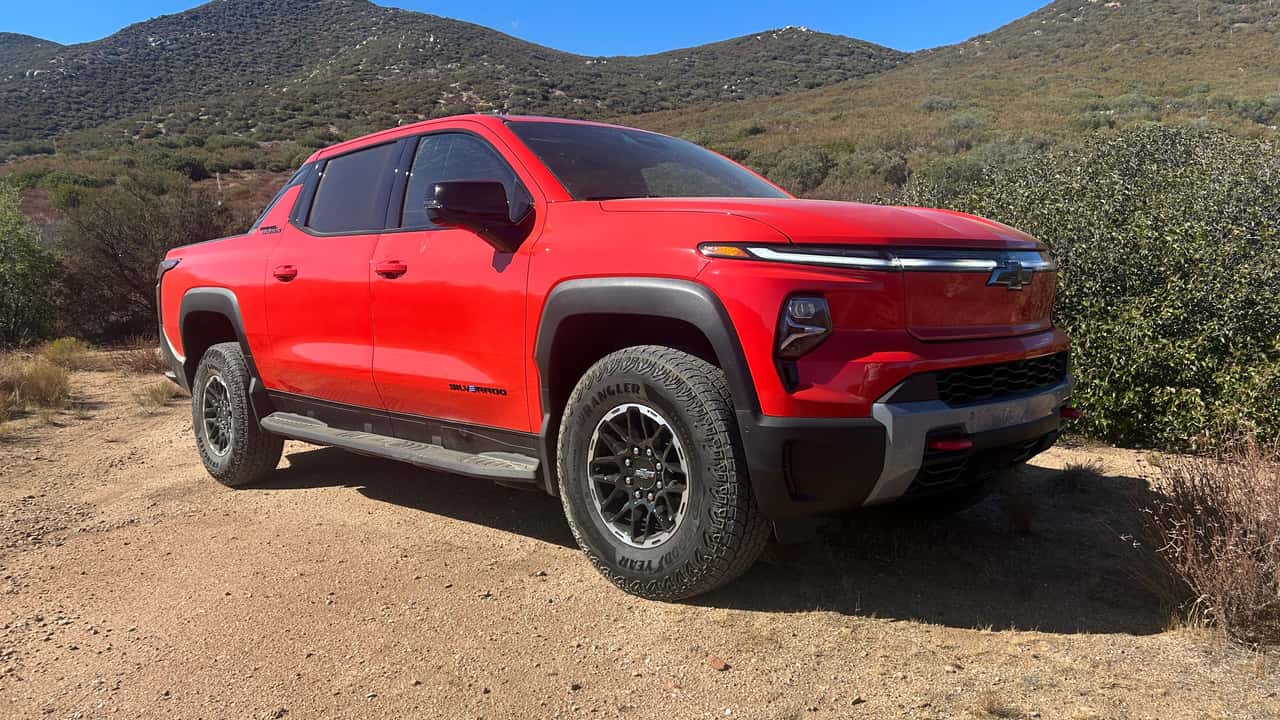
America's truck-heavy car culture was always going to take a while to warm to EVs. But regulatory whiplash isn't going to help smooth the process.
Photo by: Mack Hogan/InsideEVs
In the U.S., this never meant a “mandate” for automakers to primarily sell battery-powered cars. But it did involve high enough fuel economy standards that, for most manufacturers, selling EVs or other zero-emissions vehicles seemed to be the only way to hit them. A slew of federal incentives for clean vehicle factories and point-of-sale incentives for consumers further pushed the market in that direction.
At the same time, California had even stricter rules. The state received a waiver from the federal government to set its own, stricter standards back in the 1970s and had ratcheted up the pressure since. While there was never a federal “EV mandate,” as Trump likes to claim, California required automakers to offer zero-emissions vehicles and increase sales over time. The state enacted legislation to require all new vehicles to be zero-emissions by 2035. Since 17 states and the District of Columbia follow California’s rules, this was a big deal. But the Republican-controlled Congress and Trump administration revoked California’s waiver to set its own rules last year, killing America’s strictest standards.
They have also axed the federal tax credit and federal grants for clean manufacturing projects. Earlier this year, Trump’s Environmental Protection Agency eliminated greenhouse-gas emissions rules for tailpipes, dealing another blow to the clean-car transition.
Until today, another big piece of U.S. vehicle regulation remained, on paper at least. The Corporate Average Fuel Economy (CAFE) standards set increasingly tight fuel economy standards on a fleet-wide basis. The rules approved under the Biden administration set the goal at 50 miles per gallon fleet-wide by 2031, a threshold that would be tough to hit without leaning on EVs. But the revised rules set the target at 34.5 mpg, which is lower than the 2016 requirements.

The regulatory rollback has led many automakers to nix EV projects. The Honda 0 Saloon, pictured, was supposed to go on sale soon. Instead, Honda killed it.
Photo by: InsideEVs
Today’s rollback is largely symbolic; Congress already took the teeth out of the CAFE rules last summer when it reduced the penalty to automakers for missing the targets to zero.
But the symbolism matters. While the rest of the world is quickly moving to electric cars, American regulators are pushing the other direction, arguing that looser regulations will help drive down car prices and preserve consumer choice. That may be popular in the short term. More and more, though, it seems like America could get left behind.
The World Moves On
China has already largely electrified its passenger car fleet. Sixty percent of cars sold in the country are New Energy Vehicles, which includes EVs, plug-in hybrids, and fuel-cell vehicles. In Europe, purely electric vehicles are now more popular than pure gas or diesel cars. In South Korea, about 20% of cars sold are EVs.
The U.S. is nowhere near that figure. EVs accounted for 5.7% of light vehicle sales in August, according to Cox Automotive, and didn’t even hit 10% market penetration before the tax credit went away. California is closer, with about 19% EV market share in the second quarter, per the California Energy Commission. Industry watchers expect those numbers to grow over time, but far more gradually than they would have under more favorable policies.
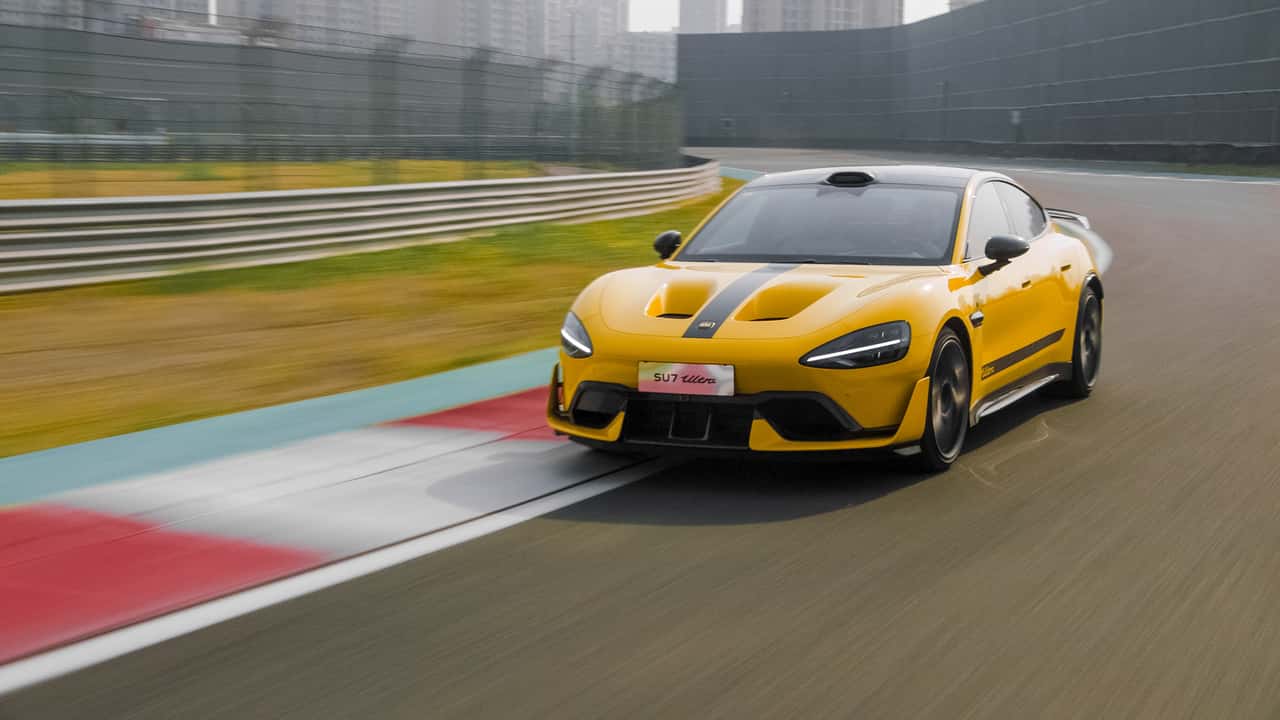
As legacy brands slow-walk electrification, upstarts from China are zooming ahead.
Photo by: Xiaomi
What It Means For The Future
China is not slowing down. The staggering number of EV and NEV brands in the country are caught in a price war, dramatically pushing down prices and making EVs far more cost-competitive. But the impact these companies are having outside of China may be even more consequential. Saddled with lots of manufacturing capacity and facing a tough market at home, many are using exports to boost their balance sheets. Their cars can trounce local competitors in markets that don’t have great electric options.
We’ve already seen that play out in Europe, where Chinese brands now outsell Japanese ones. More and more models arrive every day, and even with tariffs to level the playing field, they’re quickly snapping up market share from local competitors. As European brands struggle at home and watch their businesses collapse in China—partially because their EVs can’t match Chinese ones—it looks like a warning against not taking the EV transition seriously enough.
American brands are protected for now. It is effectively impossible to sell a Chinese EV here, at least for now. But that doesn’t mean U.S. automakers are completely insulated. They will soon face tougher competition from European, Korean, and Japanese automakers, hardened as they are from duking it out with Chinese brands all over the world.
Emboldened by shifting policies, American companies, meanwhile, are focused on other things. They’re launching the largest mass-market V-8 truck engine ever. They’re retooling EV factories to focus on gas SUVs. They’re putting the Hellcat motor wherever they can fit it.
That may make them money today. But in a world that is rapidly moving to electric vehicles, American automakers risk becoming old-school proprietors of yesterday’s tech.
Contact the author: Mack.Hogan@InsideEVs.com
]]> contact@insideevs.com (Mack Hogan) https://insideevs.com/features/809886/us-fuel-economy-standards-rollback/ https://insideevs.com/features/809673/bentley-torcal-geely-ev-charging-ceer-exobot-podcast/ Sat, 26 Sep 2026 11:00:00 +0000 Bentley Goes Electric As China's EV Charging War Gets Ridiculous On this week's Plugged-In Podcast, we talk Bentley Torcal, Geely's 2.2-megawatt charger, and more.
Spending deep six figures on an ultra-luxury car is, for most of us, impossible to comprehend. That's house money. Or college fund money. And why would anybody drop so much on a Bentley or a Rolls-Royce when a BMW or Mercedes seems plenty nice?
I've driven some of these vehicles myself. And while I wish I could tell you they're a total rip off, I can't. When I sampled the Rolls-Royce Spectre and Ghost a few years back, I was stunned by, well, basically everything about them.
There's a new EV on the block for ultra-high-net-worth individuals that I'm eager to test out, the Bentley Torcal. It has over 300 miles of range, 400-kilowatt charging, and a price tag north of $200,000. On this week's Plugged-In Podcast, Mack and I break down what to know about the car and debate its (apparently controversial) styling.
You can find and subscribe to the Plugged-In Podcast on YouTube and across audio platforms like Spotify and Apple.
We also chat through some of the other notable EV news of the week. Saudi Arabia's new Ceer Exobot EVs make the Cybertruck look like a Civic. But do they really matter for the EV race?
Age—not politics—is the real EV divide, according to new polling. We break down why that's both a gift and a curse for EV adoption going forward. And finally, Geely's latest shot across the bow at BYD is an EV charger that can output a ridiculous 2.2 megawatts. Oh, and cars that can take in about half that and charge in minutes. But how many ordinary EV owners can really benefit from megawatt charging?
We unpack it all on this week's show. Thanks for listening, and enjoy!
If you have any questions you want us to answer on air, or have suggestions for guests, drop us a line: Podcast@InsideEVs.com.
]]> contact@insideevs.com (Tim Levin) https://insideevs.com/features/809673/bentley-torcal-geely-ev-charging-ceer-exobot-podcast/ https://insideevs.com/features/806631/phev-battery-degradation-diaries/ Tue, 22 Sep 2026 19:34:29 +0000 PHEV Batteries Take A Beating If Used Right. But They Still Last A PHEV’s smaller battery pack cycles far more often than EV batteries, and that extra workload can add up.
Plug-in hybrids are often described as the best of both worlds. They offer a lot of pure electric driving—over 100 miles in some Chinese models—while also providing the safety net of a conventional combustion engine. PHEVs have a lot going for them, and buying one can certainly stave off the range anxiety of a pure EV. But how much should you worry about its battery?
After all, to make the most of such a powertrain, you need to plug it in a lot. All EV batteries lose capacity over time as drivers charge and discharge them over and over again. And because PHEVs have a fraction of a pure EV’s battery capacity, they can go through a lot more charging cycles.
Welcome to Degradation Diaries, my column that breaks down everything you need to know about how EVs age.
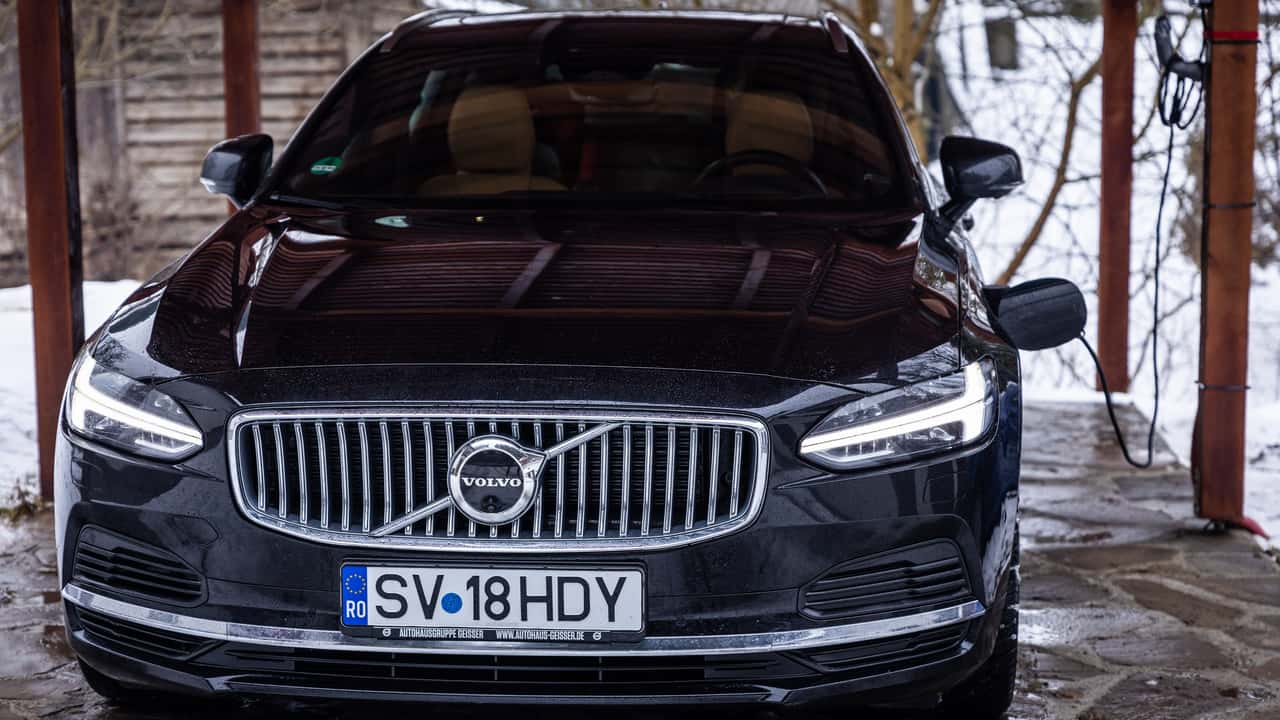 Photo by: Iulian Dnistran / InsideEVs
The difference can be significant. Over 100,000 miles of electric driving, a 300-mile EV would theoretically complete around 333 full-equivalent cycles, while a PHEV with 40 miles of electric range would need roughly 2,500.
Those cycles can also frequently take PHEV batteries from nearly empty to full, which we know can harm EV batteries. Driving 30 or 40 all-electric miles daily might require topping up an EV once per week or less, whereas a PHEV might get fully recharged and depleted every day.
On top of that, most PHEVs use nickel-based lithium-ion batteries, typically nickel manganese cobalt (NMC), because they deliver higher energy and power density in a compact pack. These high-nickel battery packs will experience accelerated capacity loss if they spend a lot of time at very low or very high states of charge. And that could be more common among PHEVs.
So, is it all a cause for worry? Maybe not, at least according to one large study. Germany's ADAC published the largest real-world look at plug-in hybrid battery degradation in late 2025, in collaboration with battery testing specialist Aviloo. They analyzed around 28,500 battery health measurements from BMW, Ford, Mercedes-Benz, Mitsubishi, Volkswagen Group, and Volvo PHEVs. They confirmed that the small-battery issue contributes to battery aging.
“Especially when PHEVs are used intensively in electric mode, their batteries quickly go through a high number of charging cycles,” the study said.
ADAC divided the cars into groups according to how much of their driving was electric and found that “vehicles with high proportions of electric driving have, on average, noticeably lower battery health values than vehicles with low proportions of electric driving.”
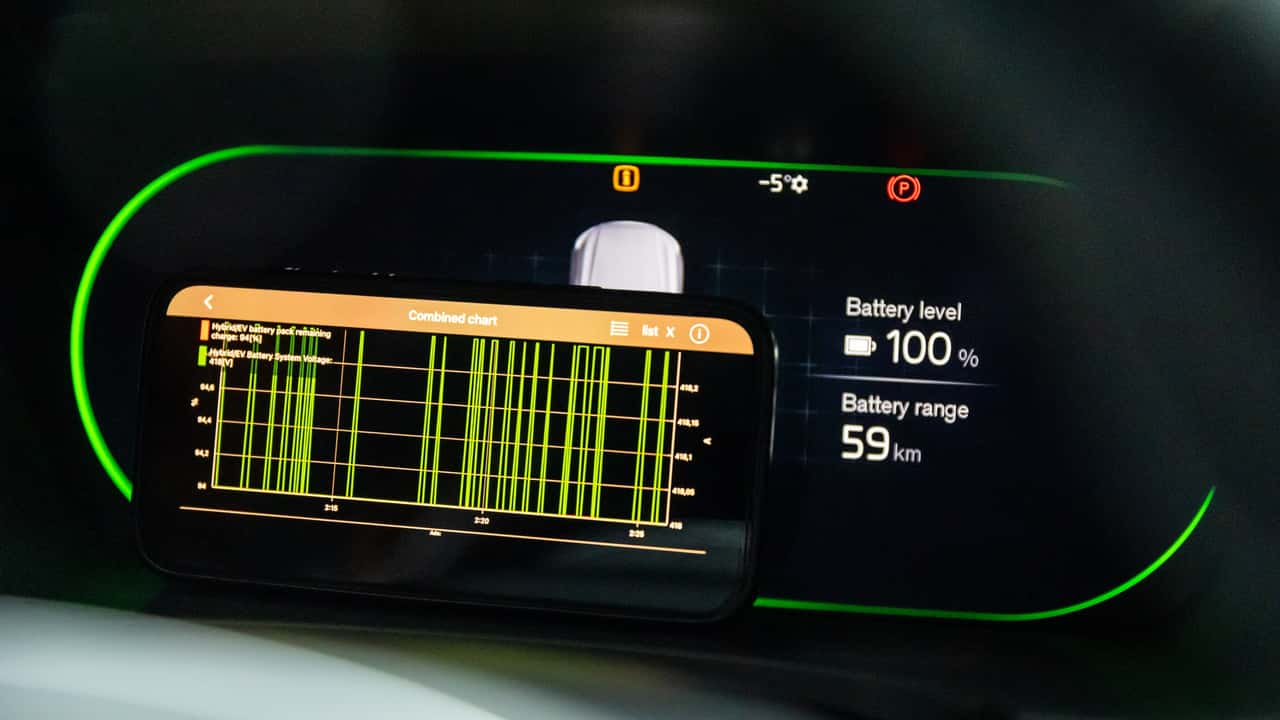 Photo by: Iulian Dnistran / InsideEVs
According to the study, at 100,000 km, the least used batteries averaged roughly 94% state of health, compared with about 85% for the most heavily used group. By 200,000 km, the respective trend lines were at roughly 91% and 82%.
Notably, battery aging also depended heavily on the manufacturer. Mercedes PHEVs aged well even at high mileage, while Volkswagen Group and Volvo also mostly appeared trouble-free. BMW’s results were all over the place, showing a visible link between electric use and degradation. Ford batteries lost capacity earlier than the others, while Mitsubishi performed worse, coming in last by a large margin.
Even so, ADAC concluded that most batteries should last an average vehicle’s lifetime and set longevity benchmarks owners can keep in mind. It suggested that a healthy PHEV pack should retain at least 92% of its original capacity at 31,000 miles (50,000 km), 88% at 62,000 miles (100,000 km), 84% at 93,000 miles (150,000 km), and 80% at 124,000 miles (200,000 km).
Plug-In Hybrids Have An Emissions Problem. Carmakers Want To Delay The Fix
BYD's PHEV Pickup Just Landed In The U.K. But Americans Still Can't Have It
BMW Buyers Turned To Plug-In Hybrids As EV Demand Softened In 2025
This Hot New Plug-In Hybrid Acts Like An EV—Complete With DC Fast-Charging
A growing body of research shows that you don’t have to worry much about EV batteries failing fast. It doesn’t look like PHEV batteries deteriorate too differently—even though they take a serious beating.
ADAC’s data suggests manufacturers have largely engineered these packs to withstand the workload of lots of electric driving, with most retaining plenty of useful capacity even after high mileage. So while frequent electric driving does appear to accelerate degradation, that’s no reason to avoid using a PHEV as intended.
]]> contact@insideevs.com (Andrei Nedelea) https://insideevs.com/features/806631/phev-battery-degradation-diaries/ https://insideevs.com/features/808817/ev-charging-podcast-tesla-roadster/ Fri, 18 Sep 2026 19:52:18 +0000 What If We're Thinking About EV Charging All Wrong? On this week's Plugged-In Podcast, we talk curbside charging, the Tesla Roadster 2.0, the Mercedes GLC, and Ford Fathom.
People often ask me if I drive an EV myself. I have to sheepishly say that no, I don’t, and that yes, I’m aware it’s very off brand.
Price is part of it, of course. But charging is the bigger issue.
As much as I’d like to give up gas, I don’t have a garage or driveway to charge in. Strangely enough, even in a super EV-friendly place like the Bay Area, Level 2 charging infrastructure for street parkers is sorely lacking. A few curbside posts in my neighborhood would make all the difference. Especially since the most budget-friendly used EVs—like the old Chevy Bolt or Nissan Leaf—suck at DC fast charging anyway.
This week on the Plugged-In Podcast, Mack and I spoke with Tiya Gordon, the cofounder and COO of It’s Electric, a Brooklyn-based charging company tackling this very issue by bringing Level 2 plugs to city streets.
[We also discuss the upcoming Tesla Roadster unveiling, Mack's drive in the Mercedes GLC EV, Volvo's new XC90 and XC60 PHEVs, the Ford Fathom, and more of the week's biggest EV and tech news.]
DC fast charging gets far more attention than slower infrastructure. But the biggest advantage of EVs is that they can be charged anytime they’re parked. However, that lifestyle has long been reserved for Americans with home charging. In a dense city like New York, Boston, or San Francisco, not everyone has that luxury.
“When you park your car on the street, you don't have that option,” she said. “So we're looking to bring that home charging opportunity to street parkers.”
When it comes to curbside charging, the U.S. is far behind countries like the U.K., Germany, and Norway. One reason, Gordon says, is that in most cities the accessory power runs at less than 220 volts. It means Level 2 chargers need to get power directly from the utility, running up installation costs. So It’s Electric designed its chargers to get power from buildings instead.
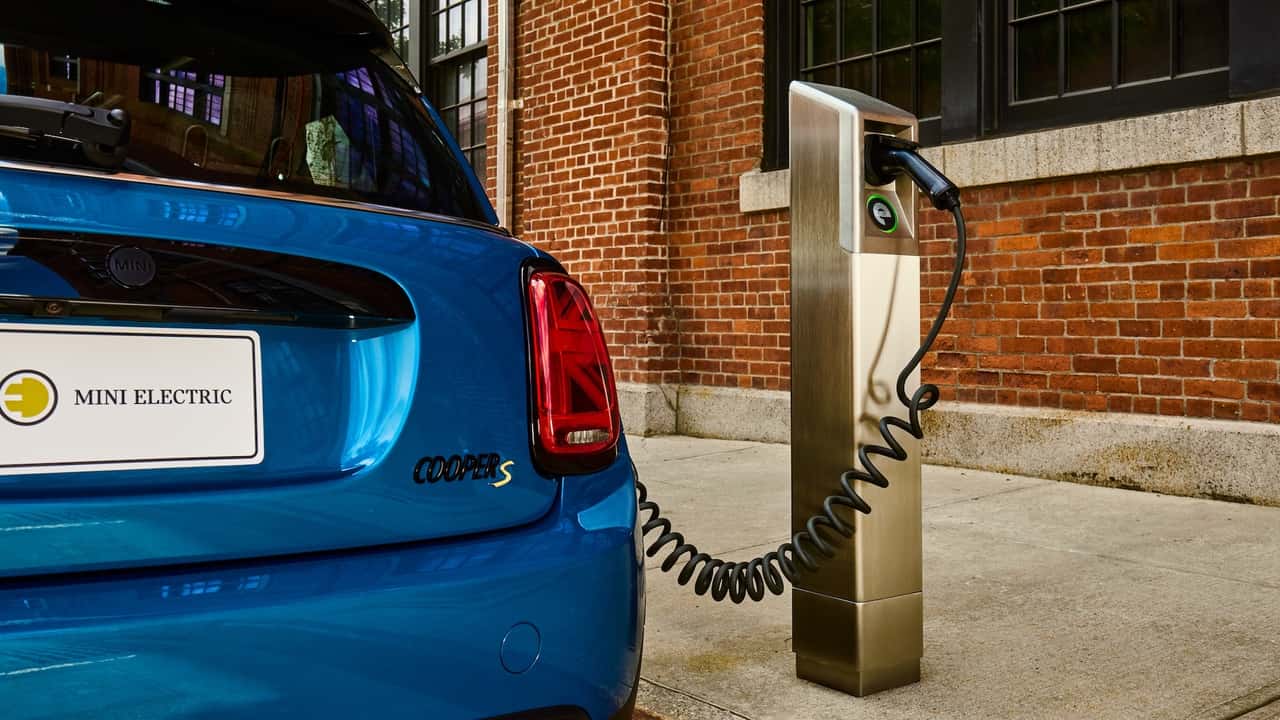
It's Electric's chargers are designed for the curb and don't have built-in charging cables.
Another quirk of It’s Electric’s hardware: You need to bring your own cable, which the company will provide. Gordon says that eliminates the “biggest fail point” for chargers, whose cables are prone to getting stolen, dropped, or otherwise damaged. It’s also a popular way of doing things in Europe.
“We are not reinventing the wheel here,” she said. “We like to say: It's not weird, it's just European.”
Slowly, American cities are getting hip to the need for more curbside charging. This week, New York City selected It’s Electric to install 700 of its chargers throughout the five boroughs. It’ll be the eighth city the startup deploys in. Gordon hopes that seeing convenient charging options right in their neighborhoods will get more New Yorkers to consider going electric.
“No one’s going to buy an EV because of energy, because of climate. They’re going to buy it because it’s cheaper, it’s easier, and it’s more convenient,” she said. “So if you just make the right thing to do the easy thing to do, then everybody can win.”
This was a fascinating conversation, and you can check it out on audio platforms or on YouTube.
'Can't Be Done By One Company': This Startup Is Rallying A Team To Bring Solid-State Batteries To Life
Congress Advances Bill That Would Force Your EV To Have AM Radio
The Mercedes GLC Electric Drove 393 Miles Mostly On Highways With One Quick Charge
EV Charging Just Got Easier On One Of The Fastest-Growing Networks In The U.S.
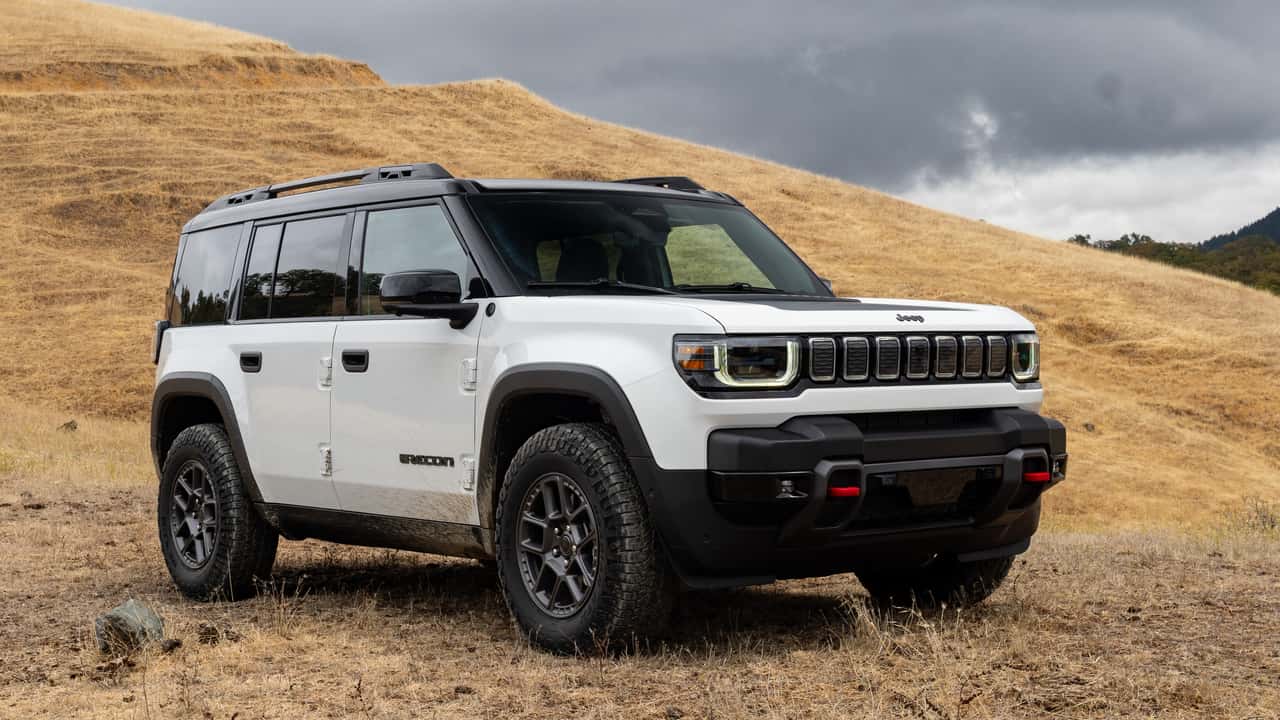
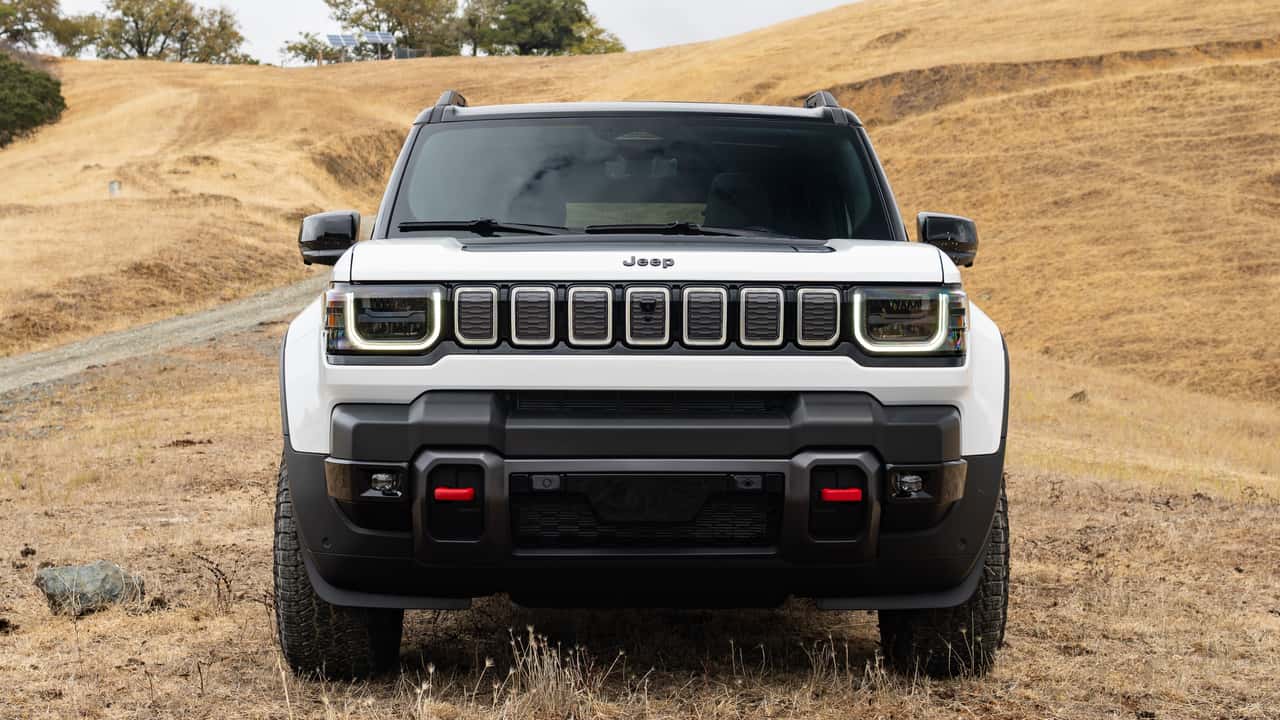
]]> contact@insideevs.com (Tim Levin) https://insideevs.com/features/808817/ev-charging-podcast-tesla-roadster/ https://insideevs.com/features/808009/jeep-recon-range-problems/ Sun, 13 Sep 2026 14:00:00 +0000 People Are Mad About The Jeep Recon's 222-Mile Range. Here's What They're Missing People want more range for less money without sacrificing any capabilities. That's... not how this business works.
When people first heard that the all-electric Jeep Recon Moab would offer under 230 miles of range, I remember the barbs. Journalists at the L.A. Auto Show last year were far from impressed. Then, last week, when I set out to drive the Recon, many commenters and critics agreed: Jeep should have made the EV go farther on a charge and cost less.
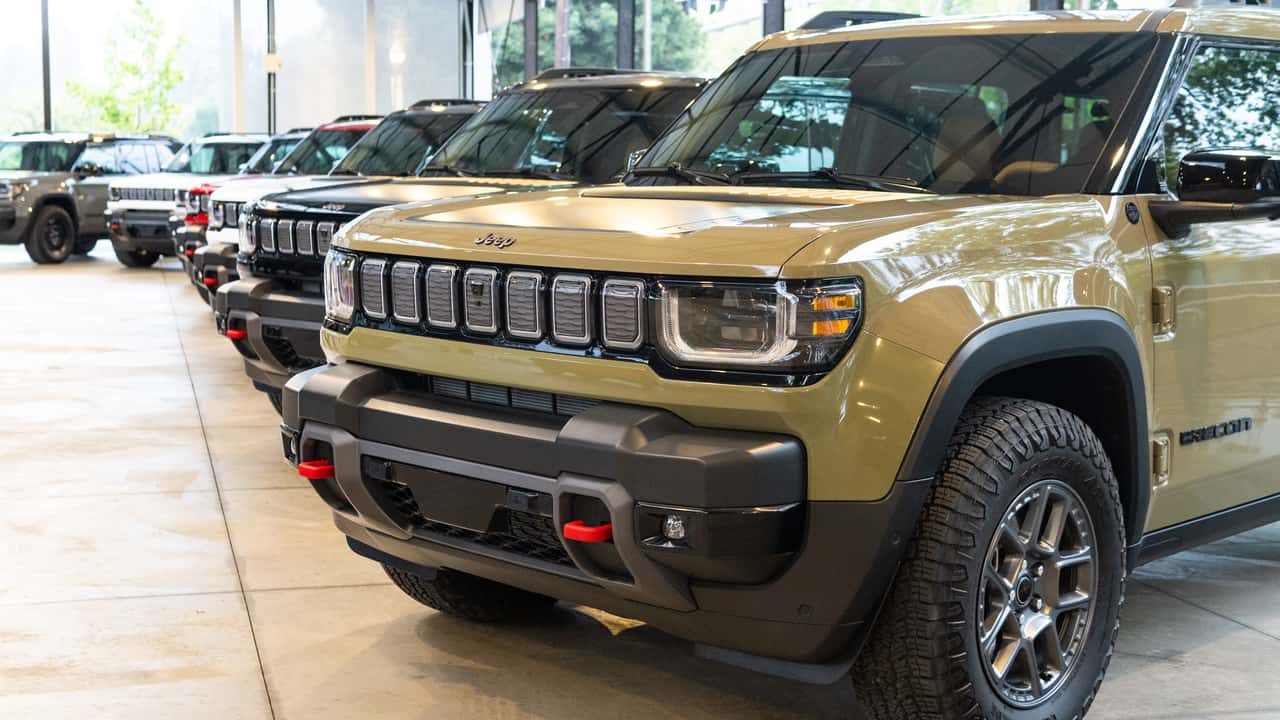
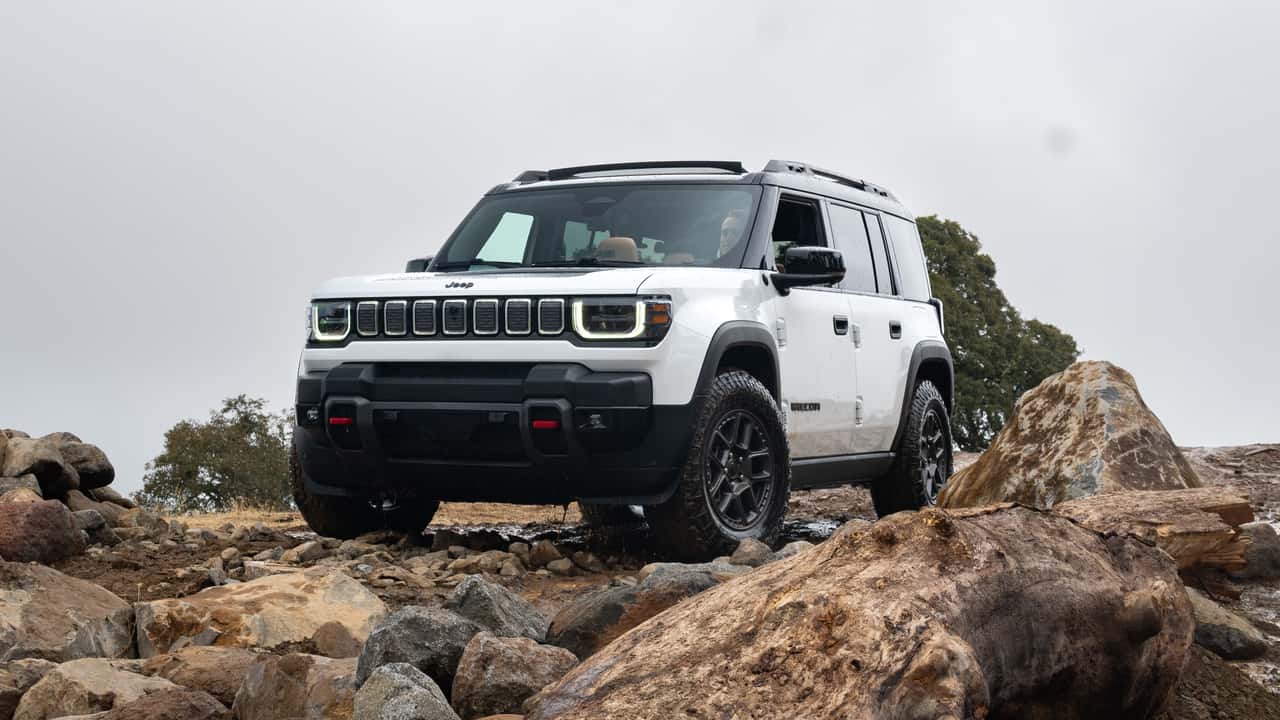
I certainly think that the Recon Moab's 222-mile range and $66,995 starting price hardly make it a a compelling mass-market vehicle. But that's not what it's supposed to be, and arguing that Jeep could have offered more range for less money without sacrificing capability is a fantasy.
That's not how this industry works, and it's not how off-roading works. Off-roading and car-building are both about the art of compromise. Getting great off-road capabilities, a great price, and great range are conflicting goals. And while the Recon Moab may have under-delivered on price and range, it did so for a better reason than critics may expect.
Range Or Capability: Pick One
If you drive a gas-powered, body-on-frame, 4x4 truck with lifted suspension and aggressive gearing, you are getting less than 20 miles per gallon. Probably closer to 10 or 15.
It's a fact of life. Off-roaders should understand this intuitively.
Tall suspension may give you more clearance when you're rock crawling, but it drastically increases air resistance. Knobby, large, all-terrain tires are great for digging through mud, but they're horribly inefficient at 70 mph, and loud to boot. A 4x4 system is extremely useful in slippery conditions, but any time it's engaged it's far less fuel efficient. Aggressive gearing increases your torque at the wheels, massively improving climbing, but the same engineering decision tends to leave your engine spinning fast and guzzling fuel when cruising on the highway.

My old Tahoe wasn't a real off-roader, but it had 33-inch AT tires, a 4WD system with low range, and a powerful V-8 engine for low-end grunt. The result: About 13 mpg city.
These truths are why a Toyota Prius looks nothing like a Jeep Wrangler. One is optimized for fuel efficiency, and the other for off-roading. You can improve the capability of a Prius quite a bit, as you can see here:
But to do so, you have to lift it, add bigger tires, and be willing to rip off that nice aerodynamic bumper. When you do so, say goodbye to 50 mpg. Improving capability off-road almost always makes vehicles less efficient on the road.
None of this is different on an EV. High ground clearance, dual-motor designs, large tires, boxy shapes, and aggressive gearing all ding your efficiency. But many of these things are not just nice to have for a vehicle designed for off-roading; they are necessary. You cannot claim to build an off-road vehicle if it has 6 inches of clearance and thin tires.
The Compromise Jeep Made
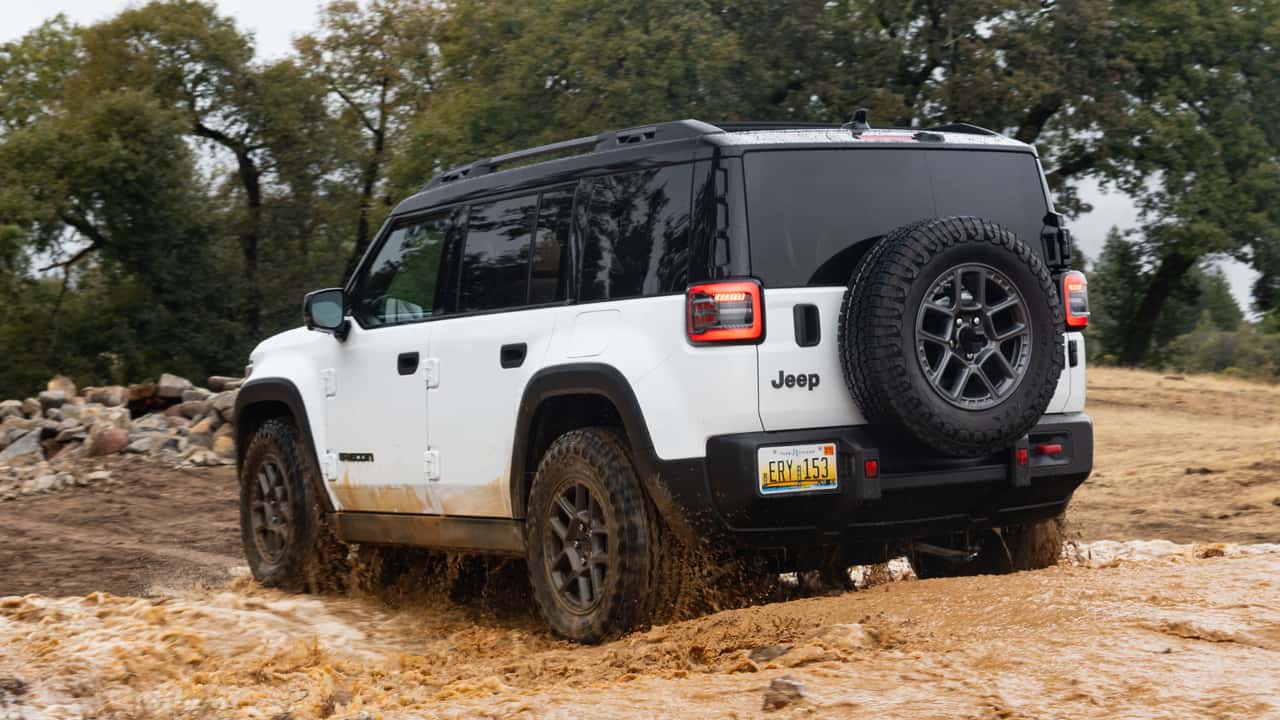 Photo by: Mack Hogan/InsideEVs
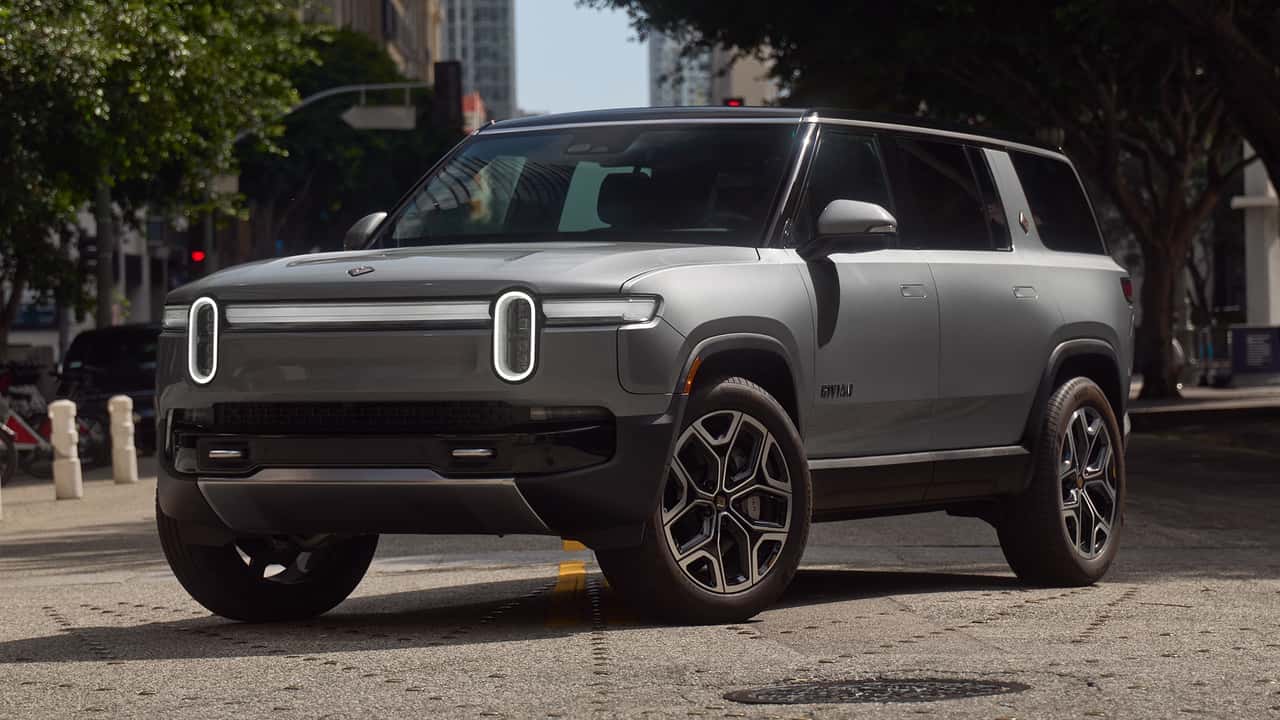
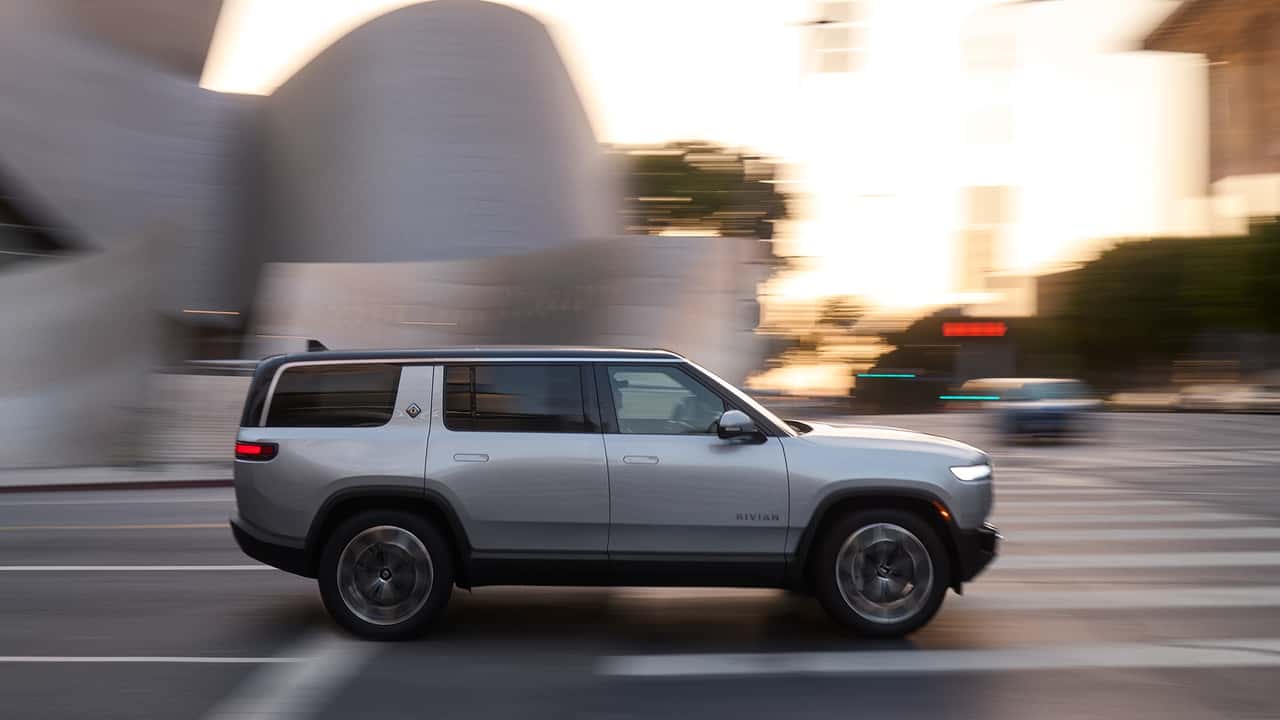
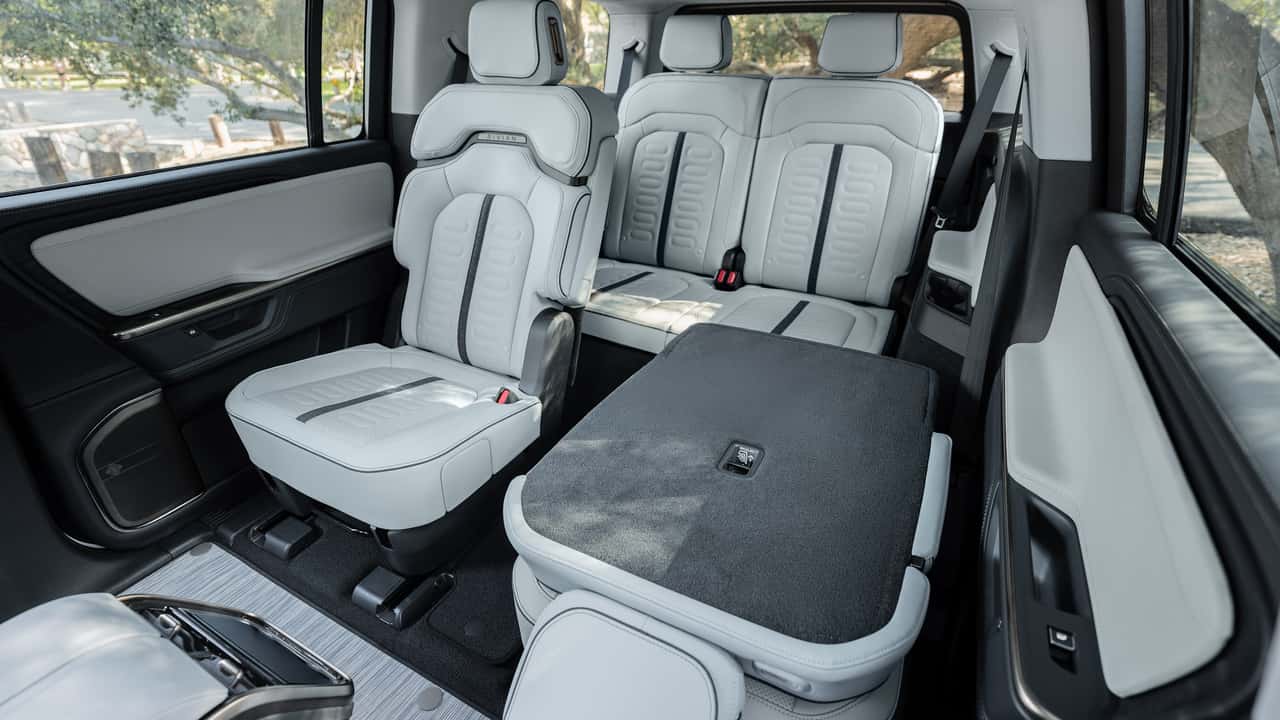
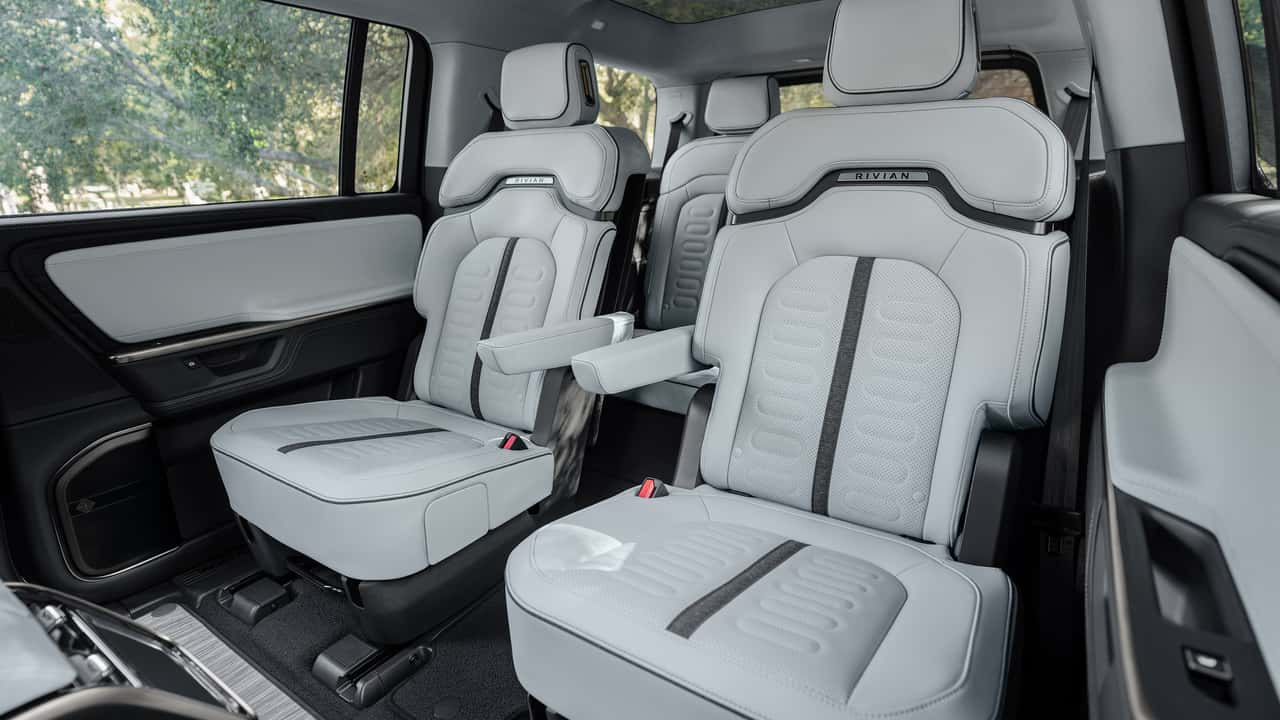
Jeep built an EV with 6 inches of clearance and street tires. It's called the Wagoneer S and, using the same 100.5 kWh battery as the Recon, it gets up to 294 miles of range.
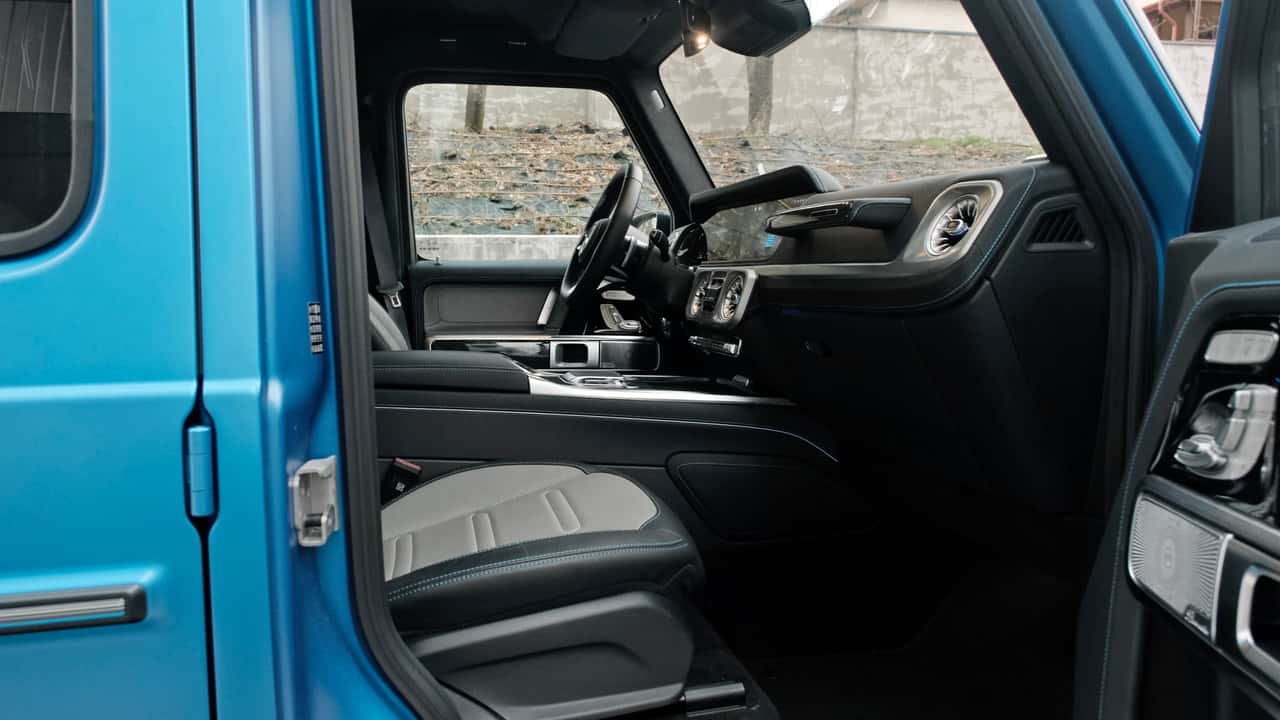
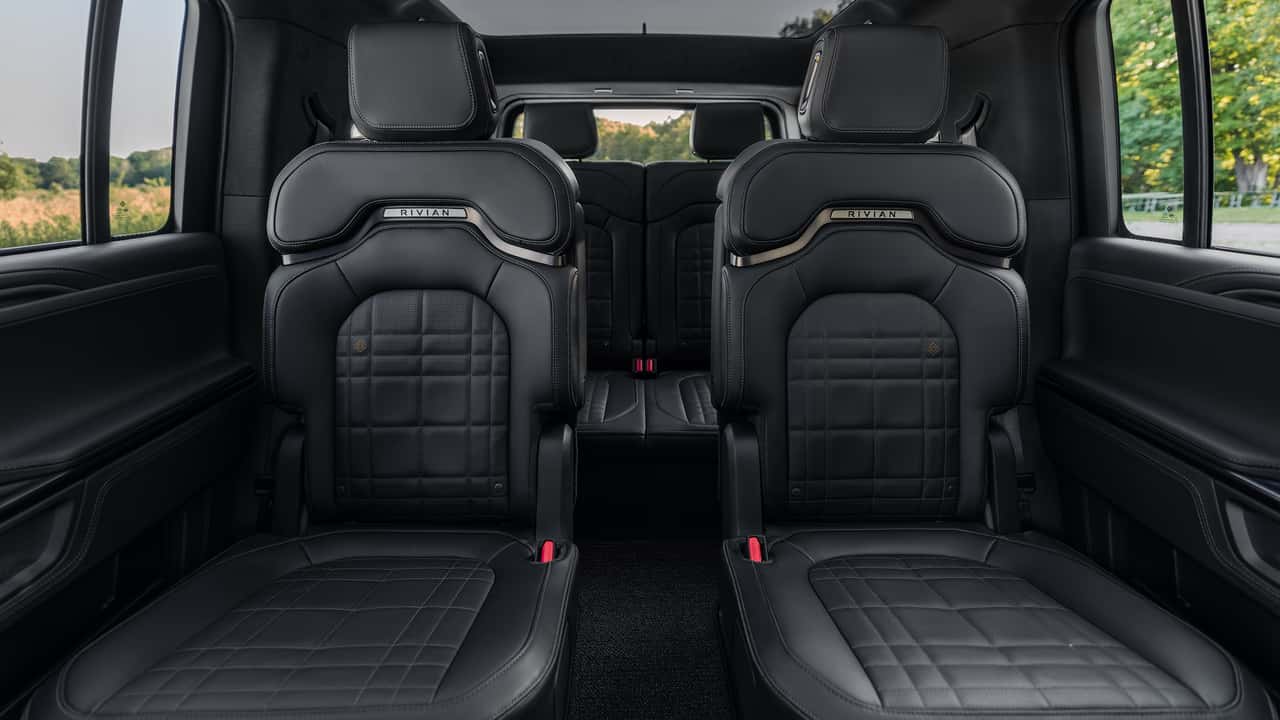
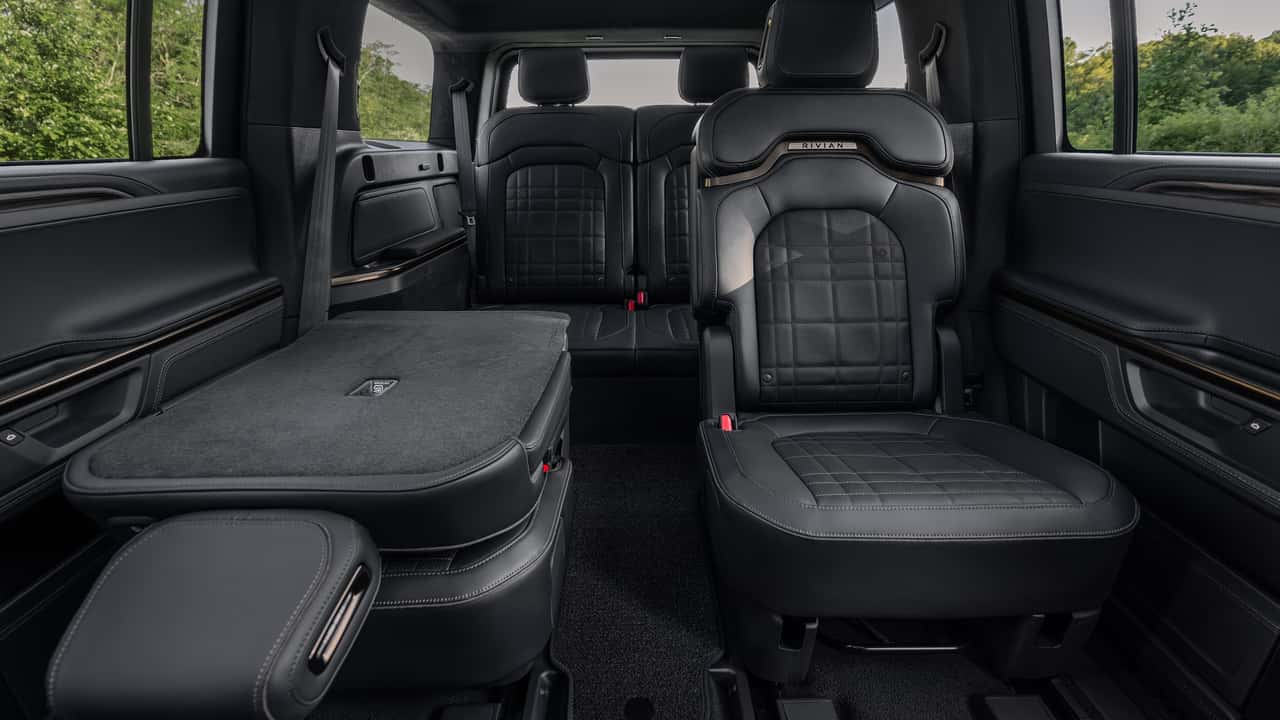
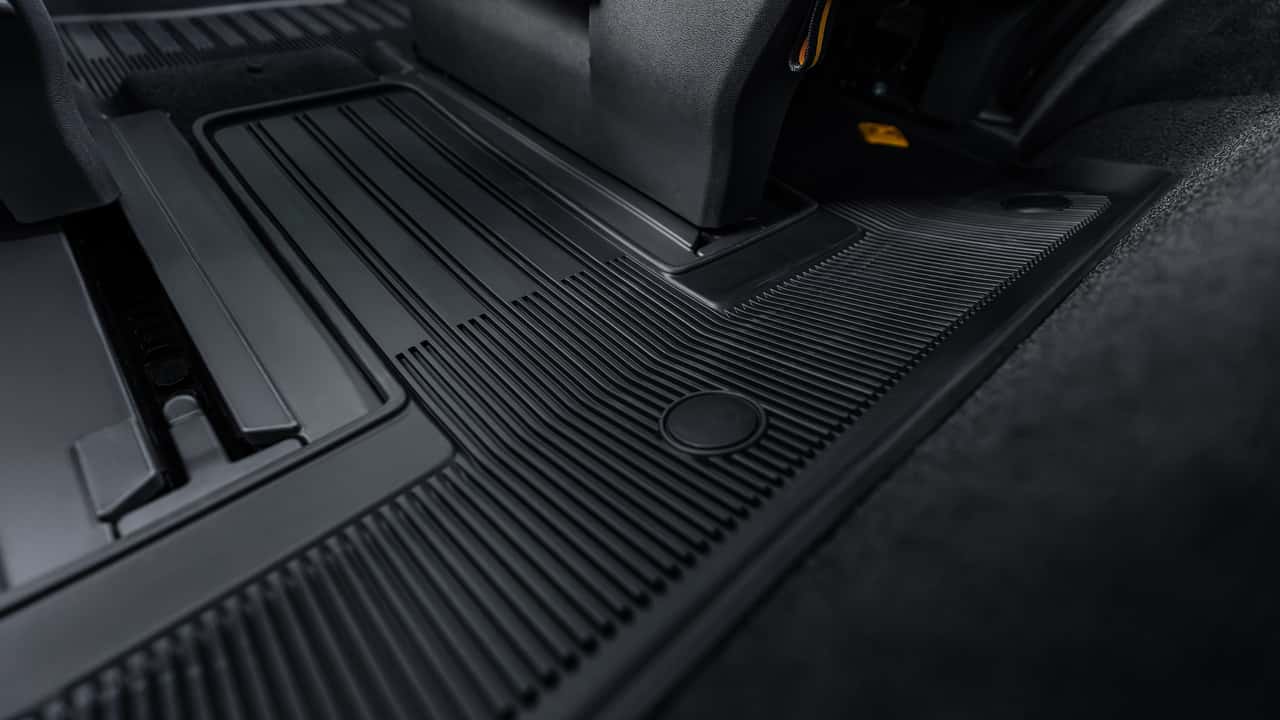
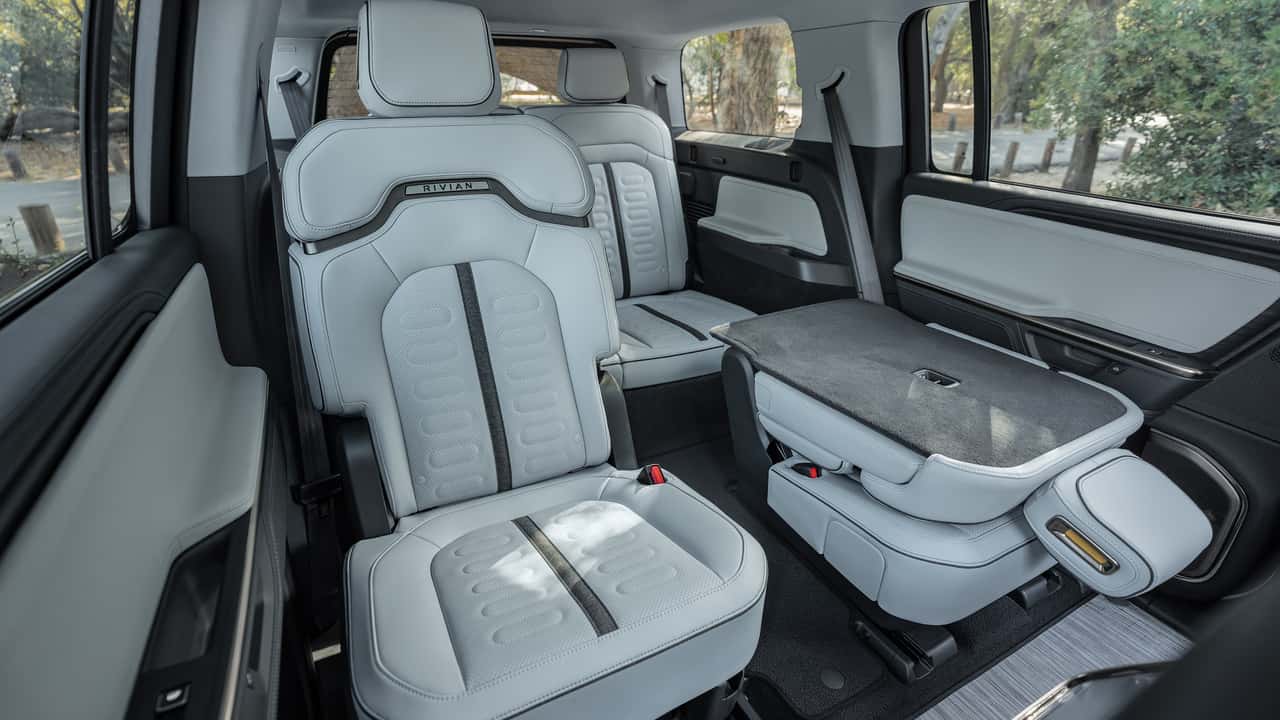
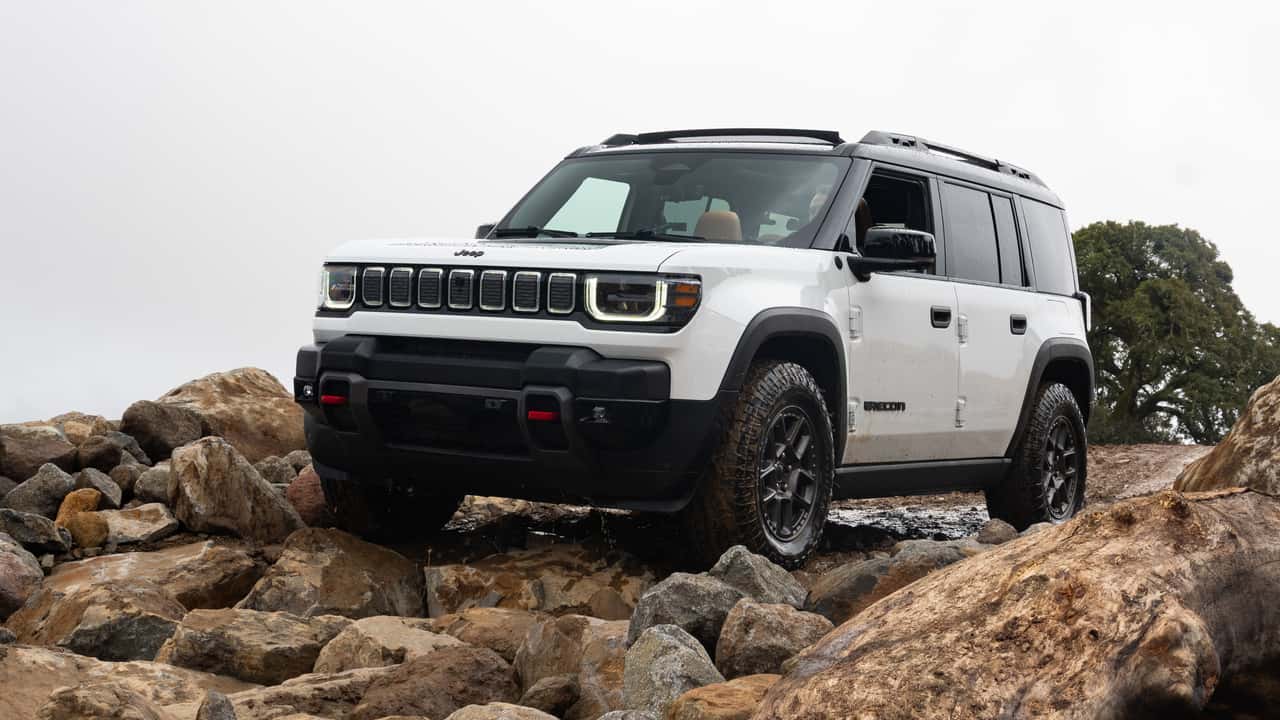
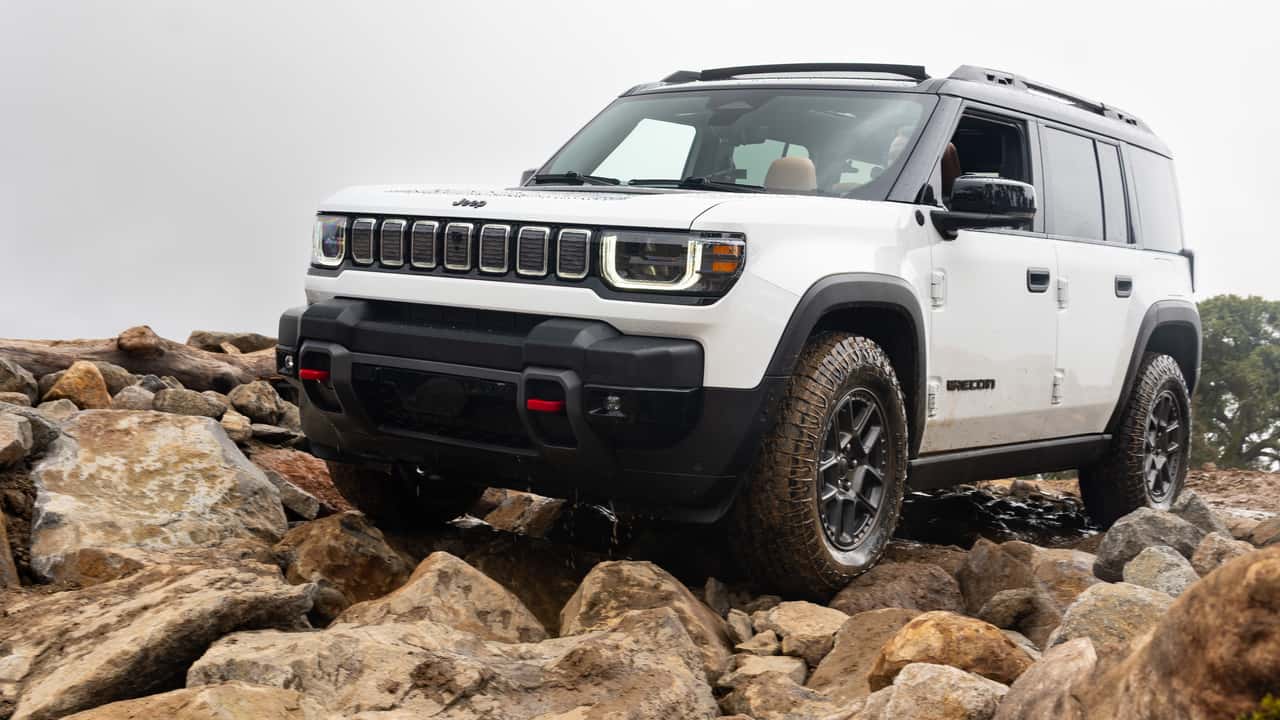
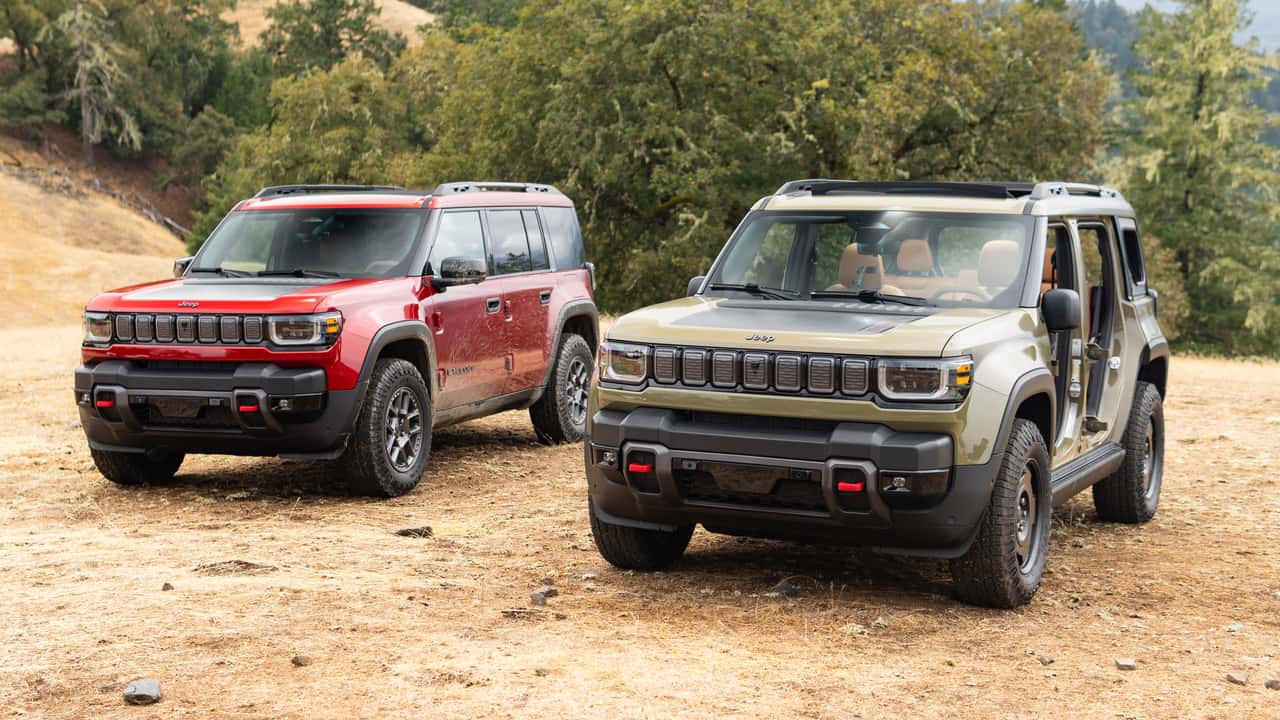
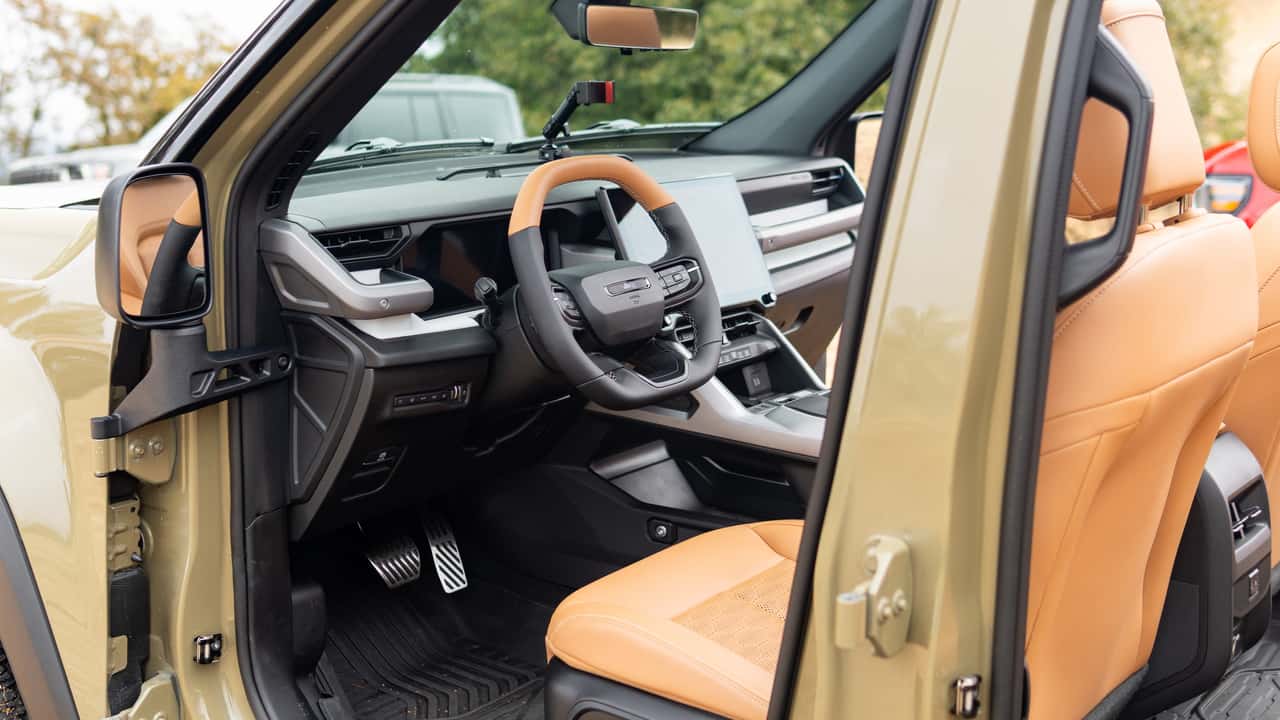
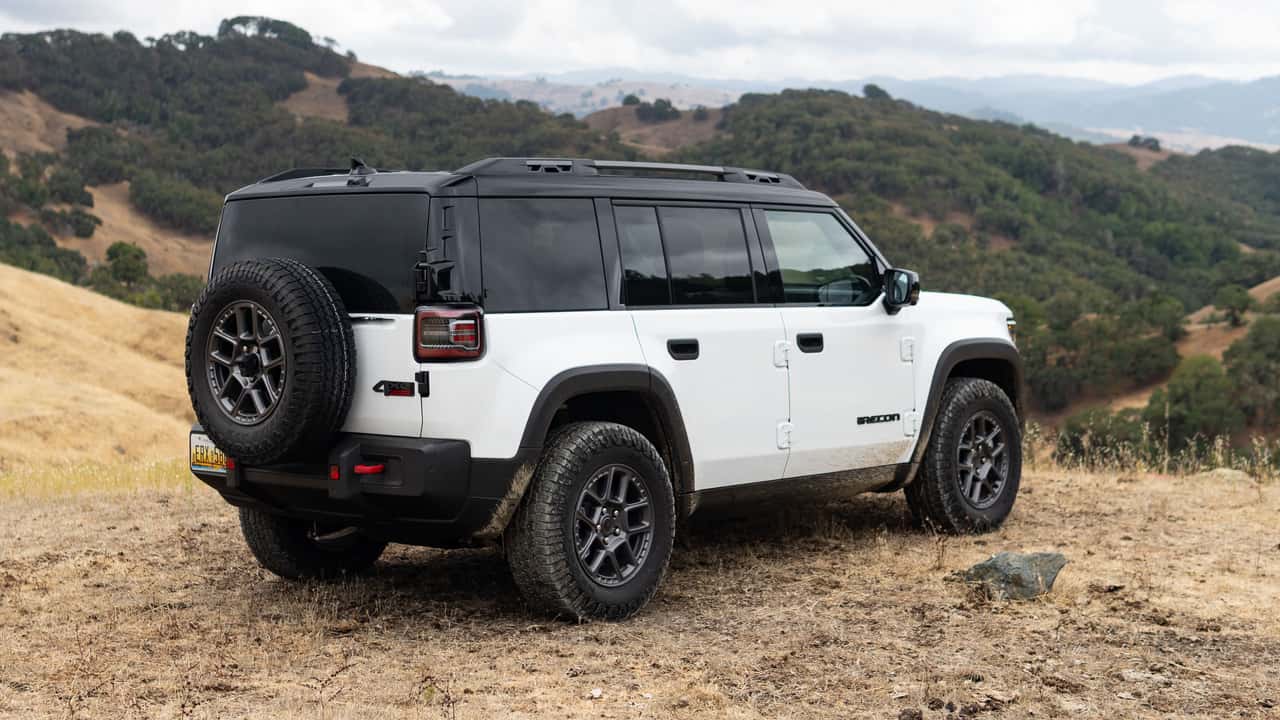
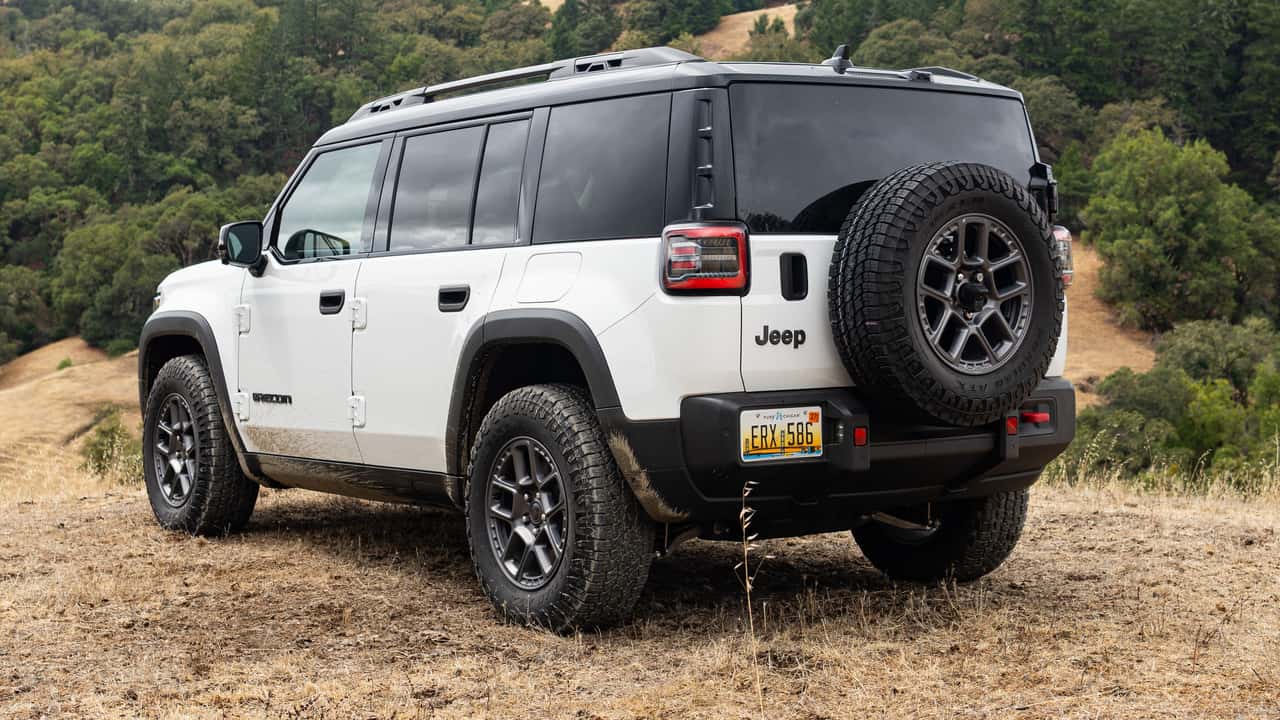
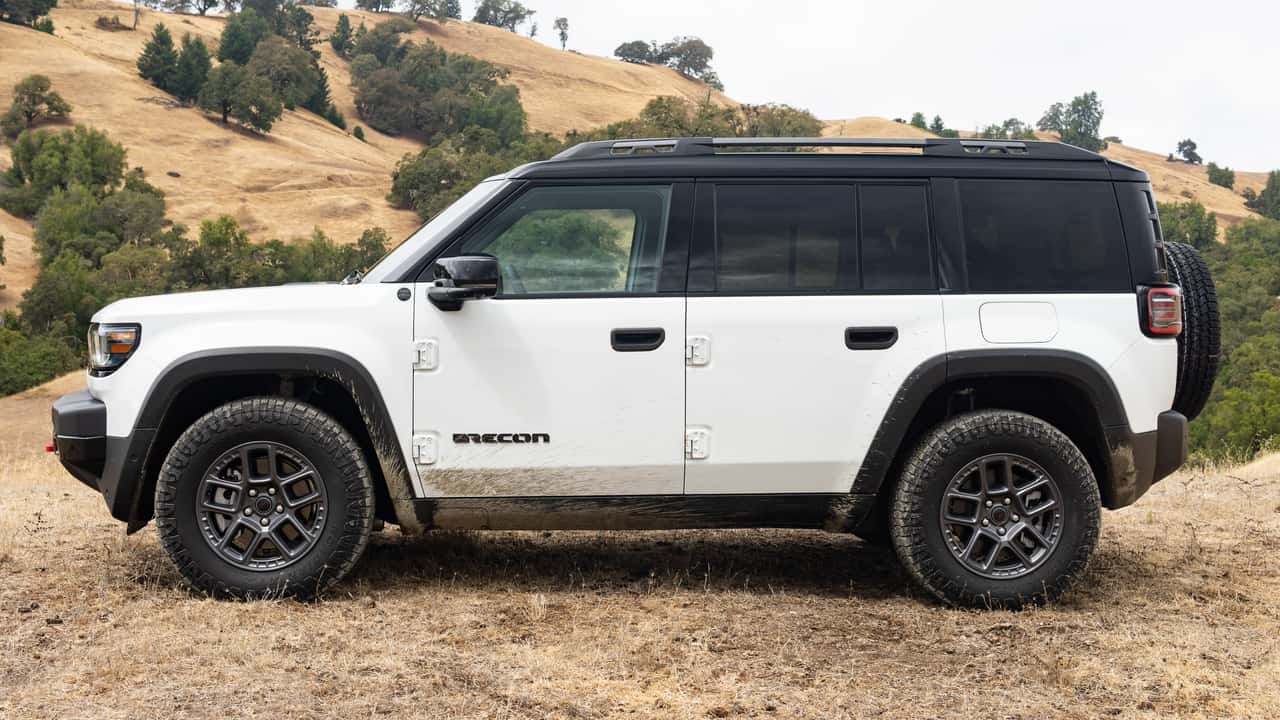
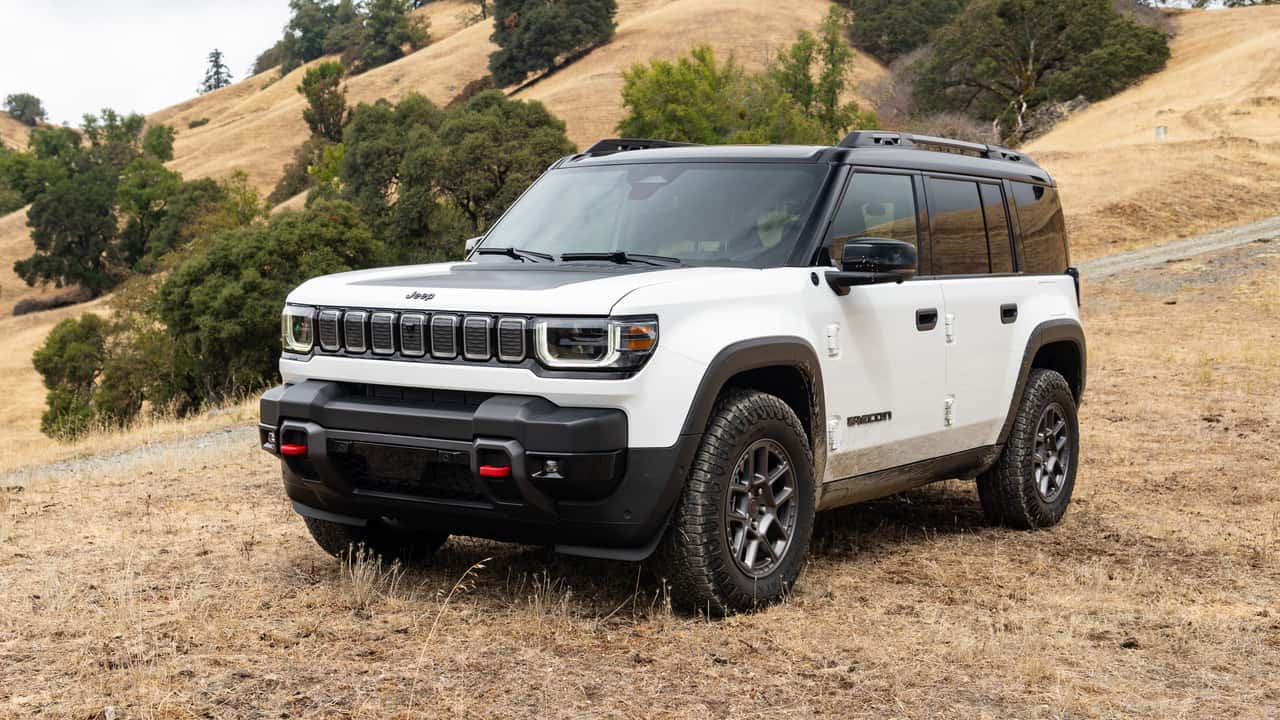
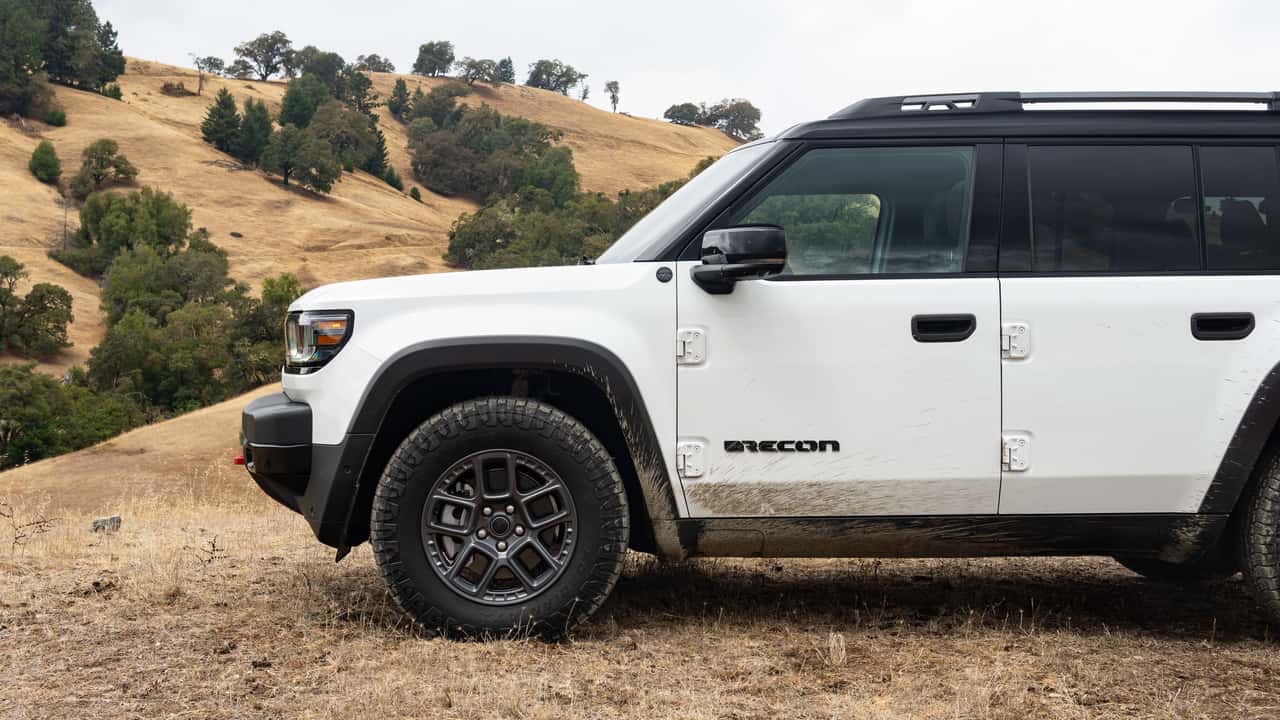
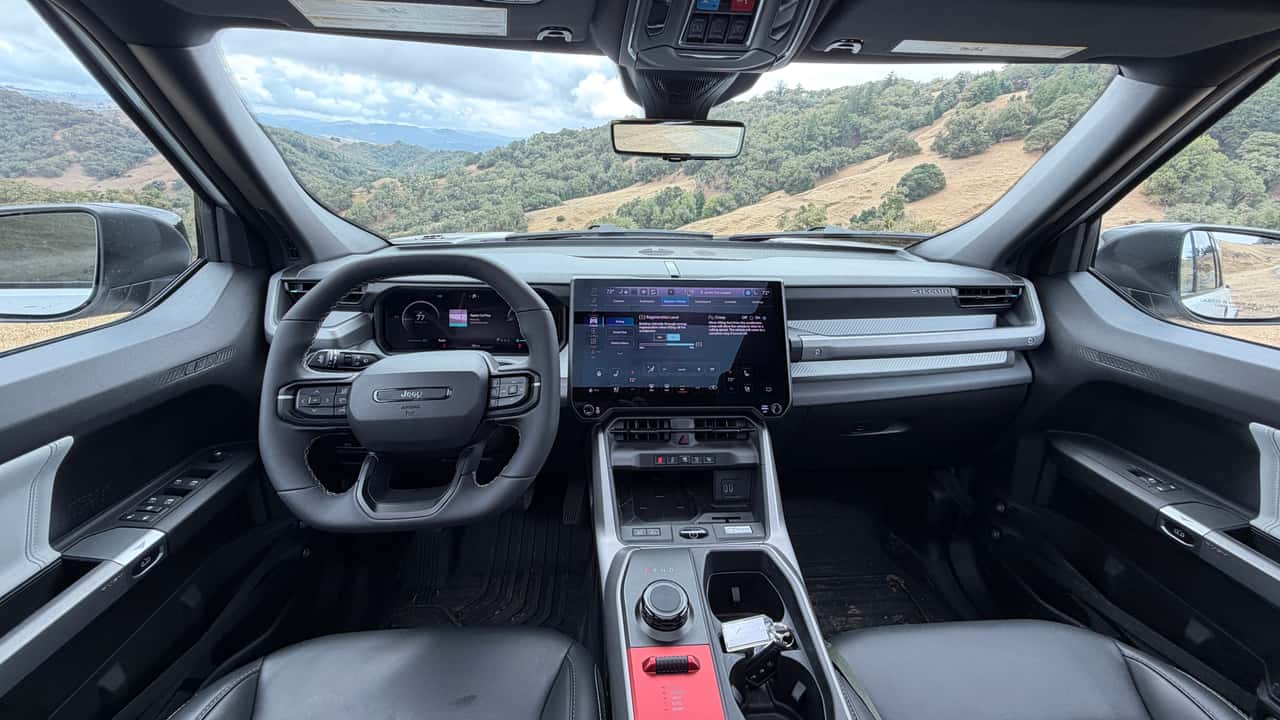
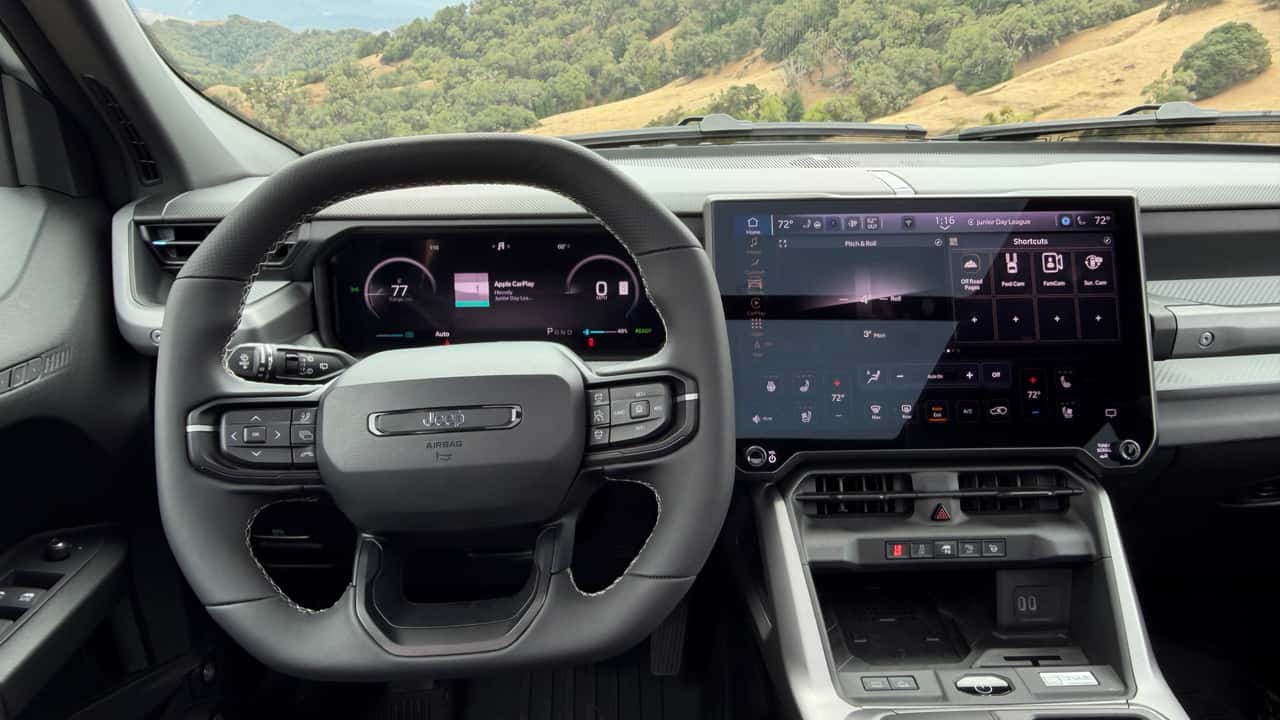
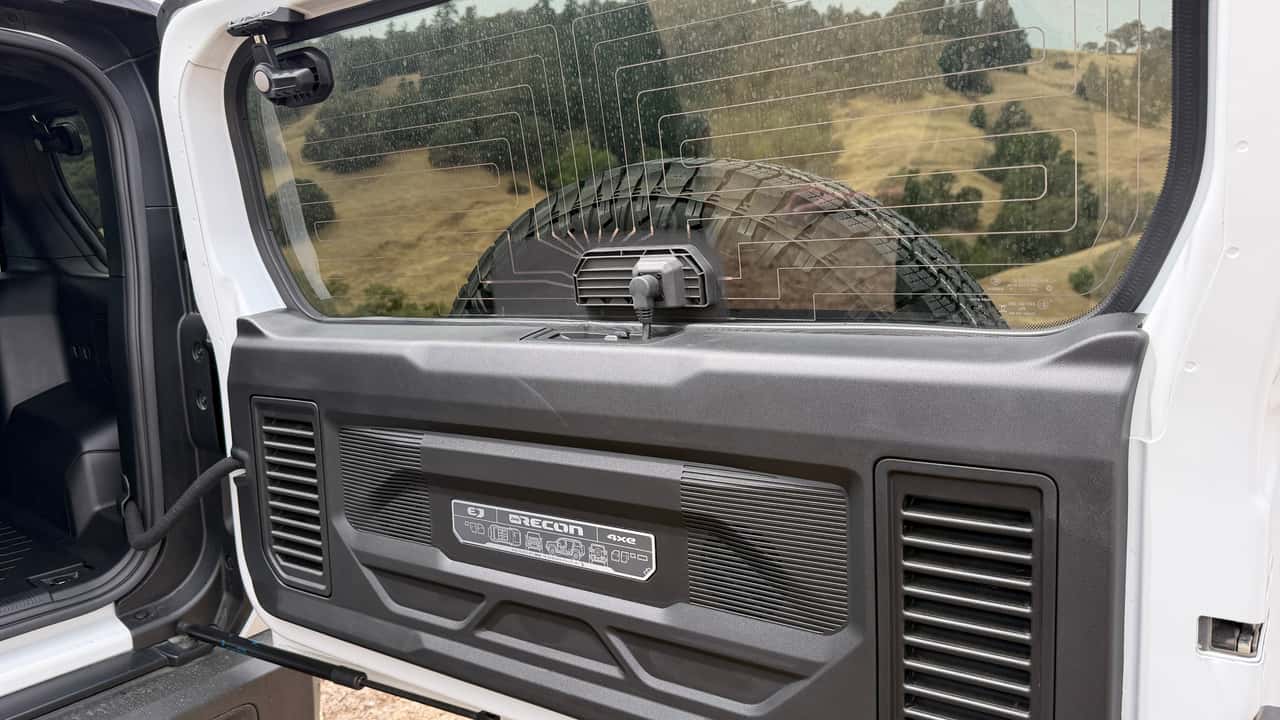
But the Recon is built with some actual off-road capability. It has 9.1 inches of ground clearance, a bunch of heavy skid plates, 33-inch all-terrain tires, and a more upright design for better approach and departure angles. All of these obviously ding its range.
Then there's the big one that most people miss. EVs may not have transmissions, but they still have gear ratios. These ratios determine how the motor delivers its torque. Taller ratios—that's a lower first number, like 9:1 for an EV—are better for cruising and efficiency. Shorter gearing increases your torque at the wheels from a stop, but makes the vehicle less efficient at higher speeds.
Low-end torque is the whole game with off-roading, so the Recon gets 15:1 gearing on its rear motor. A vehicle with more wheel torque can climb over and push through tougher obstacles. (There's an added benefit, quicker acceleration, which explains why the Recon can hit 60 in 3.6 seconds.) Going this direction makes perfect sense for an off-roader.
It just comes with an inherent compromise. Lower gearing hurts your efficiency, partially explaining why I saw just 2.5 miles per kWh in the Recon.
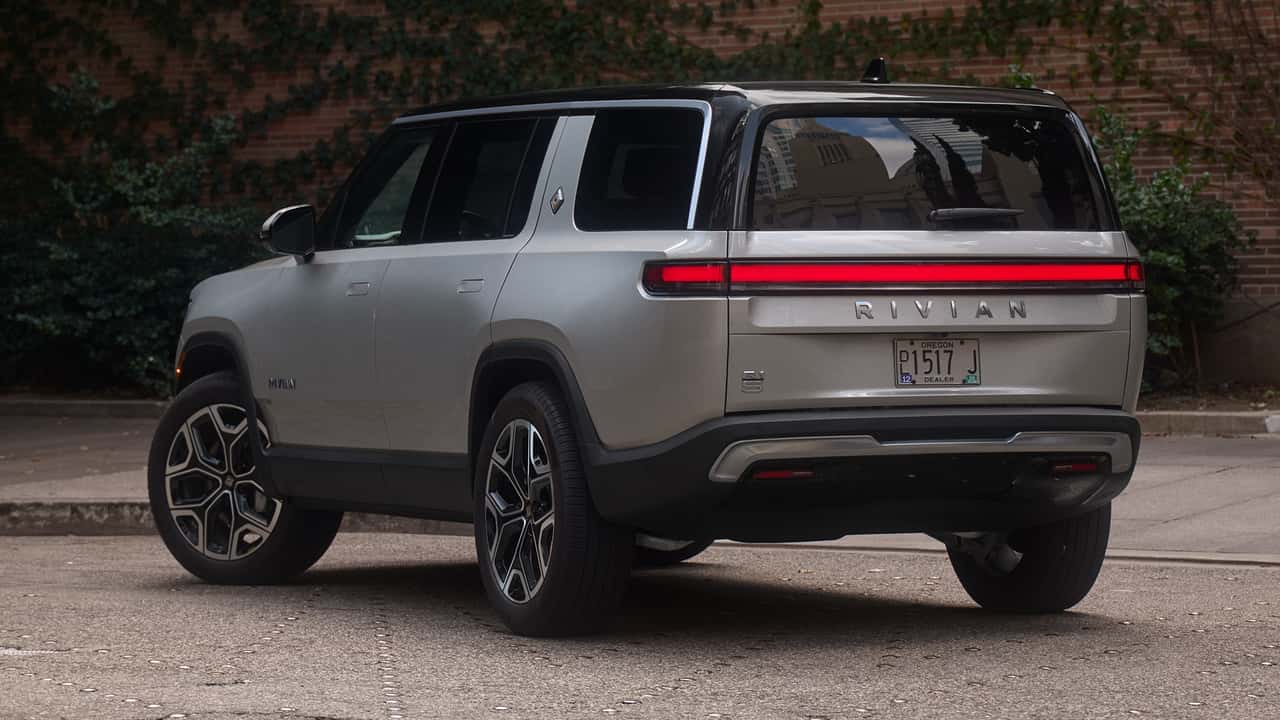
The heavier Rivian R1S tends to be more efficient than that, even if you opt for all-terrain tires. But the company doesn't even offer all-terrain tires on models with the base 108-kWh pack. You have to upgrade to the 140 kWh version to get ATs, and even then range drops from 410 to 370 miles. That's still plenty, but at that point you're paying around $96,000. With taller gearing and no locking rear differential, it's missing some of the Recon's advantages.
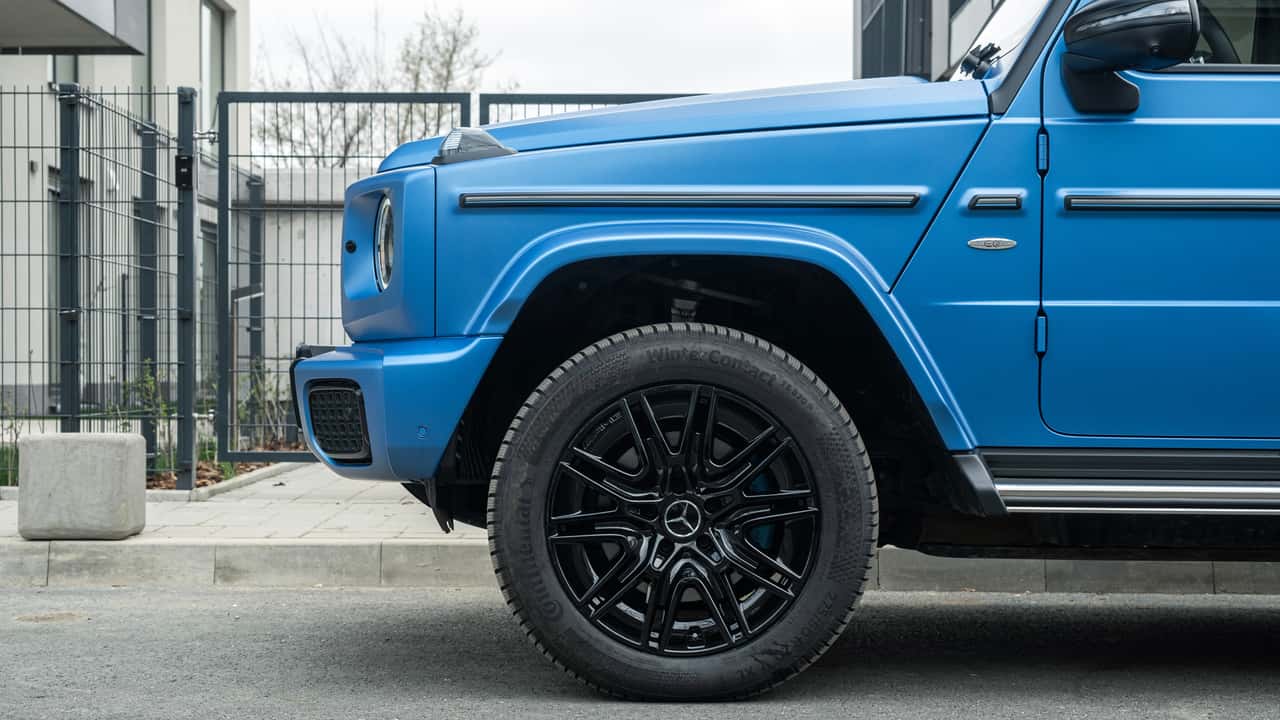
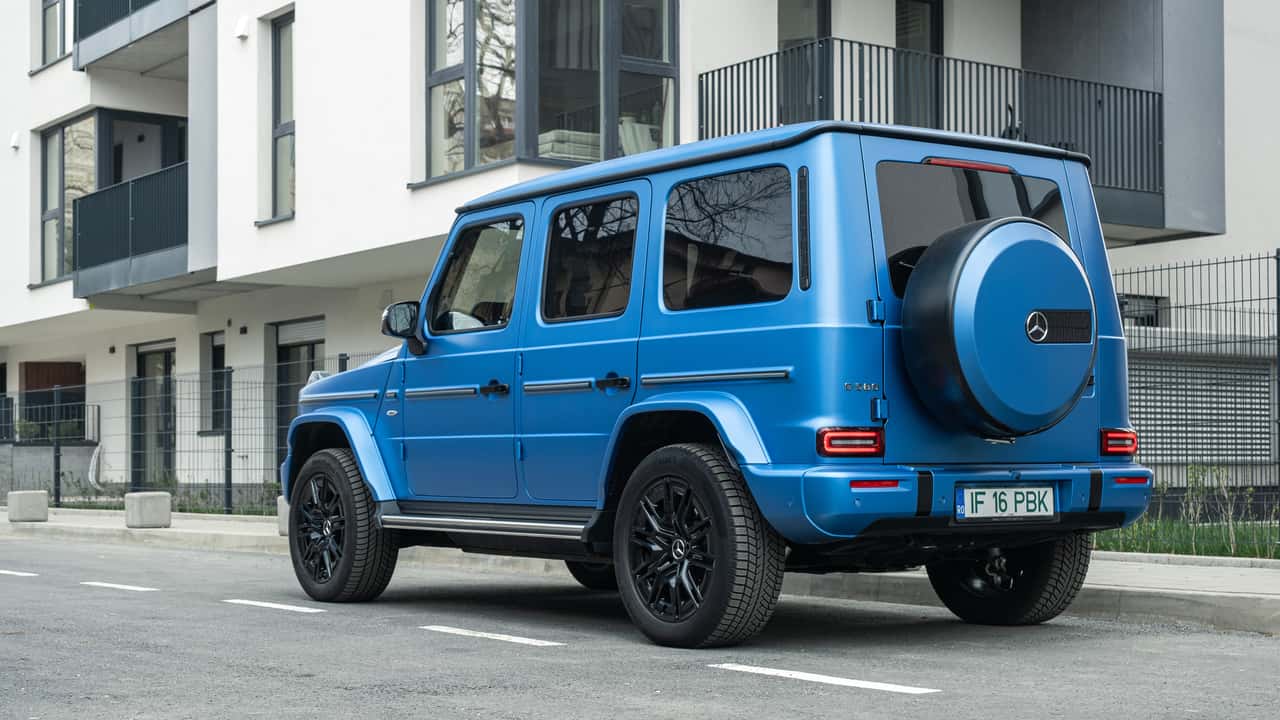
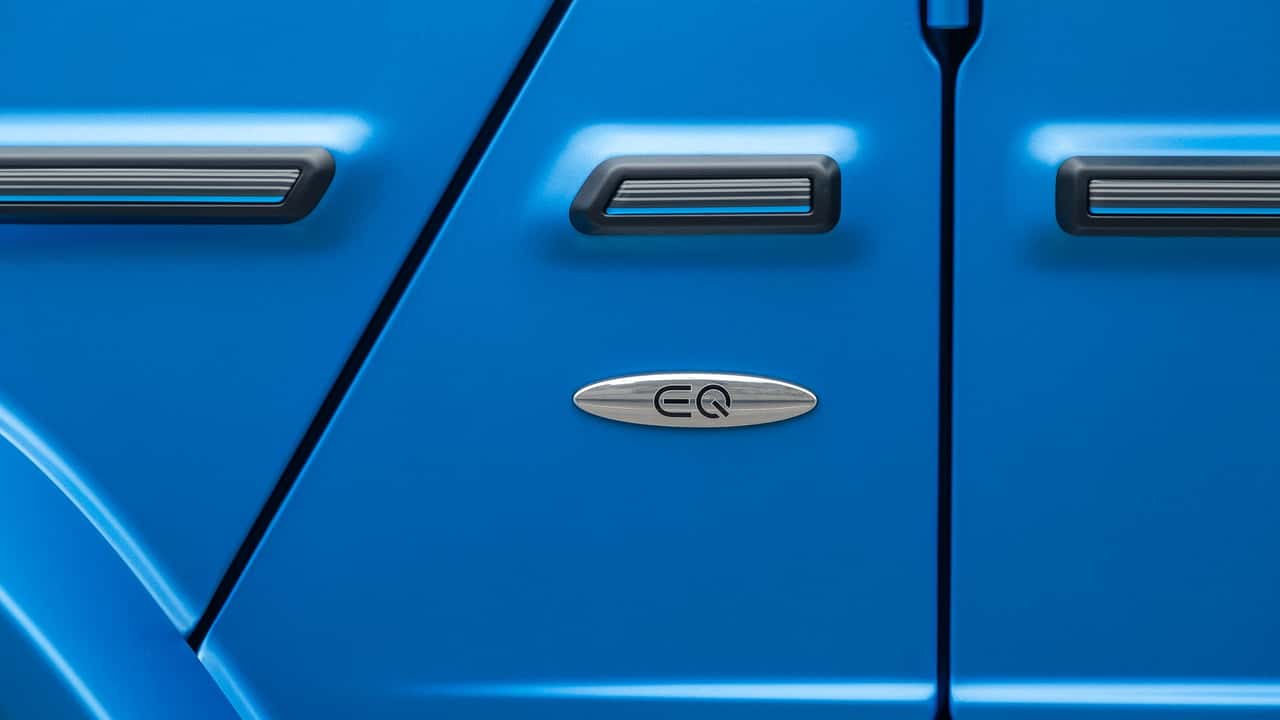
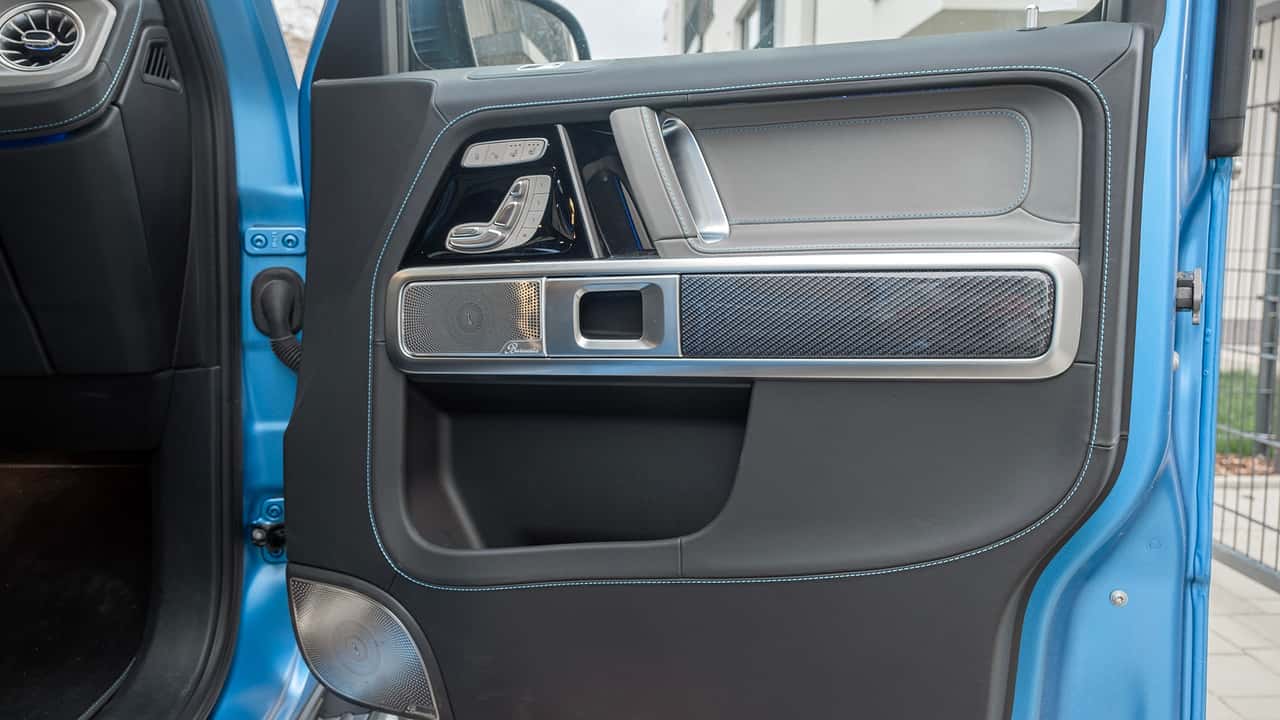
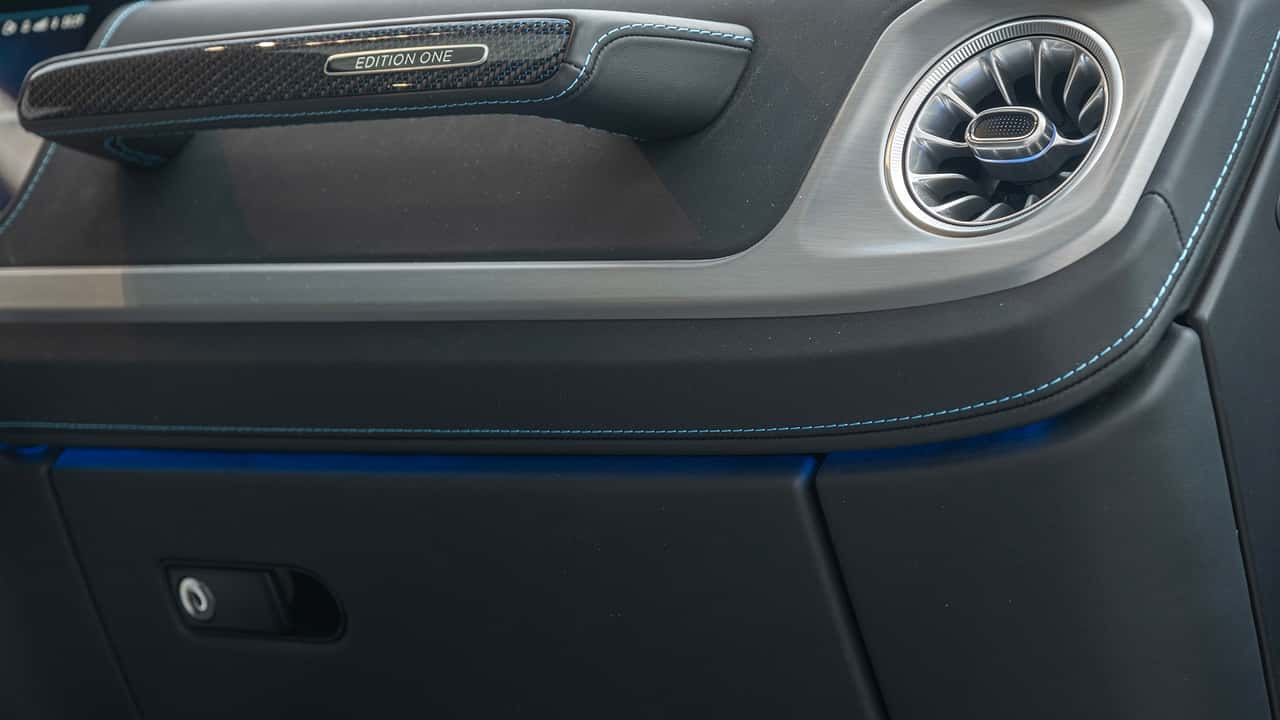
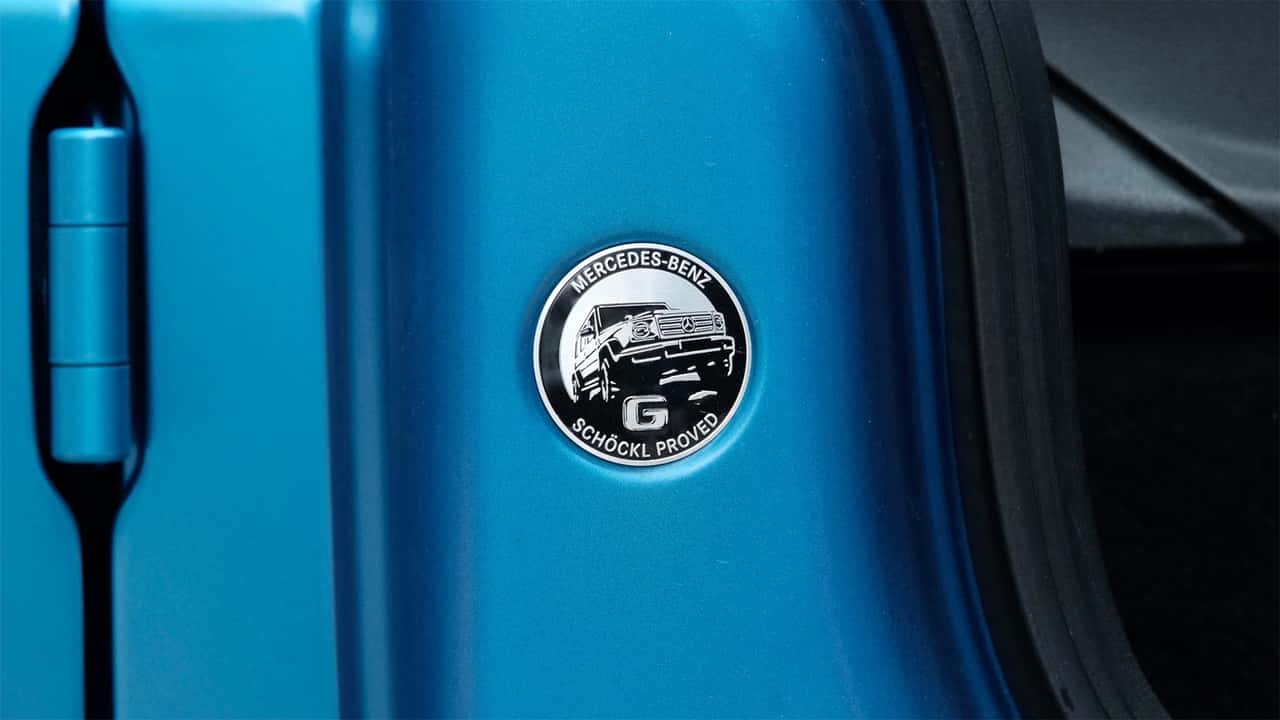
The Mercedes G580 w/EQ Technology offers even more off-road capability than the Recon or R1S, with separate low-range gears for all four motors. That means it'll climb better than the Jeep or Rivian and then switch to its higher gear for more efficient on-road cruising. But even with that clever hardware, a $163,000 price tag, and 116 kWh of usable capacity, it still gets only 239 miles of EPA range. With any of these vehicles, too, expect highway range to come in significantly below combined range estimates, as all of these factors compound at higher speeds.
What This Means For The EV Industry
So what's the takeaway? Adjust your expectations. The path to an electric future is long and winding, and it's become increasingly clear that the most inefficient vehicles will be the hardest to electrify. That's why it shouldn't shock anyone when vehicles like the Volkswagen ID. Buzz or Jeep Recon offer low ranges. Fitting an absurdly huge battery costs a lot of money, and a 91- or 100-kWh pack is hardly small.
It's just that the energy in it doesn't go nearly as far when the the vehicle is big, boxy, and heavy. That's doubly true when you add all-terrain tires, extra clearance, and aggressive gearing. As battery tech, charging times, and the charging network improve, these problems will fade. But for now, if you want decent EV off-roading chops, you're probably going to have to compromise on both range and price.
I Drove The $138,000 Range Rover Electric Off-Road. It Was Exceptional
EV Off-Roading Is Just Plain Better
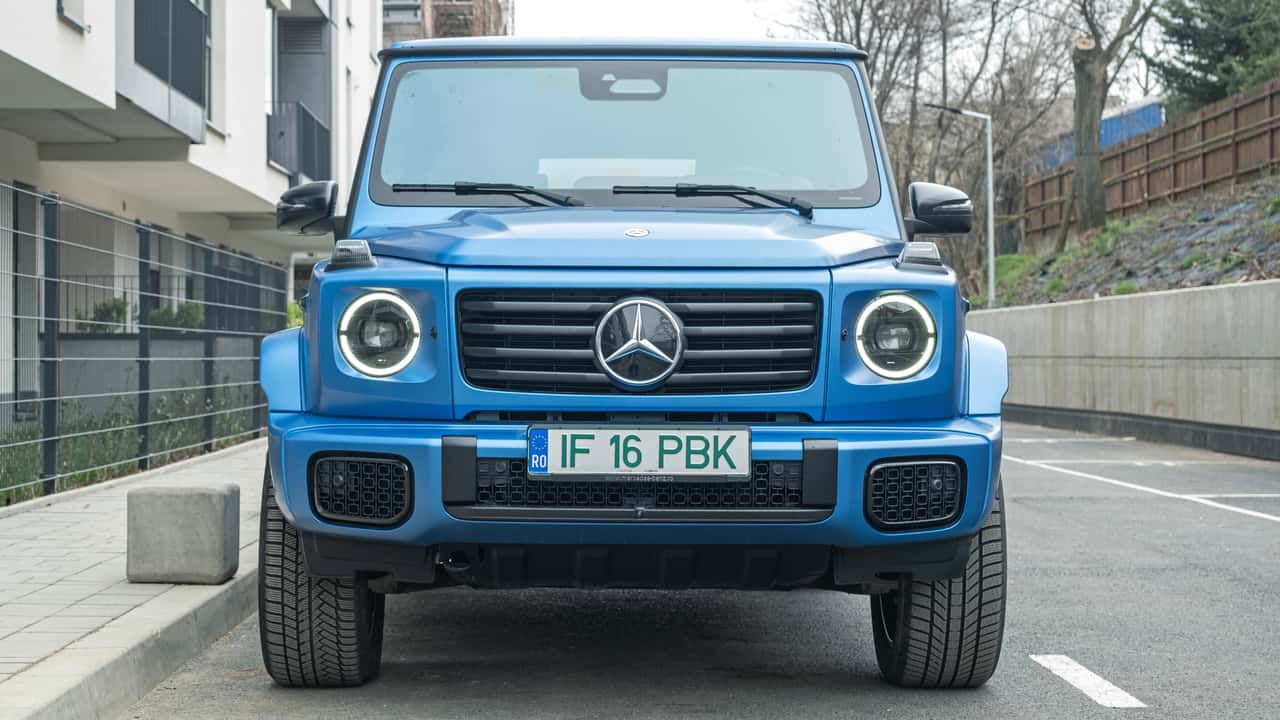
The Electric Mercedes G-Class Shows Why EVs Are Better Than Gas Cars
The All-Electric Jeep Recon Beats The Wrangler In One Key Way. But It's Still Flawed.









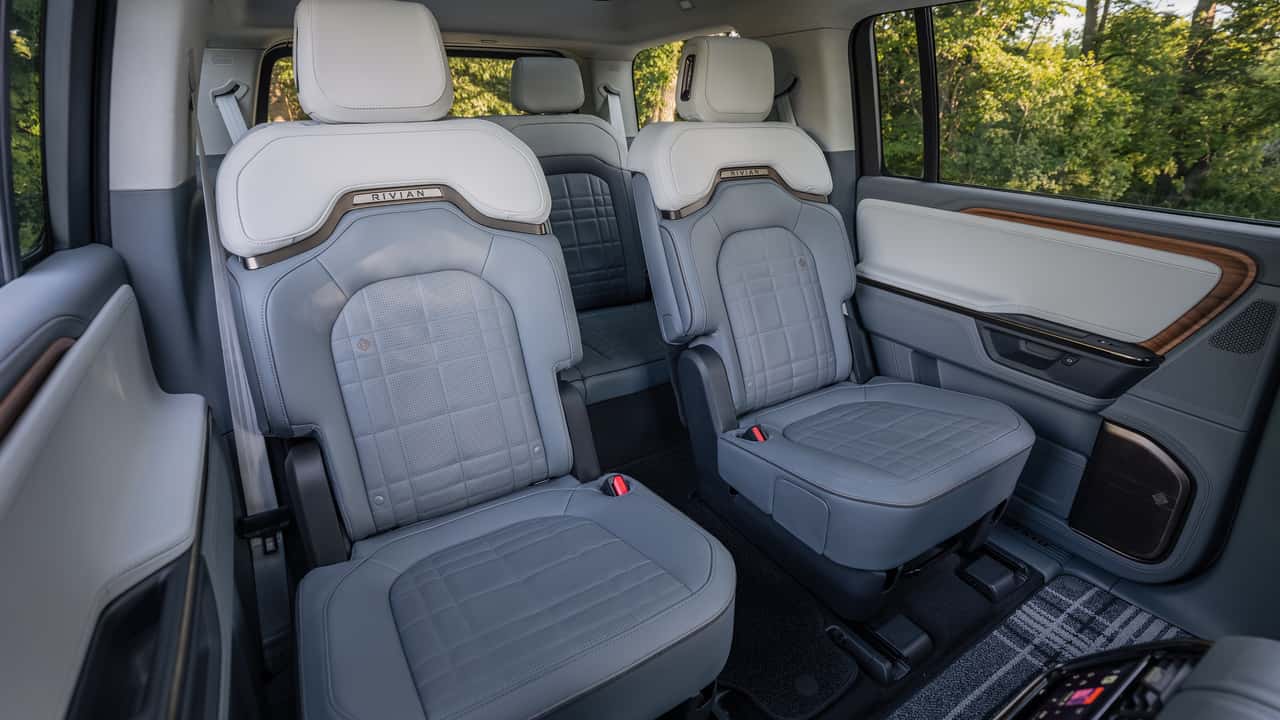
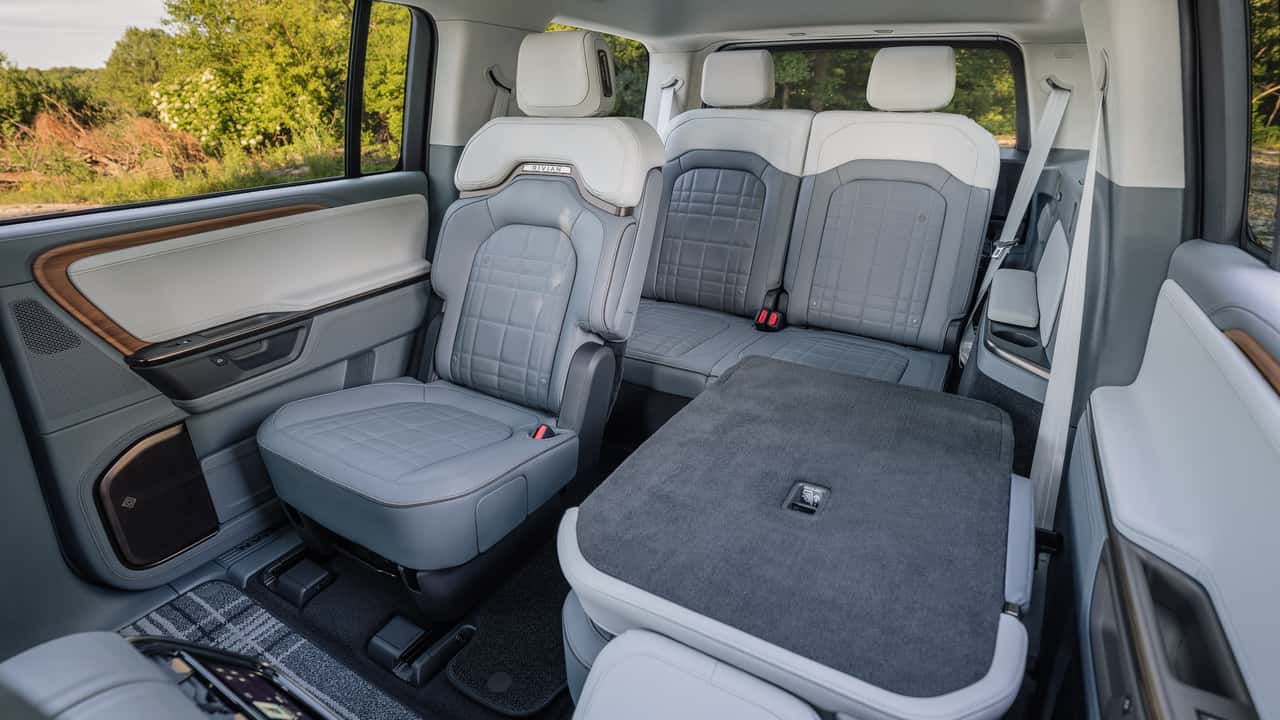
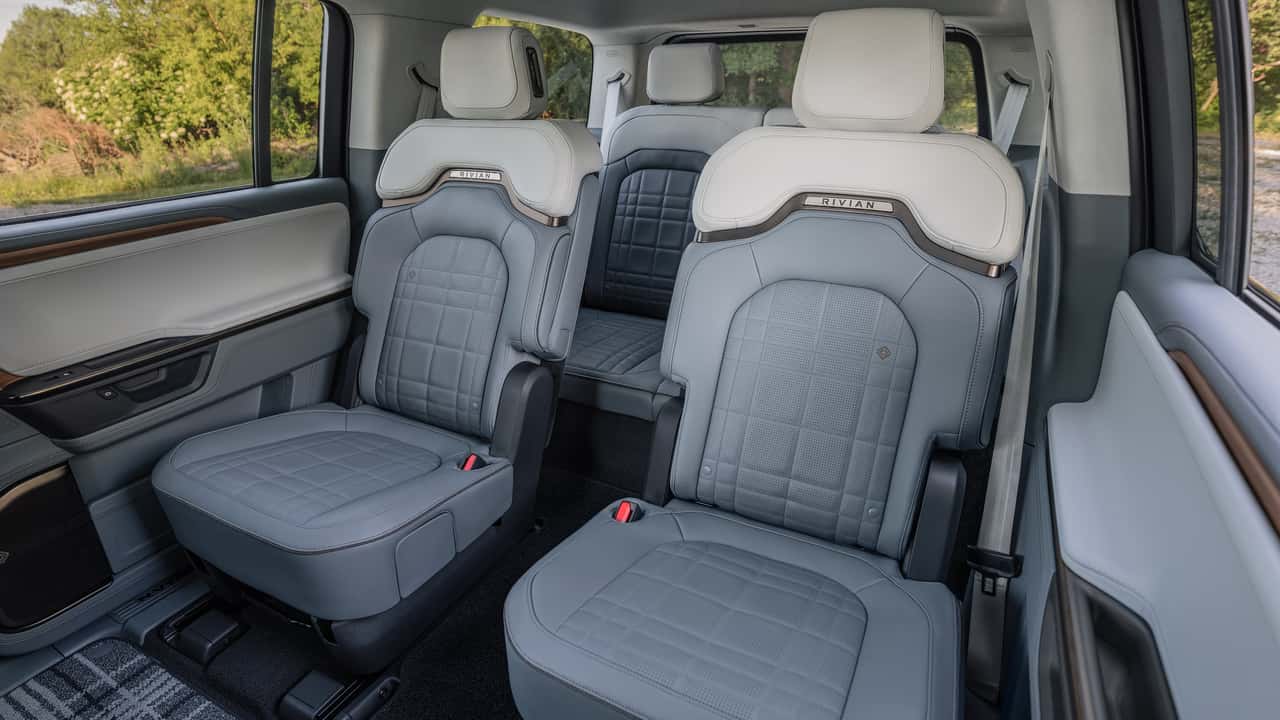
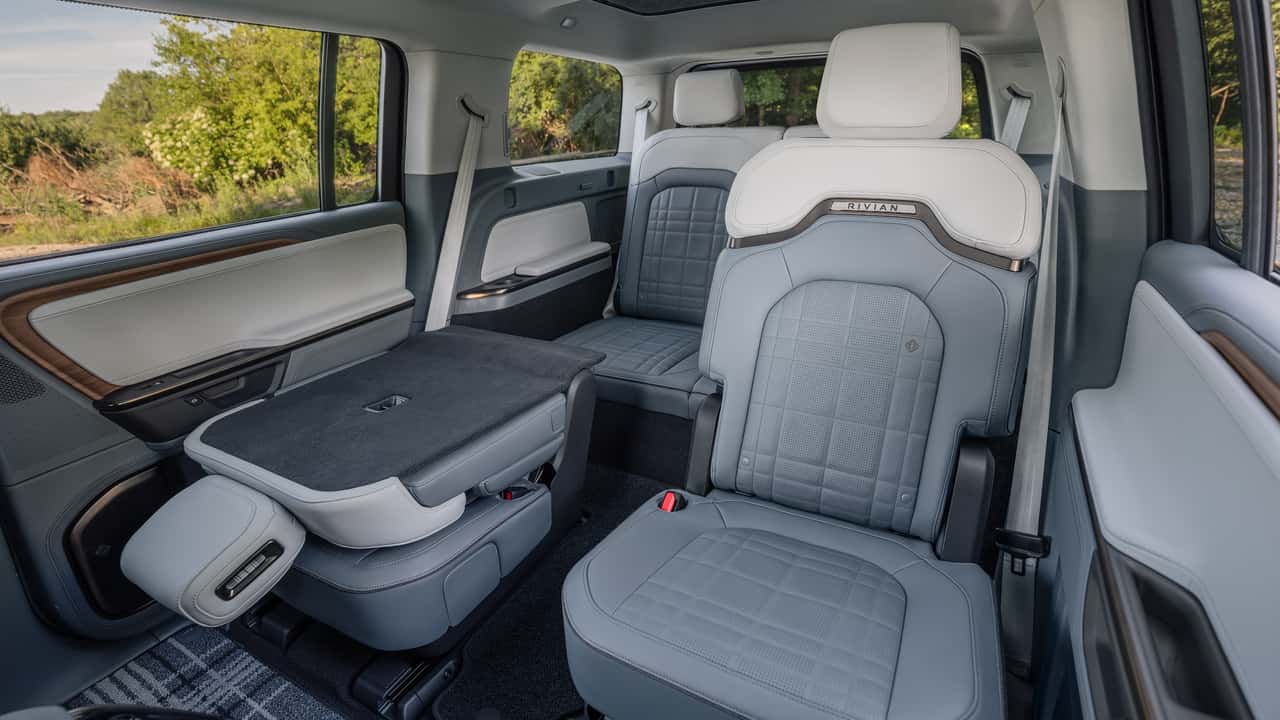















]]> contact@insideevs.com (Mack Hogan) https://insideevs.com/features/808009/jeep-recon-range-problems/ https://insideevs.com/features/806882/hybrids-sales-soaring-bad-news-evs/ Sat, 05 Sep 2026 13:00:00 +0000 Sales Of Hybrids Are Soaring. That’s Bad News For EVs Americans are turning to hybrids to get away from rising gas prices. So, is there still hope for EVs?
The United States is now an outlier. While China and Europe are slowly but surely replacing gas and diesel cars with much cleaner electric vehicles, shoppers in the U.S. are seeking refuge from rising fuel prices in what is probably the last iteration of a century-old technology.
Hybrid vehicles are rapidly gaining popularity, and even the old fact about owners never turning back after going fully electric is sitting on shaky ground. So what’s going on?
I asked experts what lies ahead for the American EV market, and it sounds like people will probably stick with what they know, as long as it helps them keep costs down. That said, if a couple of key aspects change in the following years, we might see more buyers rapidly move into EVs.
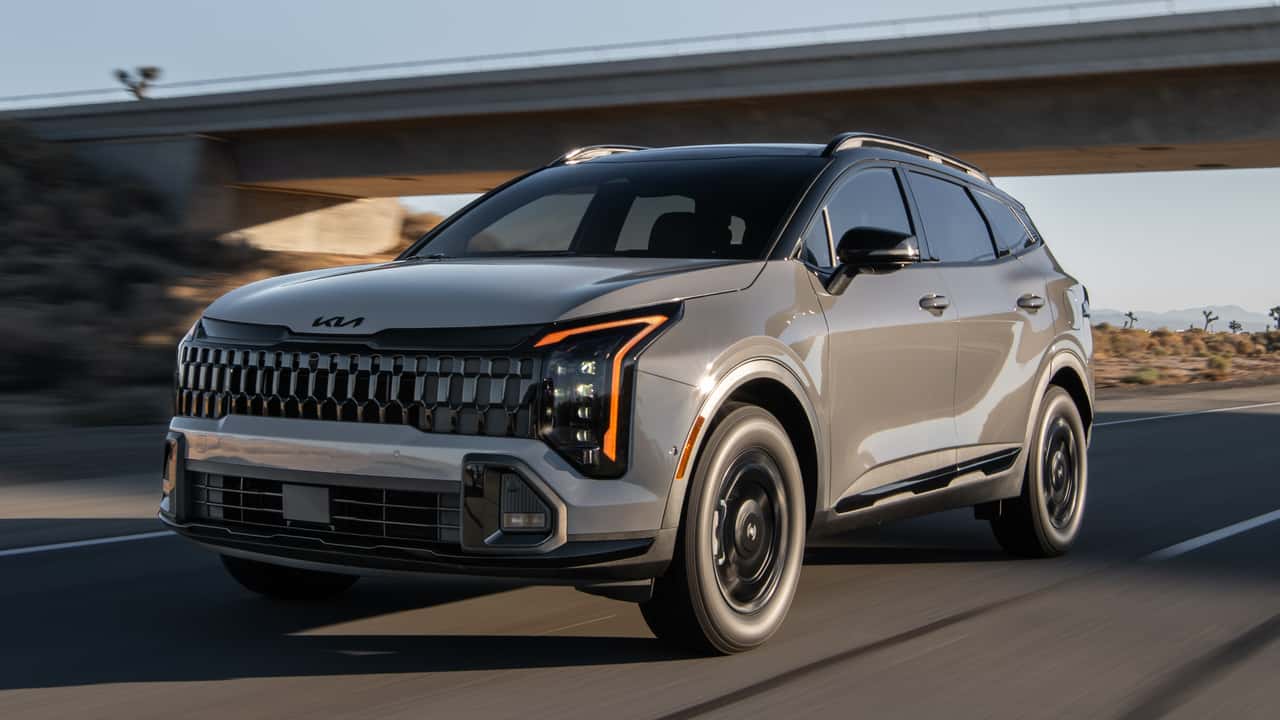
The Sportage was Kia's best-selling model in July, and the hybrid version had the biggest increase.
Photo by: Kia
A couple of years ago, automakers and dealers alike were keen on getting EVs off their lots, so extremely attractive lease deals made headlines across the country, with some buyers scoring a brand-new electric car for less than $100 per month. Now, those leases are ending, and with less incentive money to go around, real-world new EV prices are much higher than before.
After the $7,500 federal tax credit for new EVs went away last September, the market went through a huge recalibration, and it still hasn’t settled. Last month, the average EV lease payment for an EV was $707, whereas a non-EV cost $100 less, per Edmunds.
As a result, there are now more people than ever who trade in an EV and buy a gas car. According to Edmunds, 15.6% of owners who traded in their EV in the second quarter of this year went home with a new hybrid, whereas 34.6% got a new EV. Plug-in hybrids attracted just 5.4% of lease returns. What’s more, traditional combustion vehicles made a comeback this past quarter, accounting for 42.6% of the defectors–more than EVs and PHEVs combined. (These numbers all exclude sales at Tesla, Rivian, and Lucid stores, which admittedly does skew the data away from EVs.)
Meanwhile, hybrid owners overwhelmingly chose to stick with the same powertrain type after their lease ended, with 58.3% of buyers going home with a new hybrid after trading in their old one at a brick-and-mortar dealership.
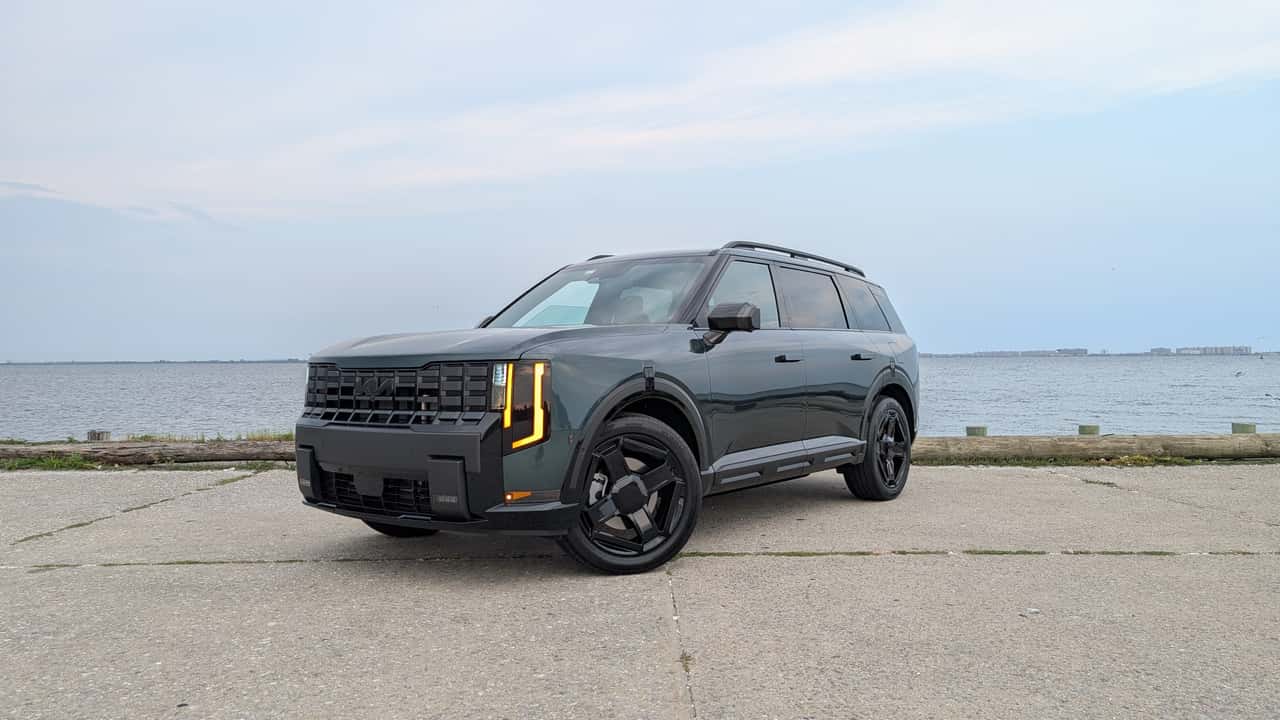
The 2027 Kia Telluride Hybrid costs considerably less than a comparable Kia EV9.
Photo by: Suvrat Kothari
“It’s a very tough market right now, with car prices increasing and buyers looking for affordable options,” said Corey Cantor, Research Director at the Zero Emissions Transportation Association (ZETA), a federal coalition that advocates for the advancement of the electric vehicle supply chain.
“A traditional hybrid is typically just a few hundred dollars to a thousand more than a simple gas model, so it makes sense to get a hybrid because of the promised fuel savings,” Cantor added.
A recent report from Cox Automotive brings more hard numbers to the table. In the first half of the year, 22% of car buyers considered a new hybrid, up from 20% last year and a new high for this powertrain. At the same time, 10% of buyers said they were considering a new EV, down from 11% in the first half of 2025.
The same report includes a list of the ten most wanted electrified vehicles in the United States, and just one of them is an EV–the ubiquitous Tesla Model Y crossover.
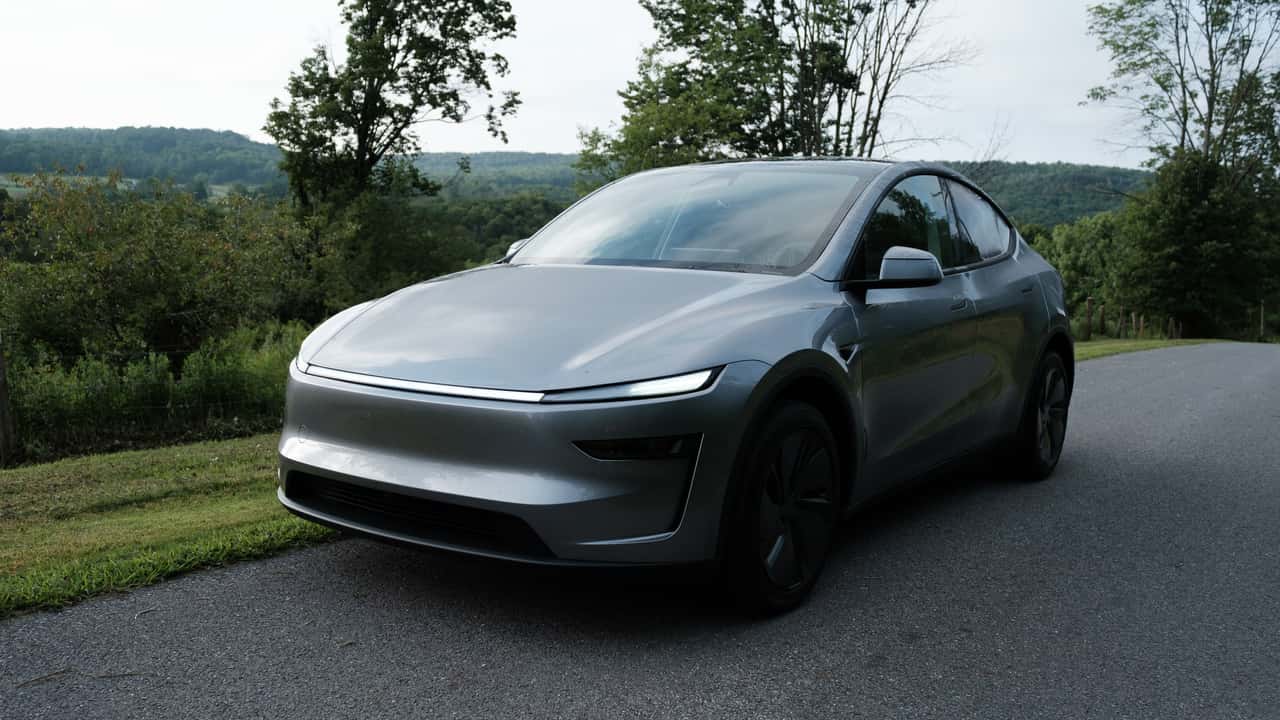
Tesla Model Y
Photo by: Patrick George
Over the past five years, affordability and fuel economy have become increasingly important for all new car buyers, while durability and safety continue to be the top factors that influence purchase considerations, the Cox Automotive study said.
One way to make EVs more attractive is to make them more affordable, but that’s not necessarily something that car manufacturers are inclined or able to do. American companies no longer have an incentive to make the most efficient cars they can, so they’re making the most of the 100-year-old combustion engine by easily adapting existing models and turning them into hybrids.
Escalent's latest research suggests price cuts alone won’t solve the affordability challenge. Buyers are factoring in everything from monthly payments to operating costs, while battery replacement and home charging costs actually rank above purchase price as reasons EVs feel unaffordable.
"We need vehicles that are affordable and have that price parity with their ICE counterpart," Stephanie Valdez Streaty, director of industry insights at Cox Automotive, said during an episode of the InsideEVs podcast. "Once we have more options like that, I think that's going to be the game changer.”
Ford and Slate are both working on affordable electric pickup trucks, a segment that has so far been ignored by companies. Traditional pickups sell like hotcakes in America, but electric models like the Ford F-150 Lightning and Tesla Cybertruck have failed to keep up with their gas alternatives due to their limited driving range and high purchase price. The Lightning was discontinued last year, and the Cybertruck’s sales numbers pale in comparison to the best-selling gas trucks.
That’s why people are excited about what’s next.
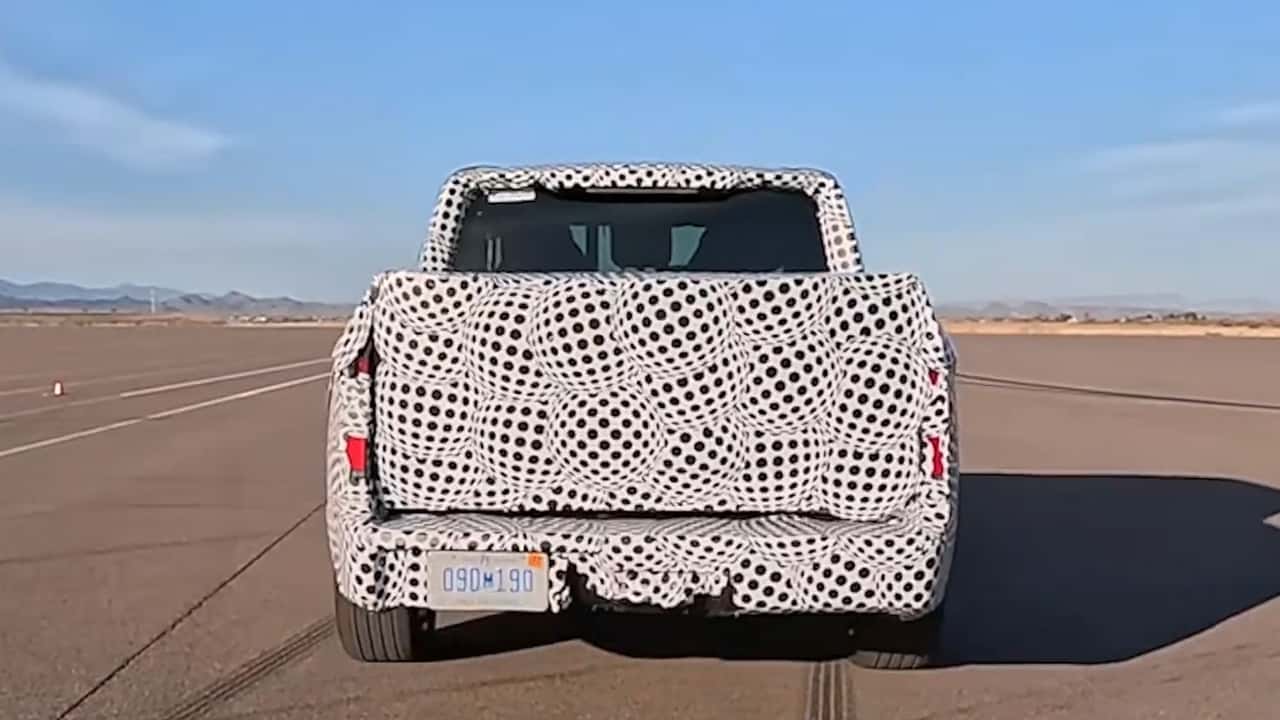
Ford's $30,000 electric pickup truck is due next year.
Photo by: Ford
“$30,000 is the sweet spot for a new car in the U.S., so if more automakers launched EVs at this price point, we would see more EV sales,” said Corey Cantor from ZETA. “That’s why it’s exciting to see Ford’s upcoming pickup, as well as Slate’s first model.”
Access to affordable home charging is also an issue, with many multi-family homes not having access to Level 2 chargers. This forces EV owners to go out of their way to keep their batteries topped up and at prices that may be higher than filling up with gas. Not everybody owns a house and can charge cheaply during the night, which is typically the most cost-effective way to charge an EV.
Still, loyalty among EV owners is high. According to CDK Global’s latest survey, 90% of EV owners in the U.S. said they’ll buy another EV when the time comes for a new car purchase. That said, there are fewer early adopters than ever, so automakers now have to convince people who aren’t as well-versed or interested in a new type of powertrain. “The usual adoption hurdles for EVs remain, including upfront costs, range anxiety, and charging anxiety,” said Cantor.
So, what’s going to happen next? It’s hard to pinpoint what American car buyers will choose for the next decade, but the stage seems set for the rest of 2026. Hybrid sales will likely continue to rise, leaving EVs to compete with combustion cars for the leftovers.
EVs are still in the game, though. Their promising growth took a big hit in September 2025 with the loss of the tax credit, but things are starting to fall into place. There are now more public charging stations than ever before, and the companies building them are only planning on installing more. The charging experience is also getting better, with more reliable stalls and fewer failed sessions. What’s more, new cars like the BMW iX3 and Mercedes-Benz CLA charge extremely fast and can drive for hundreds of miles on a full battery, helping to alleviate range anxiety.
The problem with those cars is their price. Yes, affordable EVs like the Chevrolet Bolt and Nissan Leaf exist, but their sales figures have been lackluster so far. America needs more affordable EVs that people actually want to drive, and the silver bullet seems to be the same old pickup trucks and SUVs, only smaller. Lower lease costs and easier access to cheap home charging will certainly help, too.
EVs Hit A Record 98.7% Market Share In Norway. These Are The Top Sellers
2027 Kia Telluride Hybrid Review: Outclassed By The EV9?
Audi's U.S. Hybrid Push Is About To Get A Lot Bigger
Hybrids And Gas Cars Don't Make People As Happy As EVs Do: Study
]]> contact@insideevs.com (Iulian Dnistran) https://insideevs.com/features/806882/hybrids-sales-soaring-bad-news-evs/ https://insideevs.com/features/806068/toyota-electrification-101/ Tue, 25 Aug 2026 19:46:46 +0000 I Went To Toyota’s Employee Electrification Training. Here’s What Surprised Me Just because you work at a car company doesn’t mean you’re a car nerd. For some employees, almost everything was new information.
As a critic, it’s easy to lose the plot. I’m steeped in the EV debate every day. I know what each company is doing, what it’s afraid of, and why it is or isn’t going hard on electrification. And the more I talk to high-up executives at these firms, the more I come to assume everyone is as locked into these philosophical questions as I am. But a few weeks ago, I attended Toyota Motor North America’s “Electrification 101” program, and received a stunning reality check.
The average legacy automaker employee doesn’t know much about electrification at all, or why it’s better.
That may sound discouraging, but it’s not. Let me explain why.
(Full Disclosure: Toyota flew me to Dallas and covered one night of lodging for me to attend Electrification 101. I also interviewed a Toyota executive on this trip about the company's electrification strategy, but you'll have to stay tuned for that.)
The Program
Toyota clearly knows that the average Plano, Texas, office worker is not an expert on electrification. Nerds like me may assume that every employee with a Toyota badge is a car enthusiast through and through, there only for the love of all things automotive, but that isn’t true. Many come for the good benefits, the stability, the respectful culture, and the resume prestige of a corporate gig at the world’s largest automaker. There’s no reason that a corporate accountant or an app developer needs to be a dyed-in-the-wool enthusiast.
Even those that are car enthusiasts may not be EV or hybrid fans. Ask an old V8 muscle car racer about the differences between NCM and LFP chemistry and you may find yourself greeted by a blank stare; this is all very technical, and very new.

Most of the four-hour course was spent in the classroom.
Photo by: Toyota
So Toyota created an Electrification 101 program to bring curious staff members up to speed. It’s the second time Toyota has hosted a class like this. Earlier this year, it offered employees and introduction to all things automotive, further proof that not everyone on campus is obsessed with the minutiae of the product.
It is no surprise that the program is called Electrification 101 and not EV 101. The company is a major proponent of a “multi-pathway” approach, by which it means a clear focus on hybrids today, with an eye toward EVs and—hold the eye roll—hydrogen tomorrow. Last quarter 56.8% of its sales were electrified, which counts hybrids, EVs, plug-in hybrid vehicles (PHEVs), and hydrogen fuel cell vehicles (FCEVs). But pure EVs represented just 1.7% of those sales.
The Toyota Mirai is one of the few fuel-cell electric vehicles (FCEVs) on sale in the United States. It runs on compressed hydrogen, which you can currently get in a few parts of California (at least in the U.S.), and that costs twice as much as gas.
The program went over the basics of all of these powertrain types, including the distinction between hybrids and PHEVs. Despite Toyota’s current focus on hybrids, though, a lot of energy was spent dispelling myths around EVs.
It started with a quick look at the gasoline car industry around the early 20th century, pointing out that there was infrastructure, education, service, and unclear rules of the road. Owning a horse was simpler and easier to understand. But cars won out.
The program then went into the myriad advantages of electrification, namely efficiency and cleanliness. It focused on the advantage of the multi-pathway approach not just because it gives customers choice, but because the company argues that it’s the most beneficial way to use limited battery resources (this is controversial, and most research I’ve seen suggests that EVs are almost always the cleanest option on a life cycle basis).
EV Myth Busted: No, They're Not 'Dirtier' Than Gas Cars, Even If You Use Fossil Fuel Power
Yes, EVs Really Are Cleaner Than Gas Cars. Here's By How Much
Its section on the relative advantages of each powertrain type was the only section I found lacking, which is perhaps no surprise given this is InsideEVs. It focused more on the limitations of EVs than the other powertrain types, not noting the extra maintenance requirements or NVH of gas cars, and was characteristically bullish on hydrogen.
Hydrogen “can reduce ‘range anxiety’ as number of stations grow,” a slide read, calling out that the Mirai offers up to 402 miles per tank. Numbers like this were very impressive when EVs were in their infancy. But today, eight EVs in the U.S. market already offer more driving range than that, with many more on the way.
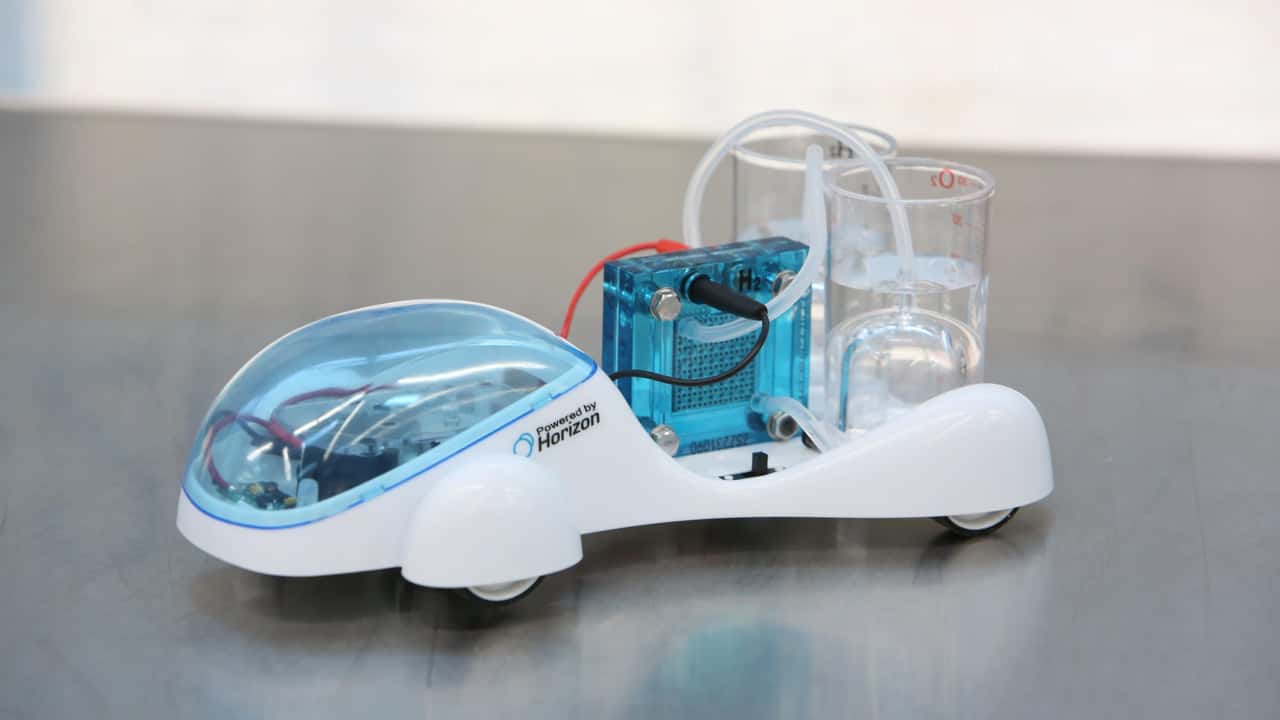
A simplified but functional hydrogen-powered toy car.
Photo by: Toyota
The rest of the in-classroom content was inoffensive, though, with a big focus on the fundamentals of battery chemistries, different kinds of charging, core concepts like kilowatts and kilowatt-hours, and an overview of battery recycling efforts.
The best part, though, was the interactive bit. Here, Toyota had employees build an electric motor using nothing but a screw, a magnet, a AA battery, and a piece of wire. Participants built a rudimentary potato-based battery, too, and saw the different charging outputs in action. Plus everyone got a demo of the instant torque of an EV motor, using a tiny remote-controlled Land Cruiser to yank a cylinder head that weighed over 30 pounds.
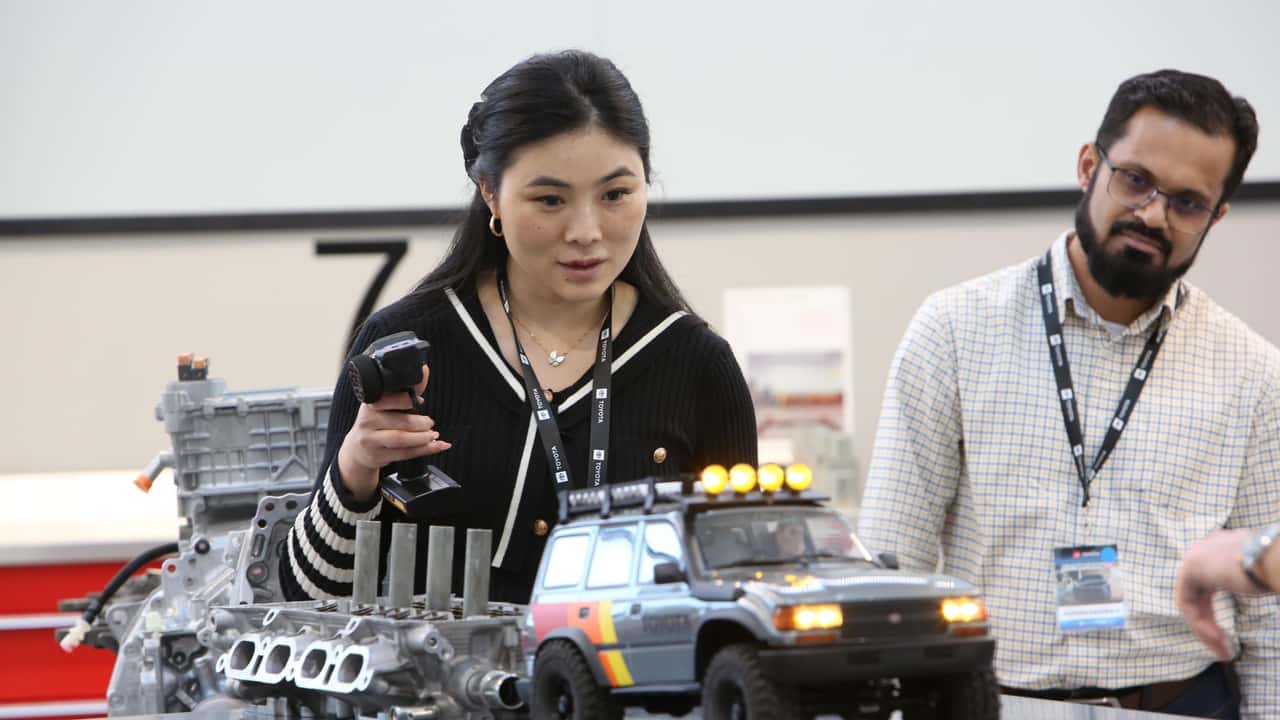 Photo by: Toyota
The Lesson
The takeaway was pretty clear: Electric motors are an incredible technology. A presenter showed us a stripped-out version of a Toyota V-6, with all of its complicated accessories and intricate parts. Then they showed an equivalent electric motor, which made more power in a far smaller footprint, with a much simpler design. Even integrating a motor into a gas powertrain—using the company’s hybrid system—reduces complexity, as you can get rid of the finicky transmission.
The point was that adding electric propulsion to any powertrain can make it more efficient with limited sacrifices. The further down the path you go, the simpler it gets. By the time you have a true battery electric vehicle, there’s a lot less to go wrong.
That doesn’t make it a solved science. Toyota representatives were pretty clear that the company wants to see battery chemistry and infrastructure improve considerably before they see EVs as the one-size-fits all approach. But from where I sat, it was clear that the company was trying to get its employees excited about an all-electric future.

Toyota has been rapidly debuting new EV models, including the C-HR, bZ Woodland, the updated bZ, Highlander (pictured), Lexus ES, and TZ in the last 18 months alone.
Photo by: Toyota
The Opportunity
That’s important, because it’s the only way people will make long-horizon decisions. If you’re unaware of the long-term benefits of electrification from your seat in corporate procurement, you may only see the added cost of new component designs, or the headache of onboarding new suppliers. You’re going to resist change. People usually do.
But if you get people excited, they’re willing to endure that short-term complexity for a long-term goal, and to push other people towards that goal. Just ask Brigette Armato, a Toyota employee who attended the class. She admits she knew “nothing” about EVs and hybrids going in. Now, though, she’s become an advocate.
“I work with our lease experience team, so I’m actually working with the customers and the vehicles. This was extremely helpful because now I can have an educated conversation with them and maybe convince them to go for an electric vehicle, whereas before I don’t think I had that skill,” she told me as the students were filing out of the classroom.
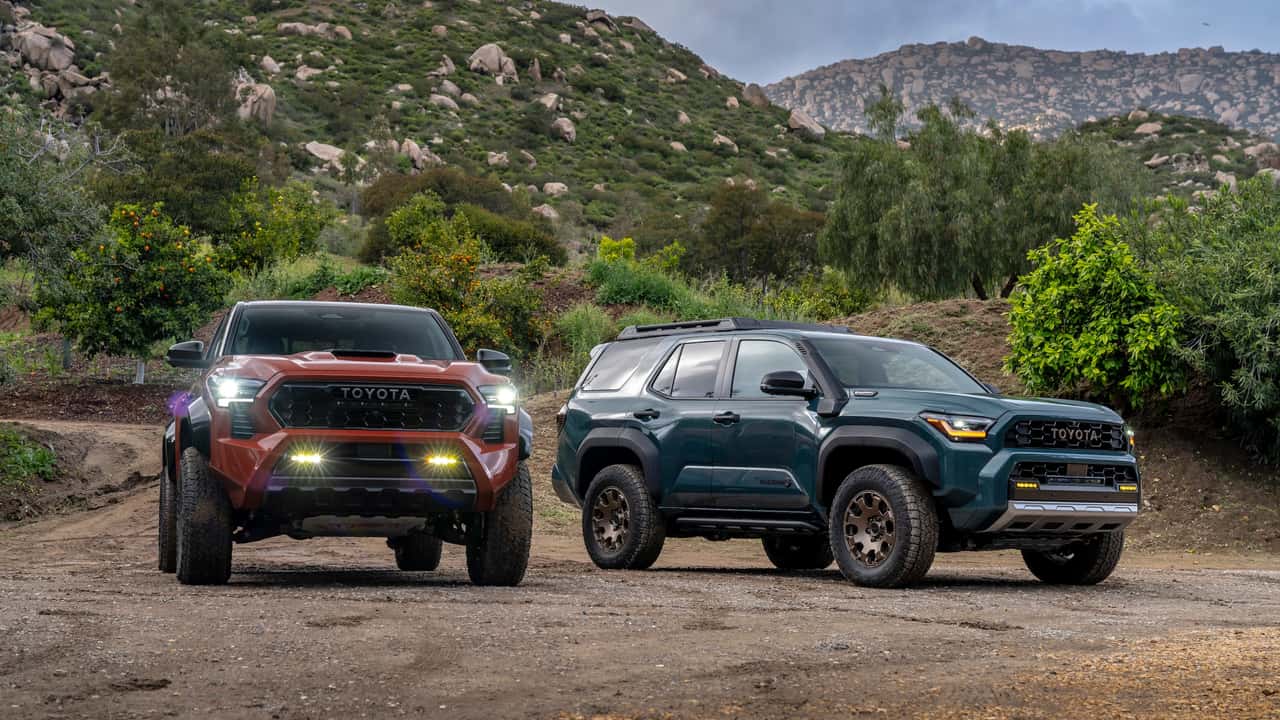
The current Tacoma and 4Runner are offered as hybrids, but Toyota has yet to make a fully electric version. Based on the tepid consumer response to electric trucks so far, that may be a good thing.
And it’s not just Toyota customers that she wants to push towards EVs. She’s now highly considering one herself, though she’s plenty attached to her current Toyota 4Runner. If there was an electric alternative, though, she’d love to take the plunge.
“I wish we would gravitate more towards electric vehicles across the lineup,” she told me. You and I both, Brigette. The good news is, with hundreds of people attending these classes, and a long waitlist for the next version, there will be a growing number of EV believers within Toyota’s North American headquarters. It’s not like they were actively resisting before; it’s just that—like most car buyers—many didn’t know any better.
Contact the author: Mack.Hogan@insideevs.com
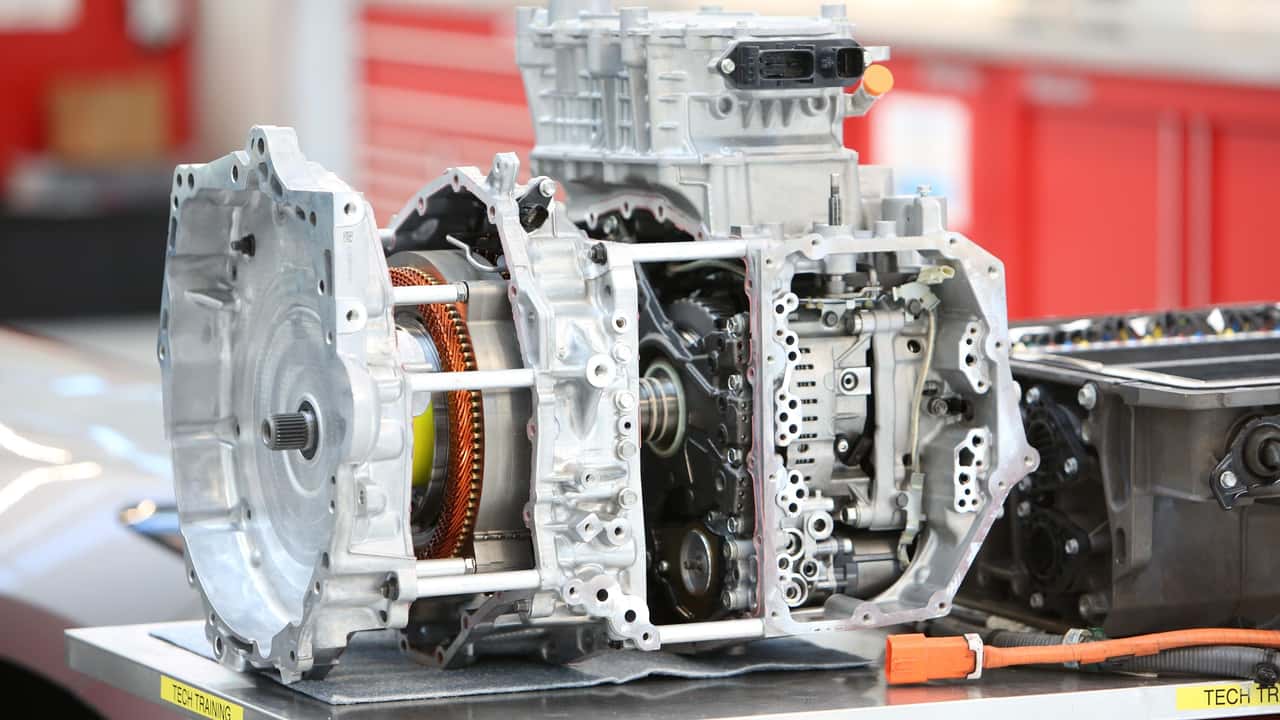
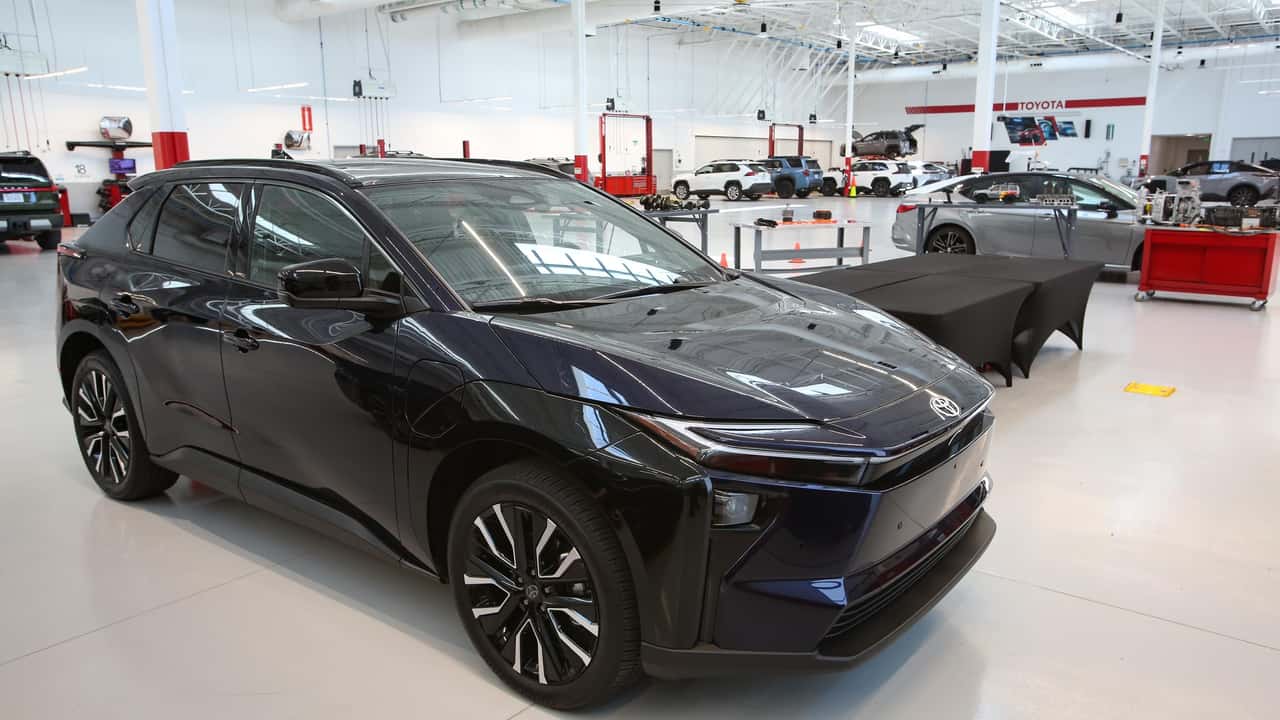
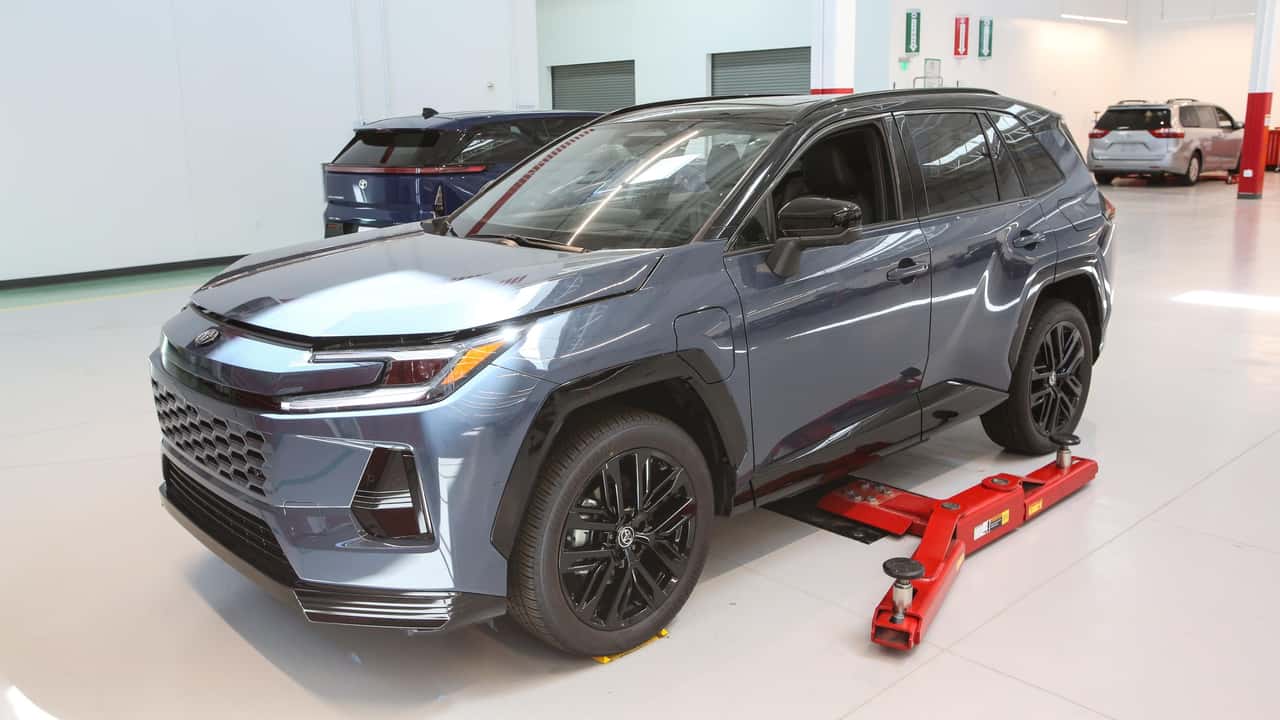

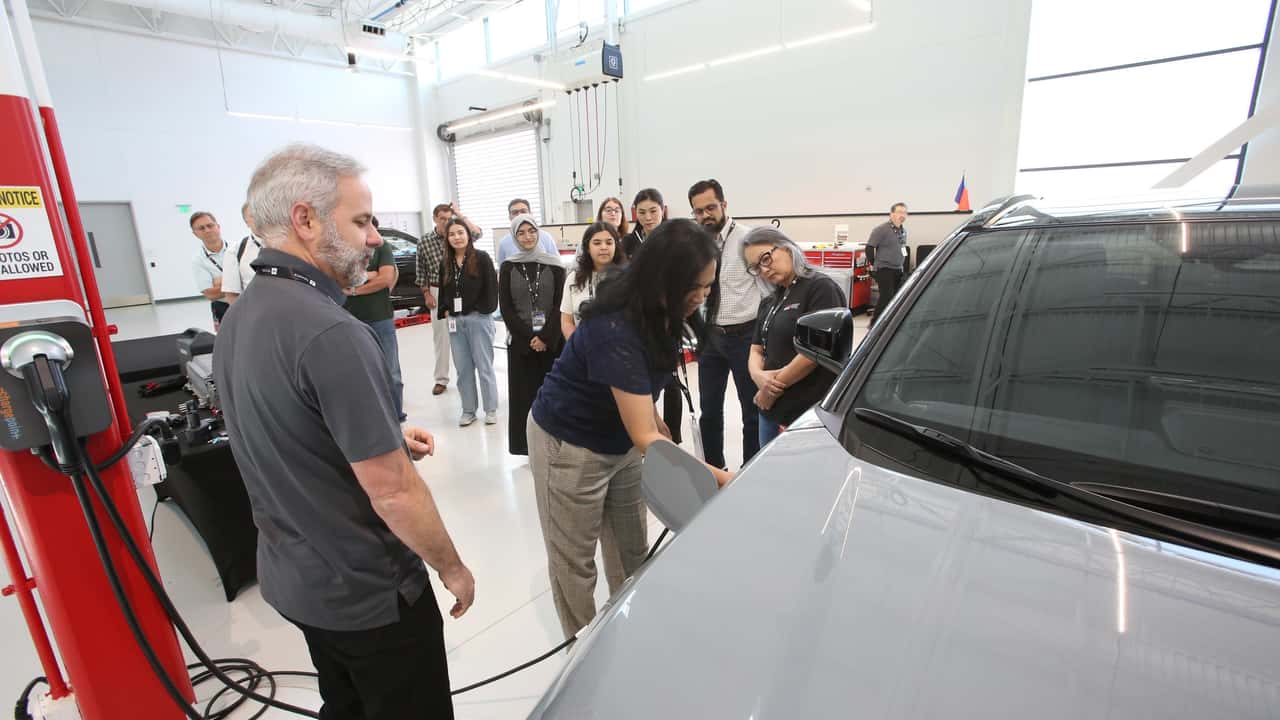
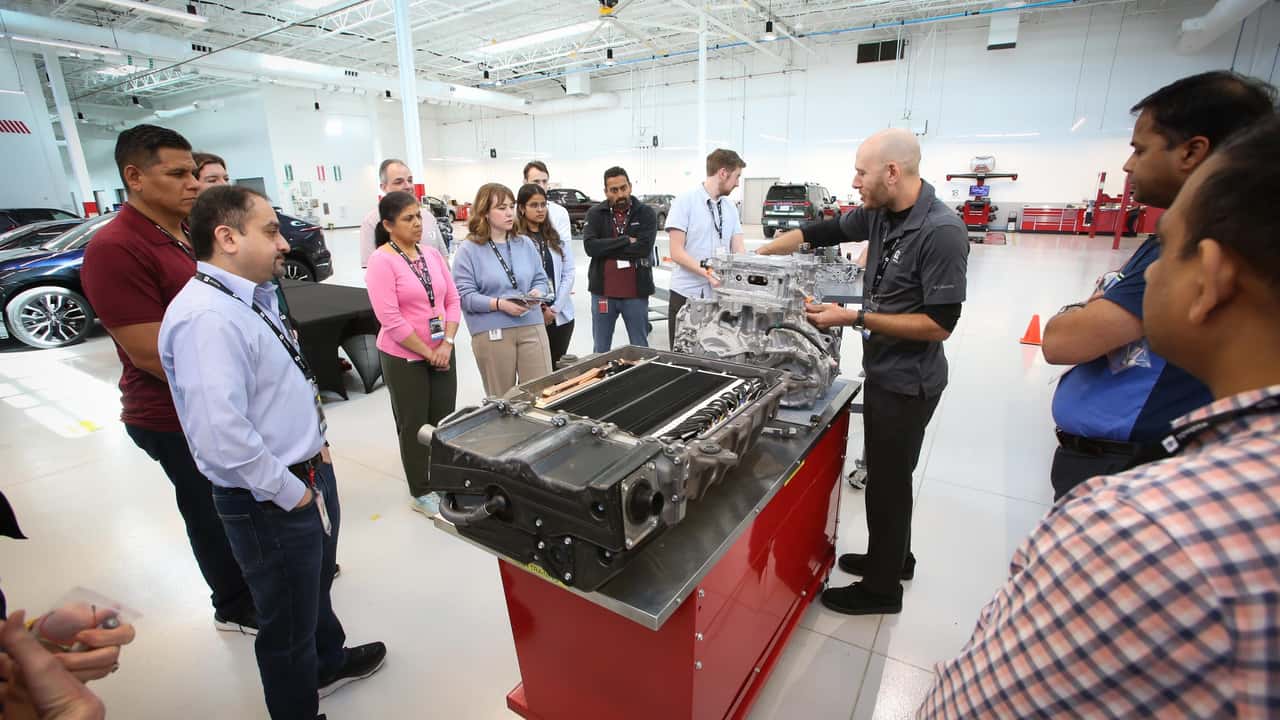
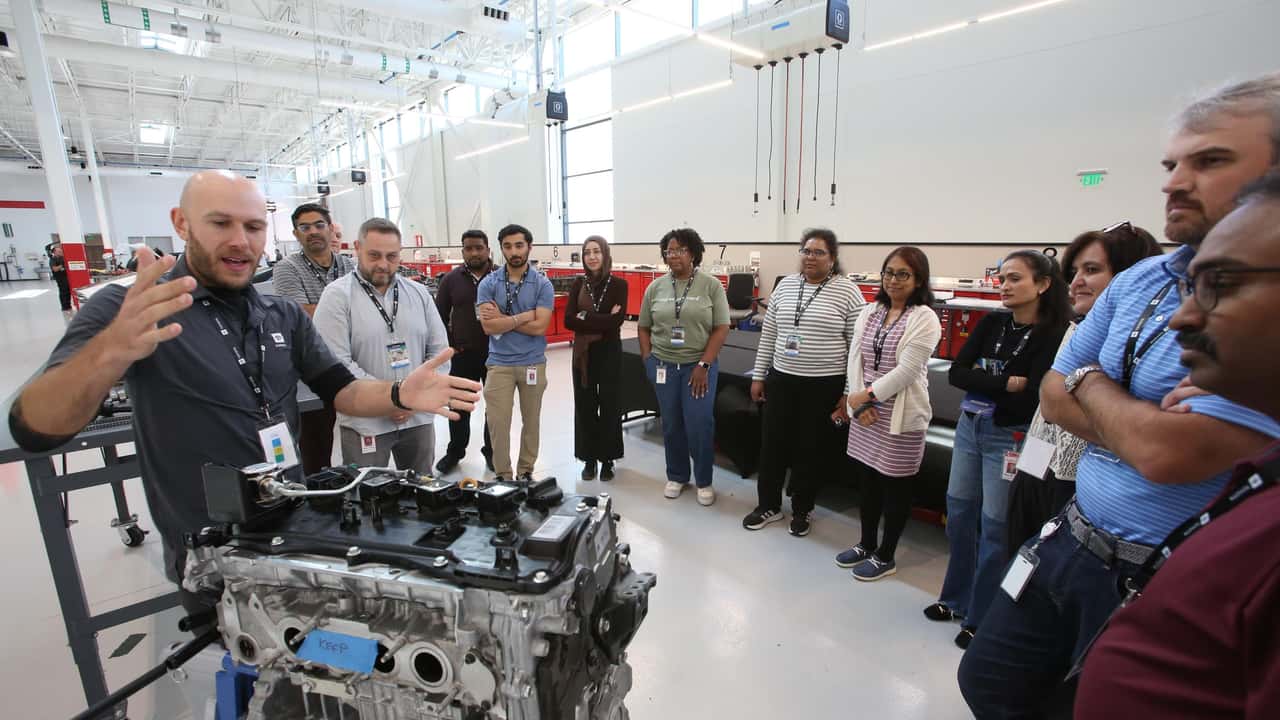
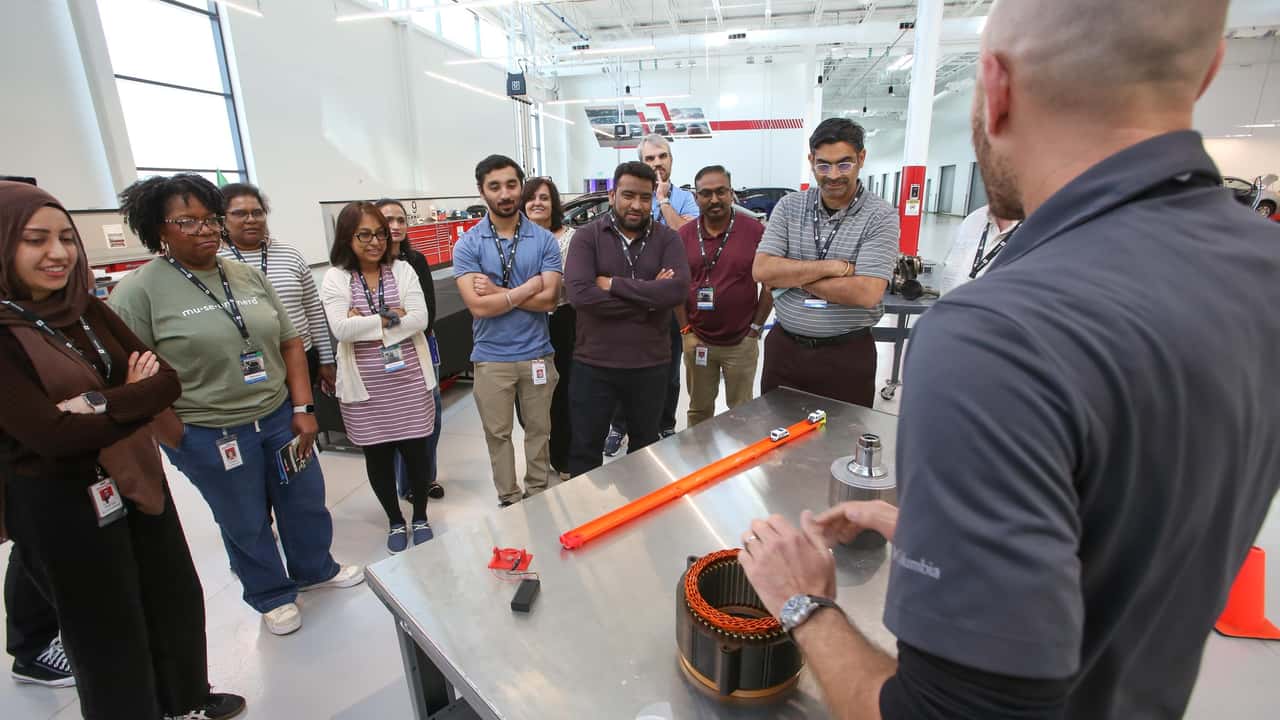
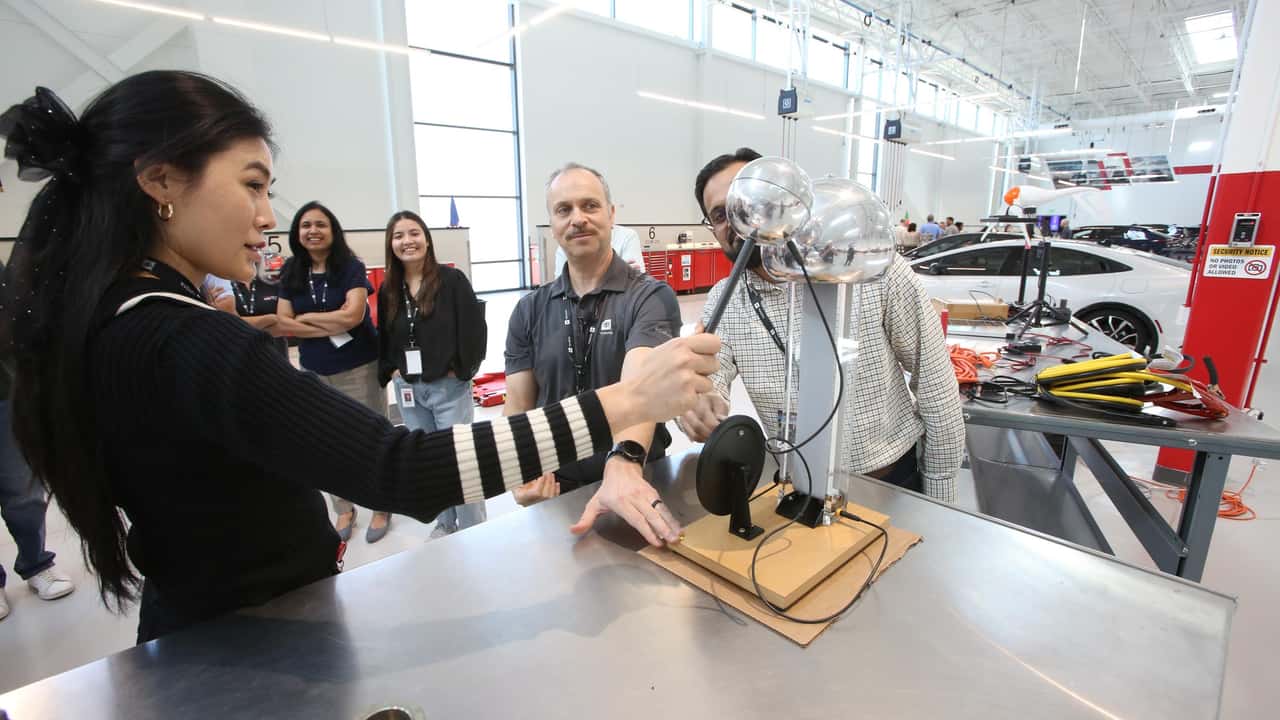
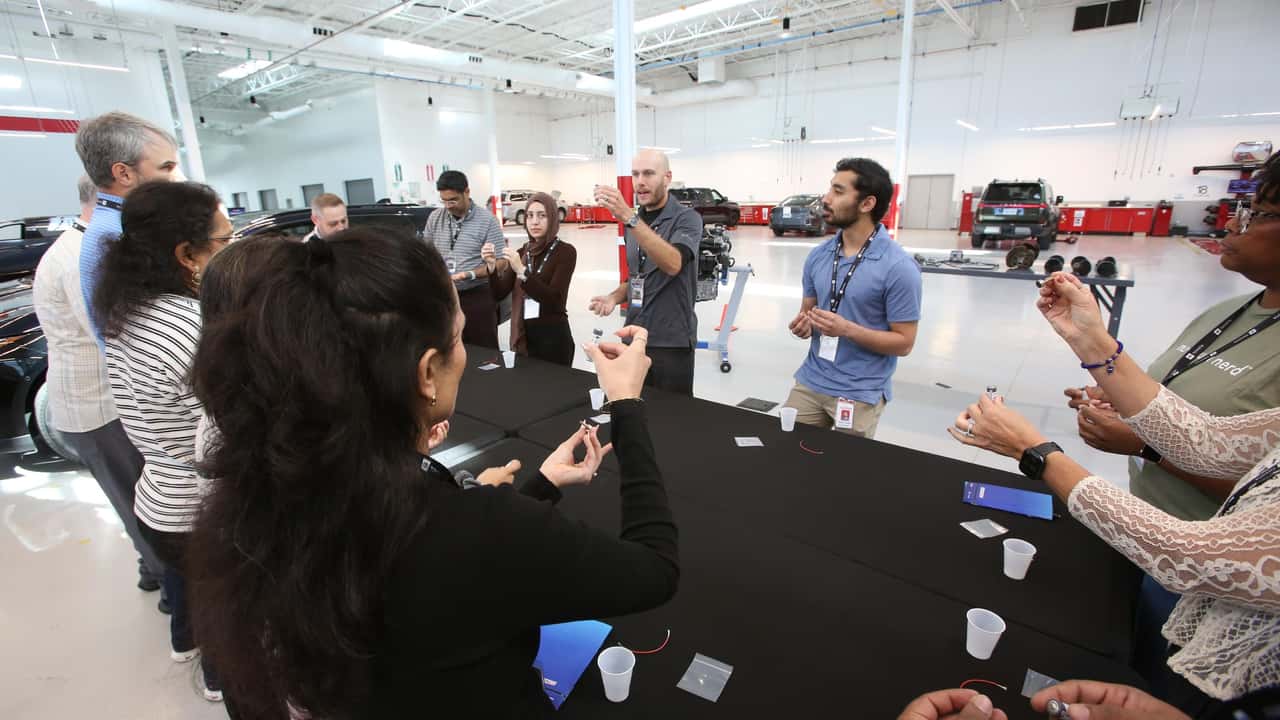
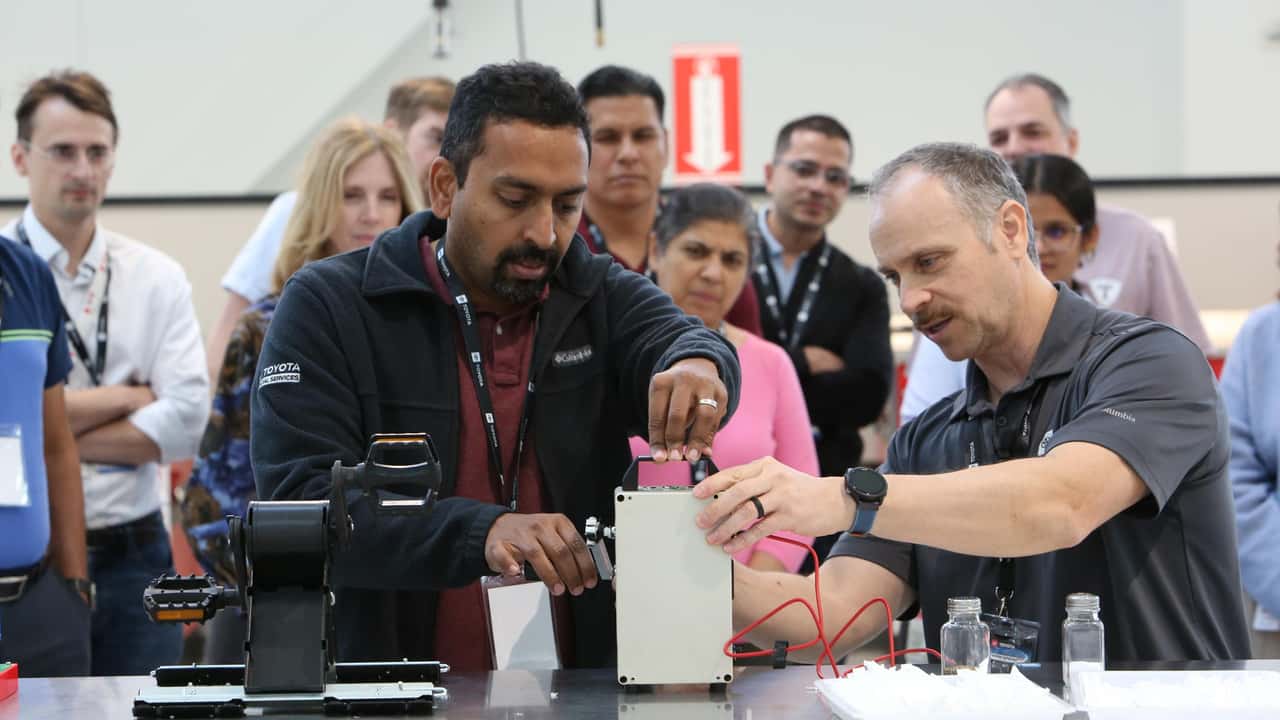
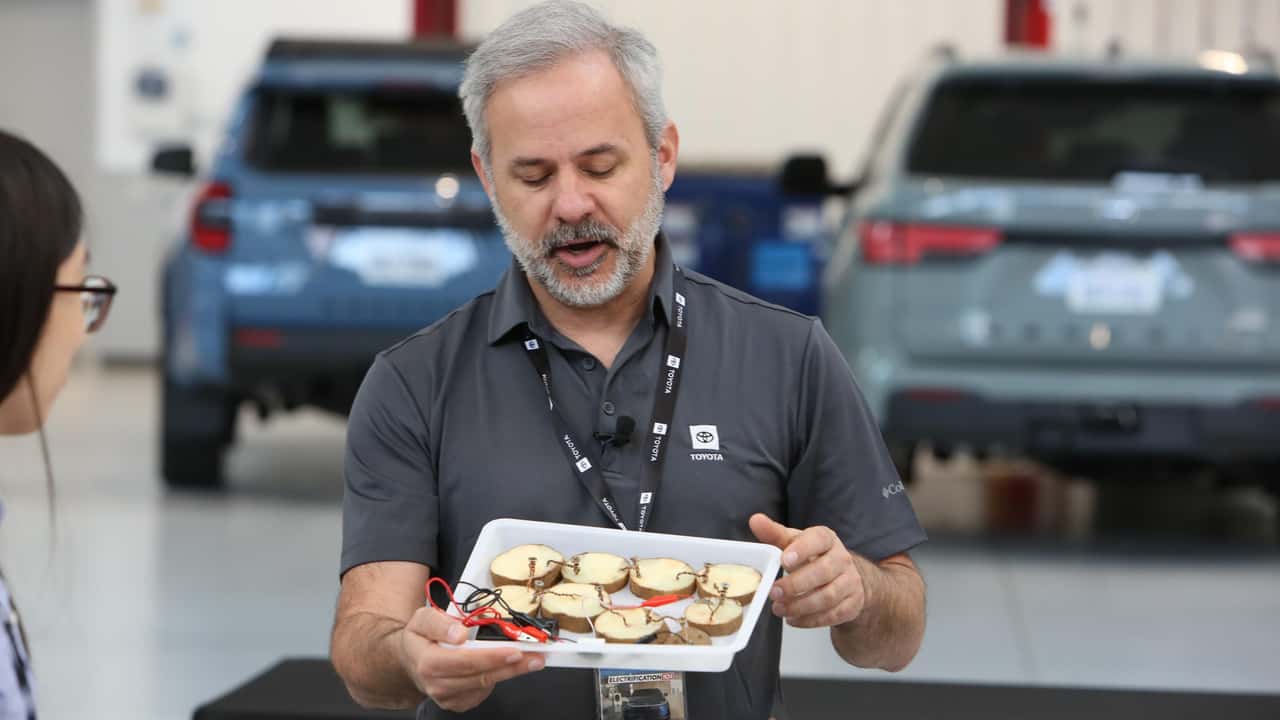
]]> contact@insideevs.com (Mack Hogan) https://insideevs.com/features/806068/toyota-electrification-101/ https://insideevs.com/features/805932/the-genesis-gv90-blew-me-away/ Mon, 24 Aug 2026 20:08:52 +0000 Genesis' First Few EVs Didn't Blow Me Away. The GV90 Flagship Did Genesis' EV efforts got off to a slow start. But the GV90 is here to fix that.
Genesis’ first EVs didn’t blow me away. But its new GV90 electric flagship did.
It’s as simple as that. The company’s parent, Hyundai Motor Co, has had tremendous success with electric models. The Hyundai Ioniq 5, Ioniq 9, Kia EV6, and EV9 all launched to critical acclaim and quickly racked up sales. But Genesis’ electric ambitions got off to a shakier start.
Despite packing the same 800-volt power electronics as their Hyundai siblings, the GV60, Electrified GV70, and Electrified G80 all came with big catches. The GV60 was a lovely performer, but middling range and an awkward, small shape make it a niche player in the U.S. The GV70 and G80 EVs are both converted gas cars, with all of the packaging compromises that entails. None of them have been compelling enough to become massive sales successes or really elevate the badge, in my view.
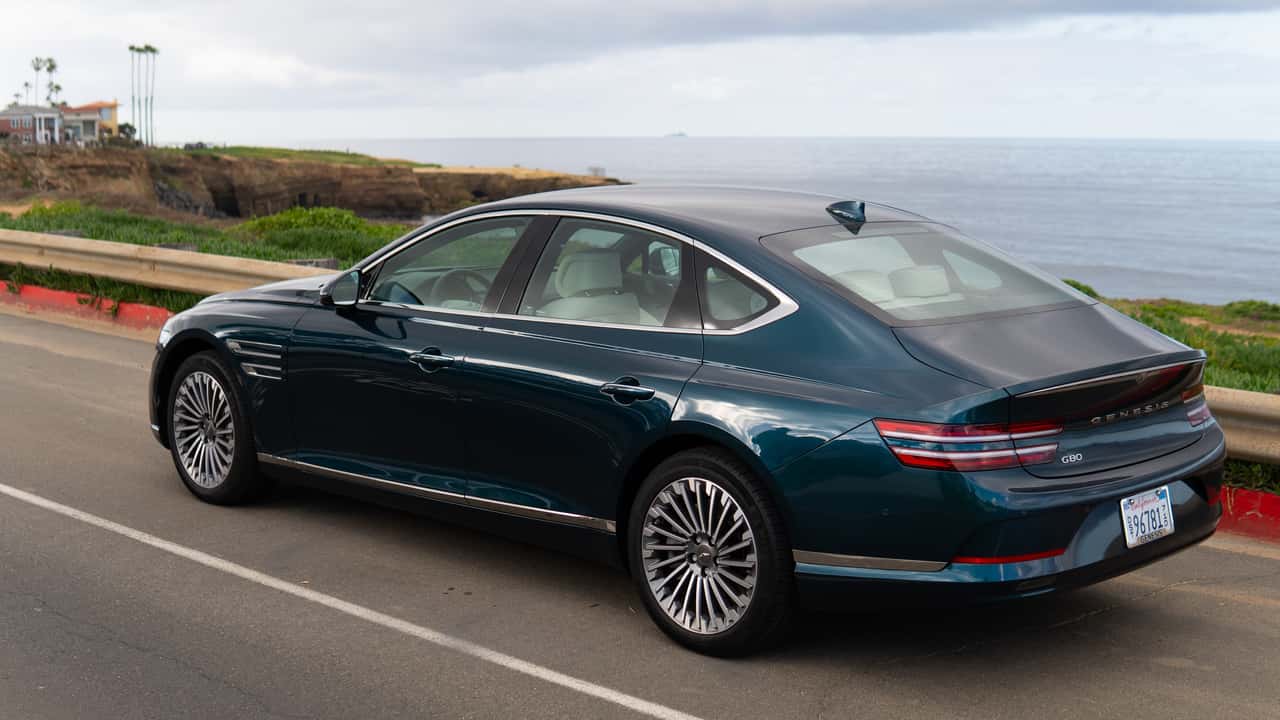
The Genesis Electrified G80 may have looked good, but it rode on a gas-car platform. That made it compromised in more than a couple of ways.
Photo by: Mack Hogan/InsideEVs
The new GV90 is different.
I’m en route back from the reveal event of the three-row flagship, and I’m far more optimistic about this than any aspirational Genesis product to date. Its specs are good, if expected: Over 300 miles of range, 657 horsepower, and 350 kW charging that can get you from 10-80% in as little as 22 minutes.
But the real showstopper is the design. The GV90 offers massive, 24-inch wheels and a sleek, minimalist design. Its lights sit flush with the bodywork, packing all of their functions into two slim light bars. The rear end has the contours of a classic American station wagon, but with a futuristic flourish. It’s all simple enough, but the result is stunning.
Then you see the Neolun, and its big, silly, glorious doors. Call them coach doors or suicide doors, but probably not “Neolun Arch Doors,” as the brand suggests. Either way, they open from opposite directions to reveal a wide open, B-pillar-less cabin. There’s a wide open space between the two rows, leaving room for the front seats to pivot 180 degrees and face the rear.
Keep them face forward, and you can bask in the potent glow of a 23.6-inch OLED display. That’s if you’re moving. When parked, you can grab an extra inch, with the whole thing motoring up to give you a better movie-viewing experience. Yes, there will be video streaming apps, along with plenty of new software features.
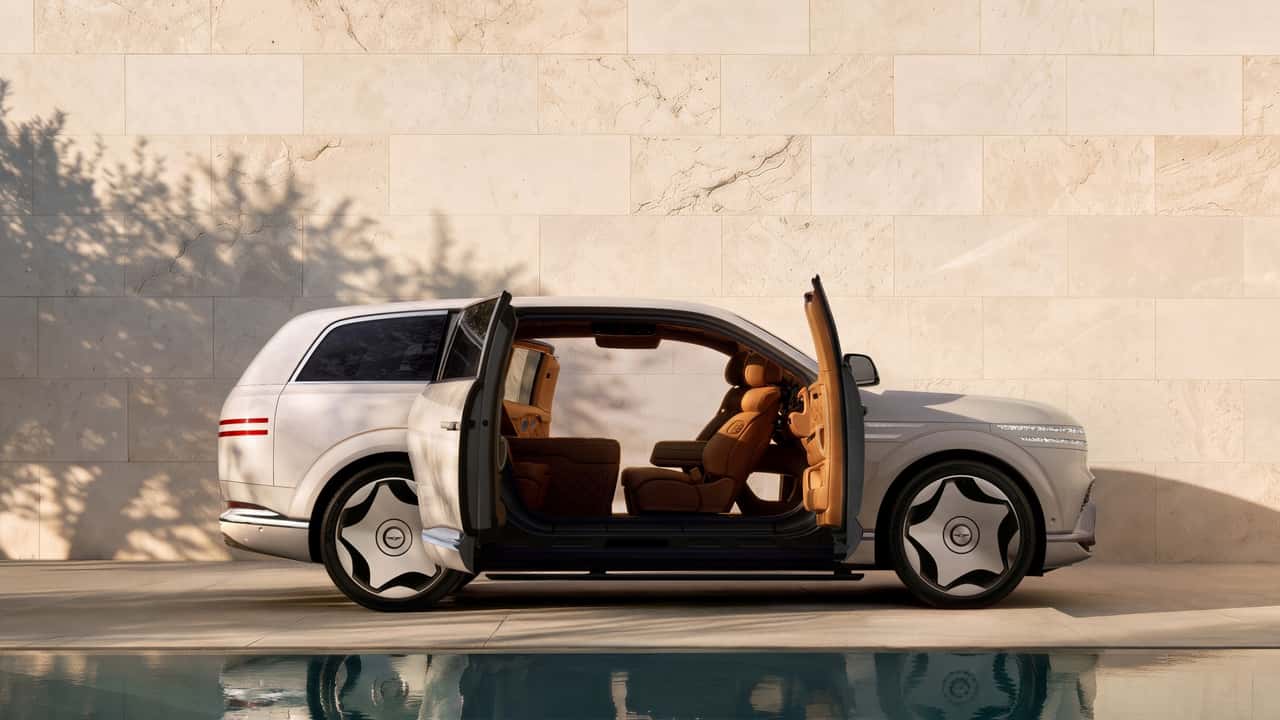
The coach-door equipped "Neolun" ultra-luxury model offers heated floors and swiveling front seats.
Photo by: Genesis
The tweeters on the dash are mechanized, too, with a little curtain-opening sequence that plays on startup. That’s when the motorized PRNDL lever—positioned facing straight up from the steering wheel at rest—pivots down to its operating location on the right side of the wheel. The central controller in the console spins and reveals itself, too. The vents even auto-target your face. You get the impression that there are a lot of helpful little gizmos spinning around you, and the car’s ability to surprise you is charming.
It should be plush to drive, too, as the gas-powered G90 flagship sedan is a butterball. Every Genesis has come off the line with excellent driving dynamics, and with air suspension, active dampers, and two limited-slip differentials, I expect the GV90 will be no exception.
 Photo by: Genesis
At its best, a luxury brand is doing things no competitor can match. And when I saw the stability of the massive coach doors, the spinning seats, and the opulent interior, I realized that very few companies can make an EV that feels and looks this good. More than any EV the company has done before, this one looks like it’s pushing the boundaries.
Will that make it a hit?
I can’t answer that without a key detail: the price. Genesis didn’t say a word about its starting MSRP, but I think we can safely assume it’ll be eye-watering. A fully loaded G90 is already $107,945, and the GV90 is far bigger, more powerful, offers more equipment, and has fewer direct competitors. Cars like the Cadillac Escalade IQ and Mercedes-Benz EQS SUV both compete in a similar segment, but top-end versions of both cost well over $150,000.
I think the base GV90 will come in well below that and capture a very reasonable customer base, with its three rows of seats and captivating design. But it’s the Neolun that’ll make people ask “what is that?” And that one’s going to be an interesting sell. Because things like coach doors, 24-inch-wheels, and dramatic sand-colored paint are made to broadcast status and opulence. But if that’s your target, and you’re spending a six-figure sum to hit it, will you spend that cash on a relatively new brand?
 Photo by: Genesis
Genesis is betting that the dramatic design and cush dynamics will sell it. The company is also introducing a new generation of software, building out its dealer network, and quickly updating its core lineup. The goal is that the GV90 serves as a brand-elevating flagship to keep new, wealthy customers pouring in.
Will it work? Genesis executives pointed to a 22-month streak of year-over-year sales gains, with the brand setting sales records over and over again. It’s done that with solid products and great designs. The question was whether it could reach the next level. With the GV90, I think it can.
The Genesis GV90 Is Here And It's Like a Luxury Lounge On Wheels
The Genesis GV60 Magna Has 641 HP And Fake Gears. We Finally Know How Much It'll Cost
Hyundai’s New ‘Pleos’ Infotainment System Gets All The Right Features
My Only Complaint About Genesis' EVs

]]> contact@insideevs.com (Mack Hogan) https://insideevs.com/features/805932/the-genesis-gv90-blew-me-away/ https://insideevs.com/features/805225/telo-electric-truck/ Mon, 17 Aug 2026 20:32:02 +0000 Is Telo Trucks The Real Deal? I Interviewed The Founders To Find Out Telo says its mini electric truck will offer 350 miles of range, four doors, and the same bed length as a four-door Toyota Tacoma.
Telo trucks has made some big promises. Its upcoming MT1 electric mini truck is supposed to deliver up to 350 miles of range, 8,000 pounds of towing capacity, 500 horsepower, ultra-fast 800V charging, and a five-foot truck bed in a footprint no longer than a two-door Mini Cooper.
But as America's graveyard of EV startups grows, is Telo prepared to go the distance? I interviewed two of the company's founders to find out.
Both CEO Jason Marks and CTO Forrest North say that the company's first product is almost ready to launch. But both are also honest that high-volume production isn't the immediate goal.
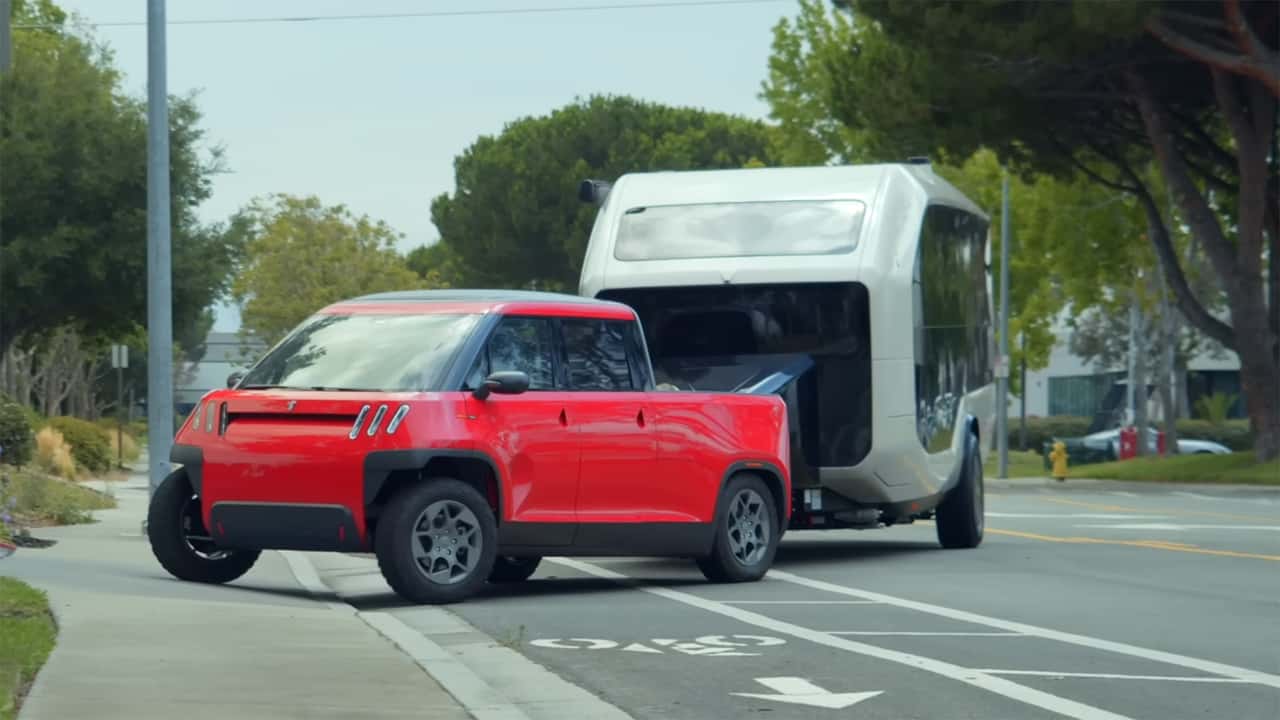
Telo says the MT1 will tow up to 8,000 pounds, which is more than any Toyota Tacoma or Ford Ranger can pull. It'll also have better payload capacity than existing midsize trucks and—with the help of a folding mid-gate—room to fit 8-foot-long items.
Photo by: Telo
"We're not looking at going to 100,000 units in year one," Marks told me. "We're looking to get to 500 units on year one, 5,000 units on year two, and only once we establish that can we really go mass market and scale."
Marks likens the approach to Tesla, which launched with the low-volume Roadster before building the more mass-market Model S. The company made fewer than 2,500 Roadsters between 2008 and 2012. Telo wants to run the same playbook, which should come as no surprise given that Tesla co-founders Martin Eberhard and Marc Tarpenning are investors in Telo.
The company says production of the MT1 will start this year, but don't expect a massive outpouring of cars. For now, the company is hand-assembling vehicles in its San Carlos, California headquarters. Marks points out that the components they're using are often made on highly automated lines, though, and just need to be fitted together for final assembly. The structural body-in-white, for instance, is made by established Tier 1 automotive supplier Schwab in the Detroit area.
Still, the company has a lot of growing to do before it can reach volume assembly. Its bet hinges on Americans getting excited about the MT1. They pitch it as an attainable electric alternative to gas trucks, which have gotten too large to be practical in urban environments. The kei-truck-inspired MT1 aims to offer urban and fleet buyers the same bed size as a Tacoma, better towing, better payload capacity, and a similar price: roughly $42,000 to start, or $46,000 if you want all-wheel-drive.
Telo Says Its Tiny EV Truck Can Tow More Than A Base Ford F-150
Telo's Tiny Electric Truck Moves Closer To Reality With An Important New Partner
Slate Vs. Telo: How The EV Truck Startups Stack Up
The Telo MT1 May Be Tiny, But It's Still Built For Hard Work
It's a compelling pitch. As a mostly urban EV fan who wants something that can easily haul bikes and camping gear but still park on crowded streets, I certainly get the appeal. But I'm an EV blogger in California, hardly a stand-in for the average truck buyer.
Telo is convinced that it can show Americans a smarter, more practical way, wrapped in a cute package. I'm interested to see if they can pull it off.
Contact the author: mack.hogan@insideevs.com.


]]> contact@insideevs.com (Mack Hogan) https://insideevs.com/features/805225/telo-electric-truck/ https://insideevs.com/features/804570/old-model-s-degradation-diaries/ Fri, 14 Aug 2026 13:00:00 +0000 Used Tesla Model S Prices Have Fallen Dramatically. But Their Batteries Are Holding Up Great Many aging, high-mileage Model S sedans retain much of their original battery capacity; they’re remarkably cheap to buy, and some still offer free lifetime Supercharging.
Early Tesla Model S sedans have reached the most interesting stage of their lives. These cars, which were once worth six figures, can now be found for less than the price of a new Honda Civic. They still offer generous passenger and luggage space, effortless performance, and enough real-world range to work as everyday family cars.
But most people want to know one answer before snapping one up: How has the battery held up? Most used car buyers likely assume that an old EV like an early Model S must have lost most of its range by now, and they don’t want to have to deal with replacing the pack. There’s good news, though: They probably won’t have to.
Welcome to Degradation Diaries, my column that breaks down everything you need to know about how EVs age.
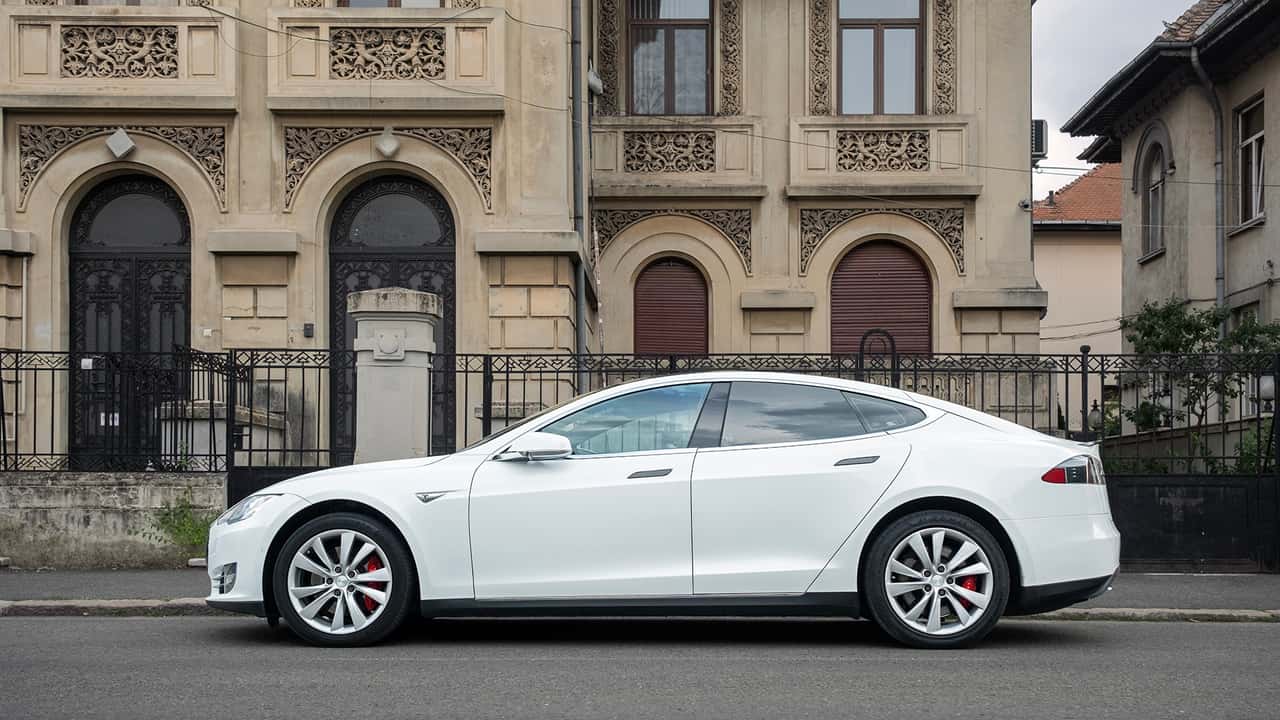 Photo by: Andrei Nedelea
The fear is understandable. A replacement high-voltage pack could easily turn a cheap used Tesla into a ruinously expensive one, and most early cars are now beyond their original battery warranties. But the evidence from surviving high-mileage Model S’s suggests that the battery may not be the component buyers should fear most.
While the Nissan Leaf has probably made everybody fear battery degradation more than they should, the Model S does the exact opposite. Even examples that are over 10 years old and have covered around 200,000 miles still typically retain between 85% and 90% of their original capacity, depending on the kind of life they lived.
That still translates to a real-world range of around 200 miles (320 km), which is pretty acceptable even by current standards. That’s still enough to make it a thoroughly usable daily driver.
This One Has Covered 160,000 Miles, And It’s Fine
 Photo by: Andrei Nedelea
I recently drove a 2015 Model S P85D that had covered almost 160,000 miles (roughly 260,000 kilometers) on its original battery. Since it had older MC1 hardware, it couldn’t perform an overnight battery health test, which paints an accurate picture of the battery pack's health. However, you can connect it to the Tessie app, which estimated that the pack retained around 86% of its original capacity.
The figure is purely an estimate, but it aligns with actual health tests on similar- or even higher-mileage cars, and it’s certainly an impressive result for a battery that is more than a decade old. The car can still cover around 186 miles (300 km) at highway speeds, or more under easier conditions.
That is a long way behind the latest Model S or most modern midsize electric sedans, but it remains enough for daily use and occasional road trips. And it represents a pretty reasonable level of degradation for such an old EV, as the car came from the factory with up to 305 miles (491 km) of NEDC range and a more conservative 253-mile (407 km) EPA rating.
The performance is also still there. With 691 horsepower, the car I tried could really pin you to your seat, and the acceleration didn’t seem to relent even as you approached and exceeded typical highway speeds. Few cars can keep up with an early Model S Performance, especially off the line.
Battery Health Isn’t Guaranteed, So Test It
 Photo by: Andrei Nedelea
Even if most old Model S batteries seem to have aged quite well, you should still have its battery tested before you buy a used one.
Battery condition can vary depending on a multitude of factors, and two seemingly identical cars built at the same time could have aged very differently because they were used differently. Buyers should never assume that a car is healthy solely because it still shows an acceptable estimated range (although that is a good sign).
But you should never buy based solely on the odometer and the displayed range estimate.
Ask whether the battery or either drive unit has previously been replaced and request invoices wherever possible. These are both big and expensive jobs, so if they were done, the owner likely kept all of the paperwork.
A lengthy test drive is also essential. Arrive with a reasonably high state of charge, monitor consumption and predicted range, and ideally include a Supercharger stop. An old Model S that drives normally but charges abnormally slowly could still be hiding an expensive battery issue.
The owner of the P85D I drove generally limits daily charging to 80%. When he charges to 100%, he begins driving soon afterward rather than leaving the battery full for hours. He also avoids parking the car overnight at an extremely low state of charge. Those habits may have helped maintain the pack's condition over the two years he’s owned it.
The All-Important SC01 Option
 Photo by: Andrei Nedelea
What made the car I tried special was that it had the “SC01” free lifetime Supercharging option, which is transferable to new owners. This means the car saw a lot of DC fast charging throughout its life, and it didn’t destroy the battery over more than a decade of use.
That means a qualifying Model S can continue charging at Tesla Supercharger stations without paying, even after the car changes hands. For someone who drives substantial distances, that can fundamentally alter the ownership calculation.
Its current owner continues to mostly Supercharge the vehicle and regularly takes it on a 250-mile (400 km) cross-country route, which the car never has any issues with. It has saved him thousands in fuel, and the allure of free charging is very hard to ignore.
It can make an old Model S especially appealing to apartment dwellers without private charging or frequent highway travelers. It also makes the car easier to justify despite its relatively high consumption, which is around 20% higher than that of a 2024-2025 Model S (if we compare their official MPGe ratings) and considerably higher than that of a smaller, lighter, and more efficient Model 3.
Its relatively inefficient drivetrain becomes less important when you’re not paying for the energy. There are some limitations, though the biggest is that it only applies to Tesla Supercharger sites.
Tesla’s fair-use policy restricts certain commercial uses, including taxi and rideshare operation, unless charging is paid for. When looking to buy one, you should not rely on the words “free Supercharging” in the ad. Some Tesla charging benefits, like the SC05 option, were tied to the original owner and disappear when ownership changes.
Tesla says the free-charging status can be viewed under “Specs and Warranty” in the app, but a potential buyer can only see it after being added as a driver by the registered owner. It’s very important to have the seller provide the relevant vehicle information and obtain the strongest possible confirmation that the car carries the transferable SC01 benefit before parting with your money.
You can find the SC01 option on vehicles built from the start of Model S production in 2012 through January 2017, but your safest cutoff year should be 2016. The chance of finding one built in 2017 that has this option seems slim, so set your cutoff date at 2016 in your used Model S search just to be safe.
The Rest Of The Car May Be The Bigger Risk
 Photo by: Andrei Nedelea
Pre-2017 Model S sedans have now fallen well into budget-EV territory. Kelley Blue Book currently values most 2015 models at roughly $11,500 to $16,850 from dealers, with private seller values starting at just over $10,000. They originally cost between $70,000 and $110,000, and in Europe they were even more expensive.
Mileage, battery condition, and specifications can move those figures considerably, but usable 60-, 70-, and 85-kWh cars can now cost less than many much smaller used EVs, while early P85D and P90D models offer former six-figure performance-car pace for well under $20,000.
The one I tried was originally purchased in 2015 in Germany for over €130,000, but the current owner picked it up for just €21,000 two years ago. In Europe, the cheapest Model S I found with the free Supercharging option was €14,000 (around $16,000), with a seller-claimed 88% battery health rating. You can probably find them even cheaper.
Tesla Waves Goodbye To Model S And Model X As The Last Cars Roll Off The Line
Tesla Is Killing The Model S. But Its Legacy Is Everywhere
The Last Tesla Model S And Model X EVs Just Got $15,000 More Expensive
2018 Tesla Model S With 104,000 Miles Sells For A Whopping $51K
The irony is that on a decently maintained early Model S, the battery may be the least of your worries. These are aging luxury cars packed with power and numerous electronic components. Door handles, screens, panoramic roofs, climate systems, charging port mechanisms, and air-suspension components are all known to fail and can still result in large bills.
The P85D I sampled had a temperamental powered tailgate and a small leak in its air suspension, which caused the front of the car to sag slightly after being parked for more than two days. The suspension still functioned normally while driving, but leaks can eventually make the compressor work harder and contribute to further failures.
Early MCU1 infotainment computers can also feel slow and have known storage-related weaknesses. Tesla offers an MCU2 upgrade for some older cars, but the retrofit adds another significant potential expense (though it shaves years off the car's feel). If you’re lucky, the previous owner may have already done it.
A cheap Model S is still a complicated flagship vehicle. And while you may get lucky and find one with the SC01 option, its maintenance costs will be similar to those of any luxury car from the era, and even small jobs can end up costing a lot.
It’s Still A Lot Of Car, But Buy Carefully
Assuming the battery and major systems check out, an early Model S still offers an unusual amount of car for the money. It is spacious, practical, and comfortable on long trips, with a large hatchback opening, a useful front trunk, and rear-seat space that remains competitive with many newer EVs.
Its performance hasn’t aged one bit. Even non-Performance early cars are still quick by modern standards, while versions like the P85D remain faster than almost anything available for similar money. The design has held up, too, and a well-kept example does not immediately look like a decade-old EV, and if you think it does, you can retrofit the later facelift front end, which will shave years off.
There are objectively better electric cars today, but nothing comes close for the money. Just have the battery checked, test every powered feature, set aside money for unplanned repairs, and double-check that any SC01 free Supercharging benefit will transfer with the car. Find the right example, and it can still be one of the most compelling used EVs on the market.
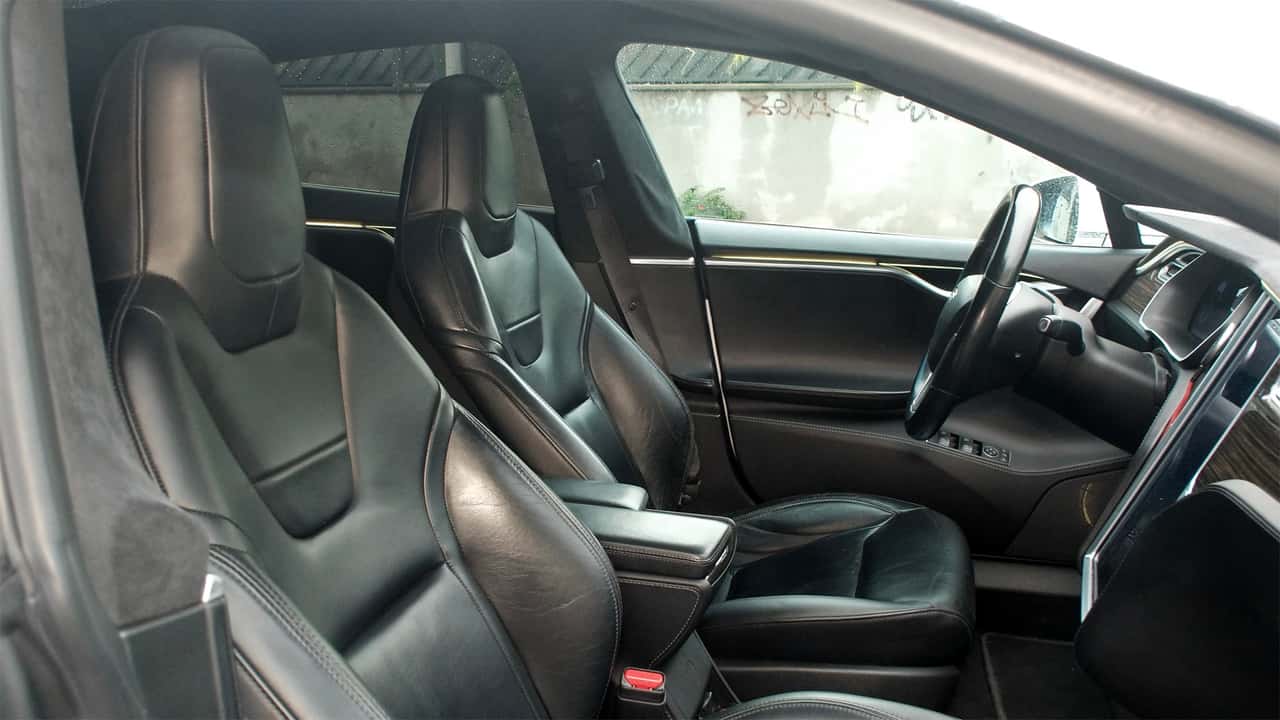
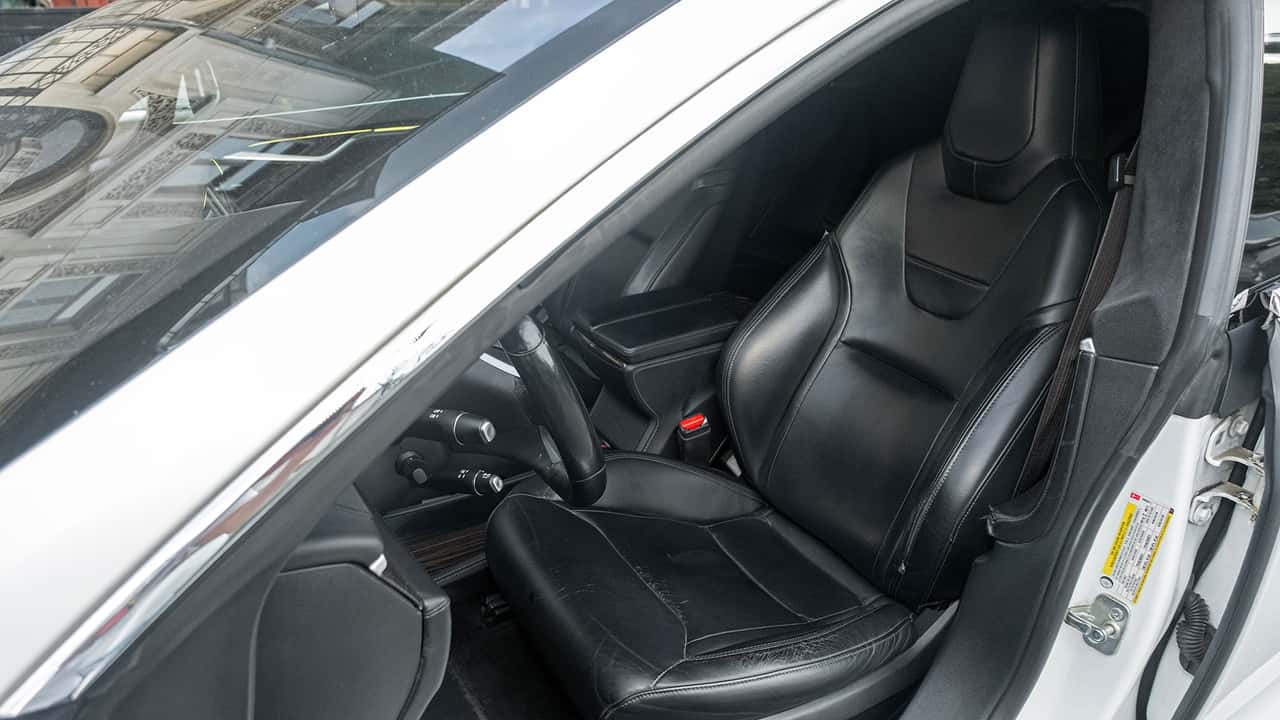
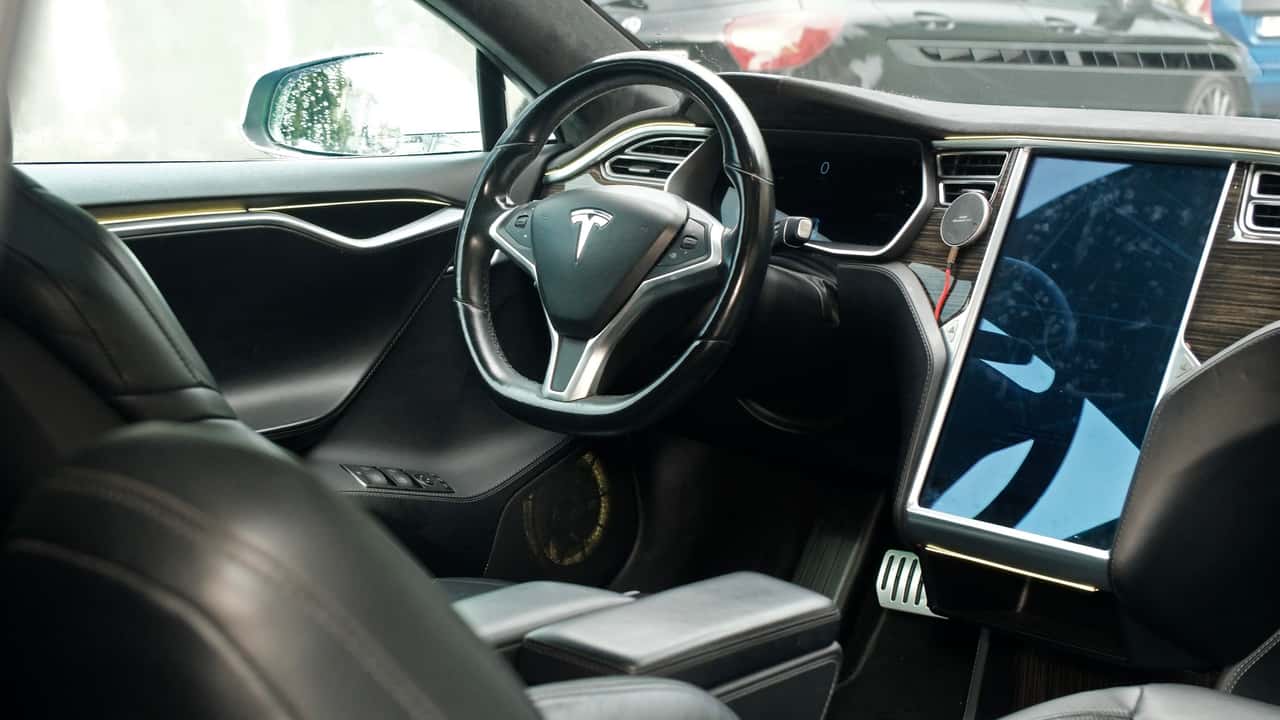
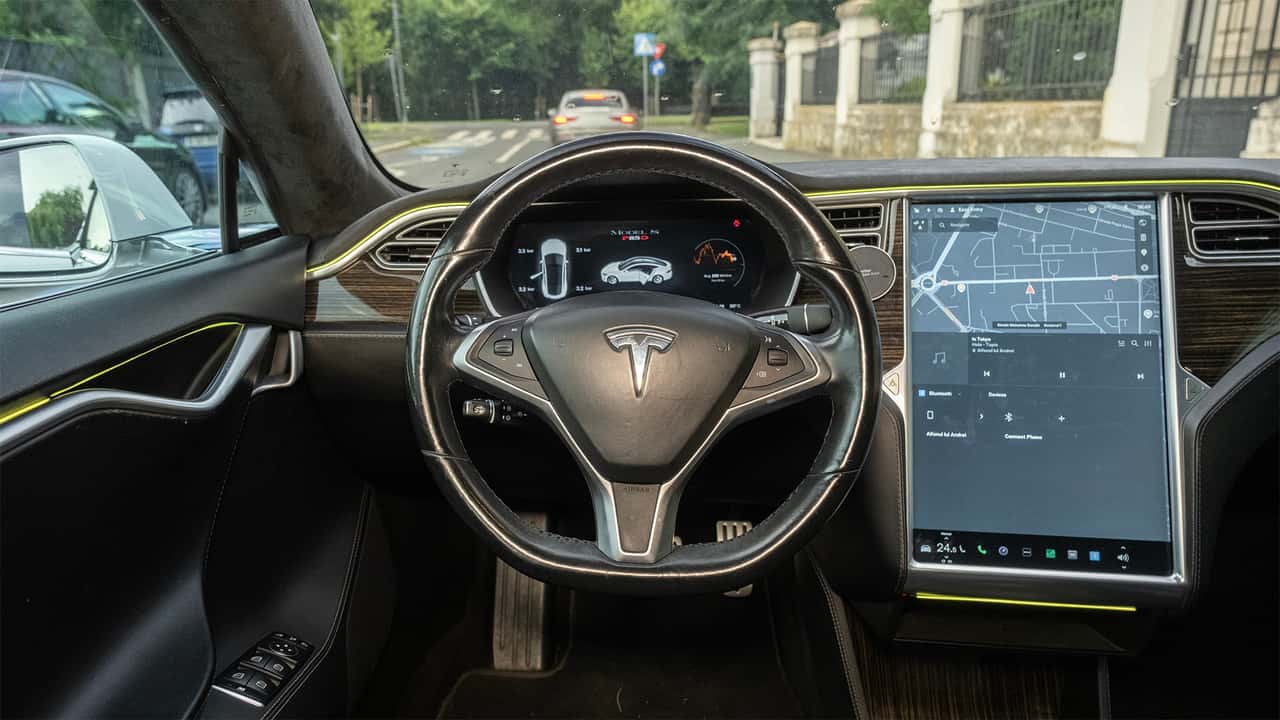
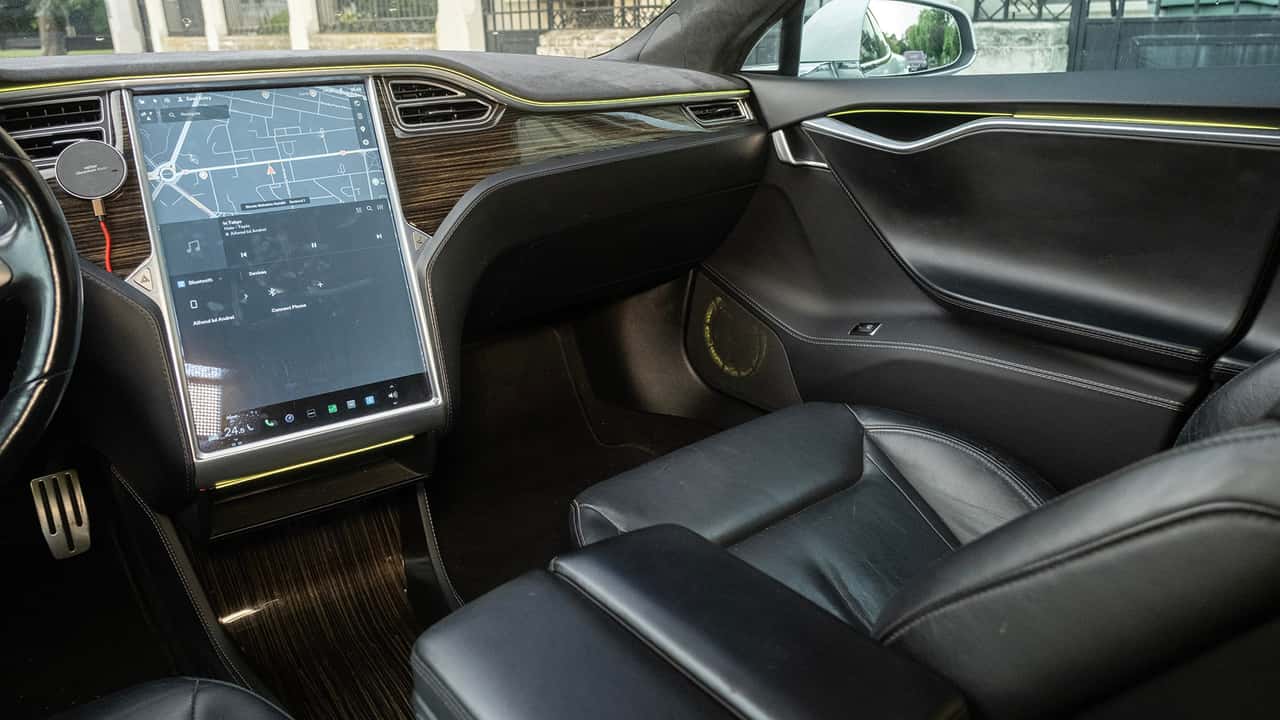
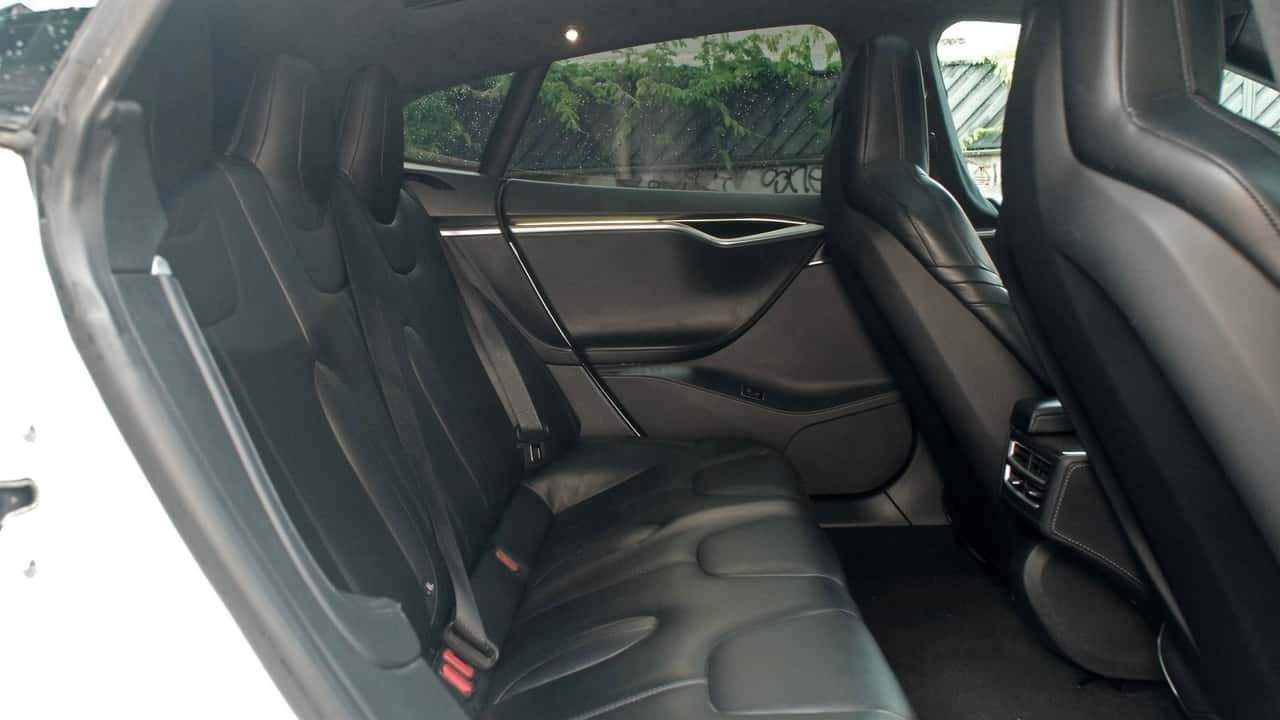
]]> contact@insideevs.com (Andrei Nedelea) https://insideevs.com/features/804570/old-model-s-degradation-diaries/ https://insideevs.com/features/804813/bmw-ix3-romania-roadtrip-transfagarasan/ Thu, 13 Aug 2026 12:31:11 +0000 After 500 Hard Miles In A BMW iX3, Range Anxiety Feels Outdated A mix of highways, country roads, and swift mountain driving showed just how effortless long-distance travel is in BMW’s latest EV.
The itinerary sounded like the sort of journey that should still make an EV driver nervous: cross Romania, climb its highest mountains and drive the Transfăgărășan before returning to Bucharest. But I didn’t just want to see whether the iX3 could complete it—I knew it could. I wanted to see whether it could do so without forcing me to slow down, conserve energy, or plan the entire trip around charging stops.
BMW Romania asked me if I would like to drive an iX3 from Bucharest in the south of the country all the way to Șona, a tiny village in its center, the home of one of the country’s most famous contemporary painters and some ‘pyramids’. The trip involved driving around 220 miles on the first day and slightly more on the return leg, which also involved going over Romania’s most famous mountain road, the Transfăgărășan.
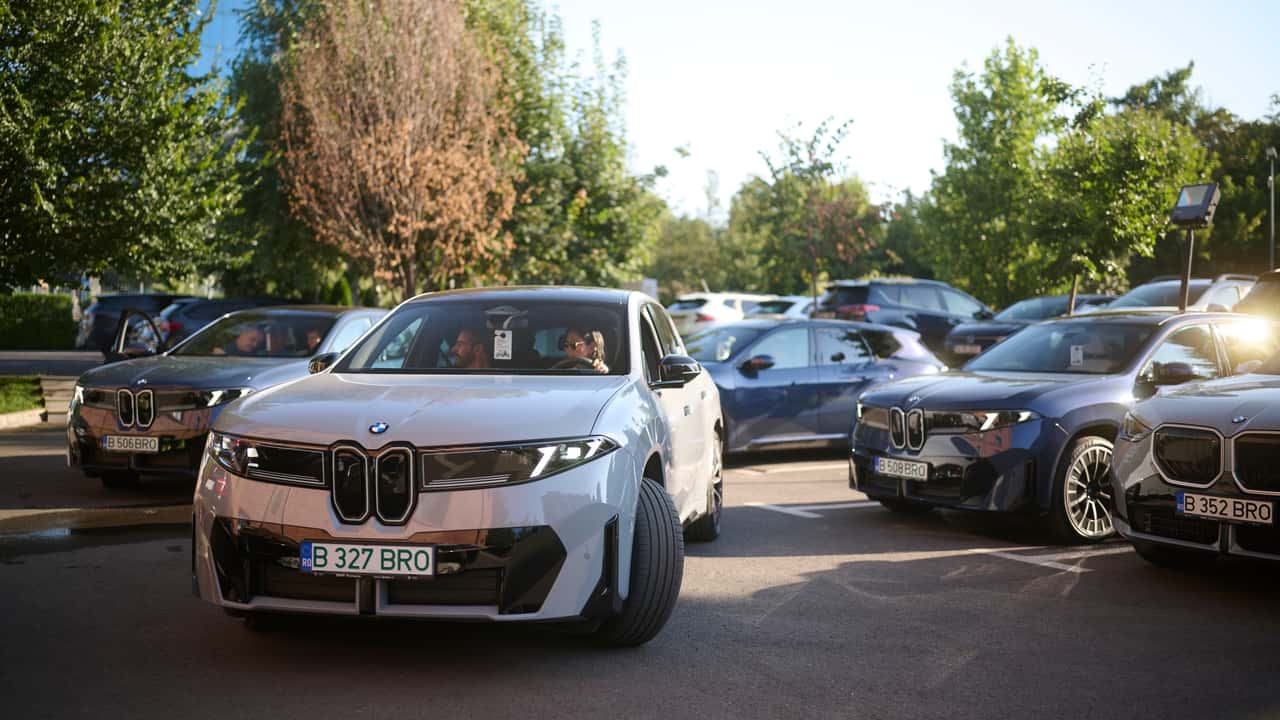
The starting point on day one.
Photo by: Radu Chindriș/BMW Romania
This seemed like a fantastic opportunity to put BMW’s range and efficiency claims to the test, since it was a mixed route featuring only a limited amount of city driving and mostly open-road cruising on national roads and stretches of highway, as well as a mountain road blast on the second day of the trip.
As with any EV I test, I don’t try to adapt my driving style to eke out the most range possible. I drive the car as if it were a combustion car and not always with efficiency in mind. I therefore didn’t come close to matching BMW’s own range record with the iX3, which covered over 620 miles (1,000 km) on a single charge and still had range to spare driving from Hungary to Germany.
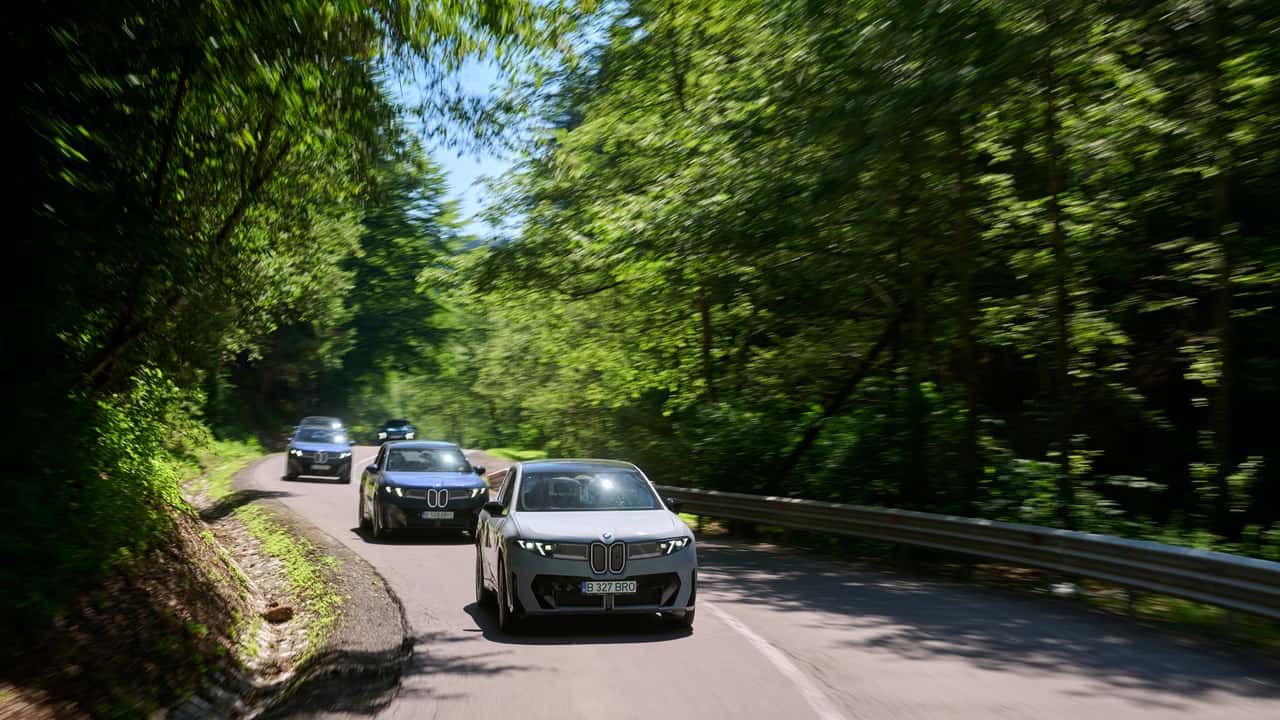
Driving on Romanian country roads.
Photo by: Radu Chindriș/BMW Romania
We departed Bucharest early in the morning with 97% in the iX3 xDrive50’s big 108.7-kWh battery and an indicated range prediction of 353 miles (568 km). In Europe, this iX3 variant has a claimed WLTP range of 500 miles (805 km), while in the U.S., the EPA rates it at up to 434 miles (698 km).
The first leg of day one was mostly extra-urban driving at 62 mph (100 km/h), with a short highway stint at the start. By the midway point, I had covered 112 miles (180.4 km) with an average displayed efficiency of 3.31 miles/kWh (18.8 kWh/100 km).
Adding many narrower, slower country roads into the mix only improved matters. By the time I reached our overnight stop, the iX3 had covered 217.5 miles (350.1 km), averaged 3.53 miles/kWh (17.6 kWh/100 km) and still had 40% remaining. Its range estimate said it could still do another 173 miles (279 km)—enough to make me wonder whether I should refuse the overnight charge and attempt the return journey on the same battery.

A little off-roading to reach the Șona 'pyramids'.
Photo by: Radu Chindriș/BMW Romania
It probably could have done it, but only if I behaved myself: lower speeds, gentle acceleration and perhaps no air conditioning. That sounded considerably less interesting than attacking an empty Transfăgărășan the following morning, so I abandoned the hypermiling experiment. The iX3 was returned to me in the morning with 98% and a newly optimistic 437-mile (703-km) prediction based on the previous day’s efficiency.
We left the pretty town of Sibiu and began making our way to the Transfăgărășan. On the slow-speed cruise up to where the twists begin, the iX3 proved exceptionally frugal, delivering an average efficiency of around 4.44 miles/kWh (14 kWh/100 km). That seems remarkable for a heavy, dual-motor SUV with a huge battery weighing over 5,000 pounds (2.3 tons), 463 hp, and the kind of acceleration that can give you whiplash.
BMW iX3 on the Transfăgrășan.
Photo by: Radu Chindriș/BMW Romania
Sport mode turned my range test into something far less scientific, but still relevant. The iX3 feels like a proper BMW that hides its considerable mass well around the bends, resisting understeer and responding eagerly when you adjust its line with the accelerator. Its low-mounted battery also removes much of the top-heavy sensation that usually reminds you you’re hustling a 5,000-pound (2.3-ton) SUV.
Around the Transfăgărășan’s switchbacks, it felt planted, neutral and far more willing to play than something this large and family-oriented has any right to be. It's more pleasant to drive than its combustion equivalent, the BMW X3.
And one climb up to the summit wasn’t enough. After reaching Bâlea, I descended to Cârțișoara for lunch and then turned around and drove the entire road again, gaining approximately 5,200 feet (1,580 meters) for a second time. When I emerged onto the southern side—roughly 100 miles (160 km) into the day—the battery still showed a reassuring 57%.
At that point, the trip computer indicated an average consumption of 2.1 miles/kWh (29.6 kWh/100 km), after having briefly displayed 1.64 miles/kWh (37.8 kWh/100 km). That figure covered the drive from Sibiu, two energetic mountain ascents and the regenerative descent between them.

Brief stop at a scenic spot close to the summit.
Photo by: Radu Chindriș/BMW Romania
I then continued driving the car down the other side of the mountain (by which time traffic was considerably heavier), and I was able to drive all the way back to Bucharest without charging, and I reached home with 16% remaining, with the return leg also including around 90 miles (150 km) of highway driving done at 87 mph (140 km/h).
That final number was perhaps the most convincing one of the entire trip for me. The iX3 had covered around 250 miles (400 km) on the second day, including a hard-driven ascent up the Transfăgărășan, yet arrived back home with a comfortable 16% remaining.
It didn’t require lowered speeds, switched-off climate control or any of the other compromises once associated with long-distance EV travel. Even after exploiting its plentiful performance and great chassis on one of Romania’s most demanding roads twice, there was still a meaningful energy buffer at the destination.
That is what makes the iX3 such a compelling road-trip EV. Its enormous battery certainly helps, but capacity alone isn’t the full story: the car combines strong real-world efficiency, a reliable, not overly optimistic range prediction, and effortless performance without constantly making the driver think about conserving energy.
It is quick and genuinely enjoyable when the road gets interesting, yet capable of settling back into an efficient long-distance cruise afterward. Range anxiety hasn’t disappeared everywhere, especially where charging infrastructure remains patchy, but in an EV capable of covering this kind of ground with this much range in reserve, it becomes increasingly difficult to keep finding excuses not to switch to electric.
BMW Has Already Made 50,000 iX3s. Demand Is Nearly Double
A BMW iX3 Charged For Just 15 Minutes. Here's How Far It Drove On The Highway
The BMW iX3 Just Aced Euro NCAP’s Newer, Stricter Safety Tests
The BMW iX3 Just Drove Over 500 Miles In A Demanding Real-World Range Test





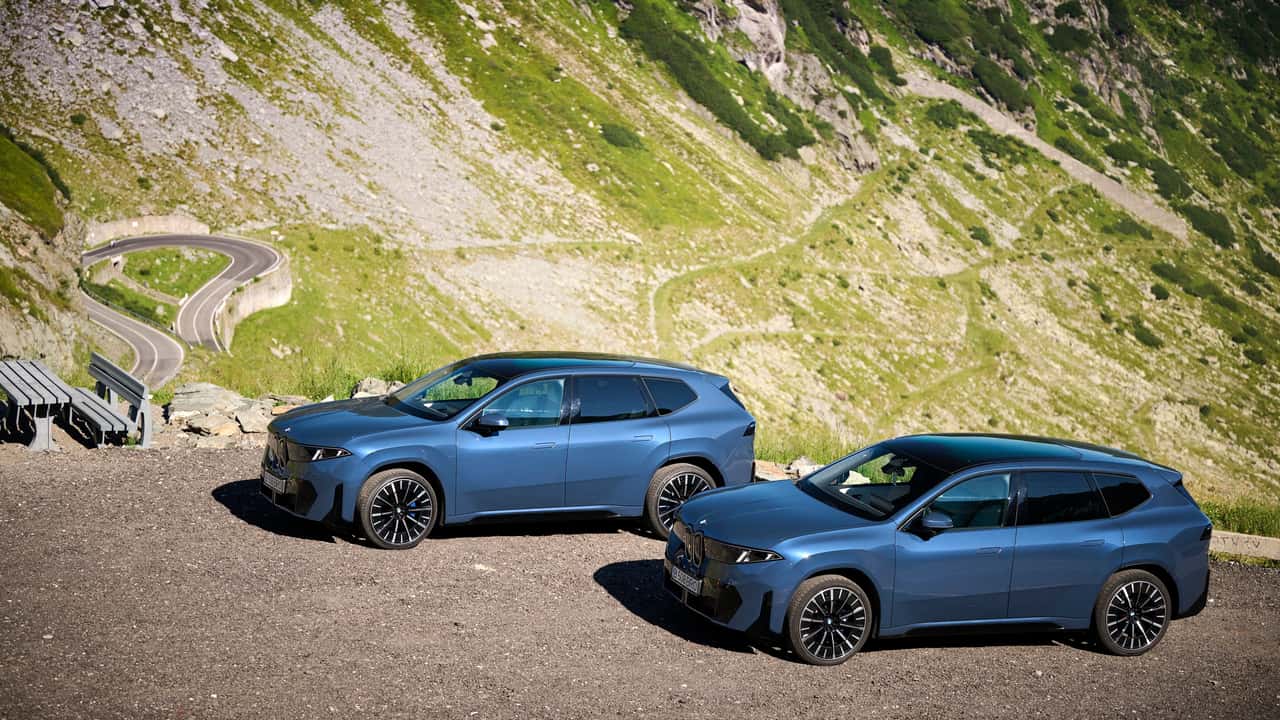
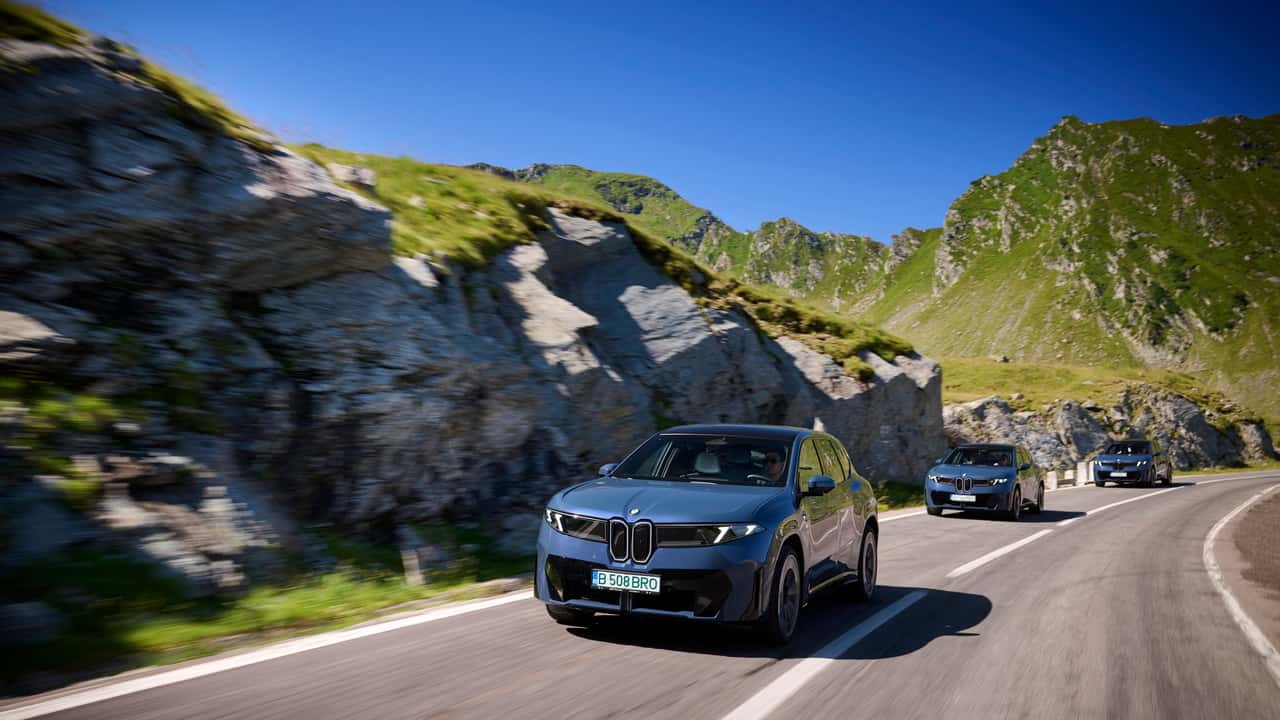
]]> contact@insideevs.com (Andrei Nedelea) https://insideevs.com/features/804813/bmw-ix3-romania-roadtrip-transfagarasan/ https://insideevs.com/features/804527/evs-arent-dirtier-than-gas/ Tue, 11 Aug 2026 15:17:00 +0000 EV Myth Busted: No, They're Not 'Dirtier' Than Gas Cars, Even If You Use Fossil Fuel Power Skeptics claim that charging your EV with grids that use fossil fuel power is just as bad as burning gas. They're wrong.
It is one of the most absurd and enduring points made by anti-EV advocates. Somehow, gas fans argue that driving a car with zero tailpipe emissions is just as harmful or more harmful to the environment than burning gasoline. The argument usually rests on the assumption that EVs powered by non-renewable energy are just offloading those emissions to the powerplants, making them just as bad.
Good news: That argument is wrong. And every year it’s getting more wrong.
Let me walk you through why.
Why EVs Are Cleaner Than Gas Cars
The first thing you need to know is that electric motors are simply more efficient than internal combustion engines. You may think your gas car’s engine primary purpose is moving you forward, but that’s really its side gig. The vast majority of the energy stored in a gallon of gas is turned into useless waste heat. More than useless, really, as the car has to spend yet more energy cooling itself off.
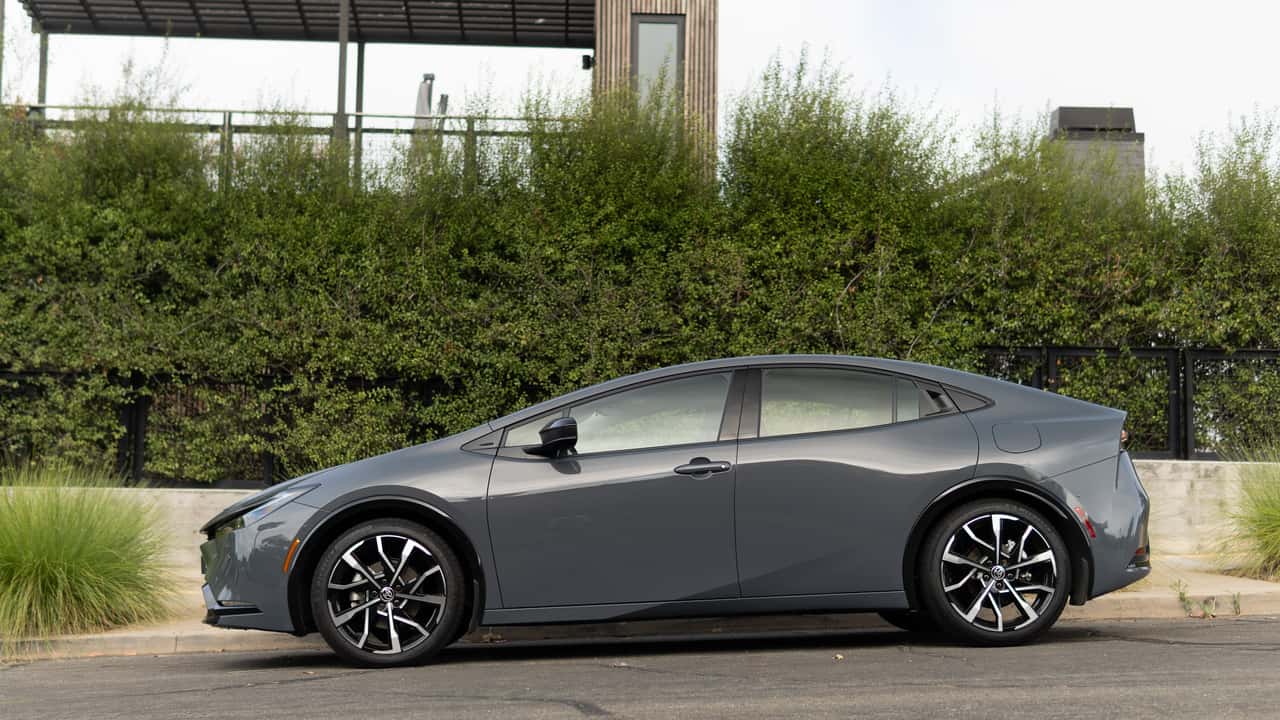
Even an ultra-efficient gas engine, like the one in this Prius Plug-In Hybrid, is only around 30% efficient. The average engine is a lot worse.
Photo by: Mack Hogan/InsideEVs
Only 30% of the gasoline’s energy actually translates into forward motion in the absolute best-case scenario. In some cases, it’s only 12%. The vast majority is radiated off the engine or expelled through the exhaust as heat. (This is why gas cars don’t lose as much efficiency in the cold: They produce so much waste heat that putting it in the cabin is free.)
EVs, on the other hand, are around 90% efficient. Almost all of the energy in the battery directly goes to producing forward motion. That means a Tesla Model S with a 100 kWh battery pack—the energy equivalent of just three gallons of gasoline—can travel 410 miles on a charge. Electric motors are just that much more efficient.

EVs are so efficient that this Tesla Model S can go around 400 miles using the energy equivalent of about 3 gallons of gas.
Photo by: Tesla
Considering our goal is to do the same amount of work—get you to work—with less emissions, efficiency is the name of the entire game. And while it’s true that an EV powered by fossil fuel power still contributes to pollution, electric vehicles’ efficiency advantage is so gigantic that even that can’t offset all of the benefits.
EVs Powered By ‘Dirty’ Grids Are Still Better For The Environment
Researchers at MIT found that EVs emit around 40-60% fewer lifecycle emissions than gas vehicles throughout the U.S. But the study went deeper than that. It looked at some of the areas of the U.S. with the dirtiest mix of electricity, where power was heavily reliant on things like natural gas and coal. Even in the worst areas, though, EVs still had the lead.
“Even with the country’s most carbon-intensive electricity mix, however, BEVs do not raise lifecycle emissions compared to ICEVs,” the researchers concluded.
Don’t take MIT’s word for it. A study by the Union of Concerned Scientists back in 2022 looked at the full well-to-well emissions picture for both types of vehicle. That means they didn’t just look at the emissions from the power EVs use, but also the emissions created in manufacturing EVs, in transporting fuel to powerplants, and in extracting fuel. Similarly, they priced in the impact of extracting, refining, and transporting oil. Unsurprisingly, their research agrees with the MIT study: EVs are just plain cleaner.
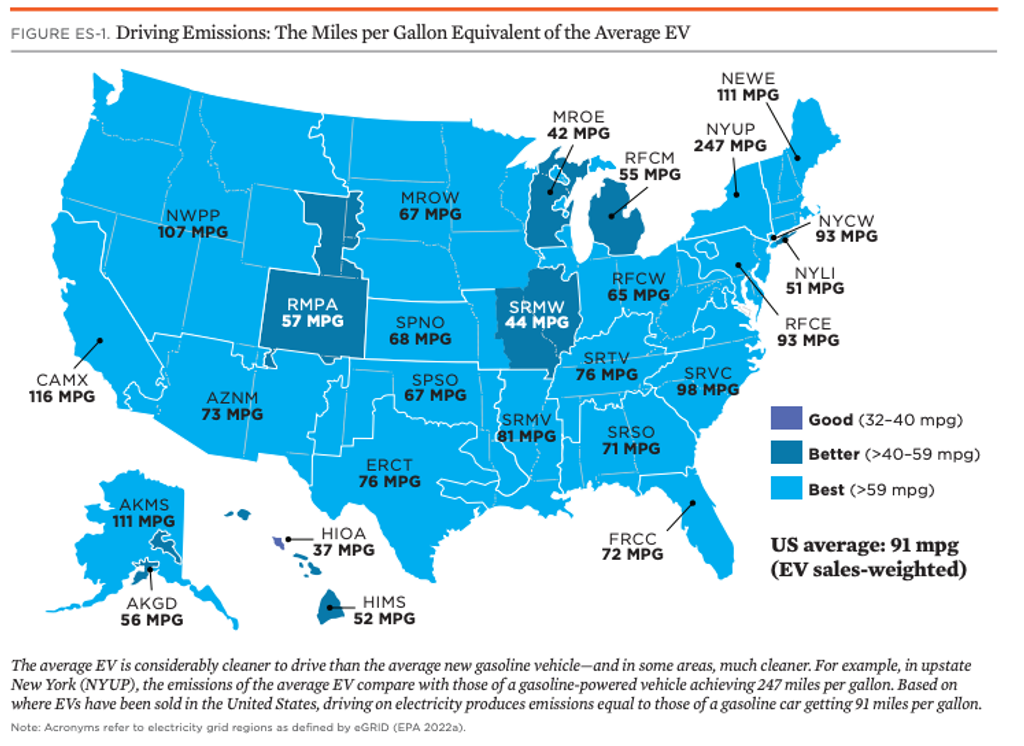 How efficient a gas car would have to be to match the emissions profile of the average EV in each region. Photo by: Union Of Concerned Scientists
“Over 90 percent of people in the United States live in regions where driving the average EV produces lower emissions than the most efficient gasoline vehicle on the market today (59 miles per gallon),” the study said (emphasis mine). That 59 mpg figure isn’t just better than any pure gas car can manage. It’s better than the Toyota Prius, America’s most efficient hybrid. It gets 57 mpg, and because of that efficiency gap we noted earlier, it needs an electric motor to do it.
There are a few places where a hybrid car can be a bit cleaner, but they represent a tiny fraction of the U.S. population, and the data suggests they won't be like that for long. And no matter where you are in the country, an EV is going to trounce its purely gas equivalent.
EVs Are Getting Cleaner. Gas Isn’t.
Here is the other part EV skeptics miss: Our grid is getting cleaner every year. In 2005, wind and solar power combined generated less than 1% of our country’s electricity. In 2015, wind and solar accounted for about 5% of power generation. Last year, it provided 17% of our electricity. Solar and wind are the number one and number two fastest-growing energy sources in the U.S. Even accounting for the grid storage required to keep the power on at night, building solar is now cheaper than building new fossil fuel powerplants on a per-kWh basis.
That means every year you drive an EV, it’ll get even cleaner.
“While we found that the electricity mix is a big driver of the spatial variation in emissions savings of EVs, the electricity grid is decarbonizing everywhere. As that happens, emissions savings across space will become more homogenous for EVs, but the differences across one driver to another will remain,” Marco Miotti, one of the MIT study’s authors, told MIT Climate Portal.
In many ways, it’s the exact opposite of the gas car paradigm. Gas cars are less carbon-intensive to build, but the longer you own one, the more damage it does. EVs start off with an environmental deficit, but within one to two years the reduced emissions pay off that “debt.” From then on, each year they offset more and more emissions that an equivalent gas car would have produced.
I bought my Blazer EV used with 17,000 miles on it, which means it has already made up the carbon deficit it accrued during manufacturing. I power it with 100% renewable energy, which means it will keep offsetting more emissions over time. It's already better than gas, and only getting better from here.
Photo by: Mack Hogan/InsideEVs
That payback period, too, is getting shorter. Manufacturing plants are getting more efficient and relying more on renewables, decreasing the original carbon debt. Meanwhile, cleaner grids powering EVs are making them offset more emissions faster than ever before.
So no, they are not perfect yet. But they are a hell of a lot cleaner than gas-powered cars, and that gap is only widening. As the grid improves, we’re getting closer and closer to a world where your car generates zero emissions after its production.
Haters will say it’s a pipe dream. But as someone who charges his EV purely with renewable energy, I can guarantee you that zero-emissions driving is possible. It just doesn’t involve gasoline.
Contact the author: Mack.Hogan@insideeevs.com.
Yes, EVs Really Are Cleaner Than Gas Cars. Here's By How Much
EVs Are Quietly Cleaning Up The Air. This New Study Proves It
EVs Help Air Quality. And Not Just In The Obvious Way.
The Math Is In: EVs Are Cleaner Than Gas, And It's Not Even Close
]]> contact@insideevs.com (Mack Hogan) https://insideevs.com/features/804527/evs-arent-dirtier-than-gas/ https://insideevs.com/features/804221/ev-development-cycles-too-long/ Fri, 07 Aug 2026 19:44:54 +0000 EV Reveals Have Gotten Way, Way Too Drawn Out. The Ford Fathom Proves It Here's why automakers now announce products years before building them, and why they're unlikely to change course.
In August 2025, Ford announced big news to the world: It was developing an all-new electric pickup truck that would cost under $30,000 when it arrived in a couple of years. A full year later, just this week, Ford dropped another big announcement: It was still developing a midsize electric truck, now dubbed the “Fathom” and priced at—you guessed it—just under $30,000.
In the years between these two announcements, Ford has had at least three major announcements and events surrounding the project. I even got to tour the facility where it’s being developed. But we have learned precious little about the truck: It will have native Apple Maps, a standard touch screen, BlueCruise hardware, a 400-volt architecture, and more passenger space than a Toyota RAV4. It will arrive in late 2027, assuming things go to plan.
Ford announced this week that its next electric truck will be called the "Fathom," although we still don't know what it will look like.
Photo by: Ford
The list of things we don’t know is long. We don’t know the final range of either battery pack, or even whether there will only be two options. We don’t know what it will tow, how much power it’ll make, what options like all-wheel-drive will cost, or whether it’ll have buttons in addition to its touch screen. We don’t know what it’ll look like, inside or out.
So when Ford tried to arrange an “Ask Me Anything” Q&A in the Electric Cars subreddit, it didn’t end up answering many of the questions. Most of the top questions were things that Ford is saving for later, as part of an endless slow drip of bite-sized news.
This is all proving out a problem that has faced the EV world for years: Automakers have started announcing cars way too early, and they risk losing out on the hype when they finally arrive.

This is the only real teaser we have for the Fathom's design. The main photo in this post features an artist's rendering of what it could look like, but that's just an educated guess for now.
Photo by: Ford
It’s Not Just Ford
Tesla deserves credit or blame for starting this. The company pioneered the innovative approach of revealing cars far before they were even developed, leading to the Model 3 and Cybertruck both reaching volume production far later than expected and being priced higher than initially promised.
But other automakers were happy to take the ball and run with it. Land Rover announced an electric Range Rover in 2023. We drove a prototype over a year ago, with a months-long embargo to even admit we had. Yet you still can’t buy one.

We drove a Range Rover EV prototype over a year ago, years after it was first confirmed back in 2023. Yet Land Rover still hasn't announced key details, and the product isn't on sale.
Photo by: Land Rover
Rivian announced its R2, R3, and R3X a few months later, in the spring of 2024. The full design was revealed, along with many of the specs, plus the base price. It took two more years to learn the price of the launch version and see the production-spec car that started deliveries in June. I was originally taken by the idea of a $45,000 Rivian. But since it was revealed I completed an entire 24-month lease on a different car, and that base model is still months away.
The R3 and R3X, meanwhile, are still distant specters on the horizon. We don’t even have production dates for a car I saw in person back when Joe Biden was still running for a second term.

Rivian revealed the R3X and R3 on the same day as the R2. Nearly two and a half years later, we still don't know when this product will hit the market.
Photo by: InsideEVs
A few weeks before the election, Scout announced its own duo of far-off EVs. The Terra and Traveler certainly looked great back in 2024, with excellent specs and a lot of buzz. But the company faced a tough road from the beginning: Could it hold people’s interest until the products finally arrived in 2027?
Well, turns out Scout fans are having their patience tested even more than originally expected. The company has confirmed that while "initial production" is on track for 2027, customer deliveries won’t start until 2028. That means Scout could end up launching a product at least four years after it revealed its design and specs. That can’t quite beat the Tesla Roadster 2.0—which was revealed nine years ago and still isn’t in production—but hopefully no one is coming too hard for that crown.

The Scout Terra was revealed nearly two years ago. It might be another two years until it gets delivered.
Photo by: Scout Motors
Why This Happens
There’s a clear audience for these multi-year public development cycles: shareholders. The original Tesla Model 3 was publicly confirmed by Elon Musk nearly four years before it went on sale, at a time when the company needed investors to see the long-term growth strategy for what was then a luxury goods seller.

Teasing the Model 3 helped Tesla keep investors excited early on. But its extremely long and troubled ramp-up period gave the company a reputation for giving highly optimistic timetables. True Full-Self Driving, the Cybertruck, the Semi, and the second-generation Roadster all missed their target dates, too.
Since then, it’s become a good way for brands to claim that—while their current products struggle to profitably compete in the marketplace—good things are right around the corner. This is likely why, when I first heard about the project that would become the Ford Fathom, it was on an earnings call where Ford CEO Jim Farley was talking about a “skunkworks” team he had building a revolutionary EV, about eight months before Ford officially announced the electric truck program.
It’s helpful for brands like Rivian to prove that they have a long-term plan to win. It’s helpful for companies like the Volkswagen Group to say, sure, our current EVs may not be succeeding in America, but our reborn truck brand, Scout, will fix it all.
Mostly, though, I’d argue it’s just a natural result of the attention economy. It’s very, very hard to break through in a world of infinite news and endless feeds. Back in the magazine days, you knew that if you announced the Ford Fathom all at once, you’d get a long tail of awareness as magazines and dealers spread the news.

The VW ID.4 is dead for the U.S., and the ID. Buzz (pictured) is on a one-year hiatus due to slower than expected demand. So it's no surprise that VW wants investors to know about its ambitious plan to sell electric trucks to Americans through a sub-brand, even if sales are a few years out.
Photo by: Kevin Williams/InsideEVs
But these days, that “one big story” may get drowned out by whatever rage-baiting nonsense is clogging up your feed. Companies therefore opt to drip feed out their news, hoping not just to get one news cycle, but six or seven out of the same product.
Why It’s Annoying For Consumers And Dangerous For Car Companies
That sounds like a clear win. And for one company, it can be. When everyone does it, though, it stops working. Years and years of false promises have left a cloud of skepticism over every EV reveal.
Every article becomes a judgment call of how much the journalist trusts what the automaker is saying, and that dulls any appeal. After all, it isn’t just Tesla and Faraday Future that have delivered products years late, or with absurdly different pricing structures, or with major parts unfinished.
The Ford F-150 Lightning’s price quickly climbed from its announced $40,000 base MSRP. The Volvo EX90 was late and unfinished. The Chevy Blazer EV SS faced multiple delays, too. Meanwhile the Honda 0 Series was first shown in 2024, and then canceled just a few months before deliveries were set to begin. And Lord knows when Porsche's on-again-off-again 718 Boxster and Cayman EVs will finally arrive.
Decision makers reading this may be thinking, sure, but even if you announce the vehicle close to production you could have delays. My company is smart. My company is different. We won’t miss the target. To which I say: It doesn’t matter.
Even if you hit your target exactly, you’ve given your competitors a roadmap to beating you. When you announce an electric pickup truck four years before it goes on sale, you give competitors time to beat you to market. And you’re still at the whims of pandemics, wars, and supplier issues that may make the promised pricing and specs irrelevant or impossible.
Automakers know this, and they do it anyway. Because this business isn’t just about selling cars, it’s about staying relevant. If your competitors have you beat today, you had better promise that something better is right around the corner, lest you lose the confidence of buyers and shareholders alike.
Tesla proved that by hyping the product ahead of time you could excite shareholders, giving you more access to capital markets and thus more cash. Hype generates cash, which leads to a better product, which leads to more sales, more cash, and more investor interest. Get things right and you have a beautiful feedback loop. The rewards can be great.
Yet so too are the risks. As more and more companies follow the same playbook, more and more customers, journalists, and investors are growing skeptical of tremendous promises with fuzzy timeframes. Develop a reputation for over-promising and under-delivering and, by the time your product completes its four-year-long public development period, your potential customer may have moved on.
Contact the author: Mack.Hogan@insideevs.com
Ford Fathom: Everything We Know About The Sub-$30,000 Affordable EV Truck
I Saw Scout's New Trucks Up Close. They Could Be Worth The Wait
The Rivian R2 Is Finally Here. The CEO Just Shared When To Expect More Models
Porsche CEO Confirms The Electric 718 Is Still Coming
]]> contact@insideevs.com (Mack Hogan) https://insideevs.com/features/804221/ev-development-cycles-too-long/