
GM Is Closing Its Detroit EV Battery Plant
The facility used to make batteries for the Cadillac Celestiq luxury sedan, as well as drive units for the Chevy Corvette E-Ray.
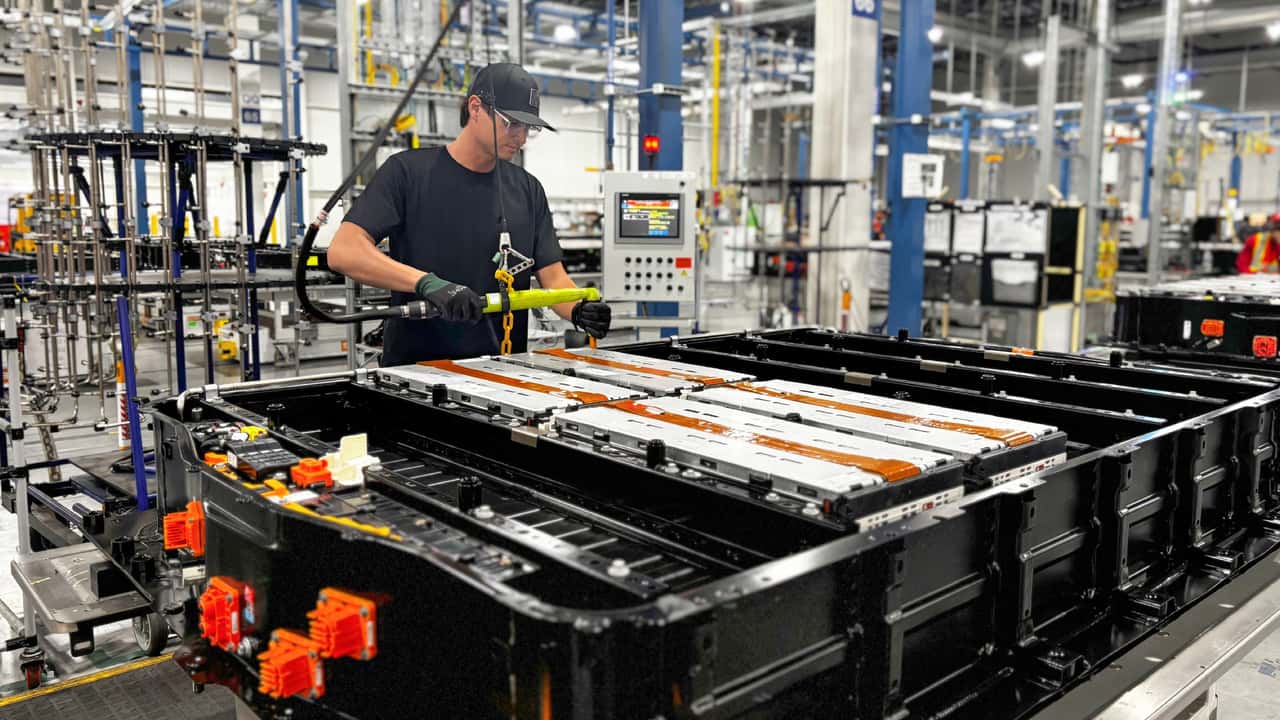

- GM's Brownstown Battery Assembly plant will be closed.
- The facility used to manufacture batteries and drive units for the Chevrolet Corvette E-Ray, as well as battery packs for the Cadillac Celestiq.
- The move is part of GM's bigger shift in manufacturing, where it is now prioritizing gas vehicles,
General Motors is shutting down its 480,000-square-foot battery assembly plant in Detroit, which used to supply high-voltage batteries for the Cadillac Celestiq EV and the Chevrolet Corvette E-Ray, as well as drive units for Chevy’s electrified two-door sports car.
The Brownstown Battery Assembly facility, which was opened in 2009, will be decommissioned by next summer when the lease ends, according to Automotive News, quoting a person familiar with the situation. General Motors confirmed the closure for InsideEVs, adding that the factory's activity will be moved to other facilities. "The lease on the Brownstown Battery Assembly plant is ending next year, and GM is planning to transition this work to other nearby GM facilities," a company spokesperson told InsideEVs.

The exclusive and very expensive Cadillac Celestiq used to get its high-voltage batteries from Brownstown.
The move comes as the American automaker continues to absorb billions of dollars in losses associated with the shift in its powertrain strategy. While the company continues to build EVs, its attention has shifted to making more gas-powered vehicles. Earlier this year, GM exited a battery factory joint venture with Samsung SDI, leaving the Korean company in full control of the upcoming facility in Indiana. In 2024, the automaker pulled out of a $2.5 billion battery plant in Lansing, Michigan, leaving LG Energy Solution at the helm.
The Detroit factory’s employee count went from around 300 at its peak to less than a dozen when the company reduced output due to weaker-than-expected demand. Affected workers were notified earlier this year and have been offered jobs at other facilities in the area.
In addition to the battery plant closure, General Motors is also looking to give its shuttered hydrogen fuel cell facility in Detroit a new lease on life. Initially, the plant was destined to develop a new fuel cell system that would have eventually powered at least two vehicles—one from GM and one from Honda—but the deal went belly up because there was no clear path to profitability.

However, when the partnership was still standing, GM shook hands with Piston Automotive, which involved a $55 million investment, 150 new jobs, and a 300,000 sq ft facility. GM recently took over the long-term lease of the building from Piston, according to Automotive News. GM said it is evaluating other uses for the site, but it has not made any decisions.
After the $7,500 federal tax credit went away last year, the entire automotive industry had to reconsider its choices, and GM was hit extremely hard. During the third quarter, the American company sold 25,472 EVs stateside, a steep drop compared to the 66,501 units shipped during the same period last year. Granted, last year’s Q3 included the massive wave of buyers who wanted to take advantage of the now-canceled tax credit, but the automaker’s numbers never recovered.
Updated with a statement from a GM spokesperson in the second paragraph.
More Industry News
RECOMMENDED FOR YOU
Cadillac Is Bringing GM’s Super Cruise Hands-Free Driving System To Europe
Lucid's CEO Said The EV Startup 'Underinvested In Service.' Here's How It's Fixing That
GM's Future Cars Will Be Very Different. Here's Everything We Learned
Polestar’s Next EVs Will Borrow From This Gorgeous New Concept
GM's OnStar AI Assistant Debuts In The 2027 Cadillac Lyriq
PlugShare Gets A Major Redesign, Adds Dark Mode And iPhone Duo Support
Hyundai Says Hydrogen Cars Aren’t Dead. Finding Customers Is Another Story