
China Agrees To Limit Hybrid Imports To EU To 350,000 Annually
Chinese hybrids have boomed in Europe, skirting a high tariff on EVs.
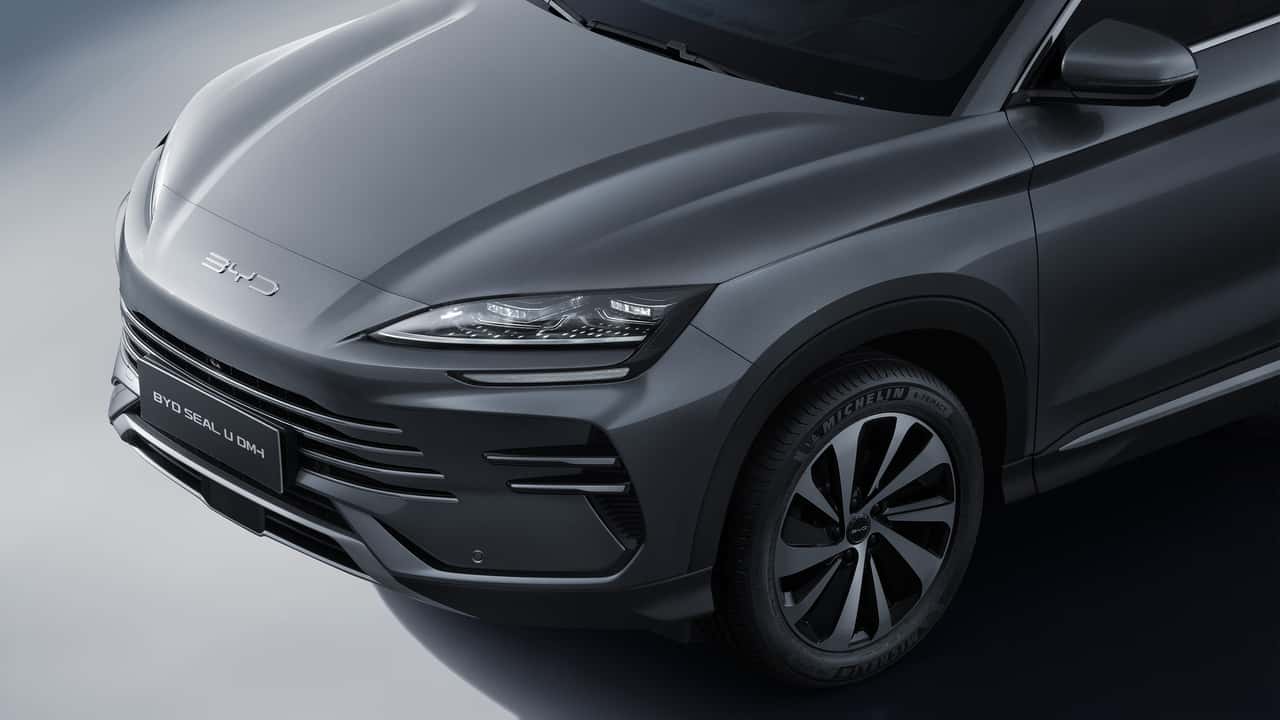

- The EU and China have reached a trade agreement to limit the import of hybrid cars to 350,000 per year.
- In some countries, Chinese PHEVs and hybrids outsell full EVs.
- This will not affect hybrid models made in the EU.
There has been a trade war brewing between the European Union and China, and electrified vehicles are part of a deal to ease tensions. Going forward, China has agreed to cut exports of conventional and plug-in hybrids to Europe in half, the EU’s trade commissioner, Maroš Šefčovič, said on Friday. Various outlets report that the cap will be 350,000 units per year, with that number increasing by 6% annually.
This is very significant because although Chinese car companies face steep tariffs when selling pure EVs in Europe, the tariff on hybrids is far lower. Automakers have capitalized, and in some countries, Chinese brands dominate PHEV and hybrid sales. Reporting from Reuters shows that in Europe, BYD actually sold more PHEV models than full EVs for the first eight months of the year.
Things have not been so great for European auto manufacturers lately, due in part to growing sales from Chinese brands. The Volkswagen Group, for example, announced its intention to cut a staggering 100,000 jobs and slash its model lineup. Many European manufacturers have rushed to meet the market with affordable EV and hybrid models, but arguably the damage has already been done. Chinese brands have gained a foothold in Europe and are a hit with consumers.
The reduction of imports may cause Chinese companies to accelerate the expansion of their manufacturing operations in Europe. BYD, Leapmotor, and Xpeng are three automakers that already have a manufacturing presence in Europe. Other firms, like Geely and Changan, are planning to build European factories in the near future.

Related Articles
RECOMMENDED FOR YOU

VW’s EV Factory Is Now Taking Cars Apart. There’s Money In It
Smart’s New City EV Is Already Off To A Great Start
Tesla's Cybercab Is Built In A Radical New Way. Here's How It Works
Hyundai Says Hydrogen Cars Aren’t Dead. Finding Customers Is Another Story
Volkswagen Can't Afford Its Upcoming Electric Golf Right Now
The Rivian R1T Is An Awkward Fit For Britain. This Reviewer Loved It Anyway
Fiat's Tiny $15,000 EV Can Finally Hit American Streets