
‘Unfair Trade’: Automakers Push Congress To Ban Chinese Cars In The U.S.
A major auto industry lobby group wants Congress to put an end to Chinese imports before they even start.
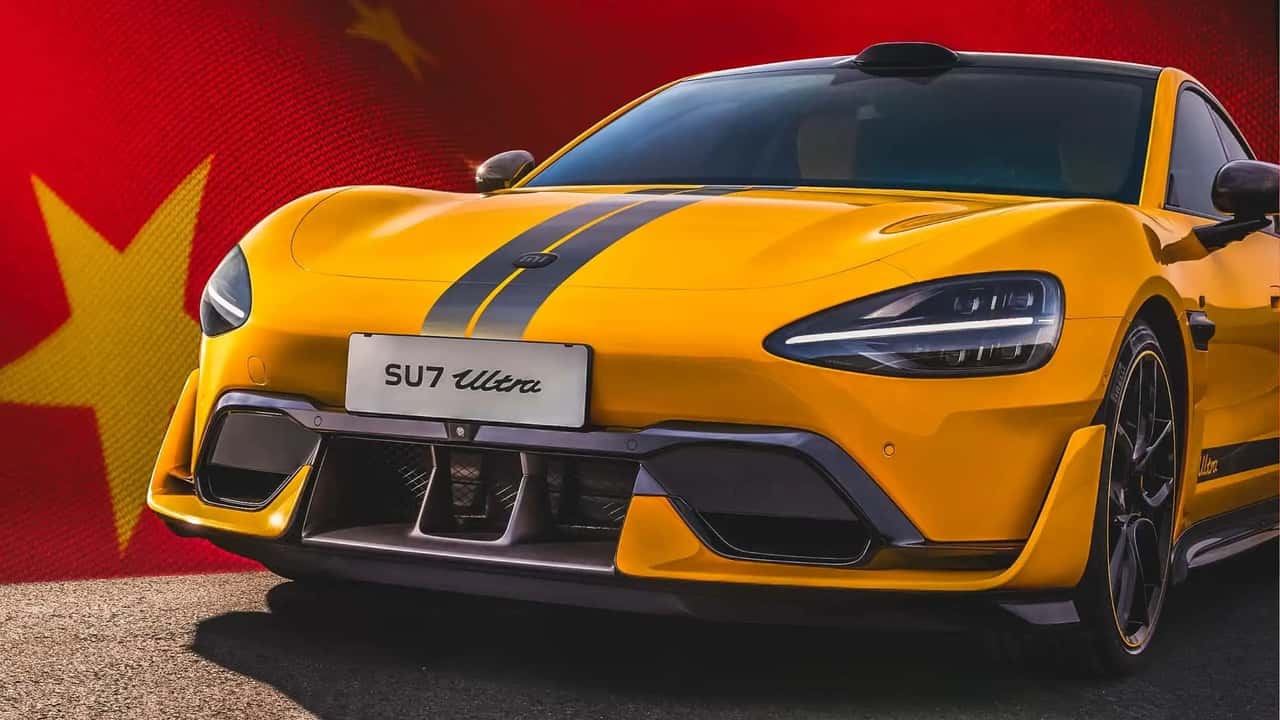

- Car makers in the U.S. want Congress to ban Chinese cars before the end of the year.
- There’s not a single Chinese-branded car for sale in the U.S, but a major lobby group wants that to become permanent law.
- The Alliance for Automotive Innovation sent a letter to Congress, saying that Chinese automakers are dumping subsidized vehicles around the world.
Chinese-branded cars are gaining steam across the world, except for the United States, where there’s not a single Chinese car for sale. And now, a major lobby group wants legislators to keep China’s connected cars out of the U.S. for good, as soon as possible.
The Alliance for Automotive Innovation, which represents dozens of carmakers with a U.S. presence, including General Motors, Ford, Honda, BMW, Toyota, and Volvo, sent a letter to Congress, urging lawmakers to permanently ban Chinese cars from reaching the country before the year ends.

BYD, China's biggest carmaker, has seen increased success in Europe with its growing portfolio of EVs and PHEVs.
“Right now, Chinese automakers are dumping subsidized vehicles with connected software and hardware around the world,” said John Bozzella, the group’s CEO and the person who signed the letter. “China is capturing market share in Europe, Australia, Southeast Asia, Mexico, and South America with vehicles capable of collecting, processing, and transmitting sensitive vehicle and consumer data to the Chinese Communist Party.”
To be clear, Chinese-made vehicles already face a couple of roadblocks, preventing them from hitting American roads. A 100% import tariff hikes prices even before they hit U.S. shores, and existing Commerce Department rules restrict Chinese software and hardware in connected vehicles–the same rules that stopped Polestar from doing business stateside.
So, why the urgency now? Bozzella said that passing legislation barring Chinese vehicles from the U.S. market “will send a clear and bipartisan message that China’s strategy to dominate global automotive manufacturing will be met with a national security response from the American government.”
More Stuff Like This
Among the worries backing up the initiative is the fact that Chinese-made cars could send sensitive information back to Beijing. However, the fact that China has subsidized its auto industry for years is also at play. The move allowed local companies to offer cars that are significantly cheaper than the competition, which has helped big names get an edge in the global market.
All this being said, it has been well documented that Chinese cars–mostly EVs–are better than their Western competitors, which doesn’t bode well for the American auto industry. Just like Japanese brands became household names in the 1970s thanks to their better build quality and lower fuel consumption, the same could happen today with China’s offerings. But not if they’re locked out through legislation.

RECOMMENDED FOR YOU
EV Buyers Could Foot The Bill For Saving Europe’s Carmakers
The Zeekr 7GT Made Me Question Every Other Luxury EV
Toyota Quietly Gave The 2027 Toyota RAV4 PHEV A Big Upgrade
It’s Official: The Cybertruck Is One Of The Greatest Flops In Automotive History
China's World-Beating Supercar Just Hit 312 MPH
How Far Can Your EV Go After It Says It’s Empty?
Gas Prices Got You Down? This 261-MPG Volkswagen Solves That—For $140,000