
Tesla Supercharging Prices Have Jumped 15% In A Year
Things aren't just tough at the gas pump.
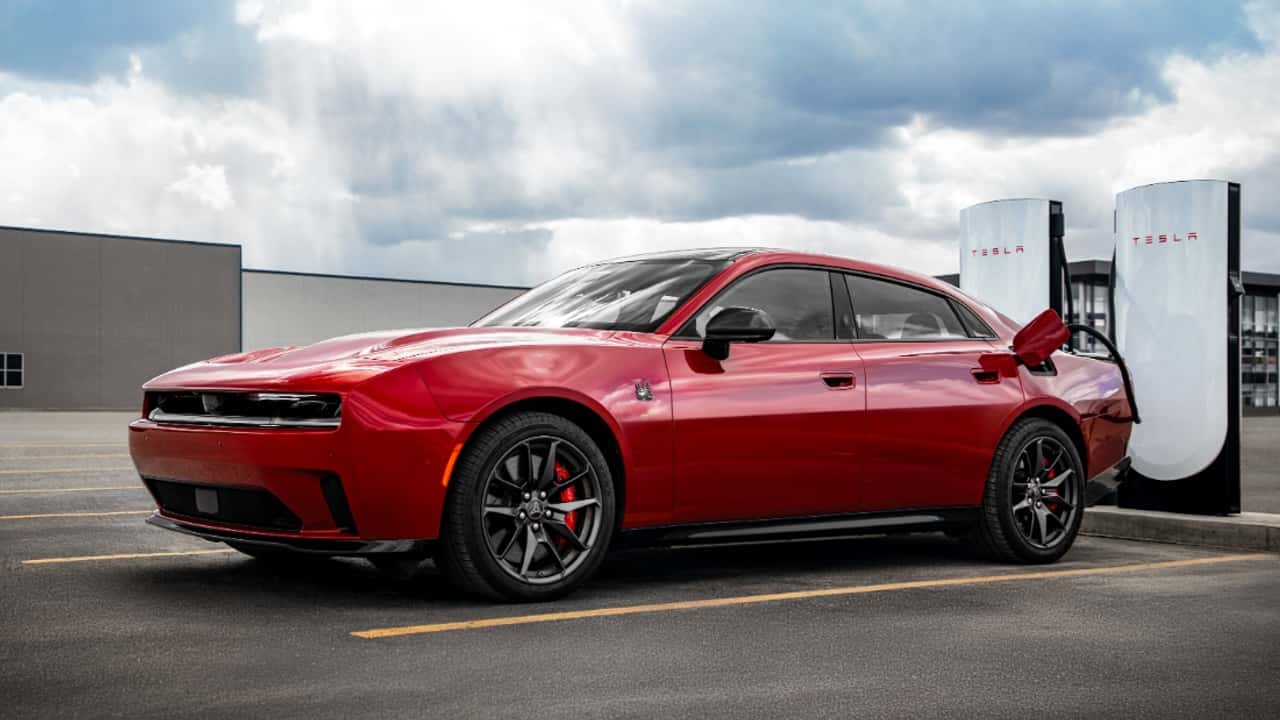

- Tesla's Supercharging pricing increased by 15% over the last year.
- A new report shows this pushed the overall industry average of EV fast charging up by around 2%.
- This works out to an increase of about $66 out of pocket for the average non-Tesla EV driver who charges exclusively at Superchargers.
Tesla's Supercharging network is one of its most important assets. Not only is it a steady stream of revenue for Tesla, but it helped build the company into what it is today by being a super pleasant plug-and-charge experience. Heck, it even managed to convince other automakers that its proprietary charger port should be installed in virtually every EV sold across North America.
But that experience has quietly become a bit less pleasant. Not because the charging tech changed, but because—much like folks at the pump—Supercharging has become more expensive over the last year.

According to data from Paren's Q3 US EV Fast Charging report, Tesla's average non-member Supercharging pricing has increase 15% year-over-year.
It now charges non-Tesla owners without a subscription to its services an average of $0.569 per kilowatt-hour of electricity served. Members get a little bit of a break at $0.396 per kWh, though that climbed about 9% as well.
That said, this isn't about Tesla being more exorbitantly expensive than other fast charging companies roviders out there. In fact, it's more about Tesla charging a price more aligned with the other charging providers. The national average for non-Tesla fast chargers has remained static at around $0.533 per kWh for five consecutive quarters, according to Paren's data. Tesla's increase pushed the overall average up to $0.540 (around 2%).
Fifteen percent also feels a lot larger on paper than in the wallet. A hypothetical 60 kWh charging session would increase around $4.50 (from $29.70 to $34.14), which admittedly feels like a steal compared to gas prices over the last few months. And considering that 80% of charging is done at home, that uptick in pricing translates into an average increase of $66 per year spent at public fast chargers, based on typical EV efficiency and annual mileage.

The pricing is also helping to fund the expansion of the Supercharging network. Tesla added 1,287 ports last quarter, which more than any other fast charging operator in the U.S. but only 31.3% of all new charging ports. Its closest competition was Ionna with 378 ports, followed by Walmart with 344.
While the Supercharging network still remains an enormous competitive advantage for Tesla, speed and scale are more important now than ever. Competition in the charging space is heating up and over the last year and Tesla's domination of the charging market fell from 54.3% to 49.3%—meaning that despite Tesla installing a whopping 5,700 plugs over the last year, its rivals collectively outpaced the Supercharger network's growth by nearly double.
More Tesla Supercharging News
RECOMMENDED FOR YOU
Tesla Sold FSD To Koreans Who Still Can't Use It. Now It's Facing A Complaint
Waymo And Uber's Robotaxi Partnership Is Ending
Used EVs Are Selling Like Hotcakes. The Fastest Movers May Surprise You
Uber Wants Thousands Of Robotaxis By 2027. Waymo Is Already There
Tesla Warned Owners Not To Test Emergency Drive Away. Some Did Anyway.
China Has An Iron Grip On EV Batteries. Here's America’s Plan To Break It
One Year Without EV Tax Credits: 4 Key Takeaways