
Who's Winning The Robotaxi Race? It's... Complicated
Every time we think we understand the robotaxi market, another bit of news shakes things up. This week, we got updates from Tesla, Uber, Waymo, Wayve, and Lucid.
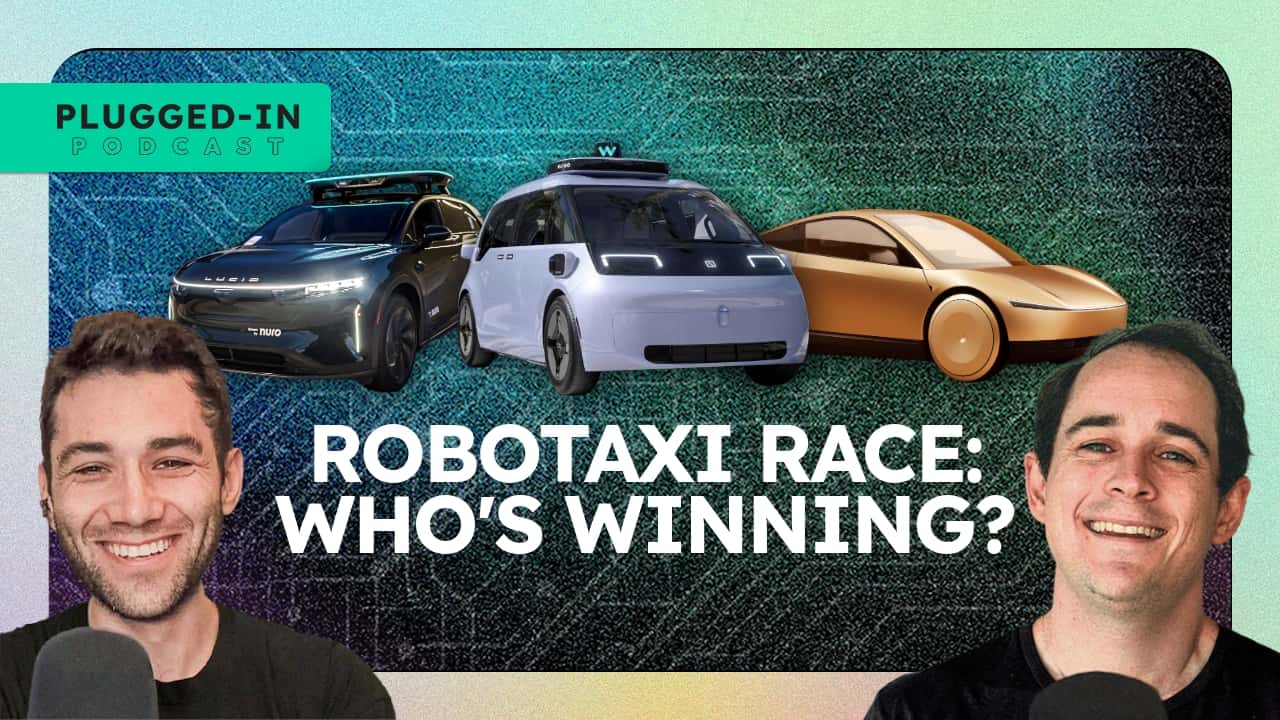

A few years ago, it felt like an open question as to whether we'd ever have accessible autonomous transportation. But with Waymo expanding to over a dozen cities this year, Tesla piloting its own truly driverless service, Zoox up and running, and Uber collecting AV partnerships like Pokémon cards, it's more clear than ever that the autonomous future is near. So who's going to own the biggest piece of the pie?
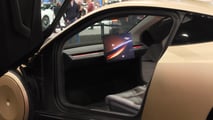
That's what we talk about on this week's Plugged-In Podcast, after a week in which we saw yet more developments in the autonomous vehicle race. We got (most of the) specs for the Tesla Cybercab, thanks to some filings with the Environmental Protection Agency. We got a big announcement from Mobileye, too, which is launching its own autonomous ride-hailing service next year after years of partnering with traditional automakers on driver-assistance tech.
Gallery: Tesla Cybercab LA Auto Show 2024



And, of course, we got more news from Uber. We rarely go a week without hearing some more about the company's plan for global robotaxi domination. This week, the company announced that its partnership with Nuro and Lucid will expand robotaxi service to Houston next year. That's not all, though. The ride-hailing giant also inked a memorandum of understanding to develop robotaxis based on Stellantis vehicles and powered by Wayve AV technology. The plan is to deploy them all over the globe.
Then, as if that wasn't enough, after we recorded the podcast Waymo recalled all of its 5th-generation AVs over concerns that they could drive into freeway lanes that were closed for construction. It's an embarrassing faff for the company that Tim and I consider far ahead of the competition.
Uber is expanding its fleet of Nuro-powered Lucid Gravity robotaxis to Houston next year.
So who wins in the end? Well, we both agreed that Waymo will probably have a seat at the table. The company seems to be years ahead of its competitors in deployment scale. Tesla has a compelling case, too, as such a vertically integrated company with a low-cost product. Yet safety concerns have already stained the brand in my eyes, and the risk-aggressive approach of CEO Elon Musk could cause further problems.
But regardless of who wins the technology race, Uber has already won the platform race. Waymos, Wayves, Lucids, Rivians, Motionals; name your robotaxi and you'll probably find a deal between them and Uber. In the long-term, I think there's a case that a vertically integrated company will be able to drive down prices below any deal that splits vehicle construction, AV tech development, and rideshare logistics among three separate companies. But in the short term, as companies race to win the tech race, leaving the messy business of running a rideshare app to the pros seems smart enough.
Who do you think will win? Let us know in the comments here or on the YouTube video above.
Contact the author: Mack.Hogan@insideevs.com
Related Stories
RECOMMENDED FOR YOU
One Owner Just Did What Tesla Couldn't: Upgrade An Older Car To HW4
Audi’s China-Only EVs Are Coming To Europe—And They Cost Less Than Local Models
Tesla’s New Three-Row EV Is The Longest-Range Model Y Tested By Edmunds
This 100-Year-Old EV Came With More Range Than The First Nissan Leaf
Home EV Charging Has A Hidden Cost. Here’s How To Reduce It And Lower Your Bill
Xiaomi's First EV Just Hit A Massive Milestone
Tesla’s Mainstream Model Y Gets A Feature Hyundai EVs Have Had For Years