
Mobileye, Supplier Of Robotaxi Tech, Is Launching Its Own Robotaxi Fleet In The U.S.
The Intel subsidiary’s self-driving tech is being used by Volkswagen’s MOIA. Now, Mobileye wants its own fleet of autonomous cabs.
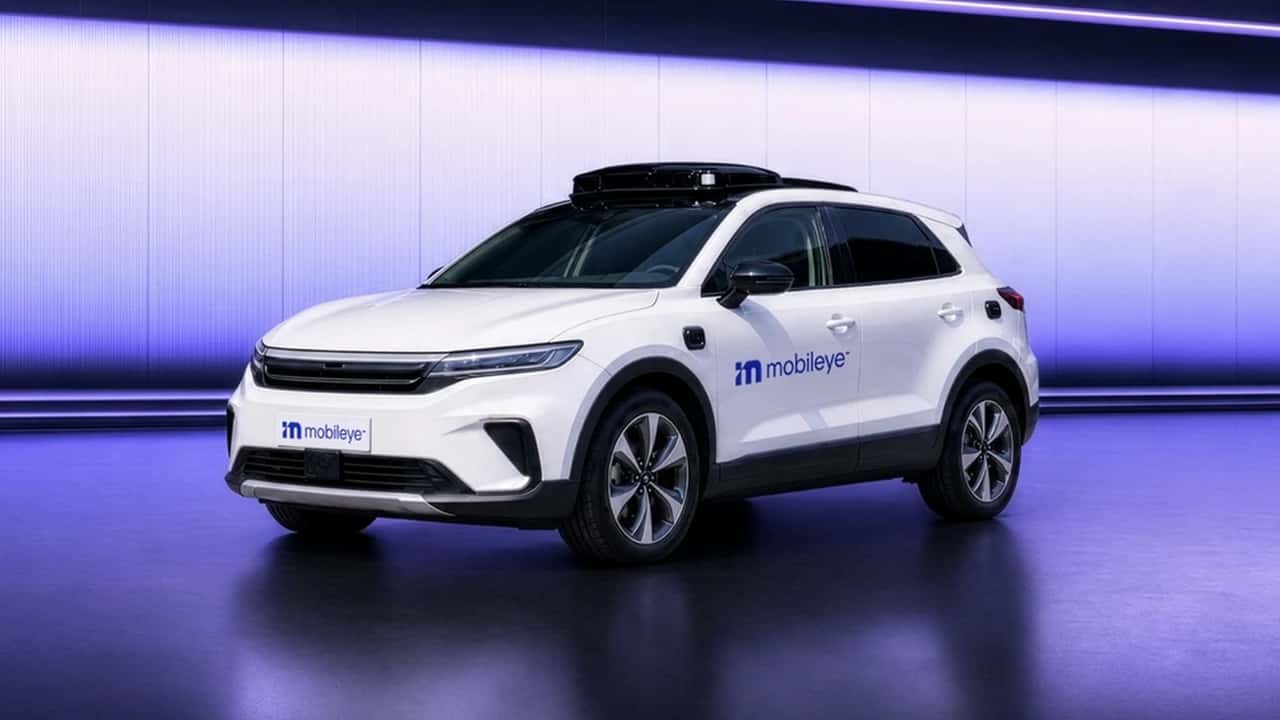

- Israeli-based Mobileye is planning to launch its own robotaxi fleet in the U.S.
- The company’s first self-driving cabs will hit the streets of “a U.S. city” in 2027.
- The Intel subsidiary has been providing self-driving technology to other companies for years, and now it wants a piece of the robotaxi pie.
Mobileye, the Israeli-based Intel subsidiary that’s known for providing advanced driver assistance systems to traditional automakers, is going into the autonomous taxi business. Starting next year, an initial fleet of about 100 robotaxis will be deployed in “a major metropolitan U.S. market,” with 17,000 more to follow in the next five years if everything goes to plan.
The company said that the autonomous taxis will be available through the Moovit smartphone app, which it owns, and which is usually used for planning public transportation trips.
Mobileye’s self-driving tech is already being used by several companies, including Volkswagen’s MOIA subsidiary, which is testing driverless ID. Buzz electric minivans on the streets of Los Angeles.

The Volkswagen ID. Buzz robotaxis use Mobileye's self-driving technology.
With this latest move, Mobileye will play on both sides of the autonomous vehicle field, acting as both a hardware and software provider for rival operators, as well as a standalone player. Still, the Jerusalem-based firm is adamant that it won’t affect its current partnerships.
“This initiative is not a replacement for our existing partnerships; it is an extension of them,” said Prof. Amnon Shashua, founder and chief executive officer of Mobileye. “We remain deeply committed to enabling automakers and mobility providers with Mobileye Drive. At the same time, operating our own service allows us to accelerate adoption, gain direct operational experience, and showcase the full potential of autonomous mobility.”
The company did not say what vehicles would be deployed in the U.S. in 2027, but the press release had an accompanying photo showing a Chinese-made Great Wall Motor Ora iQ electric crossover. If this car is part of the initial fleet, it will make Mobileye the second robotaxi company in the U.S. to use Chinese-made vehicles, after Waymo’s Zeekr van.
Mobileye is entering an increasingly crowded U.S. market, where Waymo currently holds the largest piece of the pie. Amazon’s Zoox, Tesla, Uber, Hyundai, Volkswagen, and others are already trying to entice customers in cities like San Francisco, Austin, and Las Vegas, with ambitious plans to scale to many more cities in the coming years.
More Robotaxi Stories

RECOMMENDED FOR YOU
Waymo And Uber's Robotaxi Partnership Is Ending
Mercedes' Answer To Tesla FSD Requires Hands On The Wheel. Does That Make It Better Or Worse?
Waymo's Public Fast-Charging Problem Is Infuriating EV Drivers
This New EV Motor Spins To 30,000 RPM. It’s Designed For Normal Cars
Toyota Is Turning The bZ EV Into A Waymo Robotaxi, Starting in 2027
Ford Tested 36,000 Mustang Mach-E Batteries. Here’s How They Held Up After 100,000 Miles
Rivian Buys Synthetic Data Startup To Boost Its Autonomy Ambitions