
Tesla Sold 25% More Cars In Q2. Its Operating Profit Still Plummeted
Record revenue and a big delivery rebound weren’t enough to offset lower vehicle margins and Tesla’s costly AI and robotics push.
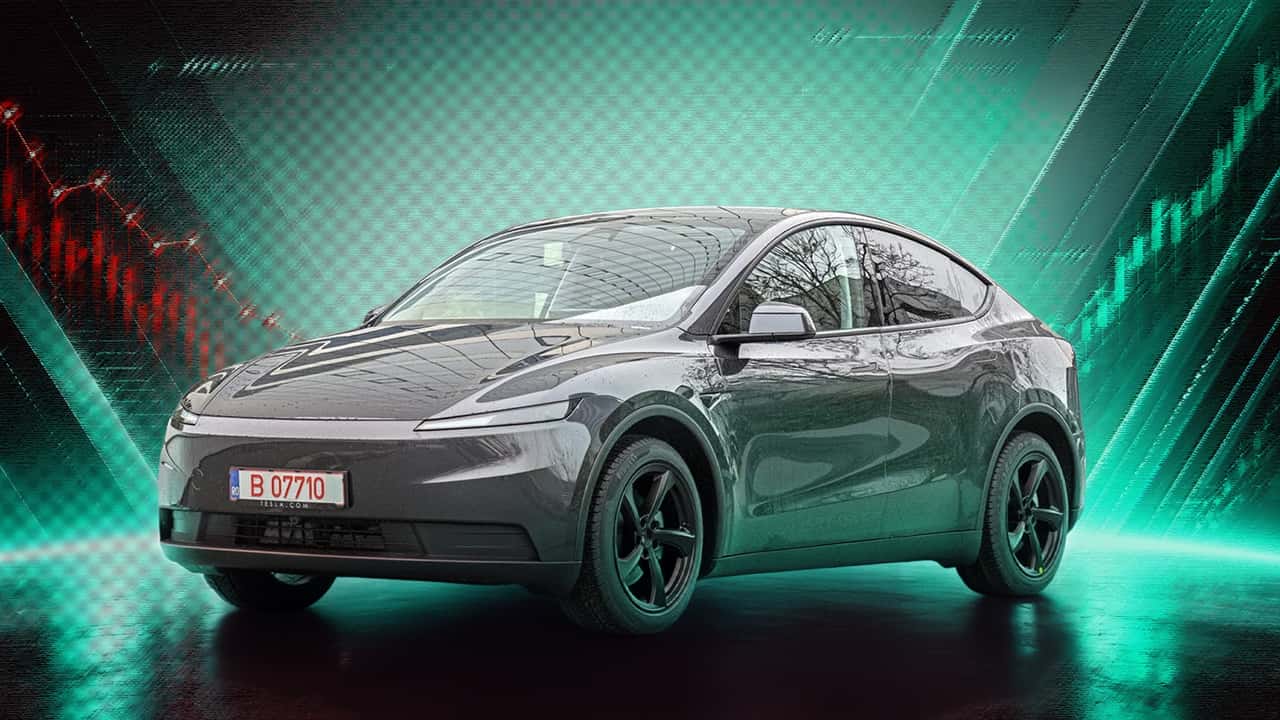

- Tesla’s record deliveries and revenue couldn’t stop operating profit from falling sharply.
- Tesla earned less per vehicle as margins shrank and regulatory credit revenue plunged.
- Its car business is recovering, but Tesla is spending heavily on AI, robotaxis and Optimus.
Tesla delivered considerably more cars in the second quarter of 2026 than it did during the same period last year, generating record revenue. However, it was not enough to stop its operating income from collapsing in Q2.
Its Q2 Deliveries (April through June) totaled 480,126 vehicles, up roughly 25% from the same period last year. The Model 3 and Model Y accounted for 467,762 of those deliveries, while Tesla’s remaining models (Model S, Model X, which have been discontinued, and Cybertruck) contributed just 12,364. It was the company’s highest-ever quarterly delivery total.
Revenue climbed 26% year over year, reaching $28.24 billion, but Tesla’s operating income fell 57% to around $400 million. The adjusted earnings of 33 cents per share came in well below the 51 cents analysts had predicted, and this had a direct effect on shares, which fell around 4% after the Q2 results were published.
Its gross margin for the automotive side of its business fell to 16.3%, while its average revenue per vehicle dropped to about $42,730 from $45,345 last year. Regulatory credit revenue, the credits Tesla sold to other automakers to help them meet emissions quotas, fell to just $146 million from $380 million in Q1 2026 (62% down) and $439 million in Q2 2025 (67% down).
At the same time, Tesla is spending heavily on businesses that remain much smaller than its automotive operation. Research and development costs jumped 49% to $2.37 billion as the company invested in artificial intelligence, its Robotaxi network and the Optimus humanoid robot.
Tesla spent $5.8 billion during the quarter, and its cash outflow exceeded what it brought in by $1.1 billion.
Tesla’s energy storage side of the business did pretty well in Q2, deploying batteries totaling a record 13.5 gigawatt-hours of combined capacity. Its Full Self-Driving subscriber base reportedly approached 1.5 million users, possibly spurred by the fact that FSD is now also available in several European countries.

Tesla’s reported profit also got a roughly $1 billion lift from the increased value of its SpaceX investment, although it hasn’t sold any. That gain makes the quarter look better than the company’s day-to-day business really was.
This quarterly report seems to point to a simple problem: Tesla is selling more cars but isn’t making as much money from them as it once did. The company is now asking investors to accept lower returns from its auto business while it continues to spend billions expanding future AI, robotaxi, and humanoid robot businesses.
Still, Tesla’s recent sales recovery actually makes this result more concerning. After a rough 2025, its deliveries began rebounding in the first quarter, and its months-long decline in Europe came to an end. One of Tesla’s most important markets, California, has started showing signs of a comeback. However, this latest earnings report shows that demand picking up isn't enough to fix Tesla's problems.
RECOMMENDED FOR YOU

Tesla Roadster Is Supposedly (Once Again) Coming 'Very Soon'
Cadillac Will Give Escalade IQ Buyers Rolls-Royce-Style Customization for an Extra $54,995
Tesla Recalls 20,000 Cars Over Uber-Bright Headlights
This Is The Fastest Hydrogen-Powered Car in the World
Tesla Burned Through Its California EV Rebate Funds In Just Five Days
Voltpost’s Lamppost EV Chargers Are Now Live In New York State
How Much Quicker Is The Newest Version Of Tesla FSD? This Test Put It Against Old Software To Find Out