
Tesla Megapacks Help Alaska’s Kenai Peninsula Reduce Its Reliance On Fossil Fuels
The Megapack battery energy storage system will have to withstand temperatures as low as -30°F (-34.4°C).


Homer Electric Association (HEA) recently launched a large battery energy storage system (BESS) at its Soldotna Generation and Substation Facility in Soldotna, Alaska, using a battery system provided by Tesla.
It consists of 37 Tesla Megapack containers (52,000 pounds / 23,587 kg each), and according to HEA, it has a power output of up to 46.5 MW.
The battery capacity is estimated at 93 MWh, which means that once fully charged, it theoretically would be able to work at full power for two hours (or proportionally longer at lower power). Of course, we know that at a low state of charge, the power output usually happens to be limited.
In 2021, Tesla launched its first Supercharging station in Alaska (also in Soldotna).
This new BESS is expected to significantly strengthen Alaska’s Kenai Peninsula grid and reduce the community’s reliance on fossil fuels to power the turbines.
According to Tesla, the area has historically relied on gas turbines to distribute power to the community up to four months out of the year.
The temperatures might be as low as -30°F (-34.4°C), but the Tesla Megapacks were designed to provide grid stability "even in freezing temperatures."
"The new battery energy storage system will be used to balance system demands with its greater ability to deliver or receive energy (up to 46.5 MW per hour). This also allows base loaded thermal units to be run more efficiently while allowing for increased integration of utility scale non-dispatchable (energy generation that can’t be scheduled) renewable energy sources (i.e., wind & solar)."
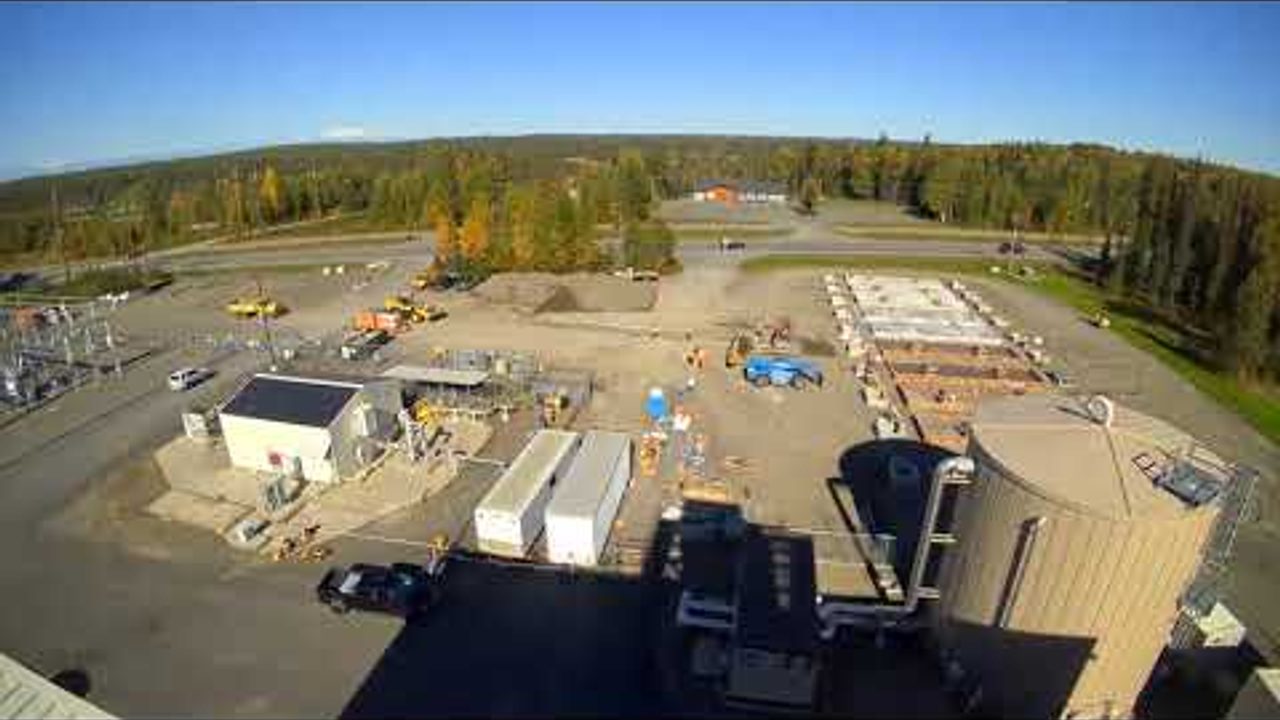
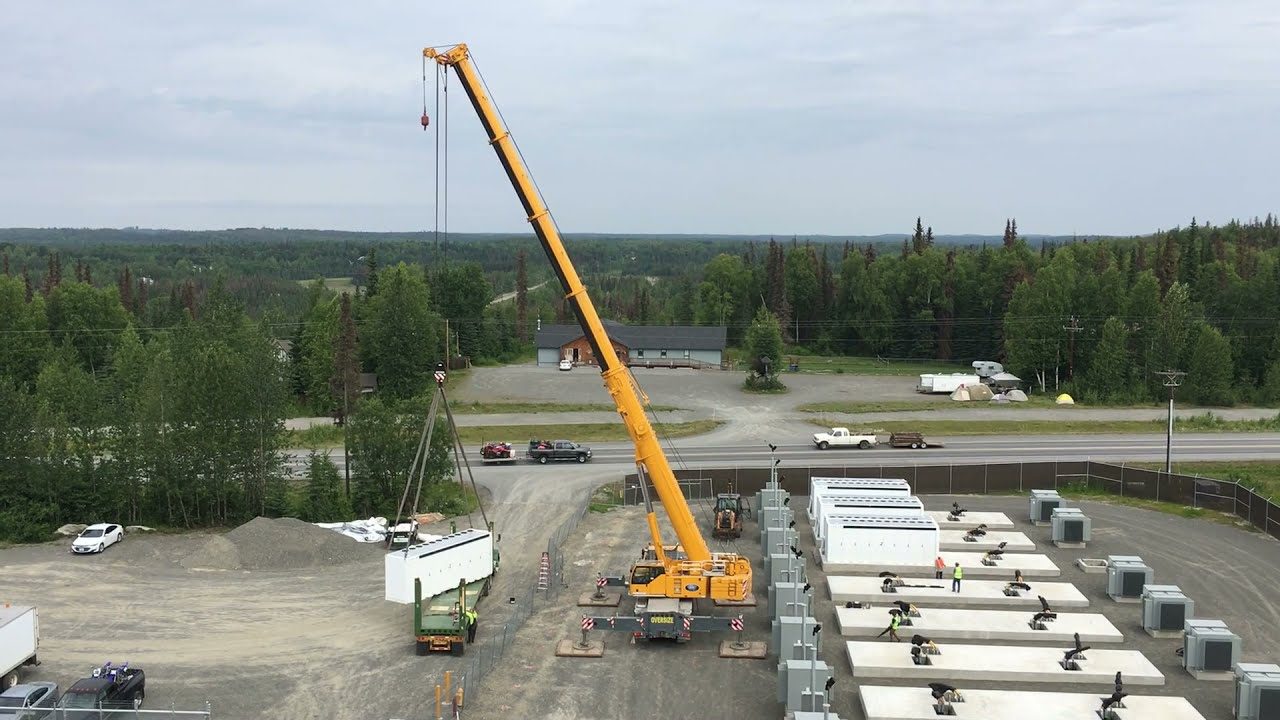
HEA shared interesting videos last year about the project, showing preparations and installation of the Megapacks. According to the company, its crews spent the better part of 2021 preparing for delivery of the batteries:

In 2021, Tesla has deployed (fully completed projects) almost 4 GWh of energy storage systems (Powerwall, Powerpack and Megapacks), which is 32% more than in 2020.
The company plans to build a new 40 GWh Megapack factory in California, and switch its energy storage systems to iron-based batteries, aka Lithium Iron Phosphate (LFP).
See also
RECOMMENDED FOR YOU

Tesla’s ‘Flying Roadster’ May Debut This Month Alongside A Street Legal Version
The Porsche Taycan’s Days May Be Numbered: Report
Used Tesla Model S Prices Have Fallen Dramatically. But Their Batteries Are Holding Up Great
Here's How Zoox's Robotaxi Safety Testing Will Work
Critics Slam Tesla's Gamification Of FSD As Driver Hits 25,000-Mile Streak
This Is The World's Largest Electric Aircraft—And Its First Flight Cost Just $5
They Bought A 78,000-Mile Tesla With An Unknown Past. Then They Tested The Battery