
Uber, Stellantis, And Wayve Want To Blanket The World In Robotaxis
Uber seems to have spent the past year attaching itself to every major robotaxi effort it can, and now Stellantis is joining that list.

- Uber, Stellantis, and Wayve want to scale Level 4 robotaxis globally, but the rollout timeline remains unclear.
- Stellantis would supply the vehicles, Wayve the AI driving tech, and Uber the ride-hailing network.
- Wayve says its AI can drive without city-by-city mapping, which could make robotaxis easier to scale.
Uber’s robotaxi partnership spree continues. Together with the British autonomous driving startup Wayve, Uber has announced plans to develop and deploy Level 4 robotaxis based on Stellantis vehicles in major cities worldwide.
The three companies have entered into a non-binding memorandum of understanding in which each company contributes: Stellantis will provide the vehicles, Wayve will handle the autonomous driving software, and Uber will integrate it into its vast ride-hailing network. They did not announce specific deployments yet, only saying that the companies would work together to bring autonomous mobility to cities "across Europe, North America and beyond."
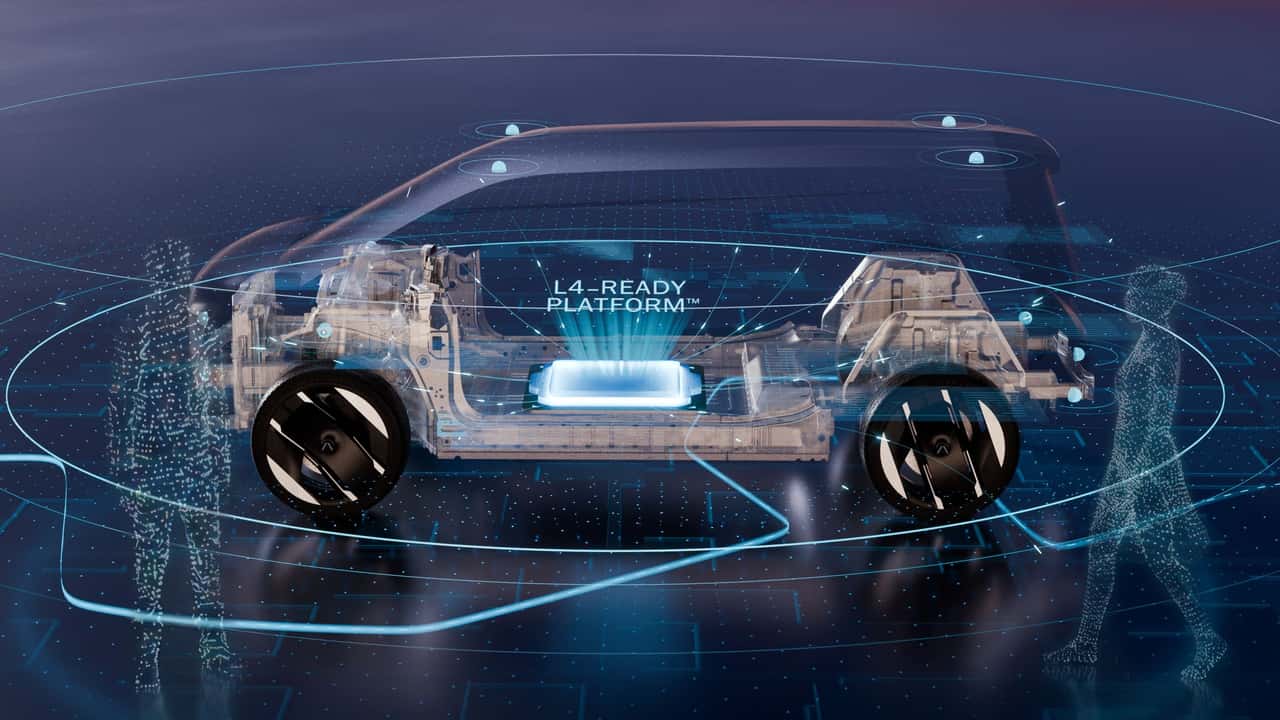
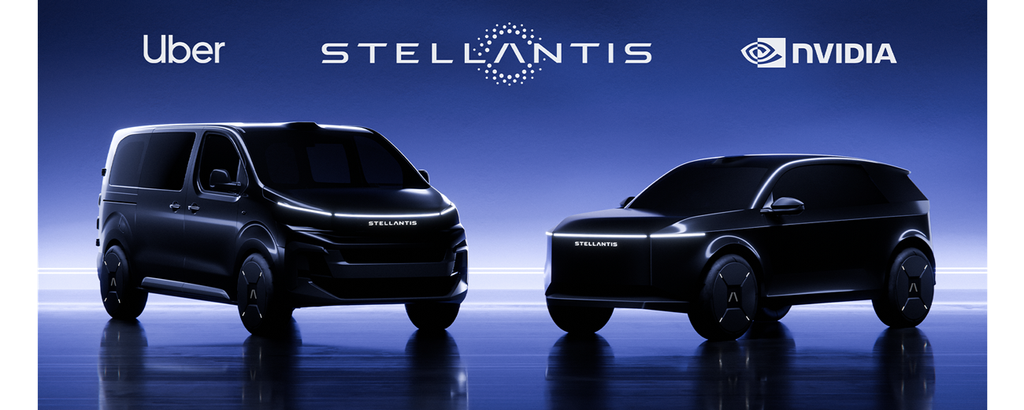
There aren’t many hard facts about exactly how this will play out, but Stellantis says it already has platforms that can support fully autonomous Level 4 driving, with embedded sensor suites and the safety and redundancy required to get such a vehicle approved for public roads. Stellantis and Uber struck a similar deal last year, with Nvidia as the self-driving technology provider.
These autonomous taxis will likely see even more daily use than human-driven taxis, because there is no limit to the number of hours they can operate. They would still need charging downtime, but EV charging is becoming fast enough that it won’t really matter. So Stellantis needs to provide durable vehicles that can withstand long working hours and the generally hard life of a taxi.
But while the big headline is about Stellantis and Uber looking to work together to make lots of robotaxis, none of it would be possible without Wayve’s so-called self-driving software. Wayve’s autonomous driving system relies on an array of six cameras, one radar, and machine learning and promises to replicate human-like driving in complex, heavily congested cities.
Wayve employs what it describes as a “mapless” AI system that learns to drive by observing (through its cameras) how the humans around it drive and how they react in certain situations.
The AI driving startup says it has had vehicles on London’s streets since 2018, but not as part of any commercial ride-hailing service and exclusively with a safety driver behind the wheel. This will still be the case for the initial rollout of the Wayve and Uber’s first publicly available robotaxis. The two companies have previously announced plans to also deploy (Nissan-based) robotaxis in Tokyo by late 2026, as well as in ten other major cities later on.

Stellantis is one of a series of carmakers to team up with Uber to make robotaxis. These include Lucid, Rivian, Volkswagen, and Nissan, as well as other robotaxi companies like Zoox.
What vehicles will Stellantis provide for Uber as robotaxis? Well, in October of last year, it announced its collaboration with Nvidia to allow it to create Level 4-capable vehicles, and it also revealed design sketches for a futuristic-looking van and a smaller crossover. Today’s announcement is accompanied by a see-through image of the same van, apparently showing where various sensors and cameras will be installed.
RECOMMENDED FOR YOU

Audi’s China-Only EVs Are Coming To Europe—And They Cost Less Than Local Models
LG Energy Solution's Newest Battery Megafactory Just Kicked Off Production
This 100-Year-Old EV Came With More Range Than The First Nissan Leaf
Tesla’s New Three-Row EV Is The Longest-Range Model Y Tested By Edmunds
Xiaomi's First EV Just Hit A Massive Milestone
Rivian Is Recalling Over 30,000 R1S And R1T EVs Over Faulty Indicators
One Owner Just Did What Tesla Couldn't: Upgrade An Older Car To HW4