
Tesla Revokes Man’s Full Self-Driving For 5 Days After One Too Many Strikes. He Still Has To Pay For It
Owners using Full Self-Driving (Supervised) can receive “strikes” for violating engagement rules.
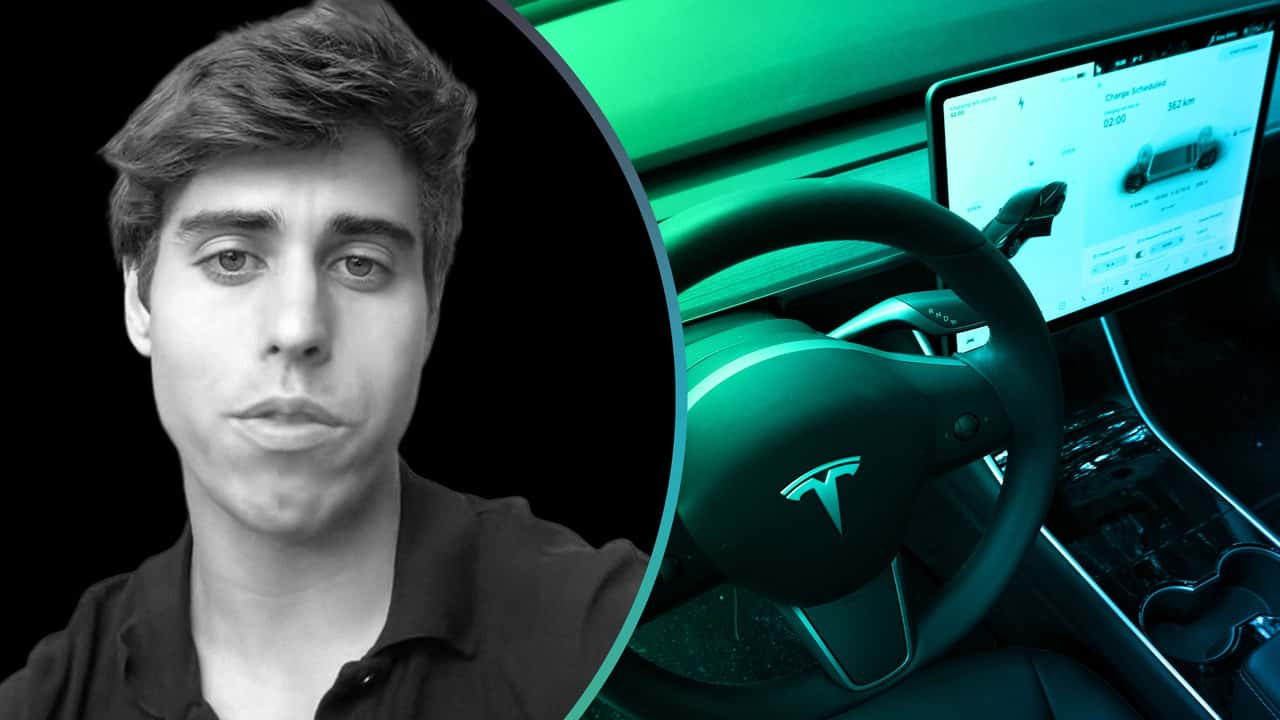

When Tesla’s software decided this driver needed a five-day timeout, the car stopped driving itself. The billing system, however, didn’t get the memo.
Tesla owner Dre Medici (@dremedicitiktok) expresses annoyance and anger in a recent TikTok clip, sharing that he’s still being charged for his subscription to assisted driving, despite opting for a five-day cooling-off period.
“They just delayed my autopilot for five days, but they're not delaying my subscription that I pay them an additional $100 a month,” he said in the clip that’s been viewed nearly 7,000 times.
The video shows Medici’s on-screen display confirming what he’s saying: “Autosteer (Beta) and Full Self-Driving (Supervised) suspended based on your recent driving data. These will be restored on Oct. 11, 2025, at 8:41 p.m.” The message indicates that Tesla’s software temporarily disabled the features based on his recent driving behavior, a policy that has been in place since the company introduced Full Self-Driving Beta to the public in 2020.
Tesla’s “Strike” System
Under Tesla’s current driver monitoring policy, owners using Full Self-Driving (Supervised) can receive “strikes” for not paying attention to the road, covering the cabin camera, or otherwise violating FSD’s engagement rules. After a predetermined number of strikes, the software automatically suspends access to FSD for a specified period. The company states that this is designed to protect safety and maintain data quality while training the neural network that powers the system.
Now Trending
Tesla’s official support documentation explains that drivers must remain “active and attentive” and keep their hands on the wheel, emphasizing that the software “does not make the vehicle autonomous.” However, Tesla does not pause billing during these suspension periods, which has caused growing frustration among some subscribers.
FROM THE TRENDING NEWS DESK
Viral bits from across the social media landscape
Our team of experts tracks what's trending so you don't have to—from viral videos to online debates that have everyone talking.
Tesla’s Full Self-Driving subscription, currently priced at $99 per month, provides customers with access to driver-assist features, including automatic lane changes, traffic light recognition, and the ability to navigate city streets. But as Medici and other owners have pointed out on social media, the subscription terms are not tied to how often the system is actually usable.
In Tesla’s terms of service, the company notes that the FSD subscription “is billed monthly until canceled” and does not guarantee uninterrupted access. Similar complaints have surfaced on Reddit’s r/TeslaMotors and Tesla Motors Club, where some users say temporary suspensions can feel like paying rent on an empty apartment.
For Tesla, that’s not an oversight but an intentional design. The software license is continuous, and access is managed server-side, meaning Tesla can deactivate or reactivate features remotely without altering billing cycles. As several owners noted in forum threads, even major software updates or outages don’t result in partial refunds.
A Recurring Frustration
Publications like Electrek and Teslarati have previously covered similar disputes, noting that FSD subscribers occasionally lose access due to issues beyond their control, such as camera calibration errors or software glitches. Tesla rarely comments publicly on individual cases, and it does not offer pro-rated refunds for service interruptions.
The situation reflects a broader tension emerging in the age of software-defined vehicles. Increasingly, carmakers are turning once-permanent features into paywalled services, ranging from heated seats to advanced driver assistance systems. BMW, for instance, drew criticism in 2022 for experimenting with subscription-based heated seats, and Mercedes-Benz faced pushback for charging U.S. drivers $1,200 per year to unlock faster acceleration in its EQ electric models.
For Tesla, which pioneered over-the-air upgrades and feature subscriptions, these billing structures are standard practice. As Tesla continues to roll out its Full Self-Driving (Supervised) software to a wider audience, debates like this one are likely to intensify. Medici’s frustration is part of a growing conversation about what it means to “own” a capability that can be revoked by the same system that charges for it.
InsideEVs reached out to Medici via direct message. We’ll be sure to update this if they respond.

RECOMMENDED FOR YOU

Teslas Will Now Deploy Their Airbags Before Crashes Happen Thanks To Cameras
This Chinese SUV Sold 100,000 Units In Seven Months For A Good Reason
Tesla Is Giving Away Free Supercharging. Here's How To Win.
VIDEO: The New Xiaomi SU7 Is Very Much Ready For Europe
This Ex-Rental Tesla's Battery Was Heavily Degraded. Then The Decline Slowed
Is The $25K Slate Truck Just Too Basic? I Rode In One To Find Out.
Tesla FSD Finally Reached Europe. Now Speed Limits May Slow Its Expansion