
European Car Companies Can't Compete With Chinese Tech. In Paris, They Leaned On 'Heritage' Instead
Is that enough to fend off a growing cadre of Chinese competitors in their home market? I’m not so sure.

It was the Paris Motor Show, but you’d hardly have known it. Walking through the plazas of the Paris expo Porte de Versailles, I was bombarded with advertisements for Geely and BYD. The first booth I saw was for Li Auto. While Renault, Peugeot, and other members of the Continental home team were present, if you give half a crap about EV technology, they weren’t the ones likely to catch your eye.
No, it was Zeekr, Li Auto, Denza, BYD, and that lot who were offering 10-minute charging times, mind-bending power figures, and unconventional designs. Between the ultra-plug-in-hybrid Zeekr 9X with its 111-mile electric range and plush recliners and the Li Auto Megahome with its “mobile home from the future” aesthetic, these brands are offering things I couldn’t have imagined five years ago. BYD, meanwhile, showed off cars with 10-97% charge times of 9 minutes, a mind-bending figure.
(Full disclosure: Geely was the company that brought me out to the Paris Auto Show, covering my flights and lodging. Li Auto also provided a 30-minute test drive of the i6.)

Li Auto's first European-market EV, the i6, charges from 10-80% in under 11 minutes, and offers massaging rear recliners, excellent software, and cushy air suspension.
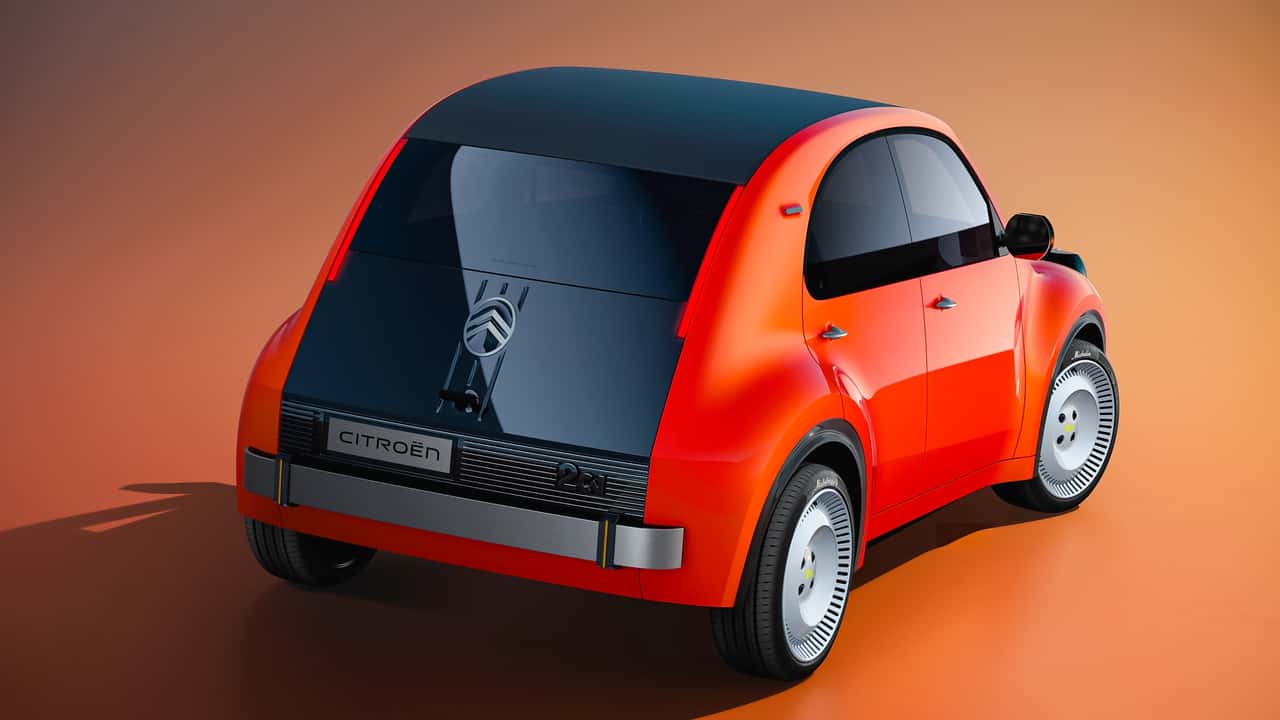
European firms, unable to match Chinese EV tech, leaned on something else: tradition. From the Renault Espace to the Citroen Is Finally Bringing Back The 2CV. And I’m Here For It and the Alpine A310, most brought re-interpreted concept versions of their greatest hits.
The message was clear: Stick with us, and it’ll be just like the good ole’ days.
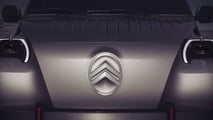
Gallery: Citroën 2CV Fourgonnette Concept (2026)
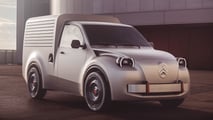
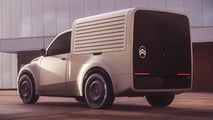
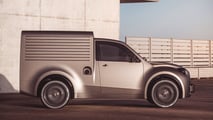

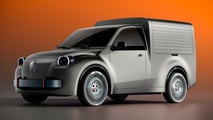
Will it work? That’s a trickier question. Because while the Chinese brands came in hot with ready-to-roll spec sheet monsters, the most exciting European efforts were concept cars. The real question is if any of these brands can bring their most exciting designs to market with technology that can match the best that China has to offer.
The 2026 Alpine A310 Vision concept
The Charging War Isn’t Over, But The West Is Losing Big-Time
At least five production cars on the floor could charge from 10-80% in under 11 minutes, and none of them were built by Western brands. Mercedes’ upcoming AMG GT 4-Door manages to do it in exactly 11 minutes, a number that the brand is mighty proud of. But when Zeekr mentioned the updated 7X—which already has a waiting list in Europe—now charges from 10-80% in 10.5 minutes, the company didn’t really belabor the point.
The Denza Z charges from 10-97% in nine minutes, blowing the brakes off any Western EVs.
After all, in the home market, that’s hardly impressive. Geely, BYD, and others are already offering Megawatt charging speeds that enable 10-97% in under 9 minutes, and 10-70% in under five. So when Li Auto said its first model for the European market, the Li 6, could do 10-80% in around 10 minutes, it felt more like table stakes than bragging.
The BYD Atto 8 can also charge from 10-97% in just nine minutes, and it's in a much more popular form factor than its supercar sibling.
I bring this up not because it’s the be-all and end-all, but because it quantifies a qualitative edge that was otherwise clear in person. While Mercedes, BMW, and other Western luxury brands are introducing their first software-defined, 800-volt EVs, Chinese automakers are on iteration 2, 5, or 10 of their SDV platforms, and even the PHEV Geely 9X runs at 900 volts.
The Zeekr 9X is a 900-volt plug-in hybrid with up to 111 miles of electric range.
Europe On The Defense
European automakers seem more aware than ever that they are operating from a position of weakness. While American legacy firms are just as behind on the tech front, if not more so, they are temporarily safe in their home market, thanks to regulations that make selling Chinese EVs stateside all but impossible. For them, it is a tomorrow problem, even if tomorrow is approaching rapidly.
The Europeans are in trouble today. They have been battered on three fronts: Sales are collapsing in China as domestic competitors gobble up market share, profits in America are being erased by aggressive tariffs, and market share at home is now threatened by an ever-growing list of Chinese brands. All the while, higher energy, labor, and regulatory costs at home make it harder and harder to compete globally.
BMW and Mercedes have some awesome EVs coming. But they're under assault in Europe, China, and the U.S., and sounding the alarm about the effect on their business.
They are no longer denying this, with executives sounding the alarm both on earnings calls and within government conversations. And as their home countries weigh the potential loss of one of their highest-value industries, they have proven willing to play defense on their auto industry’s behalf.
Already Chinese EVs face steep tariffs, with brands like Li Auto facing cumulative duties of over 40%. And while those tariffs rates used to exlcude hybrids altogether, Europe is tightening restrictions on hybrid imports, too. Even still, Li Auto plans to price the Li 6 in line with the BMW iX3, which offers less space inside and slower charging speeds, albeit with more maximum range.
So the legal and tariff barriers do not seem to be enough. The best defense is a good offense, as they say, and so these companies are scrambling to close the gap. The iX3 is a range monster, and the comparatively sized Mercedes GLC EV is shockingly efficient. But that alone won’t get people excited, which is why these companies are leaning on their excellent design and branding teams, hoping to recapture the luster they’ve lost.
The Renault Twingo E-Tech Electric proves that teeming decent EV tech with a great design can be enough to win people over.
It may work. Driving the Li 6 to the Eiffel Tower, I was feeling rather pessimistic about the Western industry’s chances, as the Li 6 featured the best head-up display I’ve ever used, a Tesla-like ultra-quick interface, some of the comfiest seats I’ve experienced in recent memory, and an utterly sumptuous ride. It wasn’t looking good.
But then I saw a clearly staged group of multicolor Renault Twingo EVs circling the roundabout behind me, and I couldn’t help but smile. For all of the tech and cost advantages you may find in a BYD Dolphin Surf, cars are an emotional purchase, and leaning on a legendary design certainly helps.
The same could be said for the reborn 2CV, which looks as friendly and unique as the original, but less awkward. And while the E-Space concept was yet another lounge-on-wheels, coach-door concept, the likes of which we have seen many times before, the existince of swivel-seat Chinese production EVs on the same floor suggests that Renault could actually do that.
Could is the operative word here. The 2CV could be a hit with the right price and specs. The E-Space could take on the growing slate of E-MPVs from new brands. And fantastic designs like the Renault 5 and Twingo EVs could prove durably charming, even as Chinese options with lower prices and longer ranges flood the market.
The Renault 5 E-Tech
But if European companies want that to happen, they have to execute, and quickly. Chinese companies do not tease a concept and then take years to deliver it to market. They deliver new products quickly and often, trying many things and quickly scrapping the bad ideas.
That’s what European brands need. They need to move faster, to take more risks, and to operate from a position of humility, recognizing that they are operating from a down position. In a world of dwindling profits and increased competition, that isn’t an easy pill to swallow. Nobody wants to gamble with their last dollar. But in Paris, they seemed willing to throw down, betting that their designs, legacies, and loyal customer bases will keep them alive until they can match the Chinese, blow for blow.
Success is far from guaranteed. Leaving Paris, though, I couldn’t help but wonder: What other choice do they have?
Related Stories
RECOMMENDED FOR YOU
‘Propulsion-Agnostic’: GM Wants To Bring Tesla-Style Software Features To Its Gas SUVs, Too
Want The Best Range Rover? Get The Electric One: First Drive
Chinese And European Car Companies Both Brought Their A-Game To The Paris Auto Show
I Drove The Electric And Gas-Powered BMW X5. I Know Which One I'd Pick.
I Thought Fake Gears Made EVs Better. Then I Drove This Porsche Taycan
The Ferrari Luce Officially Starts At $560,800
The Best Electric Sedans To Buy In 2026: Top Picks For Range, Performance & Style