
A Tesla Model Y Battery Test Looked Bad. Then The Degradation Almost Stopped
After a sharp early drop, this Tesla Model Y's recent battery health test suggests this mostly fast-charged LFP pack has settled down.
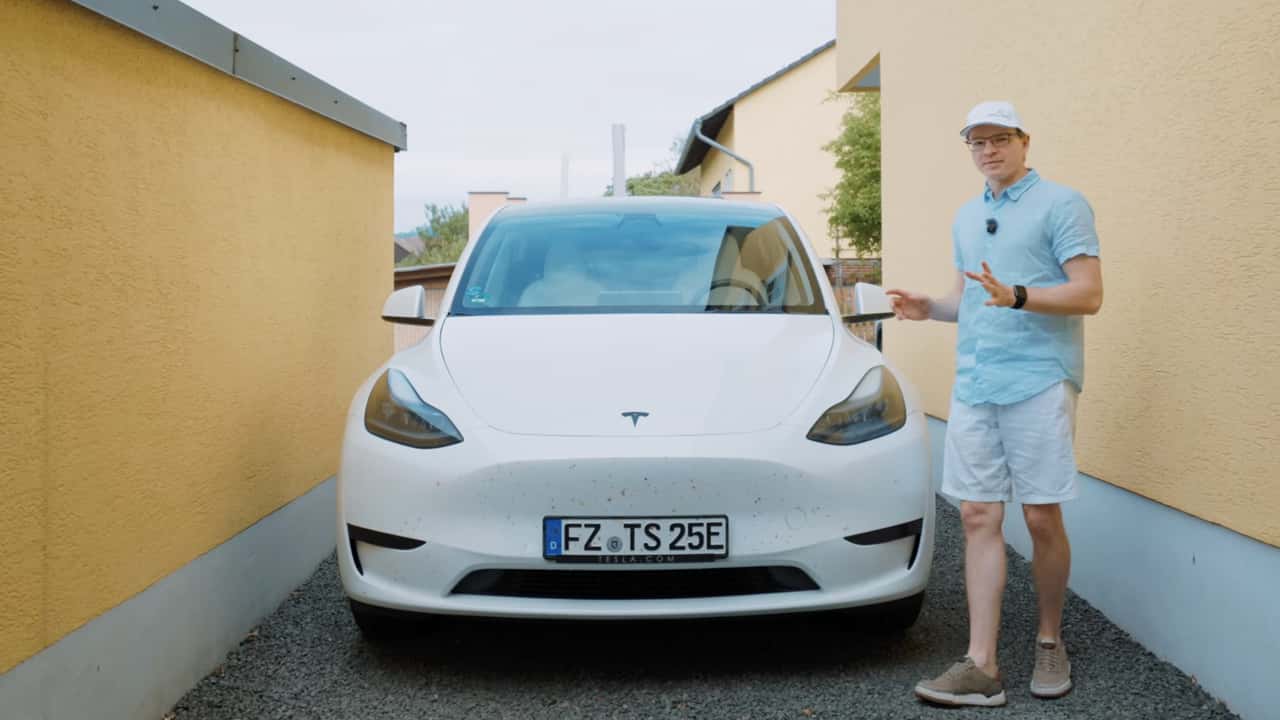

The idea of battery degradation is scary because most EV owners may not have a clear baseline of what normal looks like. Losing a few percentage points of battery health can send the internet into a frenzy, and suddenly everyone is convinced the battery is on its way out, turning the EV into an expensive, car-sized paperweight.
However, while there is no cut-and-dried formula for predicting EV battery degradation, there are general patterns that hold true in most cases. One of these seems to be that the rate of degradation is not linear. They tend to degrade more early on, then the rate of capacity loss starts to slow down.
This was confirmed to me when I spoke to Voltest’s Davide Giacobbe, who drew from experience testing hundreds of high-mileage EVs, but there are also individual cases that seem to prove it. One is this three-year-old Tesla Model Y Standard Range, which has an LFP battery with cells supplied by CATL, with a capacity of around 60 kilowatt-hours.

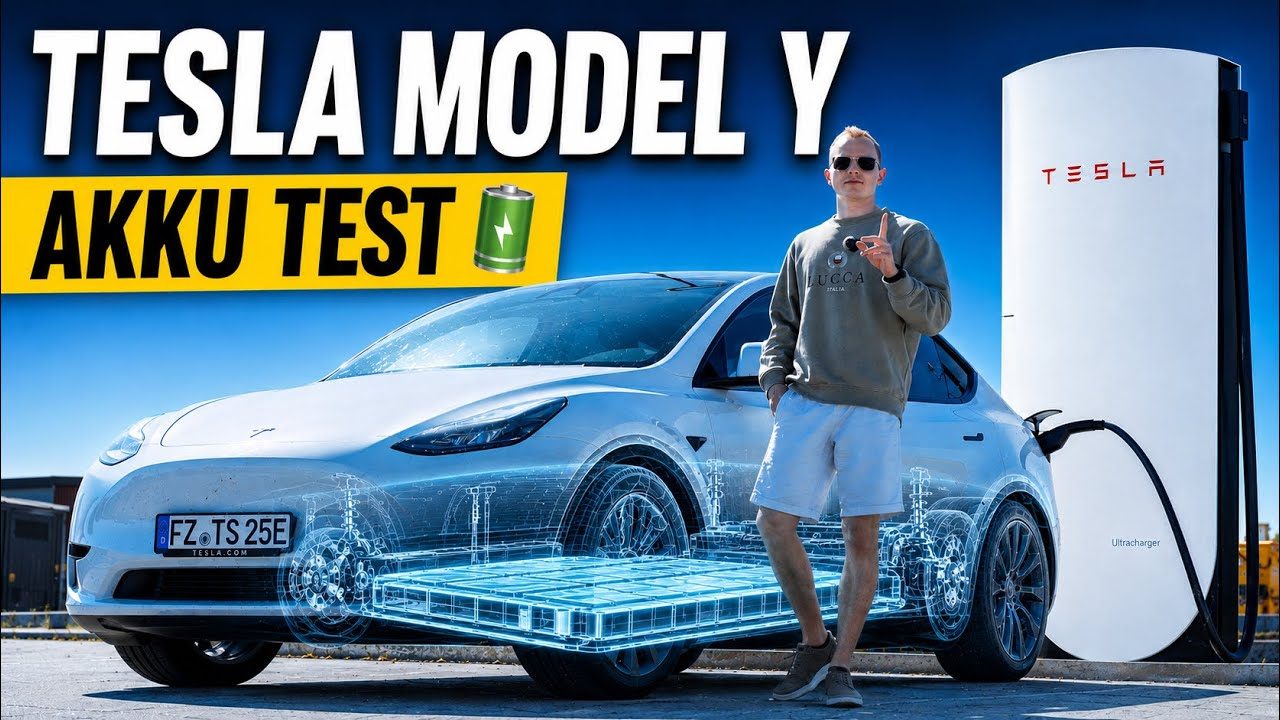
Its current owner, Tom Scheiter from Germany, bought the Model Y about a year ago with around 34,000 miles (55,000 km) and had its battery tested. The result showed that 92% of the original capacity remained. Losing 8% capacity in two years is on the higher side of the degradation scale for an EV of this age, and it hints at the kind of life it had.
One explanation for the higher-than-average degradation is that this particular Model Y may have been Supercharged most of its life. LFP batteries are known to suffer less from frequent fast charging than NMC batteries, although regular fast charging to 100% still affects longevity regardless of chemistry.
Explaining degradation is never definitive, as many factors can affect it, and it's hard to tell which is to blame. The car could also have sat outside, exposed to very high or very low temperatures, while constantly regulating its battery pack temperature. This not only saps range but also takes its toll over the long term, but we don’t know if this is to blame in this instance, since Tom doesn’t mention the car’s previous charging history.

He recently tested the battery again, with the car’s odometer now reading around 49,700 miles (80,000 km). The car has done roughly 15,500 miles (25,000 km) in a year, and the test revealed the state of health was 91%, so it only lost 1% more.
This is where it gets interesting. Tom says that he has mostly fast-charged the car since he bought it, which doesn’t seem to have done much damage to the battery. This seems to confirm both that LFP doesn’t mind fast charging and that most degradation occurs early on.
That makes a follow-up test after one more year of use very interesting and relevant, as it would point to confirmation on both points. A battery health reading can look alarming without context, but a second data point can shed more light on whether it really is something to worry about or just the typical shape of a battery degradation curve.
RECOMMENDED FOR YOU

Rivian R2 Range Tested Until It Died: Here's How Far It Went At 70 MPH
Audi's U.S. Hybrid Push Is About To Get A Lot Bigger
Something Doesn’t Add Up About The Rivian R2’s EPA Efficiency Rating
Amazon Added 10,000 Rivian Electric Vans In Just Six Months
Tesla Has To Fix Its Super-Bright Headlights. A New Law Could Change Things For Good.
This Quad-Motor Electric Land Rover Defender Restomod Has More Range Than Some Teslas
After 87,000 Miles, This 2022 Tesla Model Y Didn’t Just Lose Range. It Charges Slower Too