
How Much Range Does A BYD Seal Battery Lose After 31,000 Miles?
After two years, its LFP pack shows measurable degradation. But the number is less alarming than it looks.
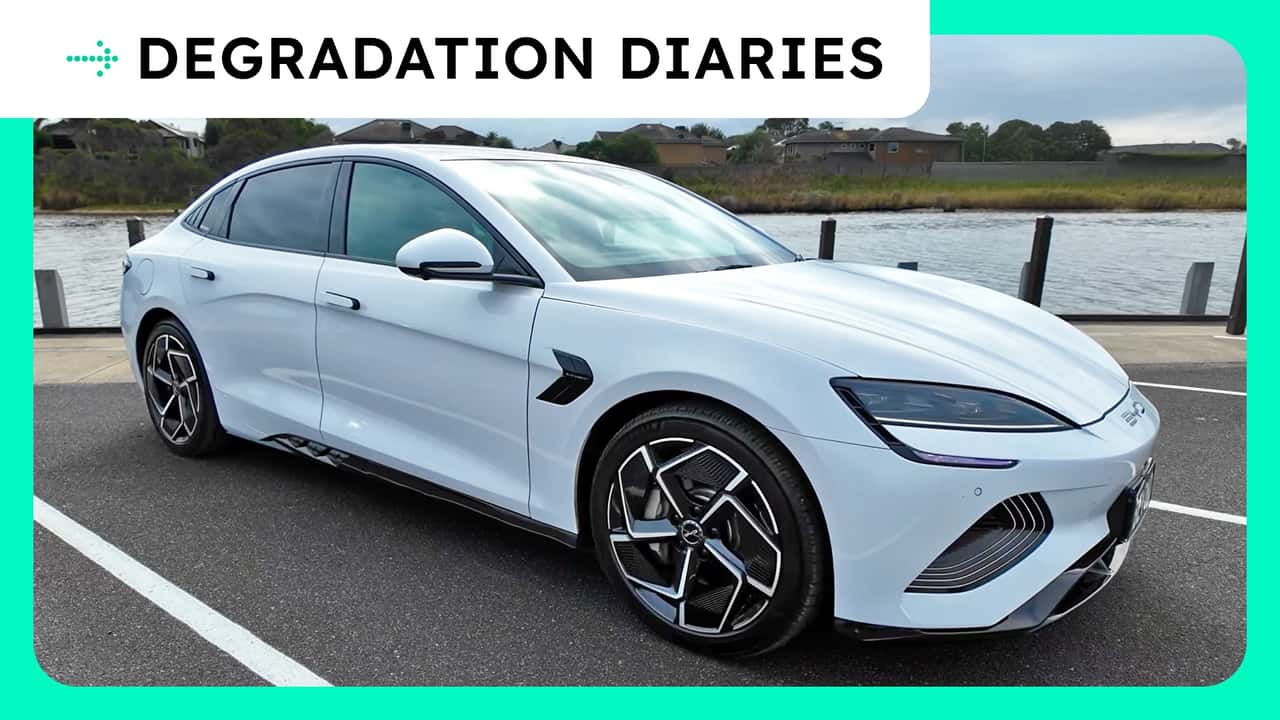

Battery degradation is a topic that interests both electric vehicle owners and those pondering whether to buy one. This question is relevant both to those looking to buy new, who want to know how much range loss to expect, and to those considering saving some money by picking up a used EV.
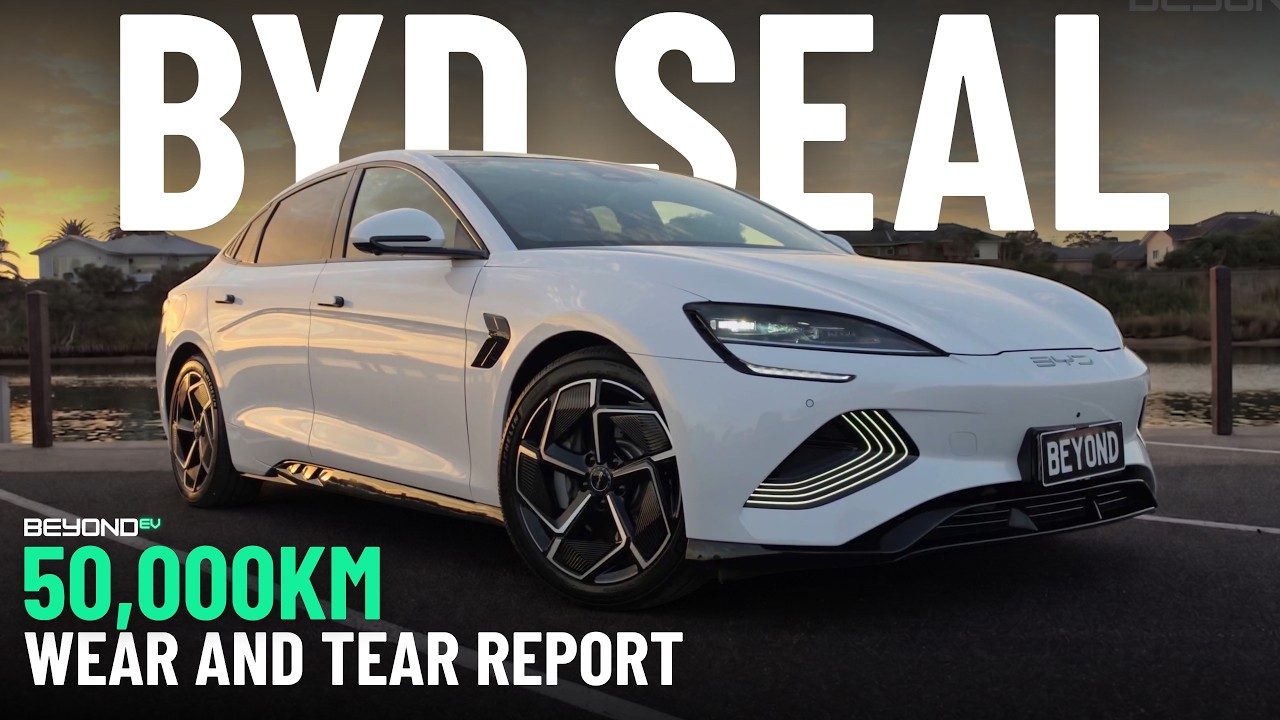
While studies show that in general EVs hold up well with normal use, there is no single, clean answer to the battery degradation question. That's why I started Degradation Diaries, a column where I break down one example of EV range loss and see what we can learn from it. The first in the series is this 31,000-mile (50,000 km) BYD Seal single-motor car from 2024, tested in Australia by YouTube channel Beyond EV. It’s around two years old, and they check how much capacity it’s lost through an OBD2 dongle and the Car Scanner app.
When new, the car’s lithium-iron phosphate (LFP) Blade battery had a capacity of 82.56 kilowatt-hours, with around 85 kWh in total including the buffer. This gave the car an official WLTP range rating of around 354 miles (570 km) or 31 miles (50 km) better than the quicker dual-motor version.

The Australian Automobile Association (AAA) tested the single-motor Seal on public roads and got a theoretical maximum range of 303 miles (488 km), which is 14.4% less than the manufacturer's claim.
The video goes into some detail about the car, but not how it was charged, and whether it was slowly juiced up through a Level 2 charger overnight, or if it saw frequent DC fast charging. The type of charger you use does affect EV battery longevity, and relying heavily on public DC fast chargers can accelerate degradation, although LFP batteries of the kind this Seal has do perform better in this respect than nickel manganese cobalt (NMC).
Testing the battery in this Seal revealed that it still had 95.08% of its original capacity, which works out to around 78.5 kWh. That’s a pretty good result, especially since we don’t know how this car was charged, whether it was kept in a garage or parked outside, and if the owner never let the battery get too empty or too full (all of which are known to affect degradation).

Five percent capacity loss in a couple of years also sounds worse than it is. According to one study in the Journal of Power Sources, lithium-ion battery degradation (including LFP) is often non-linear, so a sub-5% state-of-health drop after 31,000 miles does not mean the car will continue to lose capacity at exactly the same rate.
And this is the point of Degradation Diaries: Data from one vehicle isn’t the whole story, but it’s a lot more useful than guessing. This Seal’s battery has clearly aged, but so far, the numbers look more normal than worrying.
More EV Battery Degradation Stories
RECOMMENDED FOR YOU

BYD's New 3-Row SUV Brings 5-Minute Flash Charging To European Families
Chinese Auto Giant Chery Wants To Crack The U.S. Market. It Thinks Detroit Could Help
BYD Will Put Solid-State Batteries In An EV Next Year: Executive
Slate’s Bare-Bones Electric Truck Surprised This Early Reviewer
BYD’s $10,000 EV Is Getting A Huge Upgrade, With 5-Minute Charging
Rivian Buys Synthetic Data Startup To Boost Its Autonomy Ambitions
The Entegra Coach Embark Is An Electric RV Without The Range Anxiety