
An App Flagged This Tesla Battery As Degraded. The Car Said It Was Worse
A four-year-old Model 3 Performance scored 88% battery health in Tesla's own test—lower than its owner expected, but close to a prediction by a third-party app.
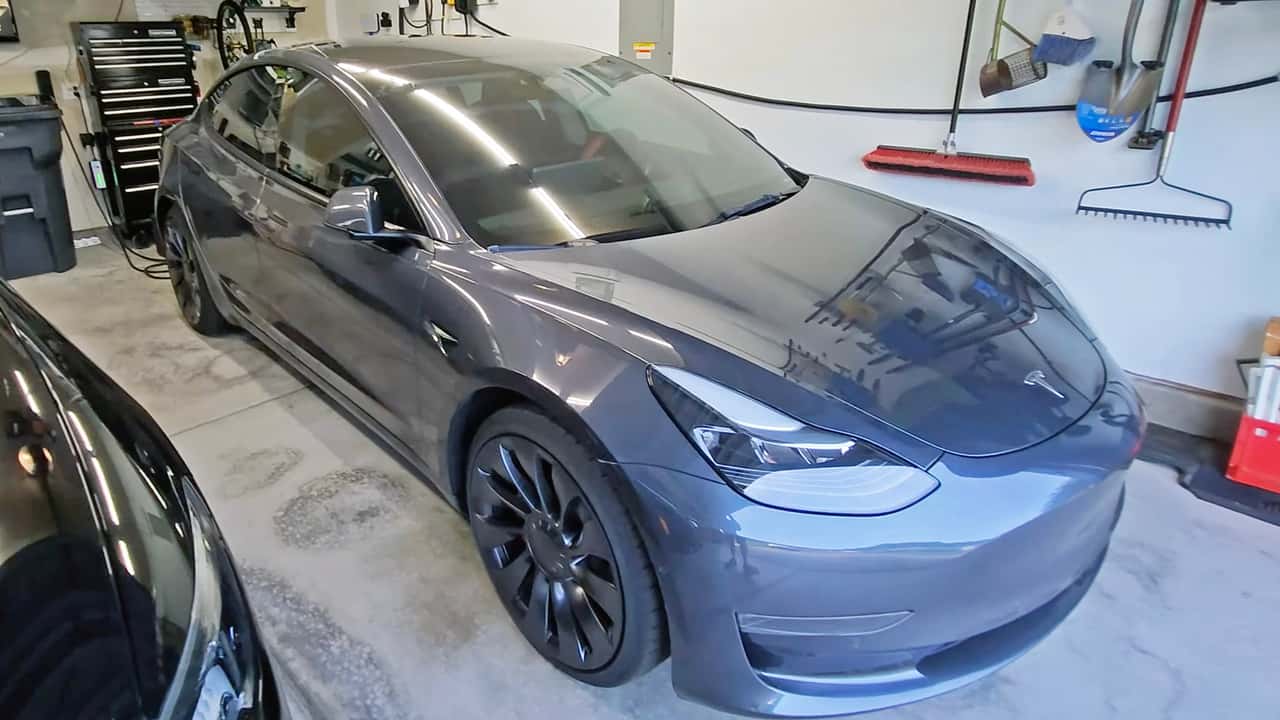

- A third-party estimate suggested this Model 3’s battery health was 89%. Tesla’s own test said 88%.
- The mostly home-charged Model 3 Performance still showed more degradation than its owner expected.
- Its early life as a demo car may explain the lower-than-expected result.
Electric vehicle batteries age and naturally lose capacity over time, but how much they lose depends on a range of factors, leading to wide variations between two cars from the same year. Battery degradation occurs more quickly when the pack is new and then tapers as it ages. As a rough rule, a modern EV that is a few years old should still have about 90% of its original battery capacity, give or take, depending on how it was used and charged.
This can be higher in vehicles that never saw fast charging to 100%, or lower in vehicles that saw taxi use, which required them to be regularly DC-charged to full. But what if an EV led a hard life initially, when it was charged without regard for battery health and likely left sitting at a high state of charge before being handed to a new driver every few hours?

This 2022 Tesla Model 3 Performance was bought by Tech Motoring when it was about five months old, with just 1,000 miles on the odometer. It’s been running ever since, clocking up over 31,000 miles, but when the owner performed a battery health test, the result was under expectations.
Since buying the car, the owner says he treated the battery gently, doing most charging at home on a Level 2 wall box and usually keeping it between about 30% and 80%. It’s the latter that really matters and shows that this pack has, indeed, been looked after.
The owner got this information from Recurrent. The car periodically sends data, and the app can estimate battery health by monitoring factors such as state of charge, displayed range, mileage, charging behavior, and climate exposure over time, and then comparing the car with similar EVs in its database.

An older Recurrent estimate for this Model 3’s battery health was 89%, which the owner thought was a bit harsh. Another estimate was 92%, which was closer to what the owner expected, but when they ran the built-in Tesla battery health test, the result was even lower.
According to the Tesla battery health test, which requires the car to be plugged in so it can be almost fully discharged and then recharged to produce an accurate reading, the car’s remaining battery capacity was just 88%. That does sound a bit on the low side for a battery pack that hardly saw any fast charging, and the owner believes it's showing up now because of its early life as a demo car.
With the battery fully charged, the car shows a range estimate of 276 miles, which isn’t too far off its original EPA estimate of 303 miles. That’s still a pretty solid figure, meaning this car can still deliver a lot of real-world range, and it’s still far from Tesla’s minimum 70% for a new pack to be considered under warranty.
That early demo car period certainly raises questions, but it is exactly the kind of blank space EV buyers should care about. Mileage tells you how far the car has gone, but it tells you little about the health of the battery, which you should always check before buying a used EV, even if it’s one with low miles and plenty of displayed range left.
RECOMMENDED FOR YOU

This Ex-Rental Tesla's Battery Was Heavily Degraded. Then The Decline Slowed
Drivers Are Not Happy With Their Cars' Screens
This Tesla Model 3 Went Nearly 400 Miles In A Range Test, 30 More Than Its EPA Rating
Lucid Cosmos And Earth: Everything We Know About The Tesla Model Y Rivals
The Best EV Lease And Finance Deals In June 2026
This Chinese SUV Sold 100,000 Units In Seven Months For A Good Reason
Teslas Will Now Deploy Their Airbags Before Crashes Happen Thanks To Cameras