
This New European Electric SUV Has A Secret From China
It will look German, may be built in Spain, but with Leapmotor’s EV architecture and battery tech.
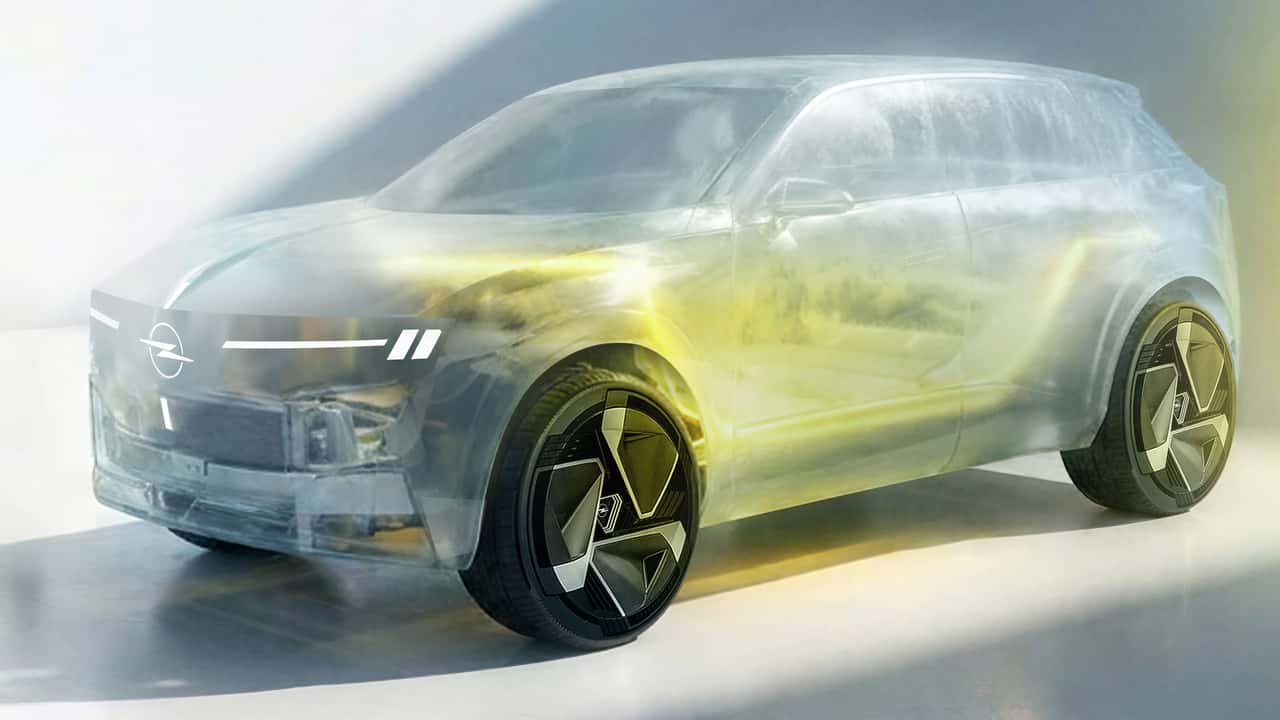

- Opel’s next electric SUV could use core EV architecture and battery tech from China’s Leapmotor.
- The SUV may be designed in Germany and built in Spain, but its most important EV hardware could come from China.
- This could be the start of more Stellantis models using Chinese EV tech under familiar European badges.
If you can’t beat them, join them. That’s what Opel seems to be doing with its next electric SUV, which is expected to use EV tech from China’s Leapmotor. Opel’s parent company, Stellantis, has a significant stake in Leapmotor, which enables it to use its technology in vehicles from other brands under the group’s umbrella.
There are already European badges on sale in Europe with deep Chinese production or ownership links. The electric Mini Cooper is built in China through a BMW-Great Wall Motor joint venture, while the Volvo EX30 (based on a Geely platform) was initially produced in China before Volvo moved production to Belgium.
But this Opel project is different: it will be a mainstream EV from a European legacy brand built in Europe on a Chinese platform. Opel doesn’t go into too much detail regarding how much of the new model will be from China, but it does say it will “use core components of the latest Leapmotor electric architecture and battery technology.”
The manufacturer says it is considering building the new compact model at Stellantis’ Zaragoza plant in Spain. The factory already builds several small Stellantis models, including the Opel Corsa, and Leapmotor’s B10 is also expected to be produced there beginning later this year. The new Opel SUV, if approved, could follow in 2028 and would be developed in under two years—far quicker than a typical clean-sheet vehicle program, largely thanks to the use of the Leapmotor platform.

Leapmotor already offers a compact electric SUV, the B10, and the new Opel model could be mechanically related. It is available in pure-electric form with 56.6 kilowatt-hour and 67.1 kWh batteries, or as a range extender with an 18.6 kWh battery and a 1.5-liter engine. The Opel model will look nothing like a Leapmotor, though, and the manufacturer assures future buyers that the new SUV will have the brand’s signature design and that its chassis tuning will be done in Germany.
This first Stellantis model built around Leapmotor underpinnings could be just the start. We could see Leapmotor-based Peugeot or Fiat models in the future, although that remains speculation for now. Reuters recently reported that Stellantis plans to allocate more resources to Jeep and Ram in the United States and to Peugeot and Fiat in Europe, while other brands may increasingly rely on shared technology and more targeted regional roles.
RECOMMENDED FOR YOU

Ford CEO Thinks Chinese EVs Could Hit The U.S. Within 5 To 10 Years: Report
The Ferrari Luce EV Proves The Haters Wrong
Audi's U.S. Hybrid Push Is About To Get A Lot Bigger
Amazon Added 10,000 Rivian Electric Vans In Just Six Months
This Quad-Motor Electric Land Rover Defender Restomod Has More Range Than Some Teslas
Tesla Reaches Its Biggest Manufacturing Milestone Yet With 10 Million EVs
Porsche's 6,000-Pound Electric Cayenne Beats Supercars To 60 MPH