
3 Big Takeaways From The Beijing Auto Show
The Beijing Auto Show had more than 180 debuts this year, making it the largest and most important auto show in the world.
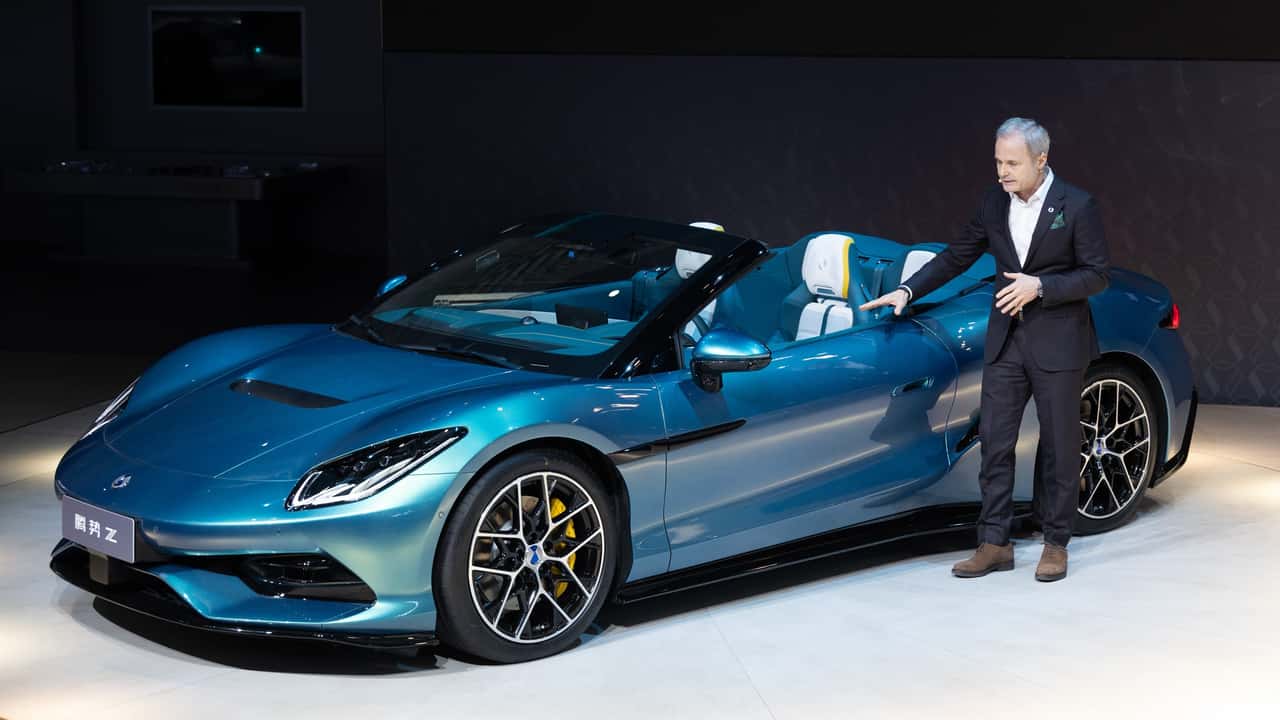

- Auto China 2026 (the Beijing Auto Show) featured 181 debuts, with at least 50 of them being production models.
- Many models launched were bigger and more expensive than in years past.
- Plus, I noticed non-Chinese automakers stepping up their game at this year's show.
No matter how you may feel about China, there’s no denying its power and influence on the global automotive landscape. This year's Beijing Auto Show hosted a whopping 180 debuts of both concept and production models. The show was so big that it stretched nearly a mile from end to end. And yeah, my ankles are still in pain from all the walking.
The Beijing Auto Show wrapped up a few days ago. Here are three big takeaways from the expo and from the ten days I just spent in China observing the latest in its car market.
The Shift To Bigger, Higher-End Cars

BYD Great Tang
China’s New Energy Vehicle market has always had premium aspirations. Sure, there are plenty of mainstream, small, and cheap fully electric or extended-range EV (EREV) models to buy on China’s market, but this show seemed to turn the attention to more expensive offerings. Take the BYD Yangwang U9 Xtreme, for example. This 3,000-horsepower hypercar may just be China’s most expensive car ever. BYD only plans to sell 30 of them, priced at nearly $3 million each.
Hypercars aside, other brands are reaching upmarket and rolling out bigger, more luxurious vehicles. Stellantis’ Chinese partner Leapmotor introduced the D19, a large EV or EREV SUV aimed at other premium seven-seaters like the Li Auto L8. At roughly $35,000, it sounds like a bargain for Americans, but it is significantly more expensive than the rest of Leapmotor’s lineup.
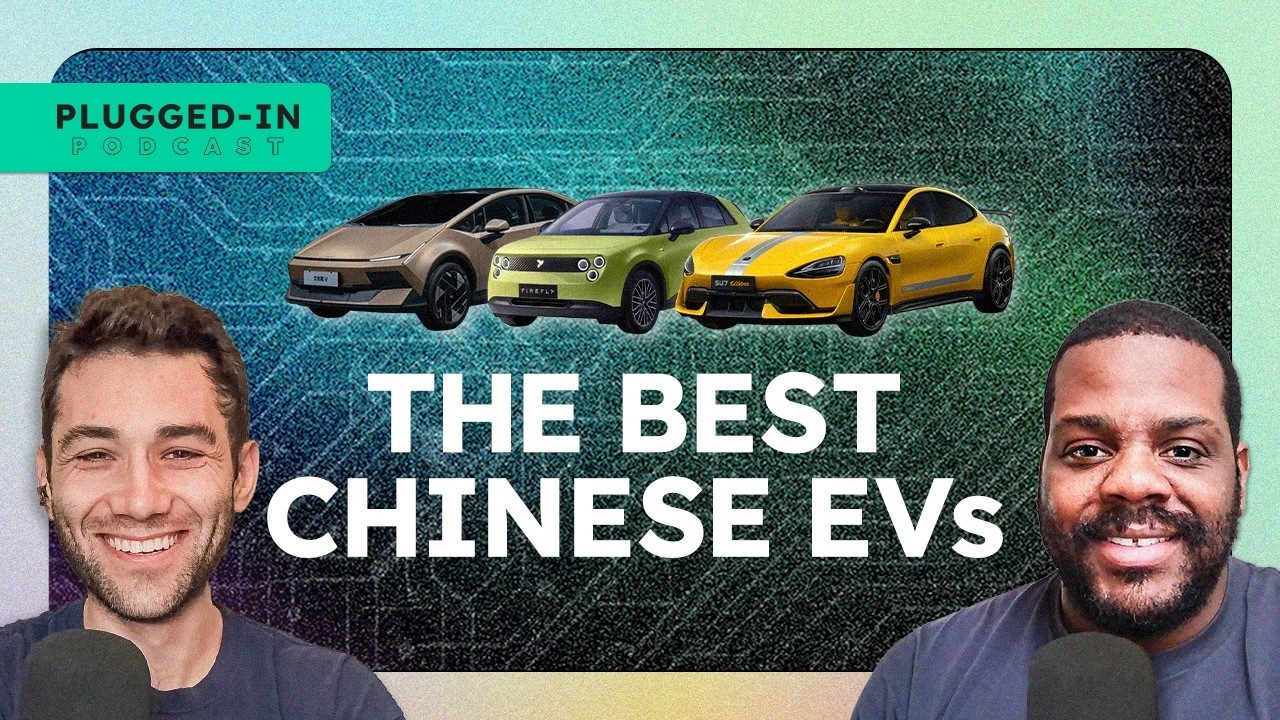
(For a deeper dive into the Beijing Auto Show, check out the most recent Plugged-In Podcast below or wherever you get podcasts.)

Similarly, BYD’s Great Tang crossover just entered China’s big luxury three-row market, as did Xpeng’s Range Rover-esque SUV, called the GX. BYD’s Denza and Fangchengbao brands both showed off near-production concepts of models that clearly are meant to poach buyers who would’ve bought cars from Porsche or Mercedes-Benz.
Non-Chinese Automakers Are Stepping Up Their Game
Non-Chinese auto manufacturers have been pretty vocal about the collapse of sales in China. Now many of them are rolling out new, more competitive cars for the Chinese market, and I think this time it could work out.
Hyundai Ioniq V
Hyundai’s Ioniq V is the standout for me. This wedge-shaped car is striking, promising 373 miles (CLTC) on a charge and an infotainment system that’s more advanced than what we’ve got here at home. It’s developed with Hyundai’s Chinese joint venture partner, BAIC, and is part of a multi-model vehicle launch meant to put Hyundai back at the top of the sales charts.
Volkswagen was also out in full force, showing off several production models and concepts developed with its local Chinese market partners. The Jetta X and Audi E7X are two crossovers at either end of the spectrum (one cheap, one not-so-cheap) using Chinese tech and developed much quicker than usual.
CRITICAL MATERIALS Subscribers got this story early
Our flagship newsletter breaks down the week's EV news every Friday.
Foreign Media Is More Interested Than Ever
Two years ago, I felt like one of the few folks on the show floor who wasn’t from Asia. This year, the show was full of media, experts, and others from all over the globe. No matter where you’re from, everyone’s interested in the Chinese car industry. For Americans, who won’t see Chinese vehicles anytime soon due to policy barriers, this may be part of an effort to size up the global competition. However, for other countries, the show presented a real avenue to see which products could be headed to their respective home countries.
Farizon Van China
Canada recently announced it would let in a small number of Chinese vehicles at lower tariff rates, and I noticed many Canadian media outlets at the show. Chery reportedly hosted a group of nearly two-dozen Canadian car dealers as it eyes an entry to that market.
All told, there’s more foreign interest in China’s car industry than ever—from car buyers, dealers, and manufacturers alike. But that market is evolving quickly, too. I’m curious to see how much the landscape will have shifted by this time next year.
Contact the author: kevin.williams@insideevs.com
Related Articles
RECOMMENDED FOR YOU
Chevy Is Giving Up On The Chinese Market
This 100-Year-Old EV Came With More Range Than The First Nissan Leaf
After Driving Over 25 Chinese Cars, These Are The 6 I Would Buy
Xiaomi's First EV Just Hit A Massive Milestone
Ford's Bronco EV Is Better Than It Has Any Right To Be. Why Isn’t It Sold In The U.S.?
LG Energy Solution's Newest Battery Megafactory Just Kicked Off Production
BYD Claims Its New EV Can Go 683 Miles On A Charge—And Add Hundreds More In 5 Minutes