
Mercedes-Benz eEconic Enters Series Production
It's the second electric model produced at the Wörth plant in Germany.


Daimler Truck announced the start of series production of its second all-electric truck model, the Mercedes-Benz eEconic.
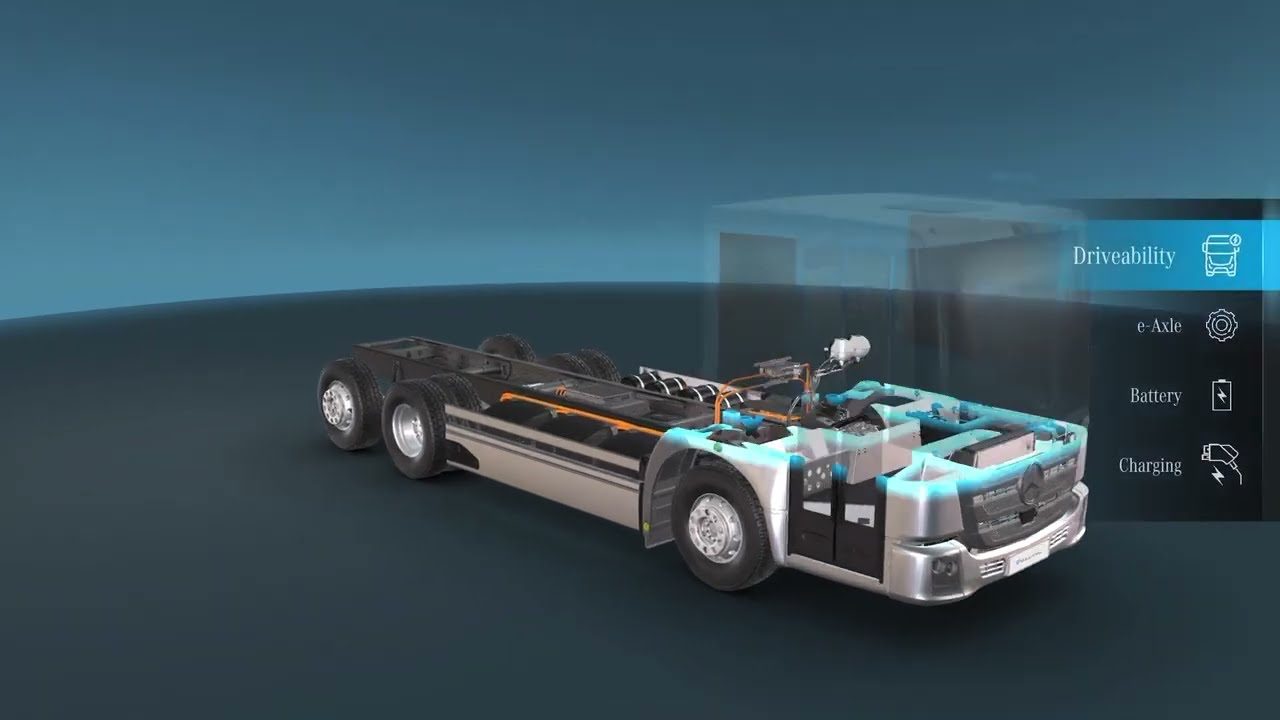
The Mercedes-Benz eEconic is envisioned for inner-city municipal applications. The vehicle is based on the same architecture as the Mercedes-Benz eActros, which has entered production in October 2021. Both models are produced at the Wörth plant in Germany.

Production of electric trucks takes place together with diesel versions in the existing Mercedes-Benz Special Trucks assembly line. After the vehicle has been largely assembled, the eEconic continues in the Future Truck Center, where the electric drive components are installed (including batteries and other high-voltage components).

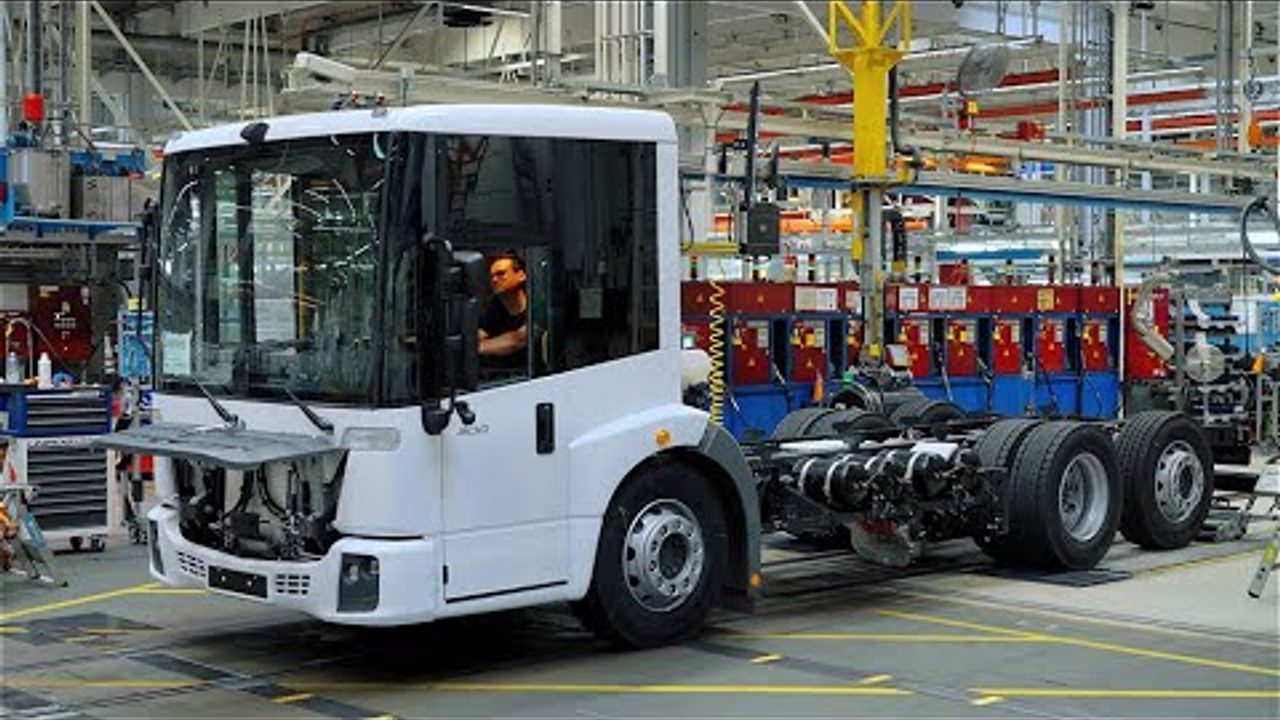
According to the company, the eEconic as a waste collection is designed to cover the vast majority of typical waste collection routes in a single shift without intermediary charging.
The Mercedes-Benz eEconic e300 version is equipped with three battery packs for a total of 336 kWh of battery capacity. Range in the waste collection application is expected at 100-150 km (62-93 miles).
Charging power is at 160 kW (peak) and it takes about 75 minutes from 20 to 80% state-of-charge (SOC).
Mercedes-Benz eEconic e300 specs

The first series-produced eEconic will be handed over to Urbaser A/S, a company operating in the waste disposal sector in Denmark.
Customers in Europe have had an opportunity to test the vehicles in practical trials since May. Now, it's time for the ramp-up of production and deliveries.
In the not too far future (2024), Mercedes-Benz Trucks intends to introduce a 40-ton semi - Mercedes-Benz eActros LongHaul - with a range of around 500 km (311 miles).
The first prototypes are already undergoing internal tests and this year will be tested on public roads.
Gallery: Mercedes-Benz eEconic Production


Other manufacturers around the world are also ramping-up electrification of all types of trucks.
It gives hope that the roads will gradually become quieter and cleaner, but it might be a long process that requires serious investment in the manufacturing capacity and charging infrastructure. As of today, the commercial truck segment is noticeably behind passenger cars.
See also
RECOMMENDED FOR YOU
Mercedes Boss Says The Auto Industry Went 'Too Far' With Removing Buttons
Tesla Roadster Is Supposedly (Once Again) Coming 'Very Soon'
A Bill Taking Aim At Chinese Cars In America Just Advanced In The Senate. It Could Hit Mercedes Too
Kia Just Revealed EV3 Pricing. It's Even Cheaper Than We Expected
Rivian Is Adding A Second Shift To The R2 Assembly Line. Here’s Why It Matters
Tesla Recalls 20,000 Cars Over Uber-Bright Headlights
Inside BMW's Plan To Produce The iX5’s Gigantic Battery Pack In The U.S.