Home
Hyundai
Ioniq Electric
News
Hyundai Recalling 2,679 Ioniq EVs For Unintended Acceleration
"In certain conditions while in fail-safe mode, the vehicle may accelerate after the gas pedal is released."

Dan Mihalascu 
By: Dan Mihalascu
Dec 28, 2021 at 4:35am ET
Add InsideEVs as a preferred source in Google
- (https://twitter.com/intent/tweet?url=https%3A%2F%2Finsideevs.com%2Fnews%2F557377%2Fhyundai-ioniq-electric-us-recall%2F&text=Hyundai%20Recalling%202%2C679%20Ioniq%20EVs%20For%20Unintended%20Acceleration&via=InsideEVs)
- copy
Share
Comment
For many Toyota owners, the words “unintended acceleration” bring back unpleasant memories.
However, the phenomenon they describe hasn’t been exclusive to the Japanese automaker; the latest company to face this issue is Hyundai, which is recalling some 2,679 Ioniq Electric hatchbacks in the United States.
First brought to the attention of the National Highway Traffic Safety Administration on December 7, 2021, the recall targets certain 2017–2019 Hyundai Ioniq Electric vehicles built on January 21, 2016 through June 24, 2019 by Hyundai Motor Company in Korea for sale in the United States.
In these affected vehicles, “unexpected acceleration following gas pedal release can increase the risk of a crash.” Here’s what the NHTSA recall notice says about the potential cause of unintended acceleration.
“An unstable electrical ground may cause the vehicle to enter a fail-safe mode with reduced acceleration and power. In certain conditions while in fail-safe mode, the vehicle may accelerate after the gas pedal is released.”

7
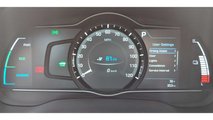
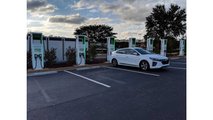


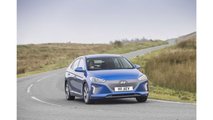
More specifically, Hyundai says that electrical noise is generated due to deterioration of the electrical ground which can create a communication error with the vehicle’s Controller Area Network (CAN) bus.
Needless to say, unexpected acceleration following gas pedal release can increase the risk of a crash. As a remedy, Hyundai dealers will update the EPCU (Electric Power Control Unit) software and repair the ground wiring, free of charge.
It’s worth noting that the braking and steering systems are fully functional during the “fail-safe” mode. Owners are warned of this issue if the EV “Ready” lamp flashes as the vehicle enters “fail-safe” mode. Hyundai adds it is not aware of any crashes, fires, or injuries related to the defect condition.
What do you think?
View
Comments
The first time the automaker became aware of this issue was in June 2021 via a Korean media report regarding an incident alleging unintended acceleration on an Ioniq Electric vehicle in the Korean domestic market.
The automaker will start mailing notification letters to affected owners in the United States on February 4, 2022.
Check out these videos featuring the Hyundai Ioniq Electric
Hyundai IONIQ EV (28 kWh) Shines In Bjørn's 1,000 Km Challenge
Source: NHTSA
We want your opinion!
What would you like to see on Insideevs.com?
Take our 3 minute survey.
- The InsideEVs team
Share this Story
- (https://twitter.com/intent/tweet?url=https%3A%2F%2Finsideevs.com%2Fnews%2F557377%2Fhyundai-ioniq-electric-us-recall%2F&text=Hyundai%20Recalling%202%2C679%20Ioniq%20EVs%20For%20Unintended%20Acceleration&via=InsideEVs)
- copy
GO TO COMMENTS
(
)
Got a tip for us? Email: tips@insideevs.com
View all comments ( )
Trending
Tesla Opens Self-Driving Cybercab Orders To 'Select Customers' At $29,990
Solid-State Cells Can Make The U.S. Competitive In Batteries Again: CEO
I Took A Rivian R2 On A Camping Trip To The Middle Of The Desert
Google’s Gemini AI Assistant Now Works On Apple CarPlay
Latest Stories
- Tesla Opens Self-Driving Cybercab Orders To 'Select Customers' At $29,990 Nov 13 - News -
- Do EVs Wear Tires Faster? Here's What The Studies Show Nov 13 - Features -
- The VW ID. Buzz Is Getting A New Job As A Robotaxi Nov 13 - News -
- Audi A4 EV Delayed Amid VW Group Financial Troubles: Report Nov 13 - News -
- Tesla Just Killed Its Cheapest All-Wheel-Drive Model Y Nov 13 - News -
- A Record Number Of Uber Miles Are Happening In EVs Nov 13 - News -
- Slate Is Selling A $30 'Screenless GPS' For Its Low-Tech Truck Nov 12 - News -
RECOMMENDED FOR YOU
The Best Hybrid SUVs To Buy In 2026
Tesla Opens Self-Driving Cybercab Orders To 'Select Customers' At $29,990
The Best EV Lease And Finance Deals In November 2026
Do EVs Wear Tires Faster? Here's What The Studies Show
Hyundai Is Recalling Nearly 30,000 Kona EVs Because Their Airbags May Not Deploy
The VW ID. Buzz Is Getting A New Job As A Robotaxi
Nearly 1 In 3 Hyundais Sold In October Was A Hybrid As High Gas Prices Push Buyers To Pivot