
Hyundai Motor Group Launches First E-pit Fast Charging Stations
During the pilot rollout, charging will be discounted.


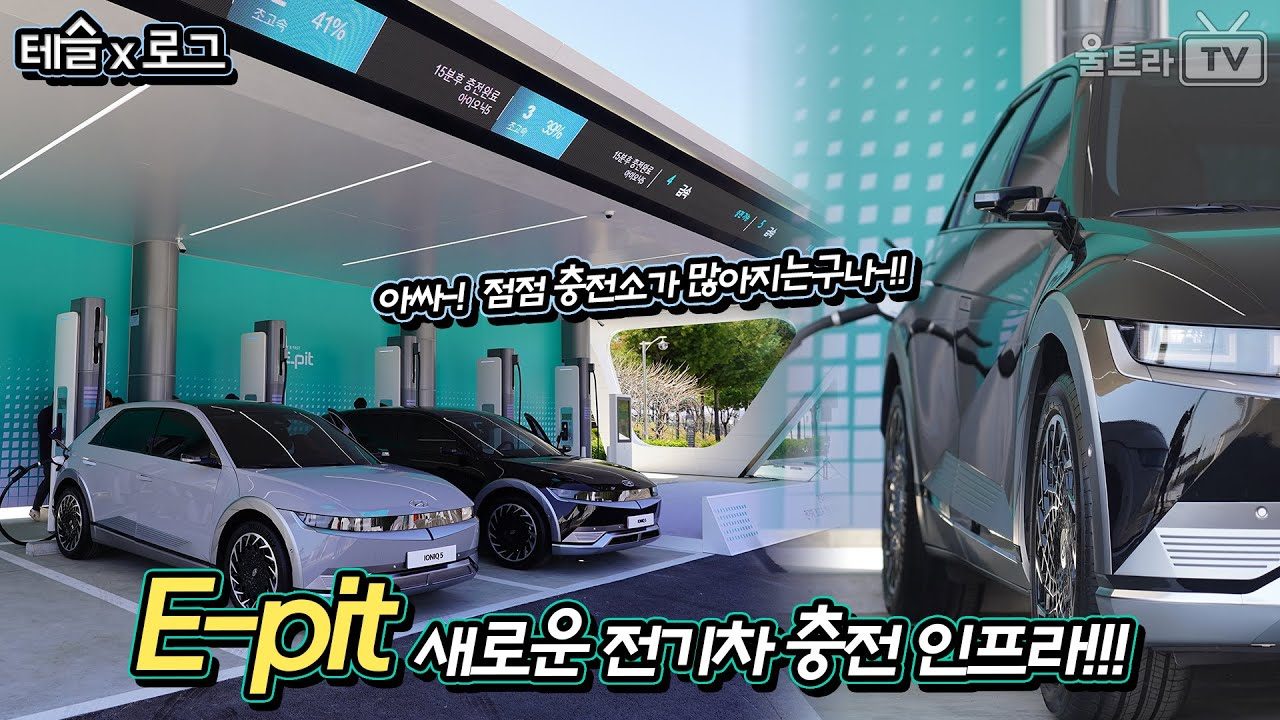
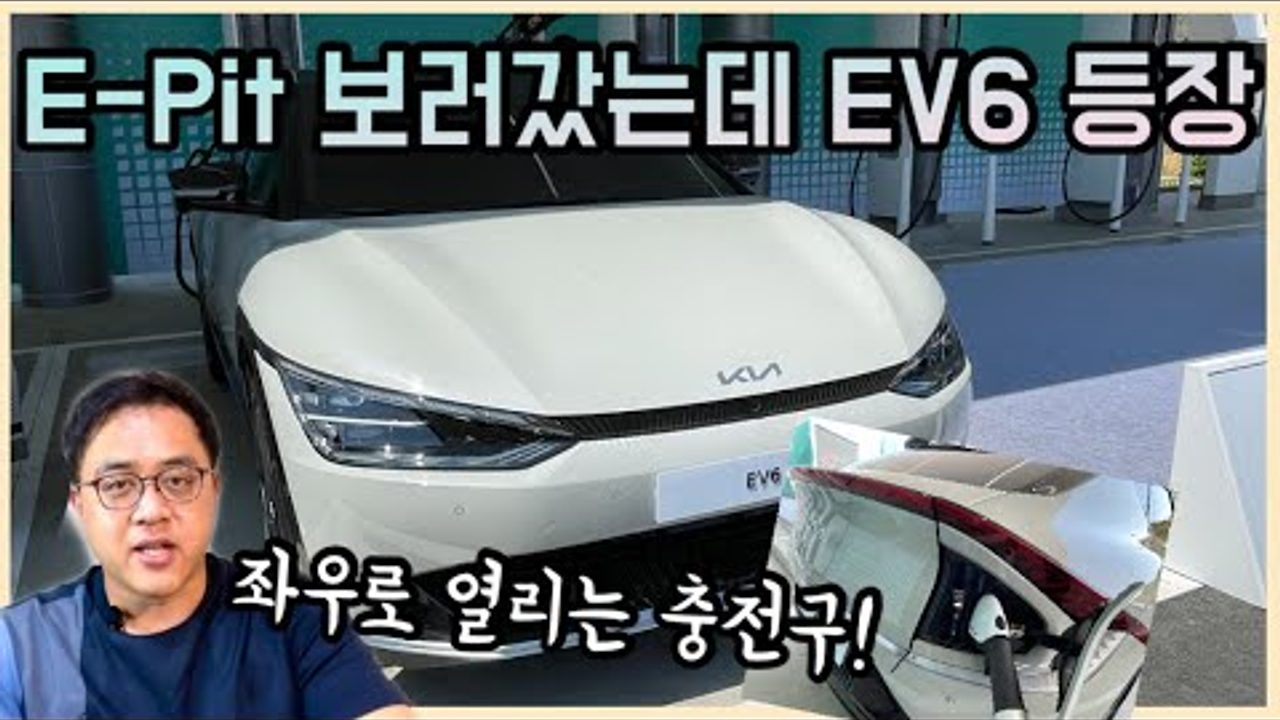
Hyundai Motor Group has officially launched the first E-pit ultra-fast charging stations in South Korea to support the upcoming wave of next-generation electric cars like the Hyundai Ioniq 5 and Kia EV6.
Starting from April 15, the first 12 stations with a total of 72 chargers (high-power, 800V, CCS Combo 1) will be gradually powered up at highway service areas nationwide 24/7. During the initial pilot period, charging will be provided at a discounted price.
Later this year, the company intends to open 8 stations with a total of 48 stalls in urban centers. In total there will be 20 stations with a total of 120 stalls.

It appears to us that Hyundai Motor Group seriously treats the rollout of its electric cars and really would like to increase the volume to a new level. In South Korea, where the company is a major player, it needs to build the infrastructure on its own dime. But so does Tesla.
The things that we like the most is the combination of a high power station with multiple stalls with the Plug & Charge feature (the automatic authentication, charging and payment), and a canopy. Hopefully, the E-pit will be highly reliable.
Traveling long-distance with such charging stations should be a pleasure. In Europe (IONITY and Tesla Supercharging network) as well in the U.S. (Electrify America, EVgo and Tesla) rarely offer a canopy (like Fastned), but we guess that it's only a matter of time when that will change. First, the market must mature and the scale must increase.

See also
RECOMMENDED FOR YOU
Waymo Plans To Have 20,000 Cars By The End Of 2027
‘Propulsion-Agnostic’: GM Wants To Bring Tesla-Style Software Features To Its Gas SUVs, Too
The Longest-Range EVs You Can Buy In 2026
Want The Best Range Rover? Get The Electric One: First Drive
The Best EV Lease And Finance Deals In September 2026
I Drove The Electric And Gas-Powered BMW X5. I Know Which One I'd Pick.
Hyundai’s Next Two EVs Could Be A Little More Normal