Home
Features
Podcast
Is A $130 Fee For EV Drivers Really Fair? Plus, We Review The Volvo EX60
EV drivers will have to pay the feds more than the average driver pays in gas taxes. And while this fee will increase, the gas tax hasn't gone up in decades.
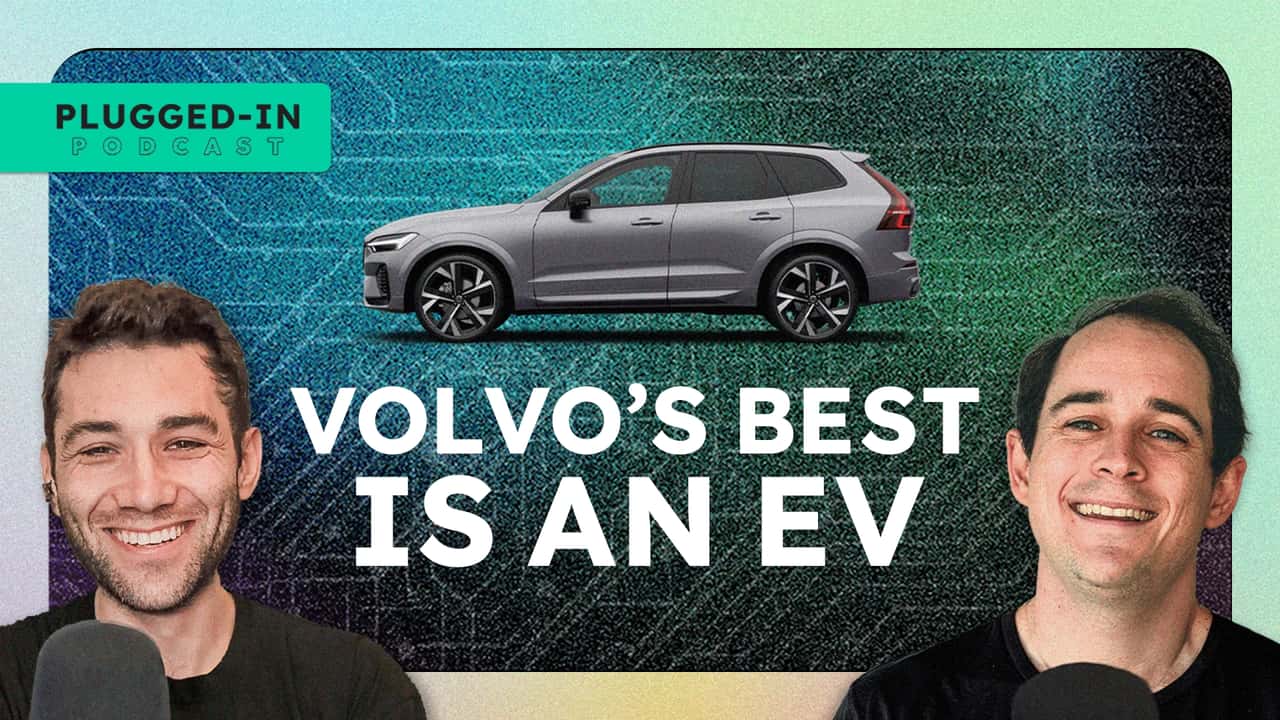
Photo by: Ralph Hermens
Mack Hogan 
By: Mack Hogan
May 23, at 9:00am ET
Add InsideEVs as a preferred source in Google
- (https://twitter.com/intent/tweet?url=https%3A%2F%2Finsideevs.com%2Ffeatures%2F796768%2Fev-fee-and-ex60-review-podcast%2F&text=Is%20A%20%24130%20Fee%20For%20EV%20Drivers%20Really%20Fair%3F%20Plus%2C%20We%20Review%20The%20Volvo%20EX60&via=InsideEVs)
- copy
Share
Comment
What a bizarre year for the EV market. The cars themselves and the chargers they rely on have never been better, but the vibes have never been worse, as the federal government continuously throws roadblocks in the way of greater EV adoption. Nothing better captures this dichotomy than this week's Plugged-In Podcast.
In it, I break down my lovely experience with the Volvo EX60, one of the early examples of what we've called "Gen 3" EVs. The EX60 encapsulates all the reasons why I'm excited about the new slate of arrivals from brands like Volvo, Mercedes, and BMW. These companies made early pushes into the EV market, but with mixed results.
The cars were fine, but on their first few attempts these companies couldn't realize all of the benefits that EVs offer. They weren't true software-defined vehicles, they didn't offer 800-volt architectures for ultra-fast charging, and they were far more expensive than traditional counterparts.
Related Stories
 2026 Is When The Real EV War Begins. Here's Why
The 2027 BMW iX3 Is Actually Cheaper Than A Comparable Gas BMW
I Drove The 2027 Volvo EX60 And Think It's The Best Volvo Ever. All Because It’s Electric.
Congress Wants You To Pay $130 A Year Just To Drive An Electric Car
With the BMW iX3, the Mercedes GLC EV, and the Volvo EX60, that's all changing this year. All three are true software-defined vehicles, with the packaging, performance, user experience, and cost benefits that come with the territory. They're lighter, better looking, better to drive, and offer more range than their progenitors.
I'm excited for all three. But the EX60 was the first one I drove, and boy did it live up to the hype. With an ultra-polished user experience, a great interior, excellent range specs, quick charging speeds, and a price that's on par with the plug-in hybrid XC60, it's slam dunk. I think it's the best Volvo ever.
Gallery: 2027 Volvo EX60: First Drive Review Gallery
25
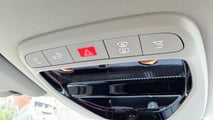
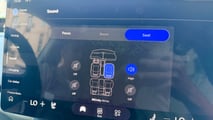
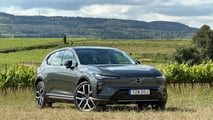



Source: Mack Hogan/InsideEVs
A few years ago, you'd be hard-pressed to find a fast charger that could support its 370-kW max charging speed. If you did find a 350 kW charger, it may have been broken. But that, too, is getting better. I can almost always find a 350-kW charger here in California, and I almost never see one broken. Speeds are only getting better from here, too, thanks to companies like ABB.
The company makes 400-kW fast chargers that are already rolling out to Walmarts across the country, as the retailer expands its own charging efforts. And ABB also has Megawatt chargers on the way. Tim sat down with Brandt Hastings, President of North America at ABB E-Mobility, to talk about the future of fast-charging.
ABB 400 kW chargers are already rolling out to Walmarts nationwide.
Photo by: ABB E-mobility
But hurdles remain. The federal government is no longer incentivizing EV sales, and has massively dialed back its ambitions to fund chargers. And this week, it got even worse. We found out Congress is weighing a $130 a year federal fee for EV drivers, supposedly to offset the fact that those buyers aren't paying gas taxes. Because the feds use gas tax money to fund road construction and repairs, the claimed goal is to get EV drivers to pay their fair share.
As we explain in the podcast and here, there's nothing fair about it. It's another attempt to discourage people from making choices that directly benefit the air everyone breaths, and attempting to avert the worst-case-scenario for the climate crisis.

Stay informed with our newsletter every weekday
back
Subscribe For more info, read our Privacy Policy & Terms of Use.
What do you think?
View
Comments
It's discouraging to see the government getting in the way of that. But ask just about any major company—from Volvo and Walmart all the way down to ABB—and you'd know that progress isn't stopping. The global auto industry will go electric, whether the American government wants it to or not.
Contact the author: Mack.Hogan@insideevs.com.
We want your opinion!
What would you like to see on Insideevs.com?
Take our 3 minute survey.
- The InsideEVs team
Share this Story
- (https://twitter.com/intent/tweet?url=https%3A%2F%2Finsideevs.com%2Ffeatures%2F796768%2Fev-fee-and-ex60-review-podcast%2F&text=Is%20A%20%24130%20Fee%20For%20EV%20Drivers%20Really%20Fair%3F%20Plus%2C%20We%20Review%20The%20Volvo%20EX60&via=InsideEVs)
- copy
GO TO COMMENTS
(
)
Got a tip for us? Email: tips@insideevs.com
View all comments ( )
Trending
Here’s How To Make Your Holiday EV Road Trip Easier
The BMW i3 Won Me Over In The Corners. But It Also Felt Wrong
These Are The Top 10 Black Friday EV Deals. Some Are $25,000 Off
Tesla's EVs Could Get One Big Upgrade Next Year
Latest Stories
- The BMW i3 Won Me Over In The Corners. But It Also Felt Wrong Nov 24 - Test Drives -
- Here’s How To Make Your Holiday EV Road Trip Easier Nov 24 - Charging -
- New York Says 'Enough Is Enough' To In-Car Subscriptions Nov 24 - News -
- An Empty EV Tried To Park Itself 868 Times In One Night. The Video Is Hilarious Nov 24 - News -
- These Are The Top 10 Black Friday EV Deals. Some Are $25,000 Off Nov 24 - Pricing -
- Lucid Gravity Robotaxis Just Took A Major Step Toward Commercial Launch Nov 24 - Autonomous Vehicles -
- The 2027 Cadillac Vistiq Gets A Price Bump And More Options Nov 24 - Pricing -
RECOMMENDED FOR YOU
What We Both Thought After Driving The Rivian R2
Lucid Gravity Robotaxis Just Took A Major Step Toward Commercial Launch
BMW iX5 First Drive, GM's Big Tech Plans, And Tesla Cybercab Deliveries Are Coming Soon
The 2027 Cadillac Vistiq Gets A Price Bump And More Options
Jaguar And Kia Just Proved That Design Matters Just As Much As Specs
BMW Can't Build Its New iX3 Fast Enough. Now It's Adding The iX4
Is The BMW i3's 468-Mile Range Overkill?