Home
News
Battery Tech
Cause Of Lithium Metal Battery Failure May Be Solved By New Study
No, they do not fail due to the growth of the solid electrolyte interphase (SEI)...
Gustavo Henrique Ruffo 
By: Gustavo Henrique Ruffo
Aug 27, 2019 at 2:44pm ET
Add InsideEVs as a preferred source in Google
- (https://twitter.com/intent/tweet?url=https%3A%2F%2Finsideevs.com%2Fnews%2F367434%2Flithium-metal-battery-failure-solved%2F&text=Cause%20Of%20Lithium%20Metal%20Battery%20Failure%20May%20Be%20Solved%20By%20New%20Study&via=InsideEVs)
- copy
Share
Comment
Lithium metal batteries are a big promise. They could have twice the energy density of today’s lithium-ion batteries. You know where that leads us: to EVs that weigh less and can go further. But they used to fail. Researchers from the Jacobs School of Engineering, at the University of California San Diego, believe they have found the reason.
People used to believe it was related to something called solid electrolyte interphase, or SEI for short. It presented growth between the anode and the electrolyte, causing the battery to fail after just a few cycles. In other words, after a few recharges. That is called a low Coulombic efficiency.
More Battery Tech News:
 TeraWatt Technology's Solid-State Battery Checks In At 432 Wh/kg
Immersion Cooled Battery Pack Concept For EVs To Be Put To The Test
All attempts to control and stabilize the SEI have failed to increase it, a clear sign that the real problem was still hidden somewhere. What the researchers found out was that some lithium metal deposits break off of the anode when the battery is discharging.
These deposits of unreacted lithium then get trapped in the SEI, which reduces the quantity of active lithium and electrolyte. In short, the trapped lithium does not help the battery anymore, becoming an inactive element inside it. SEI was really connected to the problem, but it was not the main cause.
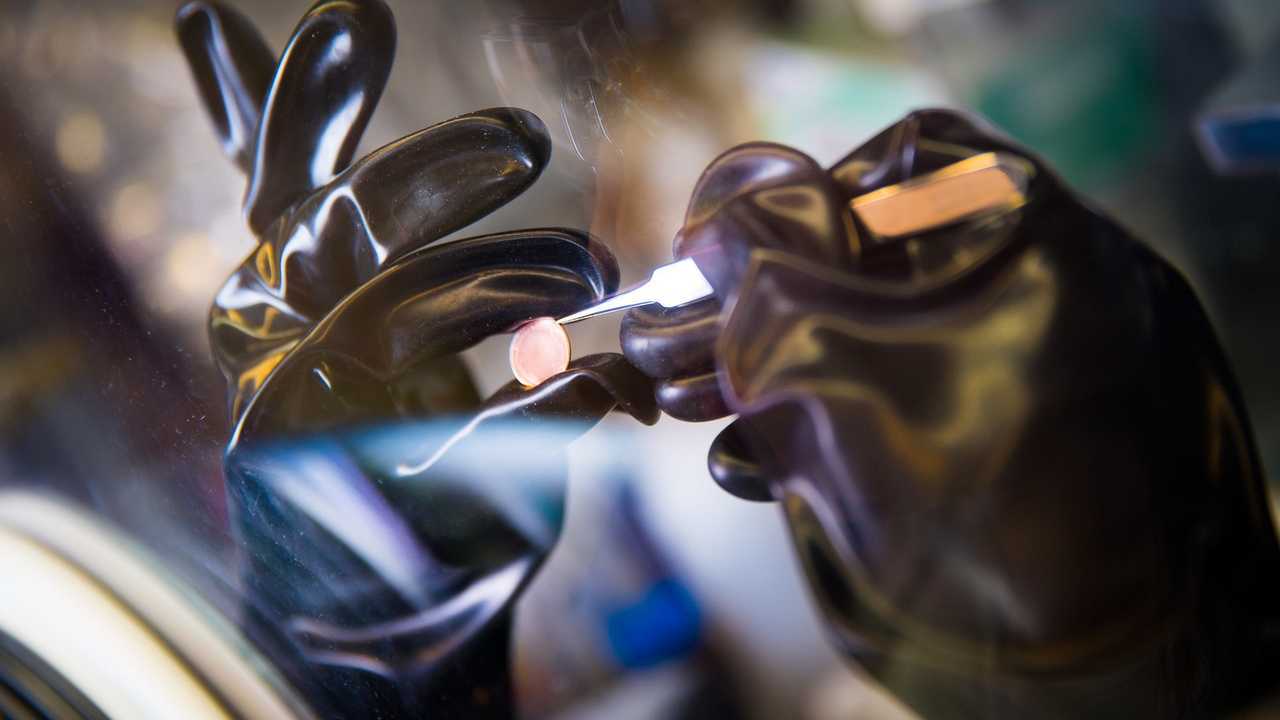
More than the find itself, the methods for getting there are also worth mentioning. The researchers managed to discover the unreacted lithium was to blame by making it react with water in a sealed flask. The reaction produces hydrogen, which is measured to determine the quantity of unreacted lithium.
“One of the problems battery researchers face is that testing conditions are very different across labs, so it’s hard to compare data. It’s like comparing apples to oranges. Our method can enable researchers to determine how much inactive lithium forms after electrochemical testing, regardless of what type of electrolyte or cell format they use,” said Y. Shirley Meng, a nanoengineering professor at UC San Diego.
With the findings, the goal now is to make lithium metal batteries available for the public as soon as possible by controlling “the depositing and stripping of lithium metal”. The methods to get there are many. It is just a matter of figuring out which works best.
What do you think?
View
Comments
“Control of the micro- and nanostructure is key. We hope our insights will stimulate new research directions to bring rechargeable lithium metal batteries to the next level,” said Meng.
Source: Jacobs School of Engineering via Green Car Congress
Gallery: Lithium Metal Battery Failure May Be Close To Solving With Study Find
3


We want your opinion!
What would you like to see on Insideevs.com?
Take our 3 minute survey.
- The InsideEVs team
Share this Story
- (https://twitter.com/intent/tweet?url=https%3A%2F%2Finsideevs.com%2Fnews%2F367434%2Flithium-metal-battery-failure-solved%2F&text=Cause%20Of%20Lithium%20Metal%20Battery%20Failure%20May%20Be%20Solved%20By%20New%20Study&via=InsideEVs)
- copy
GO TO COMMENTS
(
)
Got a tip for us? Email: tips@insideevs.com
View all comments ( )
Trending
Here’s How To Make Your Holiday EV Road Trip Easier
The BMW i3 Won Me Over In The Corners. But It Also Felt Wrong
These Are The Top 10 Black Friday EV Deals. Some Are $25,000 Off
Tesla's EVs Could Get One Big Upgrade Next Year
Latest Stories
- This BMW iX3 Drove Over 600 Miles On One Charge. The Catch? It Took Nearly 18 Hours Nov 25 - Range / Efficiency -
- The BMW i3 Won Me Over In The Corners. But It Also Felt Wrong Nov 24 - Test Drives -
- Here’s How To Make Your Holiday EV Road Trip Easier Nov 24 - Charging -
- New York Says 'Enough Is Enough' To In-Car Subscriptions Nov 24 - News -
- An Empty EV Tried To Park Itself 868 Times In One Night. The Video Is Hilarious Nov 24 - News -
- These Are The Top 10 Black Friday EV Deals. Some Are $25,000 Off Nov 24 - Pricing -
- Lucid Gravity Robotaxis Just Took A Major Step Toward Commercial Launch Nov 24 - Autonomous Vehicles -
RECOMMENDED FOR YOU
Ford Has A Dedicated Battery Abuse Team. It Obsesses Over How Cells Fail
This BMW iX3 Drove Over 600 Miles On One Charge. The Catch? It Took Nearly 18 Hours
Ford Just Started Fathom LFP Battery Production In Michigan. It's A Big Deal
The BMW i3 Won Me Over In The Corners. But It Also Felt Wrong
Solid-State Cells Can Make The U.S. Competitive In Batteries Again: CEO
Here’s How To Make Your Holiday EV Road Trip Easier
Ford Tested 36,000 Mustang Mach-E Batteries. Here’s How They Held Up After 100,000 Miles