
They Bought A 78,000-Mile Tesla With An Unknown Past. Then They Tested The Battery
Its past charging habits are a mystery. A battery test returned a healthy, though hardly exceptional score.
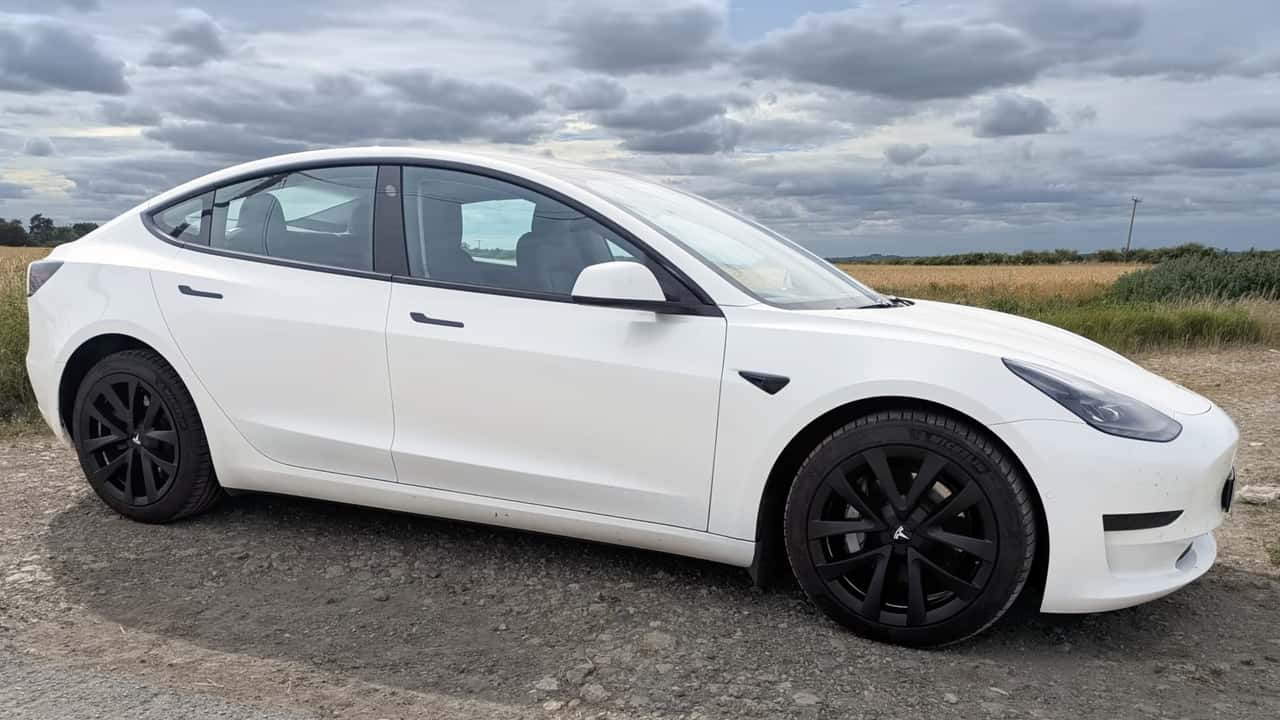

- The four-year-old Model 3’s LFP battery retained 92% health after nearly 78,000 miles.
- Its previous charging history was unknown, making the healthy result particularly reassuring.
- Charger data couldn’t reliably verify the result, so Tesla’s official battery-health score remains the best estimate.
Most EV batteries age more gracefully than you might expect—certainly more so than those in Nissan Leafs—but their state of health can still make the difference between a used EV that’s a bargain and one that foreshadows a five-figure repair bill. Knowing an EV’s charging history and battery health percentage is vital when buying it used, which is why this second-hand Tesla Model 3 purchase looked like a bit of a gamble.
Matt Goes Electric tested the battery health of this Shanghai-built 2022 Tesla Model 3 rear-wheel drive with an LFP battery pack. His daughter and son-in-law had only recently bought the Tesla at around 76,000 miles (122,000 km). They knew little about its previous life, including how often it had been fast-charged or any relevant metrics that would give them an idea of its battery health.

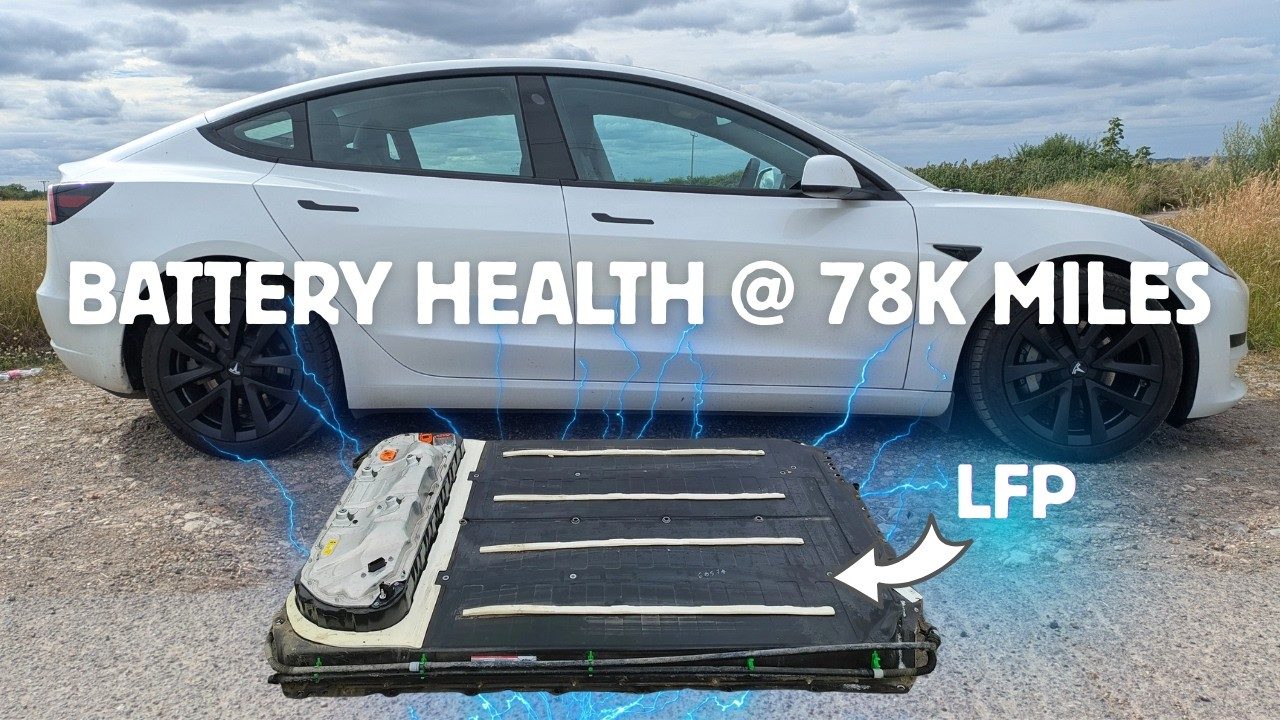
By the time Matt ran the Tesla’s built-in battery test, which requires the vehicle to be plugged in to discharge and then fully charge its battery, the mileage had risen to 77,726 miles (125,088 km). The test revealed that the LFP pack in this four-year-old Model 3 still had around 92% of its original capacity.
The car drew 62.4 kilowatt-hours from the charger during the test, which, after accounting for the standard 10% charging losses, was closer to 56.2 kWh, or exactly 92.9% of its estimated gross capacity of 60.5 kWh when new (Tesla doesn’t publish the exact battery capacity for any of its EVs). That’s close to what Swedish used EV retailer Carla found after testing multiple LFP-equipped Model 3s, which retained 93.3% of their original capacity after 62,000 miles (100,000 km).

However, that comparison mixes stored energy with gross pack capacity, some of which was never available to the driver. Comparing 56.2 kWh with the battery’s estimated 57-to-57.5-kWh original usable capacity would instead suggest 97.7% to 98.6% remaining. Neither calculation is a reliable substitute for Tesla’s 92% reading: the precise starting charge, actual conversion losses and energy consumed by thermal management and other systems were not independently measured.
Ultimately, 92% battery health after nearly 78,000 miles is the official number produced by the car itself, which is reassuring rather than remarkable. The result tells us little about how this Model 3 was previously charged, but it shows that whatever life the car led before changing hands, its battery emerged with the large majority of its original capacity intact after four years of use.
More On Aging EVs
RECOMMENDED FOR YOU

The 17 Cheapest Electric Cars In 2026 (Updated)
Volvo Wants To Make You A Safer Driver—And Lower Your Insurance Bill
Tesla Recalls 20,000 Cars Over Uber-Bright Headlights
GM And LG Restart EV Battery Production In Ohio After Seven-Month Shutdown
Tesla Has To Fix Its Super-Bright Headlights. A New Law Could Change Things For Good.
Study: DC Fast Charging Satisfaction Is Up, And Ionna Takes The Top Spot
Used EV Values Are Actually Rising. Why That's Good And Bad News.