
'They Sell So Fast': Is A Cheap Used 'Tax Model Y' The Right Tesla For A California Man Who Road Trips To Idaho 6 Times A Year?
Drivers shopping for a $20,000 Tesla Model Y that qualifies for a federal tax credit may want to act fast. Here's why.
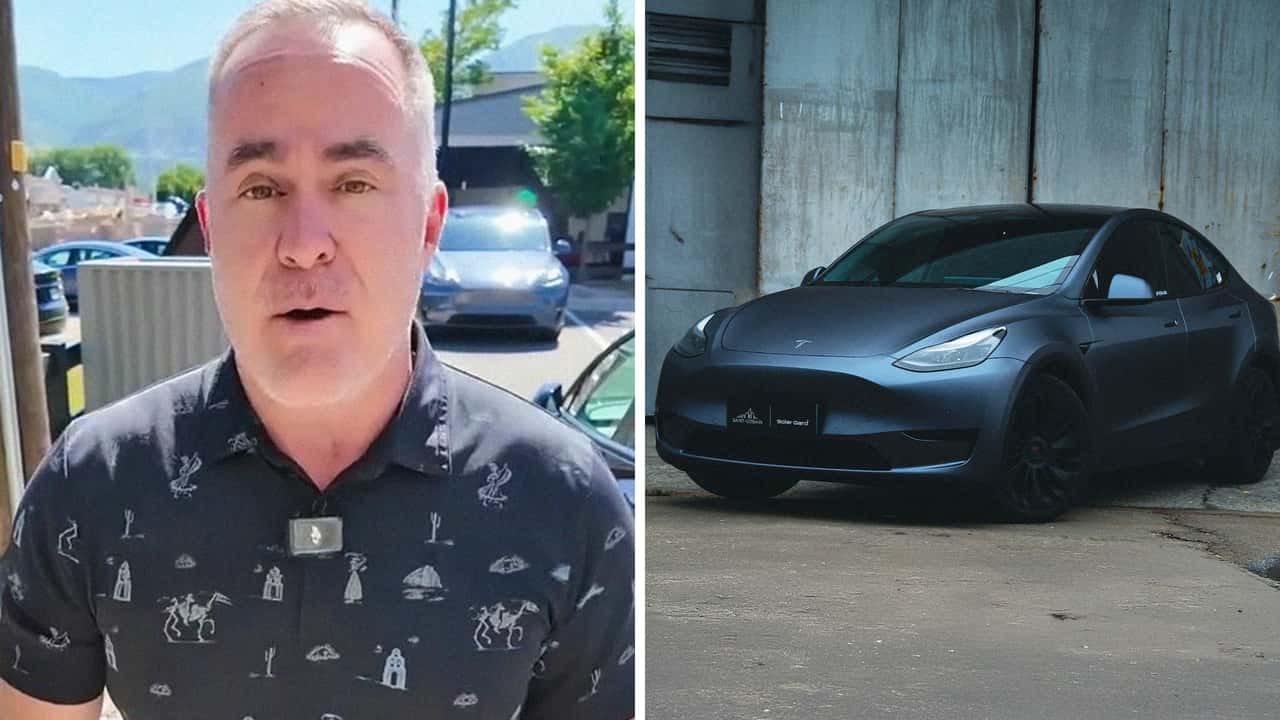

Drivers shopping for a cheap, used Tesla Model Y that qualifies for a federal tax credit should act fast, or be prepared to be disappointed.
That’s the message one electric vehicle dealer delivers in a now-viral TikTok, as he helps a customer weigh the pros and cons of going fully electric for his frequent road trips from California to Idaho.
The clip from Alex Lawrence (@evautoalex), CEO of Utah-based EV Auto dealerships, shows him explaining the surging demand for the vehicles, due in part to the coming expiration of tax credits for buyers.
Lawrence has a name for a used Model Y that's already cheap but also qualifies for the $4,000 used EV tax credit: the "Tax Model Y."
“The Tax Y is a $20,000 Model Y. It's pretty ridiculous… they sell so fast,” he said in the clip that’s been viewed more than 209,000 times. Lawrence notes that it’s not uncommon for those vehicles to sell within a day of their arrival on the lot.
What Is a 'Tax Model Y'?
The term "Tax Model Y" refers to a specific subset of used Tesla Model Ys that qualify for the federal used clean vehicle tax credit, a $4,000 incentive created by the Inflation Reduction Act of 2022. While new Teslas have seen fluctuating eligibility depending on battery sourcing and MSRP caps, the used EV credit has remained a consistent draw for budget-conscious buyers, so long as they meet the fine print.
To qualify, a used Model Y must meet the following criteria:
- The sale price must be under $25,000
- The vehicle must be at least 2 years old
- Sold through an IRS-registered dealer
- Used for personal, not business, use
- Buyer must meet income limits: $75,000 for individuals, $112,500 for heads of household, or $150,000 for joint filers
Stacked with state or local rebates like California’s Clean Vehicle Assistance Program or the Clean Cars 4 All incentive, the total savings for first-time EV buyers can be substantial. And since Tesla’s Model Y has broad name recognition, widespread parts support, and access to the Supercharger network, a well-priced used unit can look especially attractive to prospective buyers.
FROM THE TRENDING NEWS DESK
Viral bits from across the social media landscape
Our team of experts tracks what's trending so you don't have to—from viral videos to online debates that have everyone talking.
But the window may be closing. While the credit was once slated to last through 2032, the recent passage of the Big Beautiful Bill legislation is expected to sunset the incentives by Sept. 30.
More Tesla and EV News
Also, the availability of qualifying vehicles is shrinking. Tesla’s MSRP cuts on new vehicles in late 2023 and early 2024 made used values plummet, temporarily flooding the market with qualifying “Tax Model Ys.” That inventory spike may not last, especially as newer Teslas with updated hardware fall outside the two-year window and resale values begin to rebound.
Is It Practical for Road-Trippers?
For the young man in the TikTok video, there’s more than simple dollars at stake. He makes the six-hour drive from California to Idaho six times a year to visit his girlfriend, and his concern is whether a used Model Y can handle that comfortably.
The Pros:
- Supercharger access: Tesla’s proprietary charging network remains one of its biggest competitive advantages. Tesla’s Supercharger map shows dozens of Superchargers along I-15 and US-93 between California and Idaho.
- Level 2 home charging: The buyer’s dad already has a Tesla and a Level 2 charger at home, making overnight charging easy.
- Low maintenance: EVs, including Teslas, generally have fewer moving parts and lower routine maintenance costs.
The Cons:
- Longer trip time: As Lawrence notes in the clip, even with Superchargers, long round trips will need extra charging time, especially with an older battery or if traveling in cold weather.
- Battery degradation: Used EVs may have reduced range due to degradation. Prospective buyers should verify battery health or VIN-specific data before making a purchase.
Rather than relying on perfect range or zero-impact stops, experienced EV owners advise building in charging breaks, monitoring charger availability, and expecting the trip to be slightly longer, but smoother with the right preparation.
Inside EVs reached out to Lawrence via phone and direct message.

RECOMMENDED FOR YOU

The Longest-Range EVs You Can Buy In 2026
Here’s What The Biggest EV Skeptics Want In An Electric Car
Think Fast-Charging Ruins EV Batteries? Look At This 111,000-Mile Tesla Model Y
Absurdly Fast EV Chargers Are Coming To America, But Cars Aren't Ready
7 Great Used Electric SUVs: Get New EV Tech Without New Car Prices
CEO Interview: How Ionna Is Taking On The Tesla Supercharger Network
The Rivian R2’s EPA Numbers Are In, And It Beats The Model Y Where It Counts