Home
Ford
Lightning
News
Ford Issues Safety Compliance Recall For F-150 Lightning
The recall affects 2,666 vehicles in the U.S. and 220 in Canada

Tom Moloughney 
By: Tom Moloughney
Jun 27, 2022 at 4:04pm ET
Add InsideEVs as a preferred source in Google
- (https://twitter.com/intent/tweet?url=https%3A%2F%2Finsideevs.com%2Fnews%2F594697%2Fford-f150-lightning-safety-recall%2F&text=Ford%20Issues%20Safety%20Compliance%20Recall%20For%20F-150%20Lightning&via=InsideEVs)
- copy
Share
Comment
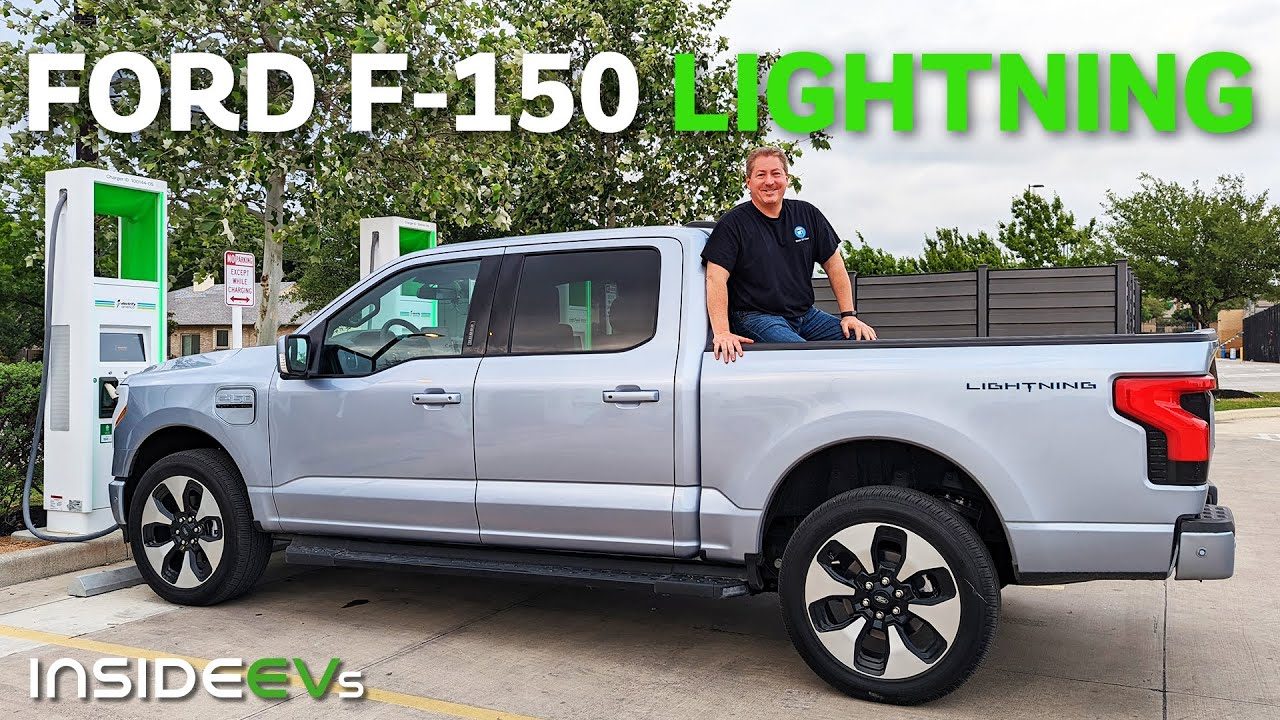
Ford has announced the company is issuing a recall for certain 2022 Ford F-150 Lightning electric pickup trucks. The safety recall is specifically for vehicles with 20” or 22” all-season tires and is centered on the tire pressure monitoring system (TPMS).
The TPMS light may not illuminate properly which can lead to customers not being provided with adequate warning of a low tire pressure situation. Ford explains that the issue is because the recommended tire cold inflation pressure value in the Body Control Module (BCM) was incorrectly set to 35 psi rather than the correct inflation pressure of 42 psi. Therefore, the warning won't be issued until the tire pressure is lower than 35 psi, 7 lbs lower than the proper warning threshold.
18" tires not included in recall
The 18" wheel & tire combination that is standard equipment on both the Pro and XLT trims isn't included in the recall. The Lariat trim has 20" wheels & tires standard, and the Platinum trim comes standard with 22" wheels & tires. However, customers that order the XLT trim can also add the 20" wheels as an option, but the Pro trim is only available with the 18" wheels & tires. This recall only affects the 20" and 22" tires.

Ford had this to say about how low tire pressure can adversely affect the drivability and safety of a vehicle:
"Low tire inflation pressure may lead to poor vehicle handling and a possible loss of vehicle control, increasing the risk of crash. Ford encourages customers to check their tire pressure matches figures provided on the Tire and Loading Information label located inside the driver-side front door jamb."
More F-150 Lightning News
Is The Ford F-150 Lightning The Cheapest Truck To Drive Today?
MKBHD Explains Why Ford's F-150 Lightning Is The iPhone Of Pickups
What do you think?
View
Comments
The official notification to dealers will begin today, June 27, and customers will be notified via email and the FordPass mobile app starting tomorrow (June 28). Dealers will update the Body Control Module software for undelivered vehicles and for customers who want the remedy immediately. The update takes the dealership approximately 20 minutes to complete.
Ford will also have the fix available through a Ford "Power-Up" software update in 30 days for all current F-150 Lightning customers. This recall affects 2,666 vehicles in the U.S. and 220 in Canada. There are no accidents or injuries associated with this condition.
We want your opinion!
What would you like to see on Insideevs.com?
Take our 3 minute survey.
- The InsideEVs team
Share this Story
- (https://twitter.com/intent/tweet?url=https%3A%2F%2Finsideevs.com%2Fnews%2F594697%2Fford-f150-lightning-safety-recall%2F&text=Ford%20Issues%20Safety%20Compliance%20Recall%20For%20F-150%20Lightning&via=InsideEVs)
- copy
GO TO COMMENTS
(
)
Got a tip for us? Email: tips@insideevs.com
View all comments ( )
Trending
The Mercedes-Benz EQS Sedan, EQS SUV, And EQE SUV Soldier On For 2027
The BMW iX5 Was Driven Until It Died. It Had A Surprising Amount Of Hidden Range Left
What We Both Thought After Driving The Rivian R2
Aptera Finally Built Its First Car For Customer Delivery
Latest Stories
- This Little Electric Truck Looks Like France's Answer To The Slate Nov 23 - News -
- Tesla's EVs Could Get One Big Upgrade Next Year Nov 23 - News -
- Hyundai Ioniq 5 Maintenance Guide: What Needs Servicing And What Doesn’t Nov 23 - News -
- 2027 Mercedes GLA Electric First Drive: A Big Upgrade Nov 23 - Car Reviews -
- China’s SC01 EV Sports Car Will Get Its Own Factory In Europe Nov 23 - Europe -
- The BMW iX5 Was Driven Until It Died. It Had A Surprising Amount Of Hidden Range Left Nov 23 - Range / Efficiency -
- The Mercedes-Benz EQS Sedan, EQS SUV, And EQE SUV Soldier On For 2027 Nov 23 - Pricing -
RECOMMENDED FOR YOU
The Best EV Lease And Finance Deals In November 2026
China’s SC01 EV Sports Car Will Get Its Own Factory In Europe
Ford Just Started Fathom LFP Battery Production In Michigan. It's A Big Deal
The BMW iX5 Was Driven Until It Died. It Had A Surprising Amount Of Hidden Range Left
Ford's Radical New EV Manufacturing Process Is Already Building Trucks
The Mercedes-Benz EQS Sedan, EQS SUV, And EQE SUV Soldier On For 2027
Ford Tested 36,000 Mustang Mach-E Batteries. Here’s How They Held Up After 100,000 Miles