
Can A "Battery Passport" Program Help Make EVs Cleaner?
A consortium has received government funding in Germany to develop standards for gathering and disclosing data on batteries.


What exactly is the environmental impact of obtaining the raw materials that go into EV batteries? With people raising such questions, it is important to document the links in the battery supply chain, and a new German-funded consortium of automakers and battery producers aims to develop a “battery passport” to do just that.
 |
Reuters reports that a consortium of 11 partners, including BMW, Umicore and BASF, has received 8.2 million euros ($8.78 million) in government funding to develop standards for gathering and disclosing data on batteries, which could soon become mandatory under European Union regulations.
A European Commission proposal due to be discussed later this year would require that EV and industrial batteries sold in Europe must disclose their carbon footprint starting in 2024 and comply with a carbon emissions limit starting in 2027.

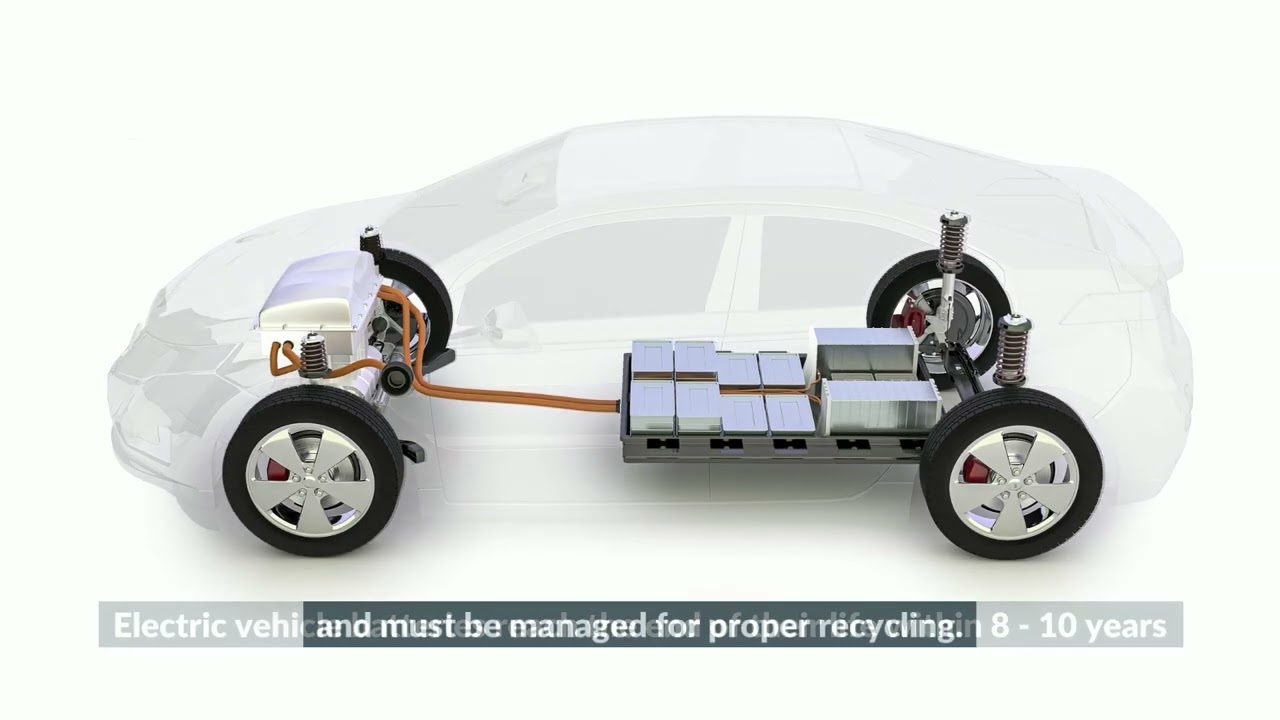
Above: A look at how a 'battery passport' could work (YouTube: EverLedger)
Companies would be required to disclose the content of recycled raw materials in their batteries from 2027, and required to use minimum shares of recycled cobalt, lithium, nickel and lead from 2030.
According to Germany’s economy ministry, the consortium is the first project in Europe to attempt to design a digital product to meet these regulations. The idea is that each battery could carry a QR code linking to a database from which EV owners, businesses or regulators could retrieve information on the battery’s composition.
Read More Related Electric Car Battery Coverage:
===
This article originally appeared in Charged. Author: Charles Morris. Source: Reuters
Source: Evannex
RECOMMENDED FOR YOU

The Tesla Model Y's Structural Battery Was Nearly Impossible To Repair. The Cybercab Fixes That
Rivian's Charging Network Grew 39% In A Year
The Roadster Will Have Tesla’s Most Advanced Battery Pack Yet
AI-Powered Coffee Runs And Service Visits Are Coming To Rivians In 2027
Tesla Supplier Reports Record Earnings From EV And Energy Storage Batteries
One Year Without EV Tax Credits: 4 Key Takeaways
China Wants Mass-Produced Solid-State Batteries By 2030. CATL Knows That's Hard