
Tata Avinya Concept Envisions New Breed Of EVs Arriving By 2025
As shocking as it may sound, Tata's Avinya Concept lacks an infotainment screen, replacing it with a soundbar.


Indian automaker Tata Motors is previewing its next generation of electric vehicles from its Tata Passenger Electric Mobility (TPEM) division with a spectacular concept car called Avinya.
Deriving its name from the Sanskrit language, the Avinya name stands for "innovation." The vehicle represents Tata's vision of a pure electric vehicle based on its Gen 3 EV architecture. It has an interesting shape that's said to combine the essence of a premium hatch with the luxuries and versatility of an SUV and the roominess and functionality of an MPV.
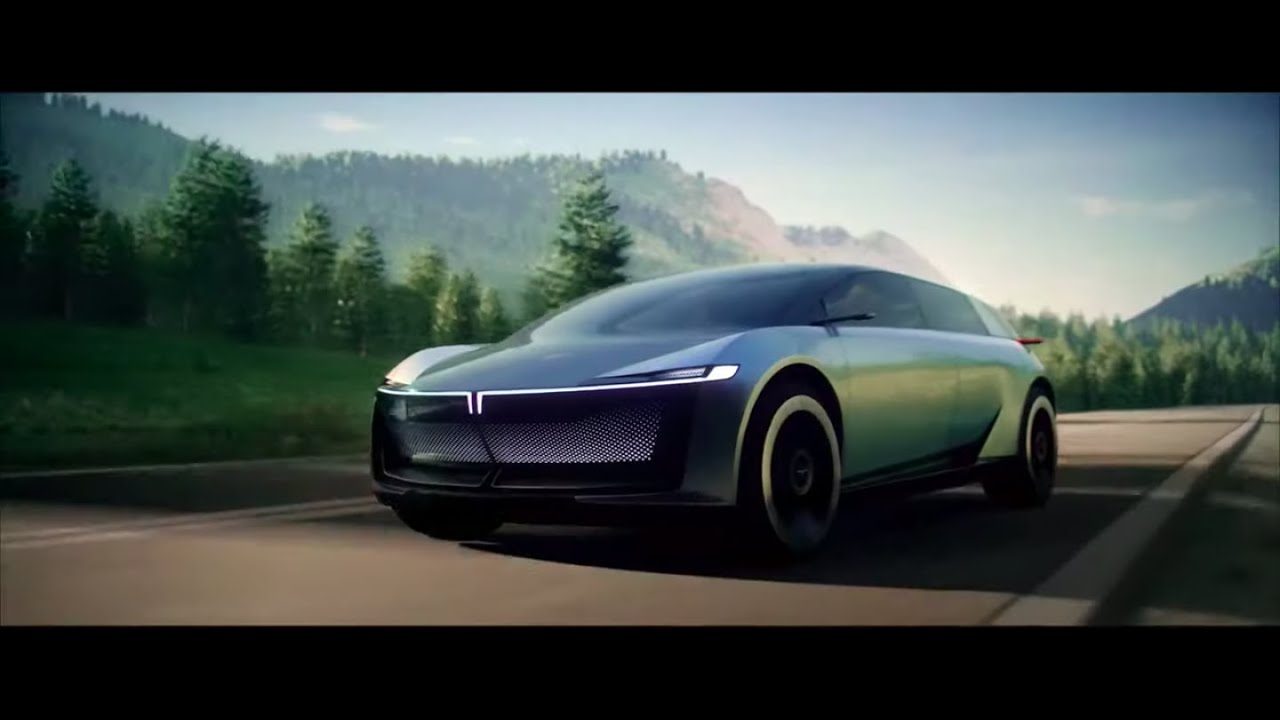
Originally inspired by a catamaran, Tata Motors' Avinya Concept displays a new identity for the brand. That is most obvious at the front and rear ends of the vehicle, which display similar lighting signatures that cover the entire width of the car.
The taillights are particularly spectacular as they seem to be "floating" above the fenders. Other striking details include the massive, illuminated faux grille, wraparound windshield that renders the A-pillars invisible, and "Butterfly" doors opening in opposite directions that welcome passengers to a "class-leading spacious interior" without B-pillars.
Made of recycled materials and local mineral waste, the Avinya Concept's interior has a lounge-like ambience thanks to the two-tone color scheme, comfy-looking sofa on the second row and two individual swivel seats at the front. Tata says the study also comes packed with new age technology, software and artificial intelligence working in the background to provide "an extremely premium yet simple and calming customer experience."
Gallery: Tata Avinya Concept


By now, you've probably noticed that it doesn't have a massive touchscreen, as shocking as that may sound. Instead of a traditional screen, Tata uses a soundbar, with voice being the main interface for occupants to interact with the vehicle. Mind you, there is a screen affixed to the steering wheel and two more screens that relay footage from the side rearview cameras.
Moving on to EV-specific stuff, the Avinya's Gen 3 dedicated EV architecture is said to provide a flexible design, next-generation connectivity and advanced driver assistance systems, as well as enhanced performance and efficiency.
Developed in India for the world, the global platform offers high structural safety and the next level of water proofing and dust protection, which means it should be able to tackle various types of terrain, at least in theory.
Naturally, Tata doesn't give away too many secrets, but says the architecture features next-gen materials, efficient electronic components, as well as proprietary energy management strategies and algorithms for efficiency management.
In addition, the use of lightweight materials and optimized structure for an EV-only powertrain helps minimize the overall mass and achieve a good weight distribution. The battery will feature ultra-fast charge capability, with Tata quoting a range gain of at least 500 kilometers (310 miles) in under 30 minutes of charging.
Tata Passenger Electric Mobility aims to bring to market the first EVs inspired by the Avinya Concept by 2025.
Check out more electric vehicle concepts from India's Tata Motors

Source: Tata Motors
RECOMMENDED FOR YOU
MG Wants To Out-Mini Mini With Its New Electric Concept
The Ford Fathom Will Get a $25,000 Hybrid Crossover Sibling: Report
GMC’s New Hummer X Mid-Size EV Truck Concept Has Stackable Screens
Ford’s New AI Assistant Can Read Your Car’s Manual And Diagnostics
This Radical Beach Cruiser Is A Refreshing Cure For Boring EV Designs
This Kit Turns The Volkswagen ID. Buzz Into A More Capable Off-Road Van
Canada Just Unveiled Its Boldest EVs Yet