
As European EV Demand Surges, Public Fast-Charging Needs To Ramp Up
This is really the case across the globe, so others should look to Europe's struggles and push forward now.
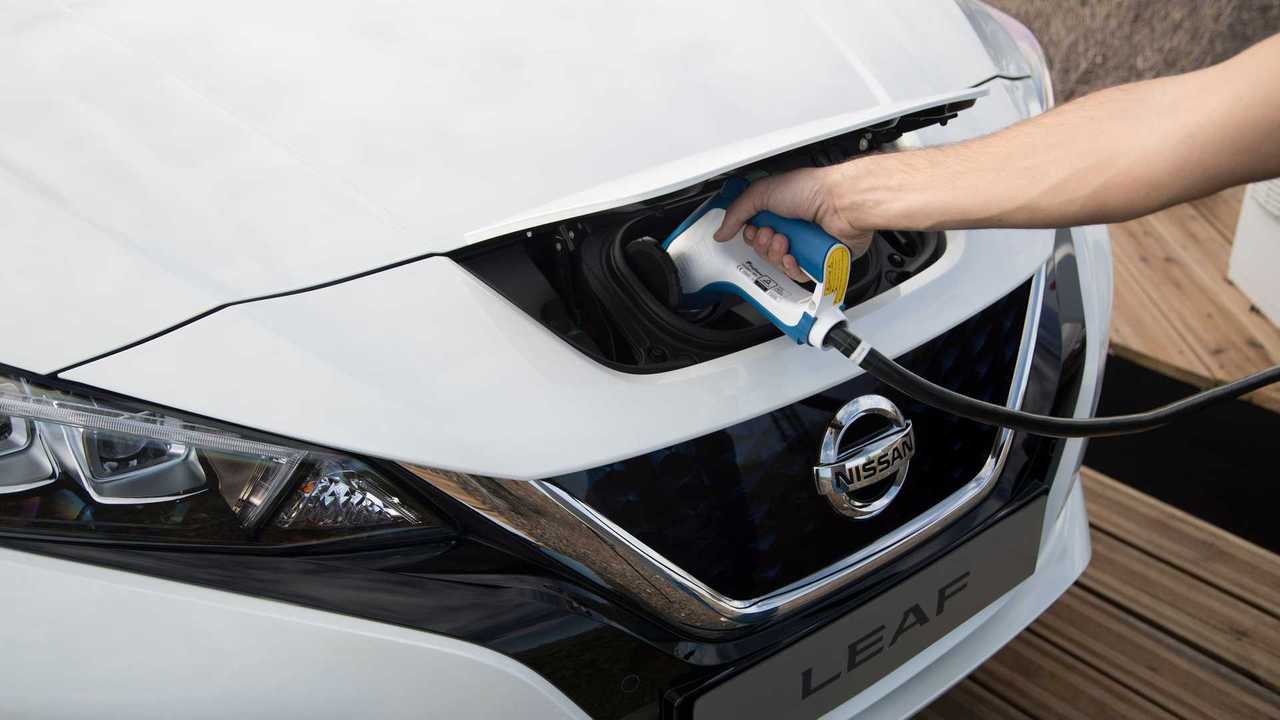

Electric vehicle sales are soaring in Europe—in November, plug-in vehicles accounted for 16% of the overall auto market in the UK, over 20% in Germany, and an oil-slaying 80% in Norway. However, a lack of charging infrastructure threatens to spoil the party. According to a new report by the European Automobile Manufacturers’ Association (ACEA), the availability of charging infrastructure in the EU still falls far below what is needed, and remains unevenly distributed across member states.
 |
Above: Tesla Model S charging at a public charger (Flickr: SoulRider.222)
The second edition of “Making the Transition to Zero-Emission Mobility,” an annual study of EV adoption in Europe, reports that sales of plug-in vehicles in the EU increased by 110% over the past three years. During the same period, however, the number of charging points grew by just 58% (to under 200,000).
“This is potentially dangerous, as we could soon reach a point where growth of electric vehicle uptake stalls if consumers conclude there are simply not enough charging points where they need to travel, or that they have to queue too long for a fast charger,” warned ACEA Director General Eric-Mark Huitema.
 |
Above: Electric vehicle adoption is unevenly distributed across the EU (Source: ACEA)
The ACEA’s analysis reveals that DC fast chargers account for only 1 in 7 charging points in the EU. Also, the existing infrastructure remains unevenly distributed. Four countries—the Netherlands, Germany, France and the UK—account for more than 75% of all EV charging points. The country with the most infrastructure, the Netherlands, has over 1,000 times more charging points than the country with the least infrastructure (Cyprus, with 38 charging points).
ACEA has been calling on the European Commission to fast-track the review of the EU Alternative Fuels Infrastructure Directive as part of its COVID recovery plan, including clear and binding deployment targets for all member states. “With Europe’s higher climate ambitions in mind, there is now an even greater urgency to upgrade the infrastructure requirements for all alternative vehicles,” Mr. Huitema stressed.
Check Out These Related Articles:
===
This article originally appeared in Charged. Author: Charles Morris. Source: ACEA
Source: Evannex
RECOMMENDED FOR YOU

More EV Owners Can Now Get Paid To Power California’s Grid
Can Tesla FSD Take You Up The Steepest Dirt Road In America All By Itself?
Walmart's EV Charging Network Just Hit A Big Milestone: 100 Stations In 20 States
I Went To Toyota’s Employee Electrification Training. Here’s What Surprised Me
Hyundai And Genesis EVs In The U.S. Get A Big Discount At Ionna Chargers
Waymo Is Headed To Germany
This New App Puts 200,000 EV Chargers Across North America in One Place