
Dissecting the Nissan LEAF Battery (w/video)


After the fun of seeing the Tesla battery pack innards, it seems only fair to take a look at the guts of other cars' batteries - notably the Nissan LEAF. Most of this information comes from the salvage site Hybrid Auto Center, (and we're in no way promoting or representing them), but a while back they turned a lot of heads by offering LEAF packs and modules in "like new" condition. The internet forums went ablaze with curiosity.

These are assemblies of large prismatic LiMn2O4 with LiNiO2 pouches, enclosed in what can only be described as a large pickled-herring can. Here's what they've published on the HAC site as specs:
CELL SPECIFICATIONS
| Cell type | Laminate type |
| Cathode material | LiMn2O4 with LiNiO2 |
| Anode material | Graphite |
| Rated capacity (0.3C) | 33.1 Ah |
| Average voltage | 3.8 V |
| Length | 11.417" (290 mm) |
| Width | 8.504" (216 mm) |
| Thickness | 0.2795" (7.1mm) |
| Weight | 1.7624 lbs (799 g) |
You can buy them in big, assembled packs right out of the cars (shown above), or broken up into various configurations of smaller modules. The individual tins spec out like this:
MODULE SPECIFICATIONS
| 4 cells in module | |
| Construction | 2 in-series pairs in parallel |
| Length | 11.9291" (303 mm) |
| Width | 8.7795" (223 mm) |
| Thickness | 1.3779" (35 mm) |
| Weight | 8.3775 lbs (3.8 kgs) |
| Output terminal | M6 nut |
| Voltage sensing terminal | M4 nut |
| Module fixing hole diameter | 0.3582" (9.1 mm) |
If you're a DIY guy and the module configuration fits your voltage requirements, these things are remarkably adaptable to almost anything that needs batteries - from cars and boats to motorcycles. They come assembled in packs with some slick bus-bar detailing that will make the build look nice and professional, as well as being very safe. That's what we're seeing with this detail of a 4-module pack showing the orange plastic cover:
The chemistry has some pretty stout performance numbers, especially where energy density and discharge capacity are concerned. Take a look at this chart that HAC provides:
We've seen a lot of testing on the forums as well, and it's not unusual to see claims of 10C discharge rates considered safe. (The "C" rate is an indication of how much current a cell can provide for an extended period of time without suffering damage. 2-5C is about standard for a car-sized EV pack. 10C gets into some fairly high-performance applications where power-to-weight is critical, like motorcycles. 20C and higher is typical of extreme power-to-weight applications like radio-control aircraft.)
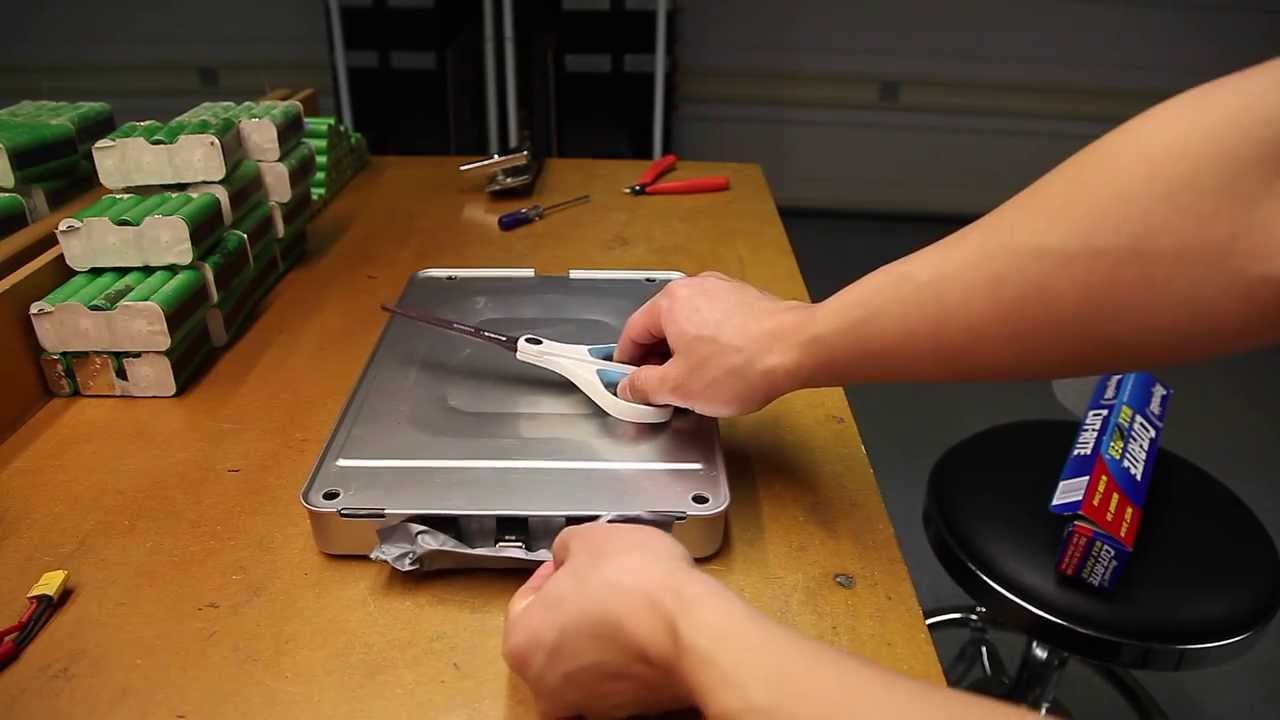
Now, we're aware that this module configuration may not fit everybody's needs, so in the spirit of empowering the bravest of the backyard builders, here's Part One of a three-part video series offering the experiences of a certain machete-wielding madman genius, and how he broke his packs apart, re-configured them, and built new packs to his specs.

RECOMMENDED FOR YOU
The Best Affordable Electric Cars In 2026: Cheap, Reliable Options For Everyone
‘Propulsion-Agnostic’: GM Wants To Bring Tesla-Style Software Features To Its Gas SUVs, Too
The Best EV Lease And Finance Deals In September 2026
Want The Best Range Rover? Get The Electric One: First Drive
Used EVs Hit A Record Share Of Overall Used Car Sales In September
I Drove The Electric And Gas-Powered BMW X5. I Know Which One I'd Pick.
The Longest-Range EVs You Can Buy In 2026