
The Results Are In: Scrapping Your Gas Car For An EV Is Better For The Climate
A recent study claims that retiring an internal combustion vehicle for a new electric vehicle is, in fact, better for the climate.
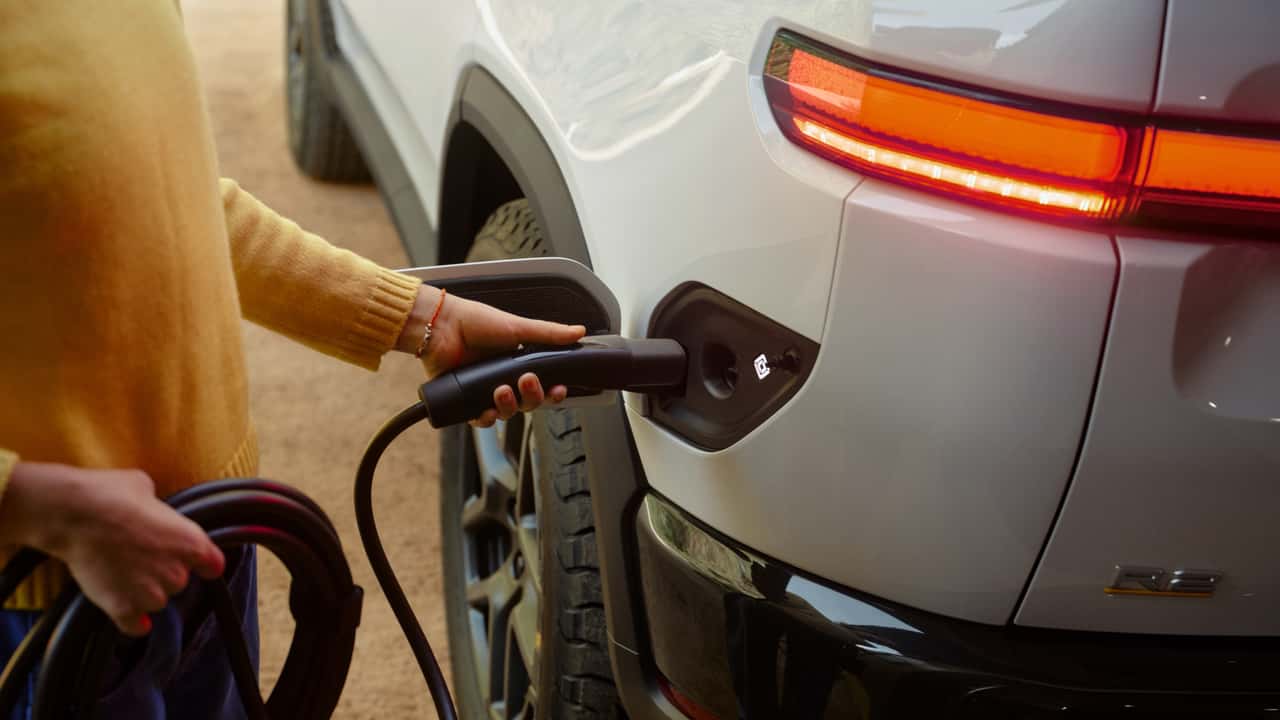

One of the biggest argument haters love to use against electric vehicles (EVs) is the fact that the manufacturing of batteries is bad for the environment. And while it's true that battery production is pretty dirty stuff, even with that negative climate impact, BEVs are still cleaner than internal combustion vehicles over their lifespan. According to a new article in the journal Science, the EV enthusiasts are right: retiring your ICE vehicle (ICEV) for an EV is beneficial for the climate. But the benefits come sooner than you might think, and it's only going to get better.
Previous thinking was that it took some time for an EV's zero-emissions driving to outweigh its manufacturing emissions hit and actually become better for the environment than an ICEV. So the study looked at the lifecycle of an ICEV to see when it makes the most sense to retire it for EV. And by retire, the study means to take it off the road completely, not sell it. Selling it just hands it to another drive who will keep driving it for the rest of its life. As it turns out, the environmental benefits of scrapping an ICEV for a BEV begin immediately. It's even beneficial when swapping hybrids for EVs.
According to the study, "the energy impact benefits from swapping an EV for an ICEV begin to accrue as early as the first day of the life of the ICEV, and that replacement early in the life cycle consistently provides reductions in greenhouse gas emissions," said Science's Jesse Smith.
"Financial considerations will also affect when people choose to make the replacement, of course, but from the perspective of emissions, it is almost never too soon to switch."

The study looked at three different lifecycle scenarios for ICEVs before their retirement in favor of BEVs: a full 16-year lifespan, retirement in 11 years, and retirement in two years. Even with the emissions of BEV manufacturing factored in, the earlier retirement saw the biggest benefit, with a 44% reduction in cumulative emissions and a carbon payback in three years.
Personal transportation is the largest emitter of greenhouse gasses (GHG) in the U.S., larger than even the entire airline industry. So government policy that removes ICE vehicles from the road, replacing them with EVs, would massively reduce GHG emissions. Obviously it'd be great to do that now, but financial, technological, and practical hurdles remain. However, improvements in battery chemistry, battery recycling, and energy infrastructure will only make the switch to EVs even more beneficial in the future. And as climate issues escalate, policy to support not only the swapping of ICEVs to BEVs, but the retirement of those ICEVs, will become more and more necessary.
Here are some related stories
RECOMMENDED FOR YOU
Critics Slammed Ferrari's Luce EV. Someone Just Paid $40 Million For The First One
Is Telo Trucks The Real Deal? I Interviewed The Founders To Find Out
Tesla’s Mainstream Model Y Gets A Feature Hyundai EVs Have Had For Years
Are Walmart And Ionna Starting An EV Fast Charging Price War? It Sure Looks Like It
This Chinese Electric SUV Just Recreated Mercedes’ Most Controversial Ad
Self-Driving Trucks Are Already Hitting The Road In California
The Porsche Taycan’s Days May Be Numbered: Report