
‘These Cars Are Super Reliable': Man Buys Tesla Model 3. Then He Dispels 3 EV Myths
The TikTok user tackles charging speed, battery life, and car fires.
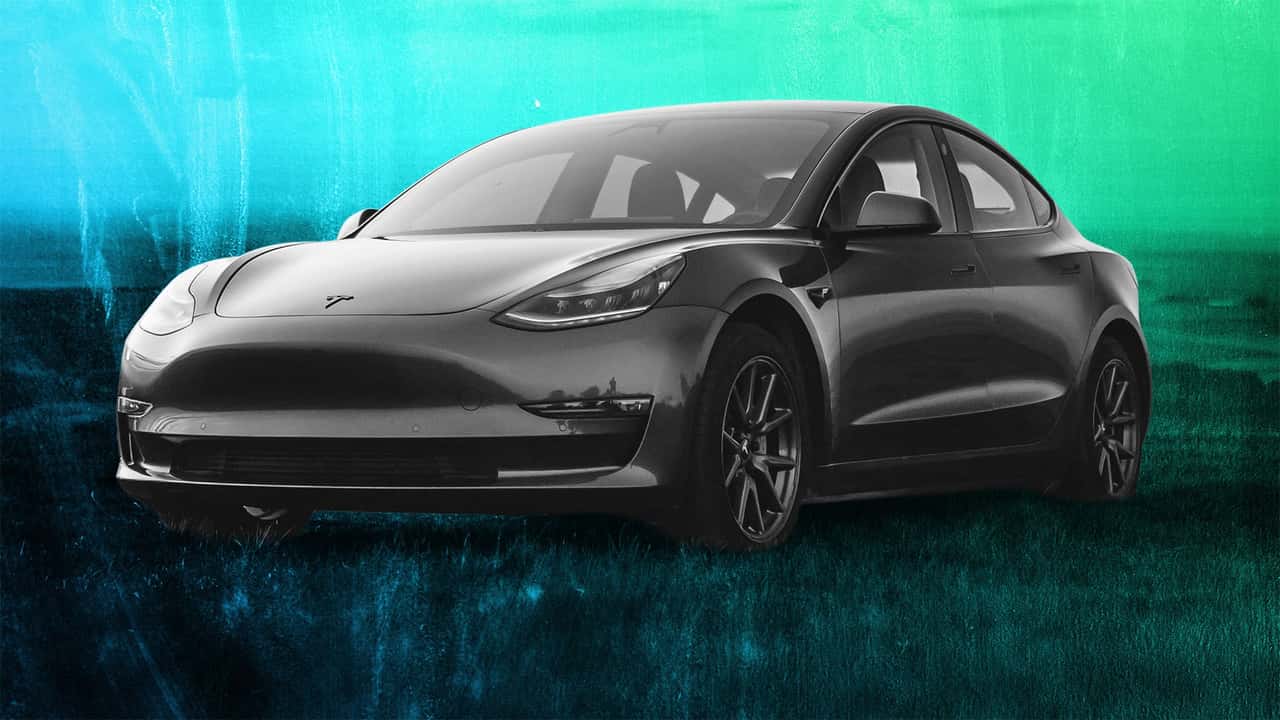

A Tesla Model 3 owner claims there are three pervasive myths associated with electric vehicles that just aren’t true. TikTok user Damien (@steps970) set out to dispel these beliefs associated with electric vehicles that he claims are “totally false.” And there are analytics online that support him.
Charging Woes
The first one he tackles is charging speed, specifically that EV batteries take “forever” to juice up. He says that “depending on how much” range a person needs for a particular commute, supercharging speeds aren’t inconvenient. He says that his Tesla Model 3 takes around 25-30 minutes to charge from 10% to 80% battery capacity. “It’s super quick,” he adds before also indicating that he has a home charger.
This extra bit of context echoes other posts from EV drivers who shared insights. For example, this Tesla customer posted a list of things they wish they knew prior to buying one. For them, home charging capabilities were a crucial component of their EV ownership experience and that they wouldn’t buy one if they had to rely on supercharging alone. InsideEVs published a piece delineating how to appropriately rig your home to supply enough power to your EV. This way, like Damien says in his clip, you can ensure your ride’s topped up when your car’s parked.
Now Trending
Damien said that while the 5- to 6-hour charging time with a Level 2 home charging setup sounds like a long time, he’s leaving his car plugged in overnight. With this usage scenario in mind, he explains that while he’s sleeping, his EV is getting enough power for the following day’s commute.
While he says his home charging is “free,” that can be considered a loaded statement. Depending on how electricity is provided to one’s home, the cost of powering an EV can vary. InsideEVs reported in 2024 that the average cost of a kilowatt hour in an American home comes out to about 16.68 cents. Ultimately this results in around a third of what it would cost to fill up a car with a full tank of gas. Of course, these are average estimates, and you may live in a region with higher or lower electricity costs, or higher or lower fuel prices. Additionally, if folks set their houses up with renewable energy solutions, this could help reduce long-term energy costs. There are additional solutions, like this bolt-on solar array, which claims it can add around 20 miles of range per day to one’s EV.
Fire Watch
Another myth Damien addressed in his video is the notion that electric vehicle batteries are prone to going up in flames. There have been a slew of horror stories permeating the web, like this Tesla that was struck with debris and caught fire. Due to the massive lithium-ion battery packs many EVs are outfitted with, extinguishing these flames can be a tall order. Another story involved a Tesla Semi truck that started burning in August 2024, with flames so severe that a highway was shut down for three hours.
FROM THE TRENDING NEWS DESK
Viral bits from across the social media landscape
Our team of experts tracks what's trending so you don't have to—from viral videos to online debates that have everyone talking.
Damien contends that Teslas don’t “easily” catch fire. “The truth is that they burn worse, and when the fire does happen with a Tesla, it’s significantly worse than a gas vehicle.” He went on to state that “statistically speaking,” gas vehicles are more likely to catch fire than an EV. This assertion has been corroborated by a Kelley Blue Book piece showing that four separate data sources support the conclusion that electric vehicles are indeed less prone to catching fire than their gas-powered counterparts. The Guardian also writes that the notion of EVs being more prone to going up in smoke is a “myth” many incorrectly believe.
EV Battery Duration
One of the biggest repair expenditures EV owners will have to face is replacing their car’s battery. Depending on the make and model of one’s vehicle and the service center performing the battery swap, folks could be looking at massive bills. Edmunds writes that a Nissan Leaf battery replacement, for instance, will cost around $5,500 on average. But there have been reports from folks online who state that they’ve been quoted much higher bills, like this Reddit user who said service techs slapped them with a $12,000 fee.
Damien says that another myth that prevents people from purchasing EVs is that their large battery packs aren’t long lasting or dependable. However, there’s loads of data that proves otherwise. InsideEVs previously reported that an EV battery pack will usually “outlast a typical gas car’s lifespan.” Furthermore, other research indicates that these batteries “rarely fail,” too.
InsideEVs has reached out to Damien via email for further comment.

RECOMMENDED FOR YOU

An App Flagged This Tesla Battery As Degraded. The Car Said It Was Worse
Someone Keeps Stealing Entire Truckloads Of Tesla Batteries
This Ex-Rental Tesla's Battery Was Heavily Degraded. Then The Decline Slowed
Tesla Starts Testing Steering-Wheel-Free Cybercab On Austin Streets. Can It Match Waymo?
This Tesla Model 3 Went Nearly 400 Miles In A Range Test, 30 More Than Its EPA Rating
California's New EV Incentive Is Almost Here—With Special Benefits For Rivian And Lucid
The Best EV Lease And Finance Deals In June 2026