
Mercedes Salesman Goes Full Electric. He Says He Did It So ‘You Don’t Have To’
It boils down to cost vs. convenience.
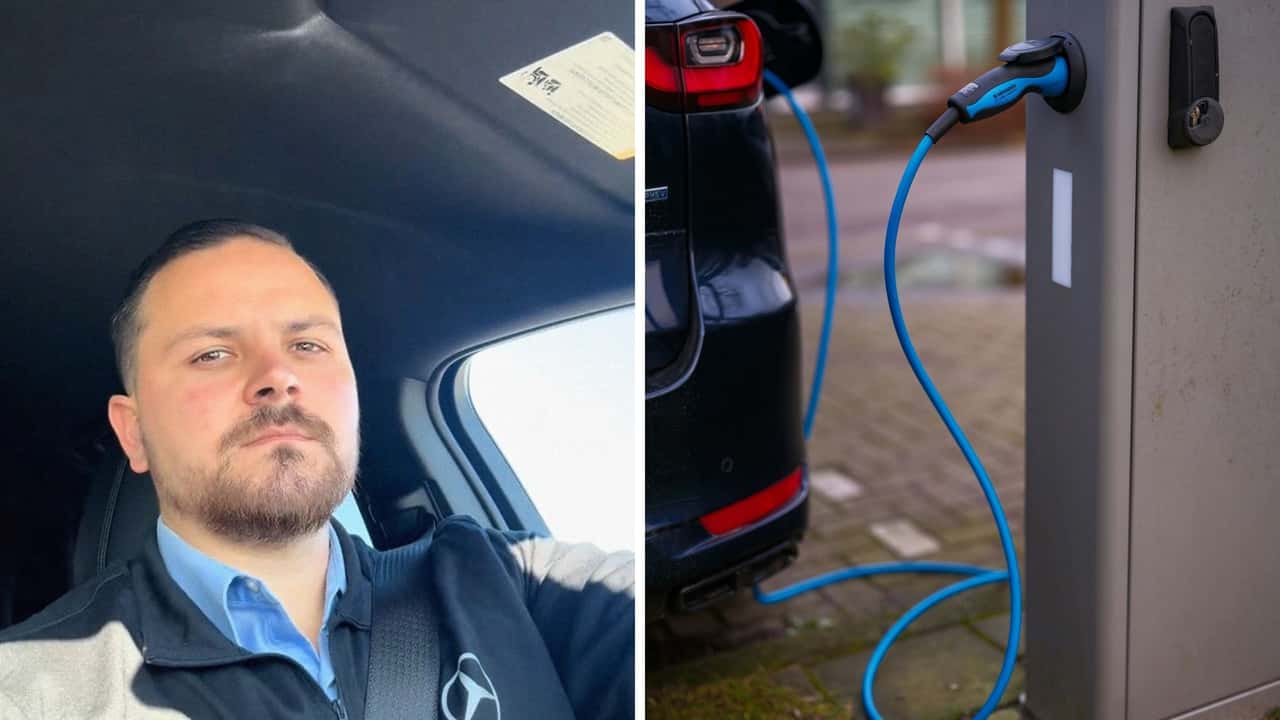

After six months of living with two electric vehicles, a car salesman posted a confession that ran counter to the usual EV talking points. In the process he sparked a familiar internet debate when he shared that his busy family found the daily logistics harder than expected.
The TikTok from Anthony Cota (@yourbenzfriend), a salesman at Mercedes-Benz of San Luis Obispo, pulls no punches in his assessment of life as a family man in a household that’s gone all-electric, with solar as the main energy source for his home. While the solar helps energy savings add up even more than traditional fuel costs, he said the charging and mileage logistics are occasionally too much to manage with busy schedules.
“With the amount that we commute, the cost offset definitely weighs in our favor, meaning we spend less money on electricity than we do on fuel if we were to have two gas cars,” he says in the clip. “But the inconvenience of having two electric cars is brutal, especially because we're not ones that plug our vehicles in every single night, and that's a flaw of ours, maybe not for yours. And if we did, our electricity bill would probably be even higher if we're charging at, you know, peak hours.”
Cota’s experience stands out in part because it isn’t rooted in sticker shock, range anxiety, or ideological opposition to electrification. In fact, he says the economics of going electric largely worked as advertised. Between long daily commutes and a home solar setup, his household spends less on electricity than it would fueling two gas-powered vehicles.
That cost advantage aligns with broader findings from the US Department of Energy, which has consistently found that EVs are cheaper to fuel on a per-mile basis than internal combustion vehicles, even in regions with relatively high electricity costs.
But Cota argues that cost savings alone don’t tell the full story for families balancing work, school, and packed calendars.
When Charging Becomes a Chore
In the video, Cota explains that neither he nor his wife plugs in their vehicles every night, a habit that becomes consequential in a two-EV household. With only one home charging setup and both vehicles in daily use, charging has to be planned rather than assumed.
That experience resonates with a growing body of research showing that home charging convenience is one of the biggest predictors of EV satisfaction. According to J.D. Power’s 2024 US Electric Vehicle Experience study, owners who charge primarily at home report significantly higher satisfaction than those who rely on a mix of home and public charging.
FROM THE TRENDING NEWS DESK
Viral bits from across the social media landscape
Our team of experts tracks what's trending so you don't have to—from viral videos to online debates that have everyone talking.
Cota notes that while overnight charging is typically cheaper due to off-peak electricity rates, inconsistent routines can leave families scrambling in the morning. “Especially because we have two littles,” he said, explaining that unexpected stops or longer drives can quickly turn into logistical stress.
The comments section quickly became a referendum on electric vehicles more broadly. Some viewers argued that his experience would be different with another brand, particularly Tesla, while others suggested hybrids as a more practical compromise.
Several commenters raised concerns about depreciation, battery replacement costs, and long-term resale value, topics that continue to surface as EV technology evolves. Cota largely agreed on one front, responding that he prefers leasing electric vehicles due to depreciation concerns, a sentiment echoed by analysts tracking rapid shifts in EV pricing and incentives.
Others pushed back on his explanation of charging costs, pointing out that electricity usage is measured in kilowatt-hours, regardless of when charging occurs.
The Vehicles Aren’t the Problem
Importantly, Cota does not describe either vehicle as a disappointment. He says he enjoys his Chevrolet Equinox EV as a commuter car and notes that his wife has been happy with her Chevrolet Blazer EV. For him, the issue is redundancy, rather than performance, comfort, or even range.
Having two electric vehicles, he argues, removes flexibility from a household that might otherwise benefit from mixing powertrains. Road trips, unexpected schedule changes, or days when one car wasn’t charged sufficiently all became more complicated without a gas-powered fallback.
That conclusion mirrors guidance from several consumer advocacy groups, which suggest that mixed-powertrain households can ease the transition to electrification while infrastructure and charging habits catch up.
After six months of experimentation, Cota says he would keep one electric vehicle, particularly for commuting, but would pair it with a gas-powered or hybrid vehicle for flexibility.
“For a busy family like we are,” he says, “having two electric cars in a two-car household is not ideal.”
That position reflects a growing middle ground among consumers who see electrification as a transition rather than a binary choice.
As automakers continue rolling out new electric models and governments push for broader adoption, stories like Cota’s illustrate how EV ownership is as much about lifestyle as it is about technology.
For households with predictable schedules, multiple chargers, or shorter commutes, a two-EV setup may work seamlessly. For families juggling long drives, kids’ activities, and tight timelines, the friction points can still outweigh the savings.
In that sense, Cota’s TikTok isn’t a warning against electric vehicles so much as an invitation to think critically about how they fit into everyday life.
InsideEVs reached out to Cota via email and direct message. We’ll update this if he responds.
RECOMMENDED FOR YOU

Slate Truck Vs. Chevy Bolt Vs. Nissan Leaf: Which Affordable EV Actually Wins?
Drivers Are Not Happy With Their Cars' Screens
The New Chevy Bolt Was Driven Until It Died. Here’s What Its Battery Buffer Looks Like
Lucid Cosmos And Earth: Everything We Know About The Tesla Model Y Rivals
GM Is Making EV Charging A Lot Simpler With Energy Pass, NACS On All 2027 Models
This Chinese SUV Sold 100,000 Units In Seven Months For A Good Reason
The Best EV Lease And Finance Deals In June 2026