
Woman Sits In Front Seat Of Waymo. She Didn’t Know There Would Be Consequences
“A representative comes on and yells at you btw"
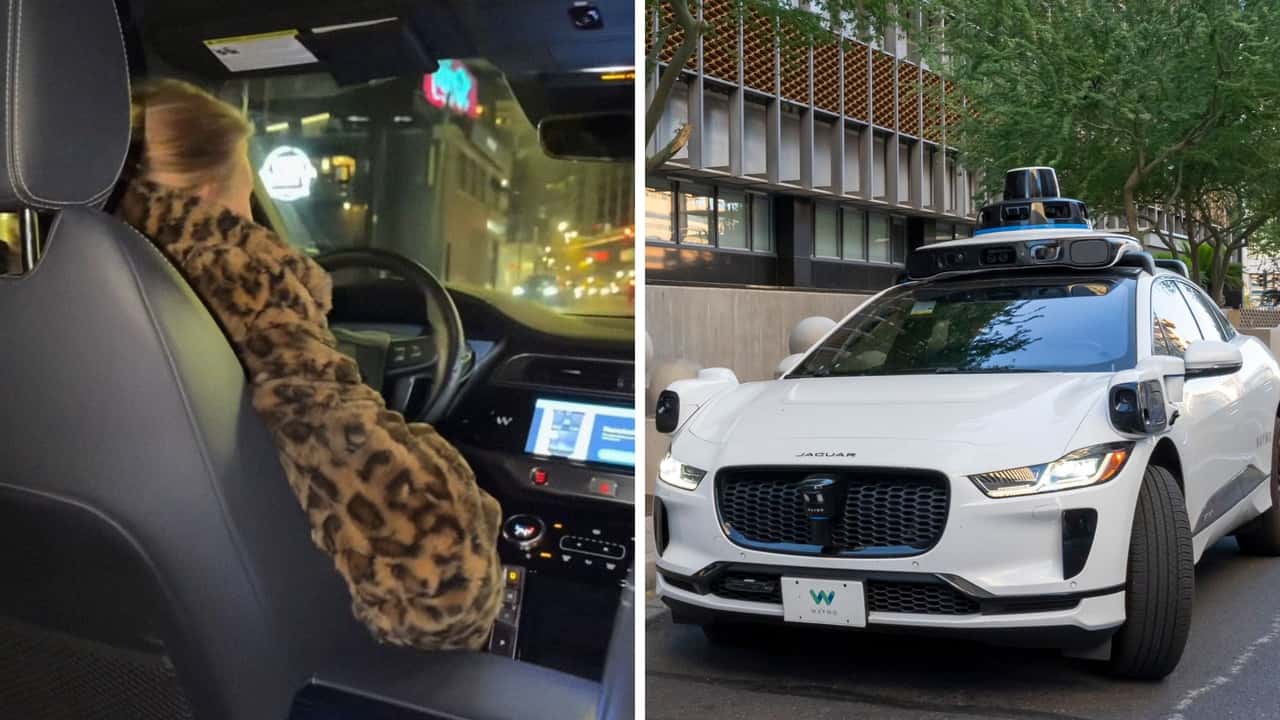

In a car with no driver, every seat looks like a passenger seat. That assumption, however, turned a routine Waymo ride into a canceled trip—and sparked a surprisingly heated internet debate.
The viral clip from TikTokker Melika (@viddywellmel) captures her friend in the off-limits “driver's” seat inside the Waymo autonomous taxi they were using. As one should expect from an automotive entity owned by Google parent company Alphabet, it didn’t long for the tech giant’s supervisors to learn of the infraction.
“A representative comes on and yells at you btw,” Melika wrote in the caption of the clip, which has been viewed more than 892,000 times.
Waymo has long maintained a strict rule: Passengers are not allowed to sit in the driver’s seat or touch the vehicle’s controls. The policy is outlined in Waymo’s rider guidelines and onboarding materials, which explain that the front seat is reserved for trained personnel and off-limits during public rides.
In Melika’s video, that rule appears to catch the group off guard. The clip shows her friend casually seated behind the steering wheel, hands off the controls, as the car continues driving itself through city streets. Moments later, a remote Waymo representative intervened via the vehicle’s speaker system, informing the riders that the behavior violated company policy and that the trip would be terminated.
The company has previously stated that rider behavior inside its vehicles is actively monitored through onboard sensors and remote support staff, a standard safety practice for commercial autonomous vehicle services.
Why The Seat Exists At All
One of the most common questions raised in the TikTok comment section was also one of the most basic: If no one is allowed to sit there, why does the driver’s seat even exist?
The answer is mainly practical. Waymo’s fleet is primarily electric Jaguar I-Pace SUVs retrofitted with autonomous driving hardware, including lidar sensors, radar, cameras, and onboard computing systems. These vehicles were initially designed to be driven by humans and still retain their full mechanical steering and pedal systems.
FROM THE TRENDING NEWS DESK
Viral bits from across the social media landscape
Our team of experts tracks what's trending so you don't have to—from viral videos to online debates that have everyone talking.
According to Waymo, the cars must remain fully drivable for testing, servicing, emergency recovery, and depot operations. Engineers, safety drivers, and technicians still manually operate the vehicles in controlled settings, which makes removing the driver’s seat and steering wheel impractical and unnecessary.
While the incident itself was brief, the reaction was anything but. The comment section quickly splintered into familiar camps: viewers who thought the rule was obvious, those who felt the punishment was excessive, and others who questioned the logic of restricting an empty seat in a driverless car.
Commenters Sound Off
Some commenters argued that sitting in the front seat was harmless since the vehicle was already operating autonomously. Others pushed back, noting that breaking clearly stated rules can disrupt service and force riders to pay for another trip. Several comments referenced unrelated viral stories involving Waymo vehicles, reflecting broader anxieties about self-driving technology rather than the specifics of this incident.
The intensity of the debate highlighted how autonomous vehicles still occupy an uncomfortable middle ground in the public imagination, treated simultaneously as advanced software platforms and as ordinary cars with familiar expectations.
As autonomous EVs enter mainstream use, riders often bring assumptions shaped by decades of traditional car culture. In most vehicles, the front seat is prime real estate. In taxis and ride-hailing services, it’s typically reserved for the driver. In a robotaxi, the distinction isn’t always intuitive.
Waymo’s approach reflects a broader industry challenge: Autonomous vehicles require new passenger norms, but those norms are still being learned in public. Unlike private EV ownership, robotaxi use blends transportation, software governance, and shared liability in ways most riders have never had to consider before.
Waymo reports that its vehicles have driven tens of millions of miles autonomously across cities like Phoenix, San Francisco, and Los Angeles, data the company says supports the safety and reliability of its system compared to human-driven vehicles.
In the end, no one was hurt, no damage was done, and the consequences amounted to an interrupted ride and an awkward explanation from a remote operator. But the viral response suggests the moment struck a nerve.
As autonomous EV services expand, similar misunderstandings are likely to become more common. Rules that make sense to engineers and operators may not feel obvious to first-time riders, especially when the visual cues of a traditional car remain intact.
InsideEVs reached out to Melika via direct message and comment on the clip. We’ll update this if they respond.
RECOMMENDED FOR YOU

Woman Buys Cadillac EV. Then They Offer Her A Deal On EVgo
The Rivian R2 Is Finally Here. The CEO Just Shared When To Expect More Models
"The Motor Is Supposed To Last 1 Million Miles": Man Hits 360,000 Miles On His Model 3. Is That The Norm?
'I Want To Own It': What Engineering Explained's Jason Fenske Thought Of The Rivian R2
"Dealerships Are Shady": Man Says Texas Toyota Dealership Agreed To Sell Highlander Hybrid For $26,900, Then Jacked Up The Price
The Electric BMW M3 Is Coming. Here's What It Might Look Like
Can Waze Still Track The Police?