Home
Nissan
Ariya
News
Nissan Ariya EV Recalled For Oil Leak That Could Lead To Loss Of Power
An oil leak isn’t the first thing that springs to mind when thinking about an EV, but it’s real. And here, it could lead to a loss of power.
Iulian Dnistran 
By: Iulian Dnistran
Jun 12, 2024 at 3:00pm ET
Add InsideEVs as a preferred source in Google
- (https://twitter.com/intent/tweet?url=https%3A%2F%2Finsideevs.com%2Fnews%2F723047%2Fnissan-ariya-oil-leak-recall%2F&text=Nissan%20Ariya%20EV%20Recalled%20For%20Oil%20Leak%20That%20Could%20Lead%20To%20Loss%20Of%20Power&via=InsideEVs)
- copy
Share
Comment
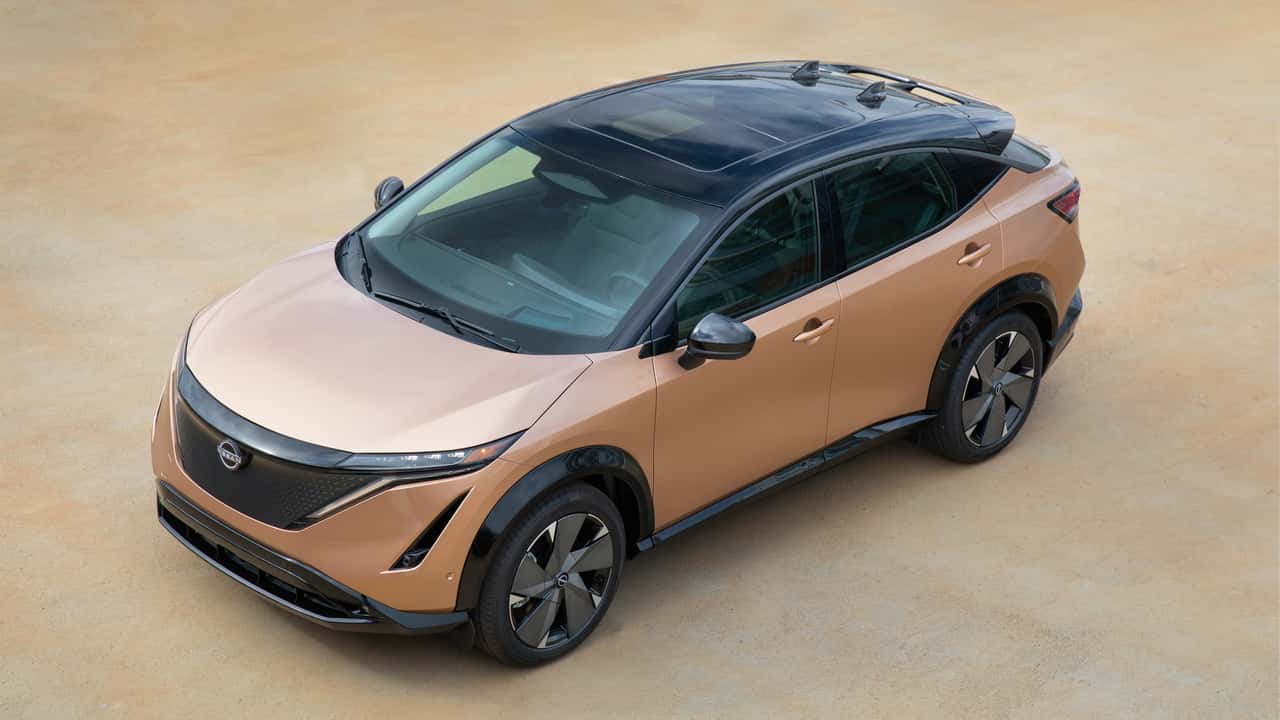
Here’s a recall you wouldn’t think would apply to an electric car. A handful of Nissan Ariya EVs have been recalled in the United States because of a potential oil leak that could lead to a sudden loss of power.
How could this have happened to a car that doesn’t have a million moving parts under the hood that require constant lubrication, you might ask. Well, it all boils down to some o-rings.
Get Fully Charged
No oil changes
One of the most frequent maintenance items for a combustion vehicle is the all-important oil change. EVs don't need it because there isn't any gas-burning engine under the hood that has hundreds of moving parts. Instead, the electric motor might have some oil for lubrication.
According to the defect report published by the National Highway Traffic Safety Administration (NHTSA), 84 Nissan Ariya EVs sold in the United States may have been shipped with damaged o-rings inside the front electric motors. This can cause an oil leak inside the motor, which may lead to abnormal wear and debris. Ultimately, this could result in the car activating its “fail-safe” mode which cuts power and prevents the driver from restarting the vehicle, which doesn’t sound very good.
More EV Recalls
 All 71,956 Volvo EX30s Recalled For Software Issue
Mercedes-Benz Recalls 15,000 EVs Because Batteries Might Shut Down While Driving
Kia Is Recalling Some 2022 Niro EVs Because They Might Catch Fire
NHTSA Is Investigating Volkswagen ID.4 Doors Opening While Driving
What do you think?
View
Comments
Nissan said that over time, the debris in the electric motor may combine with the oil, forming a mixture that can accumulate between the brush terminal and the motor housing. The build-up can then generate an abnormal electrical flow within the traction motor, leading the car to go into “fail-safe” mode.
To fix the issue, dealers will replace the front traction motor assembly free of charge on affected vehicles, but bear in mind that the whole operation may take up to ten and a half hours to complete, according to the official defect report.

Get the best news, reviews, columns, and more delivered straight to your inbox.
back
Subscribe For more info, read our Privacy Policy & Terms of Use.
We want your opinion!
What would you like to see on Insideevs.com?
Take our 3 minute survey.
- The InsideEVs team
Share this Story
- (https://twitter.com/intent/tweet?url=https%3A%2F%2Finsideevs.com%2Fnews%2F723047%2Fnissan-ariya-oil-leak-recall%2F&text=Nissan%20Ariya%20EV%20Recalled%20For%20Oil%20Leak%20That%20Could%20Lead%20To%20Loss%20Of%20Power&via=InsideEVs)
- copy
GO TO COMMENTS
(
)
Got a tip for us? Email: tips@insideevs.com
View all comments ( )
Trending
I Took A Rivian R2 On A Camping Trip To The Middle Of The Desert
Solid-State Cells Can Make The U.S. Competitive In Batteries Again: CEO
Tesla Opens Cybercab Orders To 'Select Customers' At $29,990 Plus $299 Per Month
Google’s Gemini AI Assistant Now Works On Apple CarPlay
Latest Stories
- Tesla Opens Cybercab Orders To 'Select Customers' At $29,990 Plus $299 Per Month Nov 13 - News -
- Do EVs Wear Tires Faster? Here's What The Studies Show Nov 13 - Features -
- The VW ID. Buzz Is Getting A New Job As A Robotaxi Nov 13 - News -
- Audi A4 EV Delayed Amid VW Group Financial Troubles: Report Nov 13 - News -
- Tesla Just Killed Its Cheapest All-Wheel-Drive Model Y Nov 13 - News -
- A Record Number Of Uber Miles Are Happening In EVs Nov 13 - News -
- Slate Is Selling A $30 'Screenless GPS' For Its Low-Tech Truck Nov 12 - News -
RECOMMENDED FOR YOU
The Best EV Lease And Finance Deals In November 2026
Tesla Opens Cybercab Orders To 'Select Customers' At $29,990 Plus $299 Per Month
I Drove A New Kind Of Hybrid From Nissan. Here's How It Beats The Toyota RAV4
Do EVs Wear Tires Faster? Here's What The Studies Show
The Best Affordable Electric Cars In 2026: Cheap, Reliable Options For Everyone
The VW ID. Buzz Is Getting A New Job As A Robotaxi
Used EVs Hit A Record Share Of Overall Used Car Sales In September