
How Good Is Tesla's Full Self-Driving, Really?
“Your quality of life will increase by a factor of 10 the second you get this car.”
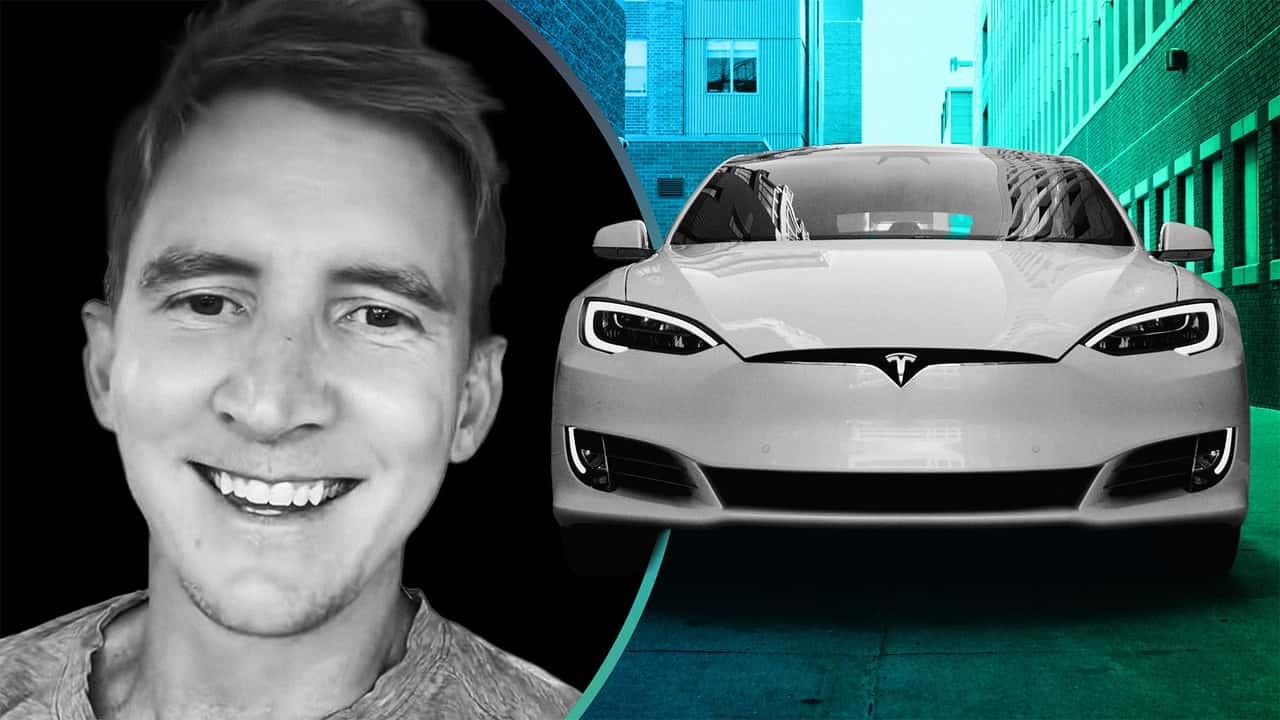

Ever seen a car drive itself off the factory floor and head straight for its new owner? Tesla enthusiasts love that this futuristic feat is already happening. And for them, it’s proof that Full Self-Driving is the most important tech leap since the dawn of the smartphone.
In a viral TikTok clip that’s been viewed more than 45,000 times, enthusiastic Tesla owner Chefnut (@Chefsnuts) proselytizes about the wonders of Tesla's Full Self-Driving option while it appears he's being transported passively thanks to the car’s advanced technology.
“Full self-driving is the most spectacular technological advancement in a vehicle since the dawn of the new age of man,” he says at the start of the clip. “Your quality of life will increase by a factor of 10 the second you get this car.”
Enthusiasm And Evangelism
The video captures a common dynamic among Tesla fans: a blend of amazement and evangelism around FSD. Chefnut goes so far as to describe the system as akin to “I, Robot” or “Minority Report,” suggesting a future where cars handle every detail of transportation. He also points to what he claims are factory demonstrations of vehicles driving themselves directly to a buyer’s home, a story Tesla has promoted in its marketing for years. However, such examples remain carefully staged rather than being part of everyday practice.
What resonates most is the conviction. For Tesla evangelists, Full Self-Driving is not just another tech option. It’s a cultural marker, proof that they’re already living in a future that rivals like Ford, GM, and Mercedes are still trying to unlock.
Now Trending
Underneath the excitement lies a more nuanced picture of Tesla’s driver-assistance offerings. Every Tesla comes standard with Autopilot, a set of advanced driver-assistance features that includes lane centering and adaptive cruise control. That’s different from Full Self-Driving, which costs $12,000 up front or between $99 and $199 a month, depending on the package.
FROM THE TRENDING NEWS DESK
Viral bits from across the social media landscape
Our team of experts tracks what's trending so you don't have to—from viral videos to online debates that have everyone talking.
Tesla’s own description of FSD emphasizes its ability to “navigate city streets,” make left and right turns, handle freeway interchanges, and stop at traffic lights and stop signs. Owners in the FSD Beta program can watch the car steer through residential neighborhoods and merge onto busy freeways with minimal input. But Tesla also stresses that drivers must keep their hands on the wheel and eyes on the road at all times.
That distinction matters. According to the Society of Automotive Engineers, Tesla’s systems remain at Level 2 automation, meaning the car can assist, but the driver is always legally and functionally responsible.
Controversy And Caution
The hype surrounding FSD exists alongside growing scrutiny. The National Highway Traffic Safety Administration has opened multiple investigations into crashes involving Autopilot and FSD, including several fatal ones. Critics argue that the branding of “Full Self-Driving” misleads consumers into thinking the cars are capable of true autonomy, when in fact they are not. California’s Department of Motor Vehicles went so far as to file complaints alleging Tesla engaged in deceptive marketing around the feature.
Tesla has made incremental updates through over-the-air software pushes, and many users report dramatic improvements in the system’s ability to navigate complex intersections. There are also accounts of phantom braking, awkward lane changes, or sudden disengagements that require immediate human intervention.
For regulators and safety advocates, these shortcomings highlight the risks of deploying a technology still in beta on public roads.
Tesla is hardly alone in chasing the dream of autonomy. GM’s Super Cruise and Ford’s BlueCruise have earned strong reviews for their ability to handle long highway drives hands-free, though both systems are geofenced to mapped roadways. Mercedes-Benz recently won approval to offer its Drive Pilot system in California and Nevada as the first Level 3 autonomy option in the U.S., meaning the car takes legal responsibility for driving under certain conditions.
Tesla’s approach remains unique in its reliance on a “vision only” system, using cameras instead of lidar or radar.
For now, the gulf between Tesla owners’ exuberant testimonials and regulatory caution defines the FSD conversation. Enthusiasts like Chefnut view it as life-changing, a feature so exceptional that it renders other vehicles obsolete. But the technology remains a work in progress, impressive in demonstrations yet inconsistent enough to keep Tesla under government scrutiny.
Whether FSD is the dawn of a new age or just a flashy step along the way to safer, truly autonomous cars will depend on what happens in the next few years. For now, it’s both a glimpse of the future and a reminder of how far the industry still has to go.
InsideEVs reached out to Chefnut via direct message.

RECOMMENDED FOR YOU

Tesla Apparently Won't Let Cybertruck Buyers Transfer FSD Without Spending Another $20k
This Simple Trick Boosted My Plug-In Hybrid's Fuel Economy To 50 MPG
This Tesla Model 3 Went Nearly 400 Miles In A Range Test, 30 More Than Its EPA Rating
Sodium Batteries And EVs That Power The Grid: Inside GM's Big Energy Push
Teslas Are More Likely To Hit 250,000 Miles Than Almost Every Car Brand
Yes, EVs Really Are Cleaner Than Gas Cars. Here's By How Much
The Best EV Lease And Finance Deals In June 2026