
Land Rover Presents Two New PHEVS: The Evoque And The Discovery Sport P300e
The Evoque offers an electric-only range of 41 mi (66 km). The Disco runs 38.5 mi (62 km).


You live in a country with poor charging infrastructure. You may not have a charging point at home. What would you prefer: to keep your combustion-engined car or to get one that could move at least some of the time on electricity? We bet you’d go with the latter. This is the clientele plug-in hybrids – or PHEVs – want to serve. Jaguar Land Rover has two new options for it: the Range Rover Evoque and the Discovery Sport, both of them with the surname P300e.
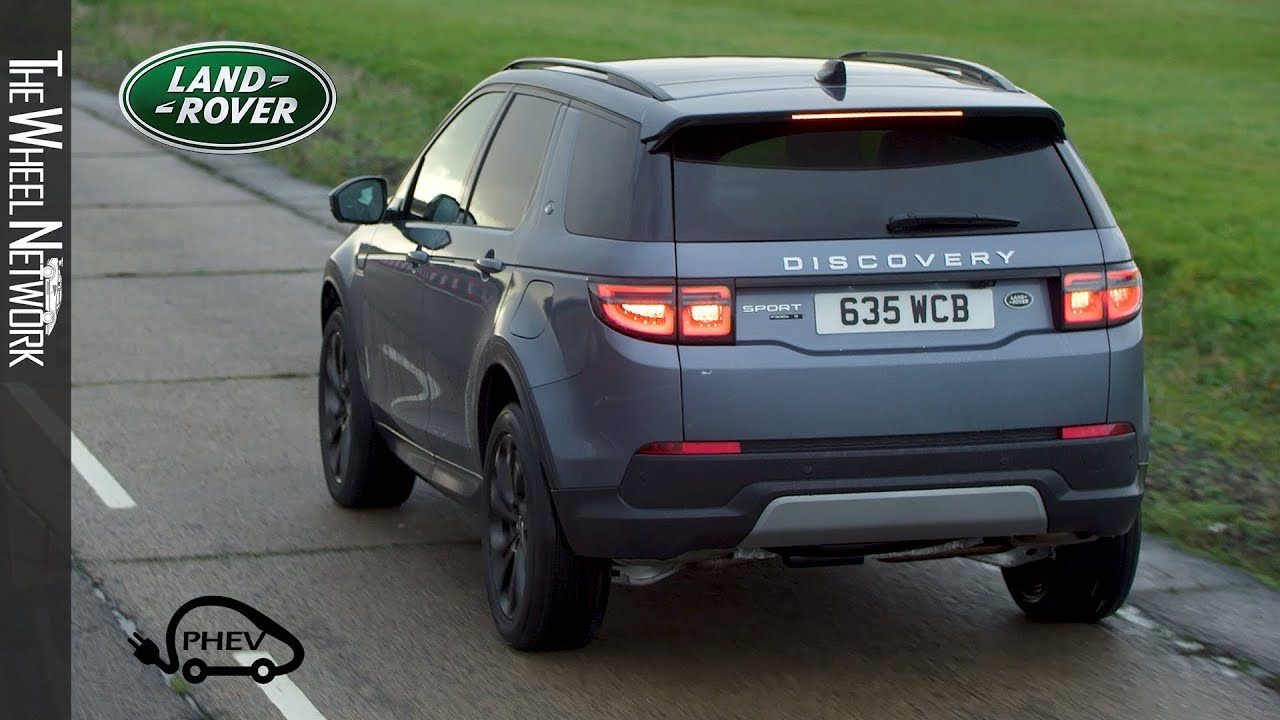
While the Evoque offers an electric-only range of 41 mi (66 km), the Disco Sport gets to run 38.5 mi (62 km) solely with their 15 kWh battery. That will probably be enough to cover most of the daily commute demands of most clients without the need for burning a single drop of fuel.
When they need to travel, the Evoque can emit as low as 32 g/km in a combined WLTP cycle. The Discovery Sport, which is a larger vehicle, manages to emit 36 g/km. For SUVs, that is an impressive number.
Gallery: Range Rover Evoque P300e (PHEV)


This is not something the 80 kW (107 hp) electric motor on the rear axle can do by itself. Both vehicles also have the help of a smaller and lighter combustion engine. JLR has given them the new turbocharged 1.5-liter three-cylinder engine, able to deliver 147 kW (197 hp).

The new Ingenium machine is 37 kg than the four.cylinder unit. In the new P300e derivatives, it is able to offer a fuel economy of 201.8 miles per gallon (1.4 l/100 km). Even someone in love with combustion engines would see the PHEV as an attractive option if COVID-19 did not slash oil prices.
Gallery: Land Rover Discovery Sport P300e (PHEV)


If you are in a country with lousy charging infrastructure and do not have a plug at home to get your PHEV ready for the next day, the P300e derivatives have a charging mode that uses the combustion engine to refill the battery. If you take highways outside the city frequently, that can be an excellent way to keep pollution away from where you live.
If you are lucky enough to have a 7 kW wallbox, you can charge your Land Rover from no charge to 80 percent in 1 hour and 24 minutes. A regular outlet will take 6 hours and 42 minutes. A rapid public charger, if you find one, takes 30 minutes to do the job.
If these new Land Rovers get to dealerships at attractive prices, they may pave the way for more people to buy a Jaguar I-Pace. Or another EV from JLR. They may even help the charging infrastructure improve for people to start considering EVs everywhere. That is what makes PHEVs welcome transition machines. May the transition be short.
RECOMMENDED FOR YOU
I Experienced The World’s First Electrostatic Speakers In A Production Car. Now I Can't Go Back
GM Walks Away From $3.5B Battery Factory, Leaving Samsung SDI In Full Control
I Sat In The New Electric Range Rover GT. It Skips A Big Thing I Hate In Luxury EVs
Tesla Burned Through Its California EV Rebate Funds In Just Five Days
The Most Important Range Rover EV Is Coming Sooner Than We Thought
The Ford Fathom Will Get a $25,000 Hybrid Crossover Sibling: Report
Ford's Affordable Electric Truck Finally Has A Name And A Price