
‘Resisting The Urge’: Waymo Passenger Reaches For The Jaguar Steering Wheel Mid-Ride. What Happens Next?
“Girl, don’t do it, it’s not worth it.”
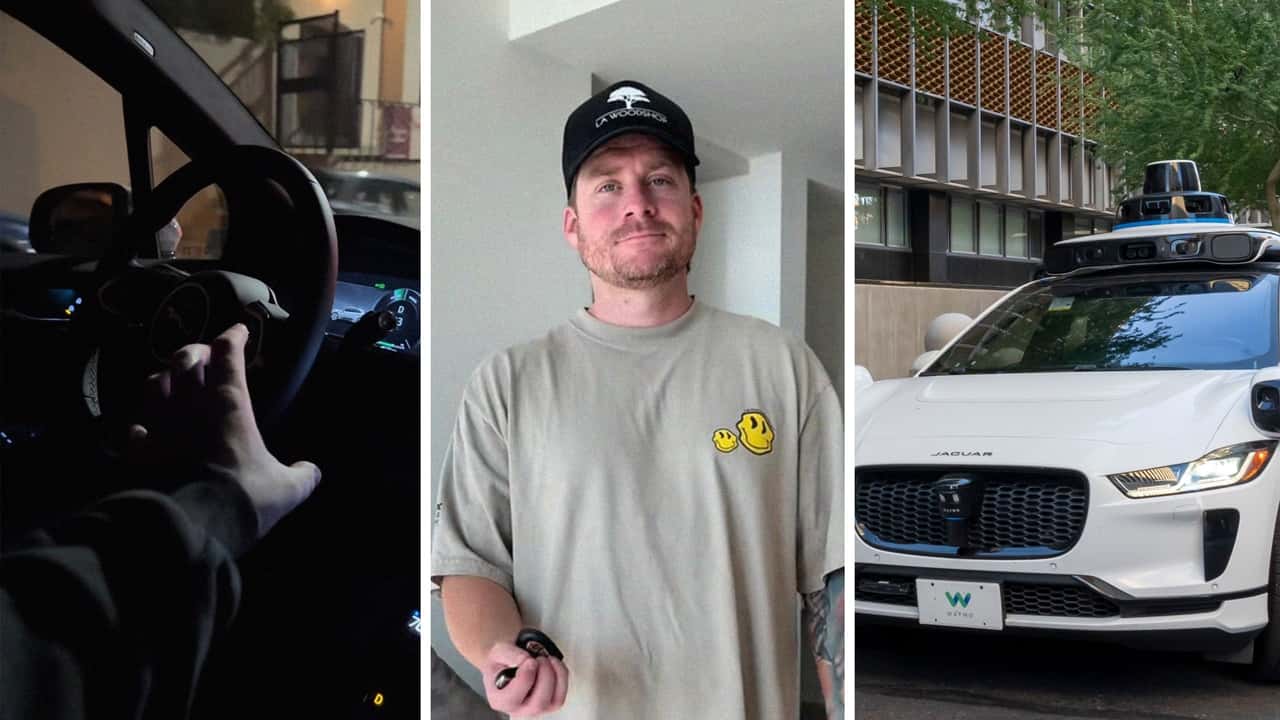

A video of an Austin-based Waymo passenger gesturing toward grabbing the steering wheel of their self-driving vehicle prompts questions of what happens when a Waymo passenger actually grabs the wheel.
On Dec. 4, a TikToker (@carguysbelike) posted a video of a self-driving Jaguar sent by Waymo in motion, with his hand jokingly reaching toward the steering wheel with an audio that said “Girl, don’t do it, it’s not worth it.”
In the caption, he wrote, “Resisting the urge.”
One commenter responded saying, “My friend did it they literally call in and scold you it was so embarrassing.”
What Happens When A Waymo Passenger Grabs The Steering Wheel?
Reaching for the steering wheel or touching the driving controls of a Waymo self-driving vehicle is a clear violation of the company’s rider rules. The official policy states, “Don’t touch the driving controls or sensors,” including the steering wheel, pedals, gear shifter, or other controls.
If the system detects that interference, the car is designed to respond by safely bringing the ride to a stop and alerting support. Once contacted, Waymo’s Rider Support team will assess the situation. If the vehicle cannot continue operating safely, they may dispatch a roadside assistance employee to take over. That person may unlock the car from the outside, step into the driver’s seat, and either finish the ride or safely escort riders out.
Why Does Waymo Treat Steering Wheel Interference So Seriously?
Most Waymo vehicles still retain traditional controls like a steering wheel, brake pedal, and gear shifter to satisfy regulatory and road-vehicle laws. However, those controls are disabled and off-limits when the vehicle operates in autonomous mode.
This is because the self-driving system is responsible for all driving decisions. Any human interference could confuse the system, compromise sensor input, jeopardize safety, or even trigger failure states. By locking out human control, Waymo simplifies liability, reduces human error, and ensures consistent performance.
FROM THE TRENDING NEWS DESK
Viral bits from across the social media landscape
Our team of experts tracks what's trending so you don't have to—from viral videos to online debates that have everyone talking.
This design appears to have greatly paid off. Recent research covering 56.7 million “rider-only” miles has indicated that Waymo’s crash rates were significantly lower than human-driver benchmarks. Intersection crashes, the most common type for human drivers, showed substantial reductions.
This suggests that Waymo’s fully autonomous approach does have a significant impact on vehicle safety efforts and that inserting human interference would get in the way of these dramatic results.
RECOMMENDED FOR YOU

Woman Buys Cadillac EV. Then They Offer Her A Deal On EVgo
BMW iX5 Blows Away The Competition With 460-kW Charging, 435-Mile Range
"The Motor Is Supposed To Last 1 Million Miles": Man Hits 360,000 Miles On His Model 3. Is That The Norm?
An App Flagged This Tesla Battery As Degraded. The Car Said It Was Worse
Can Waze Still Track The Police?
Drivers Are Not Happy With Their Cars' Screens
‘Didn’t Know This Was So Common': Truck Hits Subaru In Disneyland Garage And Runs. They Didn’t Expect A Tesla To Get The Footage