Home
News
Technology
E-Bike Tech: Could Digital Drive Be The End Of Chains And Sprockets?
Eliminating the physical connection between the wheel and pedals seems counterintuitive, but there are a few benefits.
Enrico Punsalang 
By: Enrico Punsalang
Jul 17, 2023 at 8:13am ET
Add InsideEVs as a preferred source in Google
- (https://twitter.com/intent/tweet?url=https%3A%2F%2Finsideevs.com%2Fnews%2F677137%2Fdigital-drive-viable-replacement-for-chain-and-sprocket%2F&text=E-Bike%20Tech%3A%20Could%20Digital%20Drive%20Be%20The%20End%20Of%20Chains%20And%20Sprockets%3F&via=InsideEVs)
- copy
Share
Comment
Electric bike technology has advanced leaps and bounds in recent years, so much so that the very foundations of the bicycle as we know it are being overhauled. Sure, even the most sophisticated electric bikes still roll on wheels and have rubber tires, as we’re not in the era of flying bikes just yet. Nevertheless, the way power is sent to the ground has evolved quite a lot.
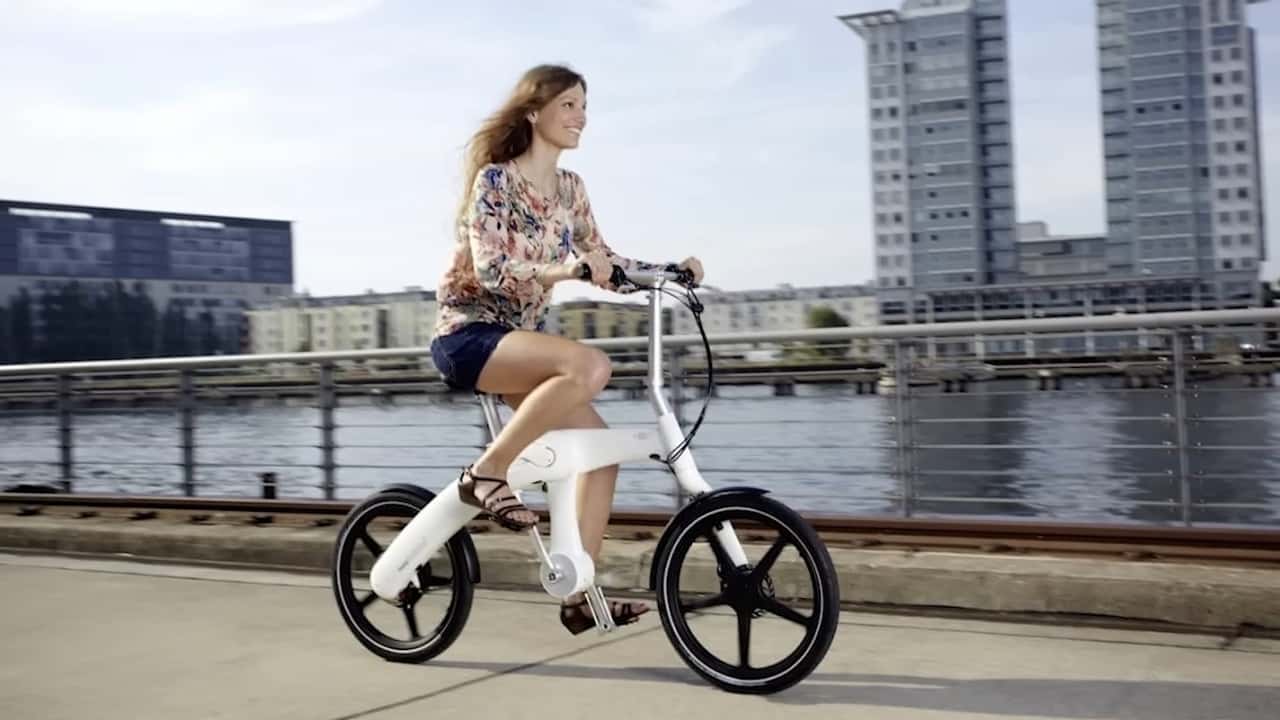
While most electric bicycles still have a physical connection between the pedals and the wheel – either though belt or chain – a few manufacturers are deviating from this traditional method of propulsion. Instead of using a chain, belt, or any physical connection from the pedals to the wheel, these bikes make use of a so-called Digital Drive system, which means that the pedal strokes of the rider operate a generator which then sends electric power to the wheel*.*

Electrek provides an interesting explanation of how this works by comparing it to the hybrid technology we find in electric cars. In a conventional e-bike, described as a parallel-hybrid, the rider can manually pedal the bike without the use of the electric motor – sort of how a hybrid can still rely on the ICE engine when the electric motor isn’t in use. Conversely, a lot of e-bikes have a hand-throttle, which allows the rider to use only the electric motor. For a more visualized explanation of how a Digital Drive works, check out the video from Cycling About.
We’ve talked about one of these Digital Drive systems before. Schaeffler’s Free Drive system employs a power generator that’s activated by the rider’s pedal strokes. The generated power is then sent to an electric motor powering the bike’s rear wheel. In a Digital Drive System like Schaeffler’s Free Drive, the physical connection between the pedals and the wheel is eliminated, sort of like a series hybrid setup, where in the rider’s pedal inputs are required to operate the electric motor, but eliminating the electric motor – say, in the event of a malfunction or dead battery – will render the bike stranded.
Herein lies the issue of the Digital Drive System, as no matter how high-tech and sophisticated technology becomes, there will always be more points of failure as compared to a purely mechanical setup.
Imagine a scenario wherein you had to ride a Digital Drive-equipped e-bike for 20 miles. Sure, the sophisticated technology and myriad of sensors can tailor each and every pedal stroke to provide maximum efficiency. Sure, the system will be silent, comfortable, and ergonomically optimized – but what if something goes wrong? Say the controller malfunctions, or your battery runs out of juice. You’re left stranded on the side of the road waiting for someone to come rescue you. Whereas if you were riding a conventional e-bike, you could still pedal your way to your destination, albeit in a much more tired and possibly cramped up state.
More Fun On Two Wheels:
Privateer Debuts The E-161 Electric Enduro MTB
QiO's New EINSx P-E E-Bike Seeks To Provide No-Frills Urban Performance
What do you think?
View
Comments
Don’t get me wrong, I’m not hating on tech like the Digital Drive, and there surely is a place for systems like this. On the one hand, long-tail cargo bikes with extended rear cargo bays can benefit from such a setup, as running a super long chain isn’t exactly comfortable, stable, or safe. On the other hand, compact folding commuter bikes can be packaged more creatively as, obviously, wires can be positioned differently and are much more flexible than a chain or belt drive.
The use of the Digital Drive also enables bike makers to be more creative with their designs. It makes ideas like an all-wheel-drive electric bike more feasible, as well as configurations like a recumbent, rear-wheel-drive bike, or an all-wheel-drive electric cargo trike. Essentially, the sky’s the limit when it comes to setting up a bike, as the limitations of a chain and sprocket are thrown out the window.
Sources: Electrek, EBike 24, Cycling About via YouTube
We want your opinion!
What would you like to see on Insideevs.com?
Take our 3 minute survey.
- The InsideEVs team
Share this Story
- (https://twitter.com/intent/tweet?url=https%3A%2F%2Finsideevs.com%2Fnews%2F677137%2Fdigital-drive-viable-replacement-for-chain-and-sprocket%2F&text=E-Bike%20Tech%3A%20Could%20Digital%20Drive%20Be%20The%20End%20Of%20Chains%20And%20Sprockets%3F&via=InsideEVs)
- copy
GO TO COMMENTS
(
)
Got a tip for us? Email: tips@insideevs.com
View all comments ( )
Trending
I Took A Rivian R2 On A Camping Trip To The Middle Of The Desert
Solid-State Cells Can Make The U.S. Competitive In Batteries Again: CEO
Tesla Opens Cybercab Orders To 'Select Customers' At $29,990 Plus $299 Per Month
Google’s Gemini AI Assistant Now Works On Apple CarPlay
Latest Stories
- Tesla Opens Cybercab Orders To 'Select Customers' At $29,990 Plus $299 Per Month Nov 13 - News -
- Do EVs Wear Tires Faster? Here's What The Studies Show Nov 13 - Features -
- The VW ID. Buzz Is Getting A New Job As A Robotaxi Nov 13 - News -
- Audi A4 EV Delayed Amid VW Group Financial Troubles: Report Nov 13 - News -
- Tesla Just Killed Its Cheapest All-Wheel-Drive Model Y Nov 13 - News -
- A Record Number Of Uber Miles Are Happening In EVs Nov 13 - News -
- Slate Is Selling A $30 'Screenless GPS' For Its Low-Tech Truck Nov 12 - News -
RECOMMENDED FOR YOU
Lucid Overhauled The Air's Infotainment. You Might Need $950 Hardware To Get It
Do EVs Wear Tires Faster? Here's What The Studies Show
Mercedes Taps Wayve For Tesla FSD-Like System Within 2 Years
The VW ID. Buzz Is Getting A New Job As A Robotaxi
Hyundai's Tesla FSD Rival Is Delayed To 2029. But It May Be Worth The Wait
Audi A4 EV Delayed Amid VW Group Financial Troubles: Report
I Experienced The World’s First Electrostatic Speakers In A Production Car. Now I Can't Go Back