
This Is The Future Of Hyundai Software—And Yes, It Comes With Buttons
Hyundai's new "Pleos" operating system just debuted on the Ioniq 3. It's coming to a Hyundai near you soon.
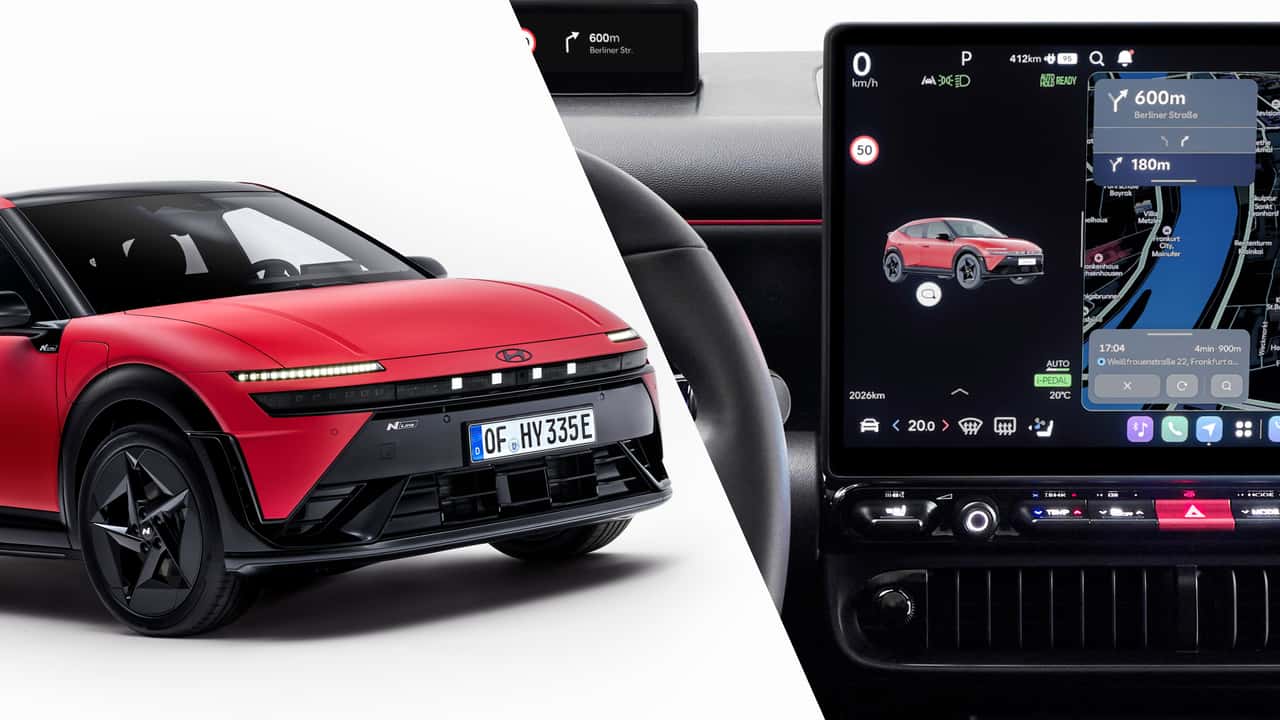

- The new Hyundai Ioniq 3 runs on Pleos OS, the company's new operating system for software-defined vehicles.
- With zonal controllers, physical controls, and a new UI, Pleos could match legacy-car ergonomics with modern software advantages.
- It's a needed upgrade, as Hyundai has not yet offered a true software-defined vehicle in most markets, and its software experience isn't as impressive as rival setups.
Hyundai makes great EVs. The Ioniq 5 and Ioniq 9 are top of their class, and I'd probably own the former if it weren't for one problem. So far, Hyundai in-car software hasn't been great. The company has long promised to address that issue with a new software architecture. Today, it arrived: Pleos OS is here.
Well, not "here" here. It debuted on the Ioniq 3, a subcompact EV that is unlikely to make it to the United States. But make no mistake. Pleos is coming here, as it'll form the basis for future Hyundai EVs. Based on what I'm seeing here, it can't come soon enough.
Gallery: Hyundai Ioniq 3






What Is Pleos?
Pleos is Hyundai's new operating system for software-defined vehicles. It is based on Google's Android Automotive OS—which notably is not the same thing as Android Auto phone projection. Android Automotive (emphasis mine) underpins a variety of new cars, including models from Ford, Honda, BMW, and Porsche. The software supports custom automaker skins, and not every company that uses Android Automotive OS also uses Google Automotive Services—which provides Google Maps, Assistant, and Play Store functionality.
Hyundai hasn't said if it'll use Google Automotive Services. But the company is pushing its own app store, the App Market, suggesting this may be a more in-house Hyundai affair.
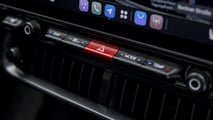
Either way, the system looks a lot better than existing Hyundai software. The combined home screen with a massive map and a variety of persistent controls below and to the left is similar to what you get in a Tesla or Rivian, but with one major improvement. Hyundai still offers physical controls below the screen for essential functions, including volume, temperature controls, and heated/cooled seats.
There are also a few clearly labeled buttons on the steering wheel and a driver information display (DID) above the steering wheel. The company maintains that it will always offer physical controls for key functions, as The Drive reported.
It's too early to say if this system will work well. Yet I'm already happy. Functionally, I find the current Hyundai software to be reasonably easy to use, with good physical knobs and not too many menus. It just looks like an out-of-date Android Phone. That's not the vibe I want in an Ioniq 9, which can cost over $75,000. Pleos looks a lot more modern to my eye.
I'm driving an Ioniq 9 this week and I love it. But the infotainment system could use a visual update.
The major advantage of Pleos, though, is that it should help drive down those costs. Hyundai says Pleos is a true software-defined vehicle platform, with zonal controllers. That should help reduce wiring, decrease complexity, and improve service and upgradeability over-the-air.
All of those advantages are necessary for Hyundai to get to the next level in the SDV transition. The company already makes efficient, quick-charging, comfortable EVs. But it struggles to offer meaningful over-the-air updates and killer software features because its EVs use patched-together software from countless vendors.
Pleos is a step towards a better system. It proves that Hyundai isn't standing still, and is instead marching toward a software-defined, fully electric future. How fast will it get there? We don't know. But bringing a Pleos-based EV to the U.S. would be a great start.
Contact the author: Mack.Hogan@insideevs.com.
RECOMMENDED FOR YOU
Hyundai And Genesis EVs In The U.S. Get A Big Discount At Ionna Chargers
Chinese Regulators Recall Millions Of EVs Because Their Mechanical Door Handles Are Too Hard To Find
These Affordable EVs Just Got A New Lifeline: Replacement Motors Cost 30% Less
Inside The $2 Billion Battery Factory Making Cells For Tesla And Toyota
The 17 Cheapest Electric Cars In 2026 (Updated)
Nevada Opens The Door To Thousands Of Paid Robotaxis, And Tesla Has The Edge
The Hyundai Ioniq 5 N Has A Range Problem. Smaller Wheels Helped A Lot