Home
Features
EV 101
What Is A Plug-In Hybrid And How Exactly Does It Work?
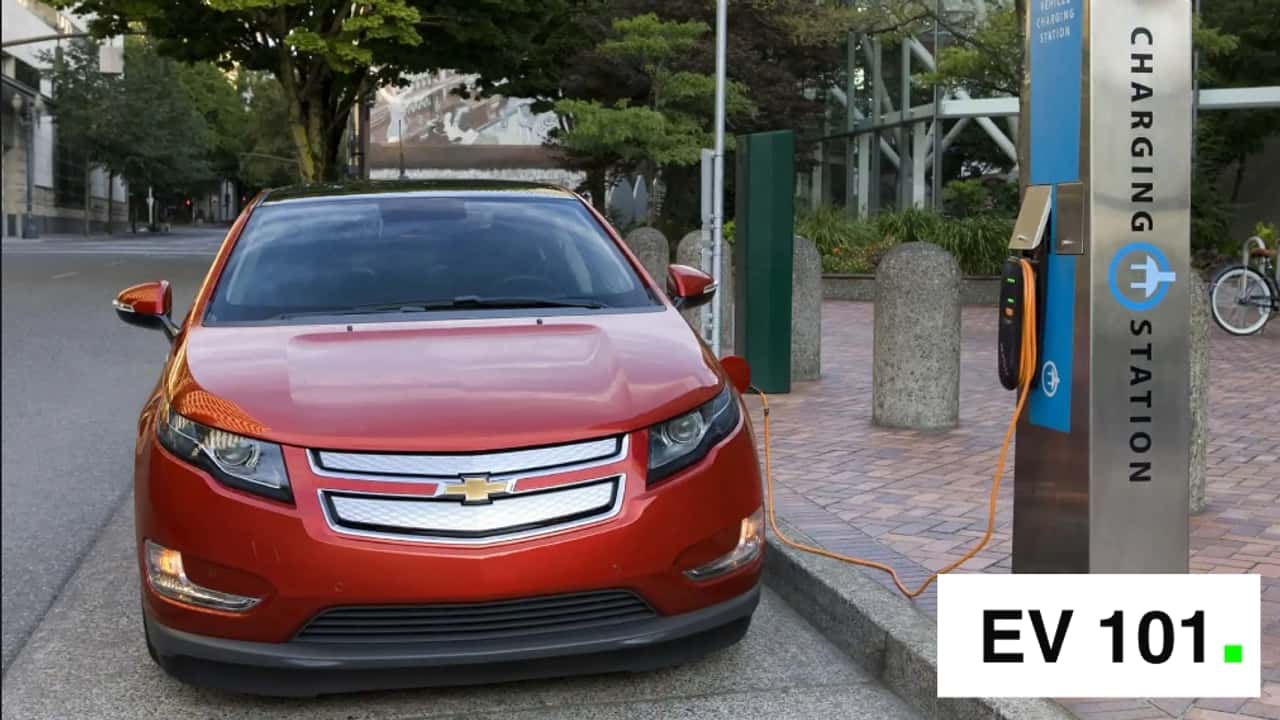
While PHEVs haven’t been very popular, they’re having a moment right now as more buyers look to transition from gas-only vehicles.
Chris Teague 
By: Chris Teague
May 20, 2024 at 5:00pm ET
Add InsideEVs as a preferred source in Google
- (https://twitter.com/intent/tweet?url=https%3A%2F%2Finsideevs.com%2Ffeatures%2F720192%2Fphev-plug-in-hybrid-how-does-it-work%2F&text=What%20Is%20A%20Plug-In%20Hybrid%20And%20How%20Exactly%20Does%20It%20Work%3F&via=InsideEVs)
- copy
Share
Comment
The term “electrified vehicles” includes various propulsion systems, including hybrids, hydrogen fuel cell vehicles, plug-in hybrids (PHEVs), and EVs. While PHEVs haven’t been as popular as others in the category, they’re having a moment as more buyers look to transition from gas-only vehicles to models with better fuel economy. They function similarly to hybrid vehicles but have some elements of battery-only EVs, which can confuse some buyers. Let’s take a closer look at what PHEVs are and how they work.
What Are PHEVs?
Plug-in hybrid vehicles, or PHEVs, typically have a gas engine and one or more electric motors with a battery pack that needs charging. They offer a modest all-electric range, which means no fuel-ups for many drivers. When the battery’s power is mostly exhausted, they function more like traditional hybrids, relying mainly on the gas engine with occasional help from the electric motor(s). PHEVs are more expensive than hybrid vehicles but less so than full EVs and must be charged to realize their full fuel-saving potential.
Charging takes less time than with EVs because PHEVs’ batteries are smaller, which also equates to a shorter electric range. Most models offer between 20 and 40 miles of range, though some go much lower or a bit higher. Those numbers pale in comparison to most EVs, but plug-in hybrids have an advantage with their gas engines that step in to offer more livable driving range numbers.
More On Plug-In Hybrids
 Volkswagen Wants More PHEVs As EV Demand Reaches 'Plateau': CEO
General Motors' Plug-In Hybrids Are Coming Back To The U.S. In 2027
Kia Wants To Step Up Its Hybrid And Plug-In Hybrid Game
The 2025 Ram 1500 Ramcharger Is An Extended-Range EV. What Does That Mean?
Benefits Of PHEVs
Plug-in hybrids’ electric-only range can be a significant benefit for drivers with short commutes. It can mean driving for extended periods with stops only for charging instead of visiting a gas station. Charging is possible on a 240-volt home outlet in a few hours or a 120-volt outlet overnight. They generally cost less than EVs and can work well for people living in areas with less developed charging infrastructure because of the gas engine backup.
Many automakers have learned that drivers want to engage with their electrified vehicles, and some new PHEVs lean on their electric motors for more lively off-the-line acceleration. They are often less noisy than their gas counterparts, but they do need to rely on the gas engine when more power is needed or in extreme temperatures.
PHEVs can also qualify for federal tax credits of up to $7,500, which can significantly reduce the initial purchase price. Combined with fuel savings for shorter drives, a plug-in hybrid can be a compelling buy for many drivers. And, while they require charging, plug-in hybrids can be an excellent “bridge” vehicle for buyers looking to explore EVs by instilling good battery hygiene habits and familiarizing them with the charging lifestyle.
More Tax Credit Info
What The 2024 Election Could Mean For EV Tax Credits
Here Are All The EVs And Hybrids That Qualify For A Tax Credit In 2024
GM Offers $7,500 Discount To EVs That Don't Get The Tax Credit
Yes, The Revised 2024 EV Tax Credits Still Count If You Lease The Car
Downsides Of PHEVs
Though they offer an electric range, which can significantly improve fuel economy, PHEVs aren’t the best choice for every driver. They’re more expensive than gas and hybrid vehicles, and the payback period to recover that extra cost in fuel savings can be longer than most people keep vehicles. That’s especially true for drivers with long commutes or people who take frequent road trips.
Owners who don’t remember to charge can get worse fuel economy, as the gas engine has to tote around a heavy battery and electric motors. Hybrids generally do not produce their best gas mileage on the highway, and the extra weight in PHEVs makes long-distance driving even less efficient. The additional space needed for a battery pack can also cut into interior space as automakers often install the packs under the rear seat or trunk area.
PHEVs also have all the maintenance costs of a standard gas model with the added potential of battery replacements. However, the long 100,000-mile warranties usually take care of any electric drive system problems. Unlike EVs, PHEVs still require oil changes, engine air filters, and other wear-and-tear components that drive up ownership costs.
Finally, plug-in hybrids may lose relevance as EVs become more affordable and battery technologies mature. Solid-state batteries and alternative chemistries will bring better range estimates and less weight, improving the driving experience and making them more usable for people who do not live in areas with well-equipped charging facilities.
More EV 101 Info
The Best Electric Car Chargers Of 2024
Where Can You Charge An Electric Car?
Can You Own An Electric Car Without Having A Garage Or At-Home Charging?
Thinking Of Buying An Electric Car? Here Are Five Critical Things To Consider
Future Of Plug-In Hybrids
No matter what you hear, PHEVs are not the end-all, be-all solution and are not completely irrelevant. That in-between status puts them in somewhat of an awkward position, as EVs are better solutions for many buyers, and gas or hybrid vehicles make more financial sense for others. PHEVs have doubled in sales since 2019, and forecasts predict continued growth through the end of the decade. They’ve also gotten a boost as automakers see slower-than-expected EV demand growth and revert to hybrid technologies.
What do you think?
View
Comments
Despite a higher initial purchase price than gas or hybrid vehicles, PHEVs’ electric range will continue to offer significant benefits for people living in states with higher-than-average gas prices. The U.S. has less aggressive electrification goals than many other countries, but continued tax credits sweeten the deal and make their purchase price more palatable for more buyers.
That said, the United States government has invested billions into improving the charging infrastructure and making the EV ownership experience less of a hassle. That will eventually alleviate charging concerns for many people, though charging speeds may remain a challenge for some time.
FAQ
Do plug-in hybrids have regenerative braking?
Yes, PHEVs offer regenerative braking, but they do not typically recover enough energy to return a meaningful amount of range to the battery. Charging is the best way to reach a full charge.
What happens if I forget to charge a plug-in hybrid?
Nothing happens if you forget to charge. Your car will continue to operate on its gas engine, and you will still reach your destination. That said, you’ll probably experience reduced fuel economy and won’t see any electric range by letting the battery run dry.
Are plug-in hybrids cheaper than EVs?
Generally speaking, yes, plug-in hybrids are significantly more affordable than EVs, but remember that they’re costlier than hybrid or gas models.
How long do plug-in hybrids last?
Most will last as long as anyone plans to keep their vehicle. Additionally, automakers offer at least eight years or 100,000 miles of warranty coverage for the electric drive components, including the battery.

Get the best news, reviews, columns, and more delivered straight to your inbox.
back
Subscribe For more info, read our Privacy Policy & Terms of Use.
We want your opinion!
What would you like to see on Insideevs.com?
Take our 3 minute survey.
- The InsideEVs team
Share this Story
- (https://twitter.com/intent/tweet?url=https%3A%2F%2Finsideevs.com%2Ffeatures%2F720192%2Fphev-plug-in-hybrid-how-does-it-work%2F&text=What%20Is%20A%20Plug-In%20Hybrid%20And%20How%20Exactly%20Does%20It%20Work%3F&via=InsideEVs)
- copy
GO TO COMMENTS
(
)
Got a tip for us? Email: tips@insideevs.com
View all comments ( )
Trending
I Took A Rivian R2 On A Camping Trip To The Middle Of The Desert
Solid-State Cells Can Make The U.S. Competitive In Batteries Again: CEO
BYD's Futuristic EV Charger Can Run On Sunshine And Batteries
Google’s Gemini AI Assistant Now Works On Apple CarPlay
Latest Stories
- Slate Is Selling A $30 'Screenless GPS' For Its Low-Tech Truck Nov 12 - News -
- America's 3 Most Popular SUVs Are About To Be Hybrid Or Electric Nov 12 - News -
- The 2026 Chevy Silverado EV Trail Boss Makes No Sense. I Loved It Anyway Nov 12 - Car Reviews -
- Scout's New Factory Is Already Making Trucks. But You Won't Be Able To Buy One For A While Nov 12 - News -
- BYD's Futuristic EV Charger Can Run On Sunshine And Batteries Nov 12 - Charging -
- I Took A Rivian R2 On A Camping Trip To The Middle Of The Desert Nov 12 - Car Reviews -
- Solid-State Cells Can Make The U.S. Competitive In Batteries Again: CEO Nov 12 - Battery Tech -
RECOMMENDED FOR YOU
The Best Affordable Electric Cars In 2026: Cheap, Reliable Options For Everyone
Slate Is Selling A $30 'Screenless GPS' For Its Low-Tech Truck
How Much Range Do EVs Lose When Parked? (And How to Stop It)
America's 3 Most Popular SUVs Are About To Be Hybrid Or Electric
The Best Compact Electric SUVs To Buy In 2026 (Updated)
The 2026 Chevy Silverado EV Trail Boss Makes No Sense. I Loved It Anyway
These EVs Have The Highest Claimed Charging Power In 2026