
BMW Is Embracing Cheaper LFP Batteries For Its Newest EVs
BMW's newest EVs boast impressive range. Now cheaper batteries could help bring their prices down, even if it means fewer miles.
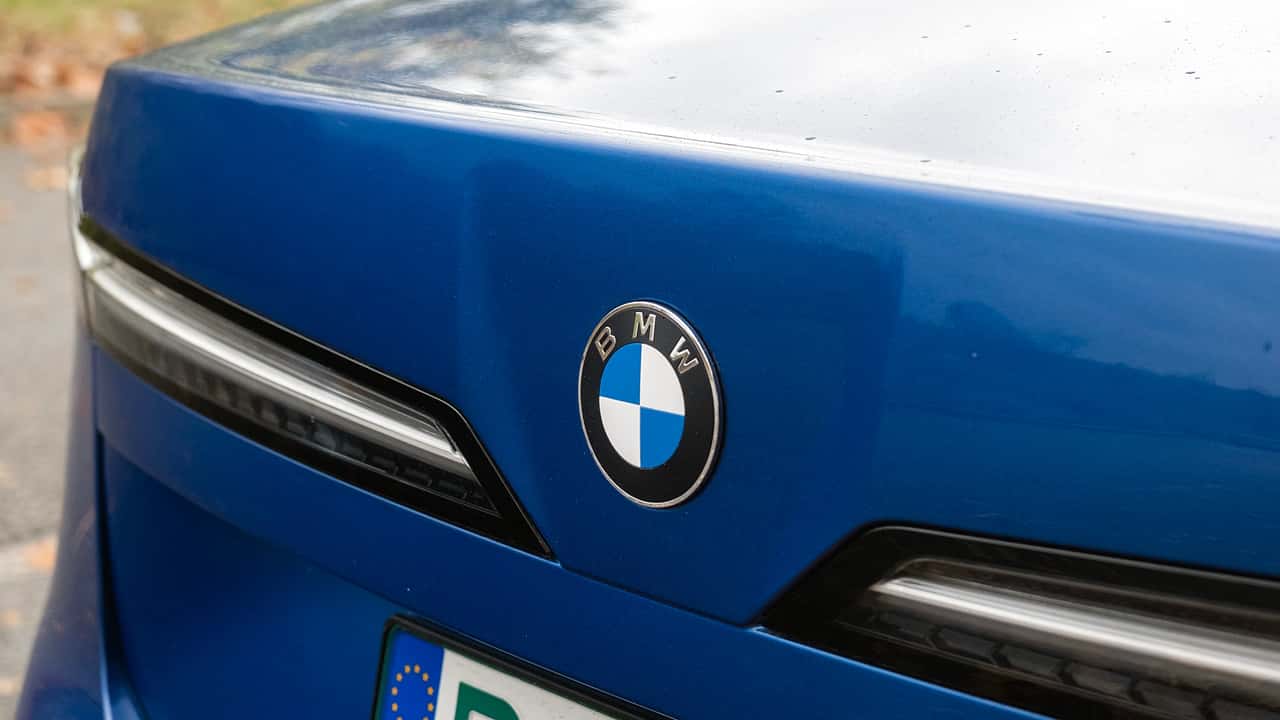

- BMW will add cheaper LFP batteries to selected EVs, potentially lowering prices.
- Its compact Neue Klasse EV, due in 2028, looks like a likely candidate, though unconfirmed.
- BMW is expanding battery sourcing in Europe and the U.S., but local production doesn’t guarantee lower costs.
Between the 435-mile iX3 and 468-mile i3, BMW’s newest EVs make a strong case for spending a bit more to get incredible range. Now the company is looking at accommodating buyers who don’t need that much range and would rather keep some extra money in their pockets.
Speaking during BMW’s third-quarter earnings call, CEO Milan Nedeljkovic confirmed that the company will expand its use of lithium iron phosphate (LFP) batteries for Neue Klasse EVs, potentially opening the door to more affordable electric BMWs. BMW considers the cylindrical nickel-manganese-cobalt cells that are in most Neue Klasse cars as superior for the range they deliver, he said, but he acknowledged that LFP offers a different balance of cost and range.
“We will add the LFP technology in our vehicles, but we will be very specific in which vehicle and for which purpose,” Nedeljkovic said without naming the next models getting it or specifying a launch date outside China. Nor did he promise that lower battery costs would translate directly into lower sticker prices.

China already offers a preview of the strategy. The entry-level, long-wheelbase iX3 30L uses a 77-kilowatt-hour LFP battery, while the more expensive 40L and 50L have NMC packs. The 30L has a claimed CLTC range of 630 kilometers (391 miles), although the Chinese test cycle is more optimistic than WLTP and EPA.
LFP's cost advantage starts with what goes into it. The cathode it uses is relatively inexpensive iron and phosphate instead of the nickel and cobalt found in NMC cells. It’s also known to generally offer high longevity, thermal stability, and less degradation from frequent fast charging to 100%. The catch is lower energy density, which makes NMC more attractive, especially for longer-range applications.
BMW could introduce LFP versions of existing models, following the Chinese iX3’s example. Its forthcoming smaller Neue Klasse EV also looks like a strong candidate for LFP. BMW has confirmed a compact Euro-focused electric model is coming in 2028, bringing its new technology into a more affordable segment.

Choosing cheaper batteries would make particular sense for an application targeting more budget-conscious buyers.
Mercedes already demonstrates how this can work within one lineup. The electric CLA—likely a direct rival to BMW’s upcoming cheaper Neue Klasse EV—has a larger 85-kWh battery option with NMC chemistry, plus an entry-level variant that gets a 58-kWh LFP pack. Buyers can choose between a lower entry price and the extra range offered by the bigger battery, without switching to an entirely different car.
Meanwhile, BMW is expanding where its battery cells come from. It announced a deal with Samsung SDI to supply Gen6 cells from Europe and LG Energy Solution from the U.S., starting toward the end of the decade. Samsung joins CATL and EVE Energy in BMW’s European cell supply network, although none of these agreements identify the cells they will supply as LFP.
BMW’s cheaper chemistry could help contain costs, but the badge will still fetch a premium, so it will likely still be more expensive than similar offerings from mainstream brands.
RECOMMENDED FOR YOU
Over A Quarter Of BMW, Mini, And Rolls-Royce Models Sold In Q3 Had A Plug
Ford's Radical New EV Manufacturing Process Is Already Building Trucks
BMW Is Giving New EV Buyers $500 In Free Charging
Mercedes' Answer To Tesla FSD Requires Hands On The Wheel. Does That Make It Better Or Worse?
Gas Vs. Electric: Which BMW Goes Further Without Stopping For Fuel?
This New EV Motor Spins To 30,000 RPM. It’s Designed For Normal Cars
BMW's Tesla FSD Rival Hits City Streets In 2027