
This Startup Wants To Turn Teslas Into Anything, From 11-Seat Minibuses To Pickups
The Hoffman Badger made its debut at this year’s SEMA show, driving all the way from Wisconsin to Las Vegas.
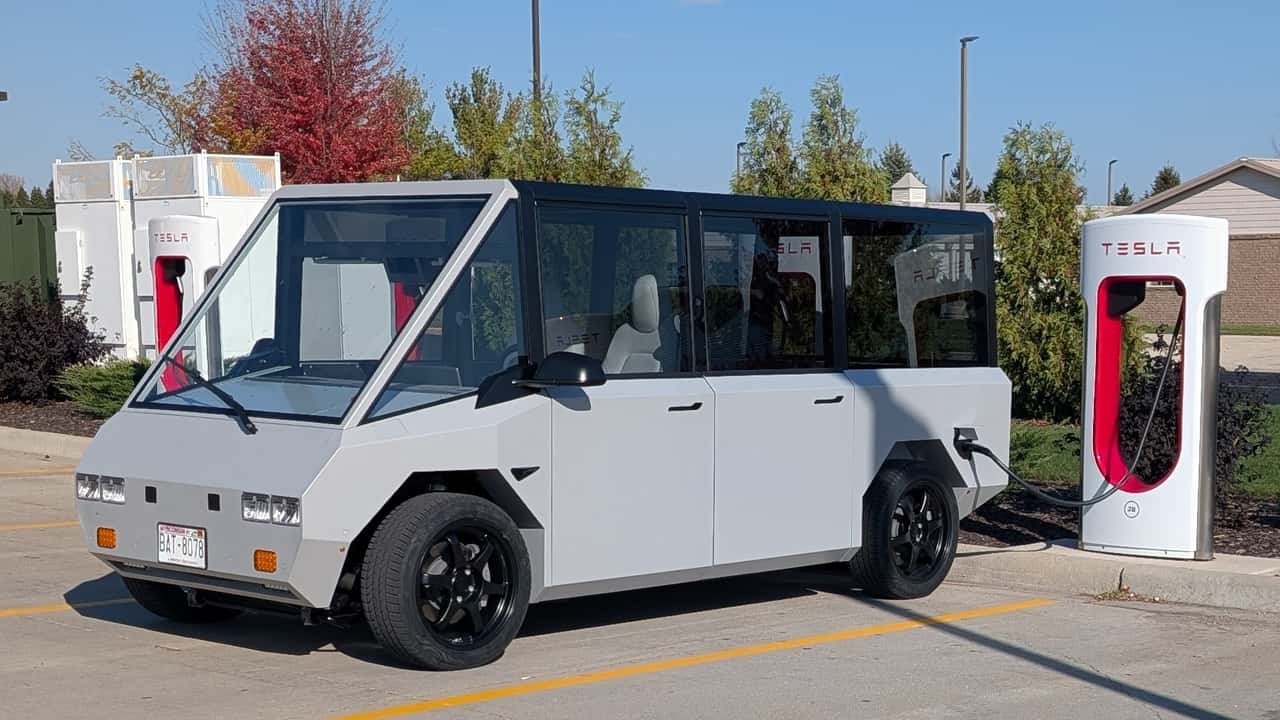

- A Wisconsin startup wants to turn old or wrecked Tesla EVs into pretty much anything.
- The Hoffman Badger made its debut at the SEMA show in Las Vegas as a minibus.
- Sales are expected to start next year, with prices slotting between the Slate Truck and Tesla Cybertruck.
The slightly dorky vehicle you see here can use Tesla’s Superchargers and so-called Full-Self Driving (Supervised) driver assistance system. And no, your eyes are not deceiving you—this is not a Tesla. At least, not at first glance.
It’s called the Hoffman Badger, and it’s the creation of a small Wisconsin startup that wants to turn old Tesla EVs into pretty much any type of vehicle. The first Badger made its debut at this year’s SEMA show in Las Vegas, driving on its own wheels all the way from its home base and using Superchargers along the way, just like any Tesla would.

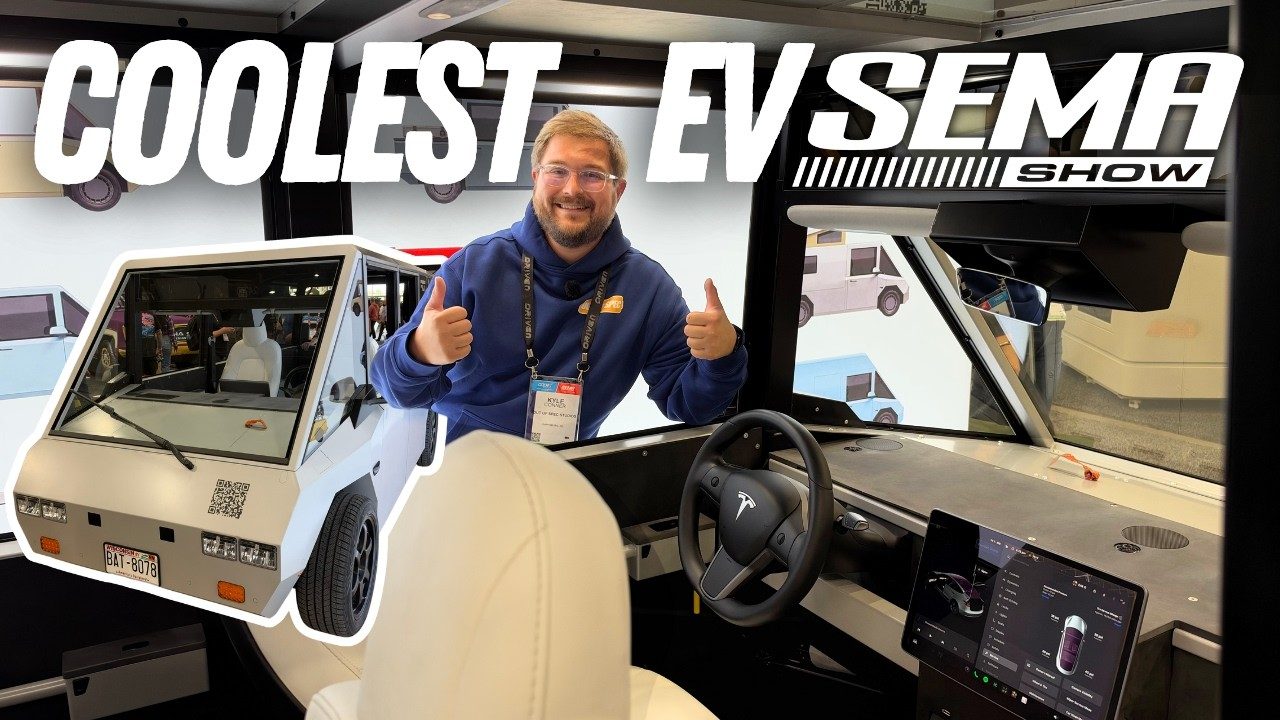
Hoffman says it uses all of the hardware and software from the donor vehicle, which can be either the Model 3 or Model Y. The seats, dashboard, steering wheel, motors, and even the door handles are lifted from Tesla. Then, they’re installed in a new chassis that puts the high-voltage battery pack one and a half inches higher than in the original vehicles. This, along with the eight-inch ground clearance, improves the boxy EV’s breakover angle, making it better suited for rough roads.
The startup says it can build around 100 units per year, but exact details haven’t been ironed out yet. In an Out of Spec Review video, Geoffrey Hoffman, the company’s founder, said that he doesn’t have a precise plan for the short term, but that attending SEMA will help in identifying what people actually want.
Hoffman expects the pricing to be somewhere between the Slate Truck and the Tesla Cybertruck, so from $26,400 all the way up to $77,000, if the base dual-motor Cybertruck is the upper target.
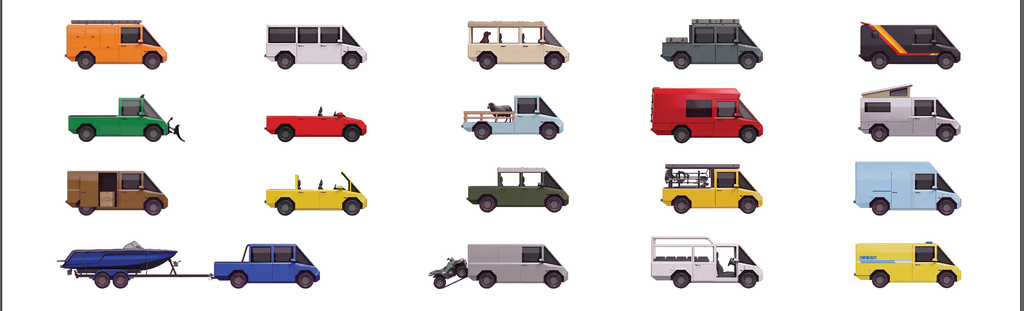
The doors, the roof, and most of the seats are removable, and the vehicle is titled as an 11-seat bus. All of the structure and body parts are powder-coated aluminum, while the exposed fasteners are stainless steel or steel coated with 1,000-hour salt spray resistance. Inside, the fasteners are stainless or zinc-plated steel. All of the new materials are recycled, except for a few small 3D-printed parts.
If and when sales eventually kick off, the Badger will be available as a ready-made vehicle with whatever top hat the customer wants, or as a kit with a VIN. In the latter case, the customer will have to source a donor Tesla Model 3 or Model Y.
There’s no estimated range, but seeing how it’s shaped like a brick, it will most likely be less than the donor car’s original figure. That said, Hoffman said that its boxy EV may deliver more range around town compared to the Model 3 or Model Y, simply because the Badger is lighter. In the first quarter of 2027, the aerodynamics will be improved, according to the startup.
Hoffman’s main business is converting old British cars to electric. Its portfolio includes the DeLorean DMC-12, the classic Volkswagen Beetle, classic Land Rovers, and vintage Rolls-Royce and Bentley models.
More Stories Like This

RECOMMENDED FOR YOU

Tesla Sold FSD To Koreans Who Still Can't Use It. Now It's Facing A Complaint
The 2027 Chevy Silverado EV Gets A Power Bump And A NACS Port
Used EVs Are Selling Like Hotcakes. The Fastest Movers May Surprise You
Waymo And Uber's Robotaxi Partnership Is Ending
Tesla Warned Owners Not To Test Emergency Drive Away. Some Did Anyway.
Uber Wants Thousands Of Robotaxis By 2027. Waymo Is Already There
One Year Without EV Tax Credits: 4 Key Takeaways