Home
News
News
The Fix For Plug-In Hybrids That Don't Get Plugged In? Smaller Gas Tanks, New Report Argues
Less gas, more electric range and faster charging could help plug-in hybrids deliver on their fuel-saving promise.
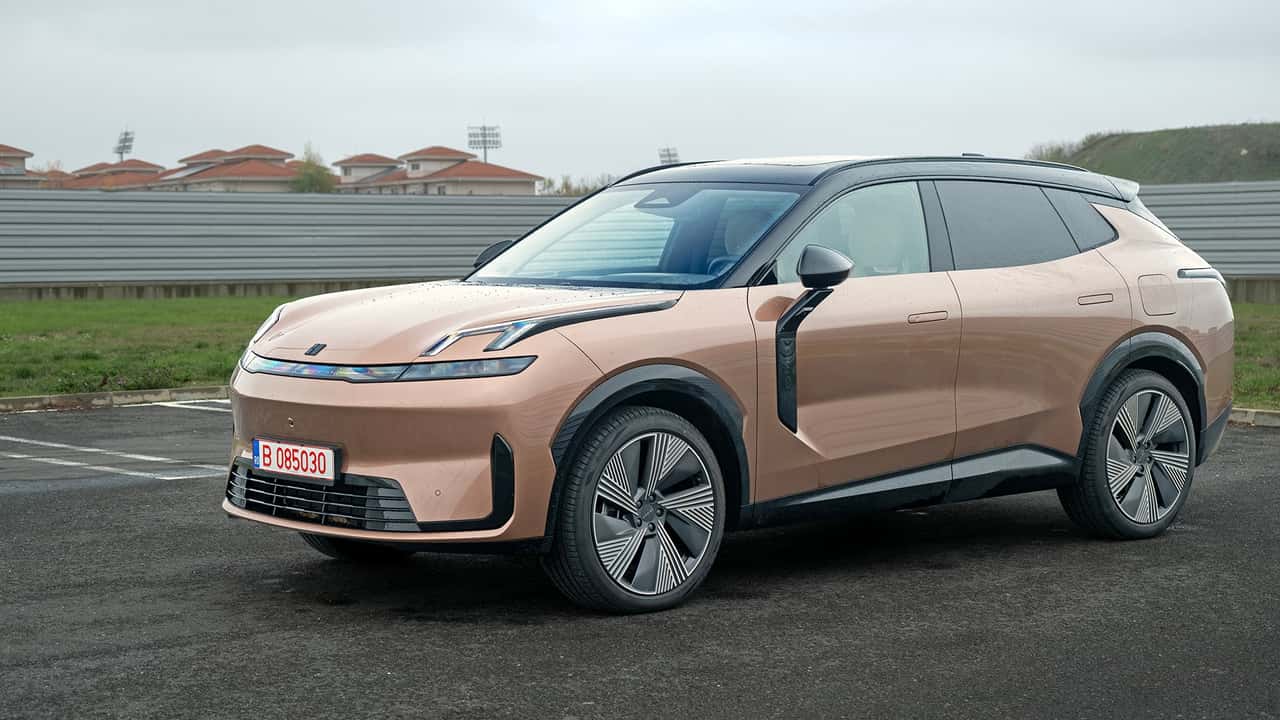
Photo by: Andrei Nedelea
Andrei Nedelea 
By: Andrei Nedelea
Oct 18, at 10:00am ET
Add InsideEVs as a preferred source in Google
- (https://twitter.com/intent/tweet?url=https%3A%2F%2Finsideevs.com%2Fnews%2F812076%2Fphevs-with-smaller-tanks-proposed%2F%3Fsource%3Dnewscura&text=The%20Fix%20For%20Plug-In%20Hybrids%20That%20Don%27t%20Get%20Plugged%20In%3F%20Smaller%20Gas%20Tanks%2C%20New%20Report%20Argues&via=InsideEVs)
- copy
Share
Comment
- T&E proposes smaller gas tanks, longer electric range, and faster charging to encourage PHEV owners to plug in.
- European PHEVs registered in 2024 emitted nearly six times their official CO₂ figures, according to T&E.
- More powerful electric motors let PHEVs accelerate and climb hills without needing the gas engine.
A plug-in hybrid promises electric-only driving during the week and gasoline-powered long-distance freedom on weekends. But because they can run on gas, drivers often don’t bother plugging them in, which can reduce or completely erase their emissions-cutting and fuel-saving benefits. One proposed solution is to give drivers less room for gas.
European clean transport advocacy organization Transport & Environment (T&E) wants policymakers to incentivize PHEVs with fuel tanks capped at 15 liters (around four U.S. gallons). Its latest report argues that smaller tanks would encourage owners to charge more and drive more on electric power.
T&E recommends at least 200 km (124 miles) of real-world electric range by 2030, DC charging power above 100 kilowatts, and electric motors with at least three times the combustion engine’s power. The report argues that fulfilling these criteria should make electricity the main attraction and gasoline a true backup option.

Photo by: Andrei Nedelea
Such vehicles already exist, and I’ve driven one. The Lynk & Co 08 has a 39.6-kWh battery and a claimed WLTP electric range of 124 miles (200 kilometers), and it mostly behaved like an EV during my time behind the wheel, even though its gasoline engine can also power the wheels directly. It showed me how well a PHEV works when electric driving comes first.
The idea is similar to the extended-range EVs heading to the U.S., but with a smaller gas tank to give owners another reason to charge. The latest data helps explain why T&E wants this change.
Its analysis of European Environment Agency data found that PHEVs registered in 2024 emitted nearly six times their official CO₂ figures, up from five times for 2023 models. Their real-world emissions were only 14% lower than those of combustion cars and conventional hybrids, despite official figures suggesting an 83% reduction.

Stay informed with our newsletter every weekday
back
Subscribe For more info, read our Privacy Policy & Terms of Use.
Pure-electric driving accounted for only 27% of distance. Engines ran during 32% of charge-depleting kilometers (when the battery supplies some or all propulsion). T&E found that PHEVs with stronger electric motors relative to their combustion engines tended to have lower real-world emissions.
More electric range helps, but the motor also needs enough power to move the car without regularly calling on the engine for assistance. I noticed this when driving the Lynk & Co 08. Even though its big battery lets you do most driving in electric mode, at sustained highway speeds, if you put your foot down to access all the performance, the car can only provide it by starting the engine.
But if the electric motors provided most of the usable power anyway, the engine would wake up much less often, even under spirited driving conditions.
PHEV Batteries Take A Beating If Used Right. But They Still Last
Zero Battery Degradation: My Volvo PHEV Is Still Going Strong After 42,000 Miles
This Simple Trick Boosted My Plug-In Hybrid's Fuel Economy To 50 MPG
Europe's Most Popular Plug-In Hybrid Last Year Was This BYD
T&E also found that powering PHEVs predominantly with fuel increases their annual running costs. Using the 2026 fuel price assumptions it provided, T&E estimates annual powering costs of €1,810 for a 2024 PHEV, versus €1,130 suggested by official consumption figures: a €680 gap.
T&E says the European Union’s stricter emissions calculations are encouraging automakers to increase their PHEVs’ electric range. It points to the Volkswagen Tiguan eHybrid, the newer generation launched in 2024, which offers 119 kilometers (74 miles) versus 55 km (34 miles) for its predecessor. That extra range helped keep its official emissions figure nearly unchanged despite the tougher calculation.
What do you think?
View
Comments
German carmakers want to freeze the next round of corrections. It warns that doing so would understate real-world emissions by 56%. Incentives also remain spotty across the continent, so companies bought 71% of the EU’s PHEVs in early 2026, although 24 member states do offer some preferential tax treatment or incentive programs.
A four-gallon tank would certainly get owners’ attention and make them think more about electric driving. Whether it would make these vehicles less attractive is another topic. The idea makes sense if the car can handle most journeys on electricity, leaving gasoline for when you really need it. Otherwise, a smaller tank may just mean you’ll become more familiar with your local fuel station and visit it more often.
We want your opinion!
What would you like to see on Insideevs.com?
Take our 3 minute survey.
- The InsideEVs team
Share this Story
- (https://twitter.com/intent/tweet?url=https%3A%2F%2Finsideevs.com%2Fnews%2F812076%2Fphevs-with-smaller-tanks-proposed%2F%3Fsource%3Dnewscura&text=The%20Fix%20For%20Plug-In%20Hybrids%20That%20Don%27t%20Get%20Plugged%20In%3F%20Smaller%20Gas%20Tanks%2C%20New%20Report%20Argues&via=InsideEVs)
- copy
GO TO COMMENTS
(
)
Got a tip for us? Email: tips@insideevs.com
View all comments ( )
Trending
Kia EV3 Lease Deals Are Here, And It’s Cheaper Than The Chevy Bolt And Nissan Leaf
I Let Android Auto Plan My EV Roadtrip. Here’s How It Worked
This Chevy Bolt Has 470,000 Miles. Here’s How Much A New Battery Was
Here's What It's Like To Take Delivery Of A Rivian R2
latest articles
- The Best Affordable Electric Cars In 2026: Cheap, Reliable Options For Everyone Oct 21 - Buying Advice -
- Electrify America’s Largest EV Charging Station Is Missing One Big Thing Oct 21 - Charging -
- Can The BMW iX3 Take Down The Tesla Model Y L And Rivian R2? Oct 20 - News -
- Waymo Plans To Have 20,000 Cars By The End Of 2027 Oct 20 - News -
- The Boring Company Uses Tesla Model 3 Sleds To Shuttle Shipping Containers Through Its Tunnels Oct 20 - News -
- How Much Range Do EVs Lose When Parked? (And How to Stop It) Oct 20 - EV 101 -
- This Chinese EV Is Now Made In Europe. More Are Coming Oct 20 - News -
RECOMMENDED FOR YOU
Can The BMW iX3 Take Down The Tesla Model Y L And Rivian R2?
The Best Affordable Electric Cars In 2026: Cheap, Reliable Options For Everyone
Waymo Plans To Have 20,000 Cars By The End Of 2027
Electrify America’s Largest EV Charging Station Is Missing One Big Thing
The Boring Company Uses Tesla Model 3 Sleds To Shuttle Shipping Containers Through Its Tunnels
How Much Range Do EVs Lose When Parked? (And How to Stop It)
This Chinese EV Is Now Made In Europe. More Are Coming