
Polestar’s Next EVs Will Borrow From This Gorgeous New Concept
The Formula 2030 previews design details headed for the next Polestar 2 and 7 and brings customizable physical controls.
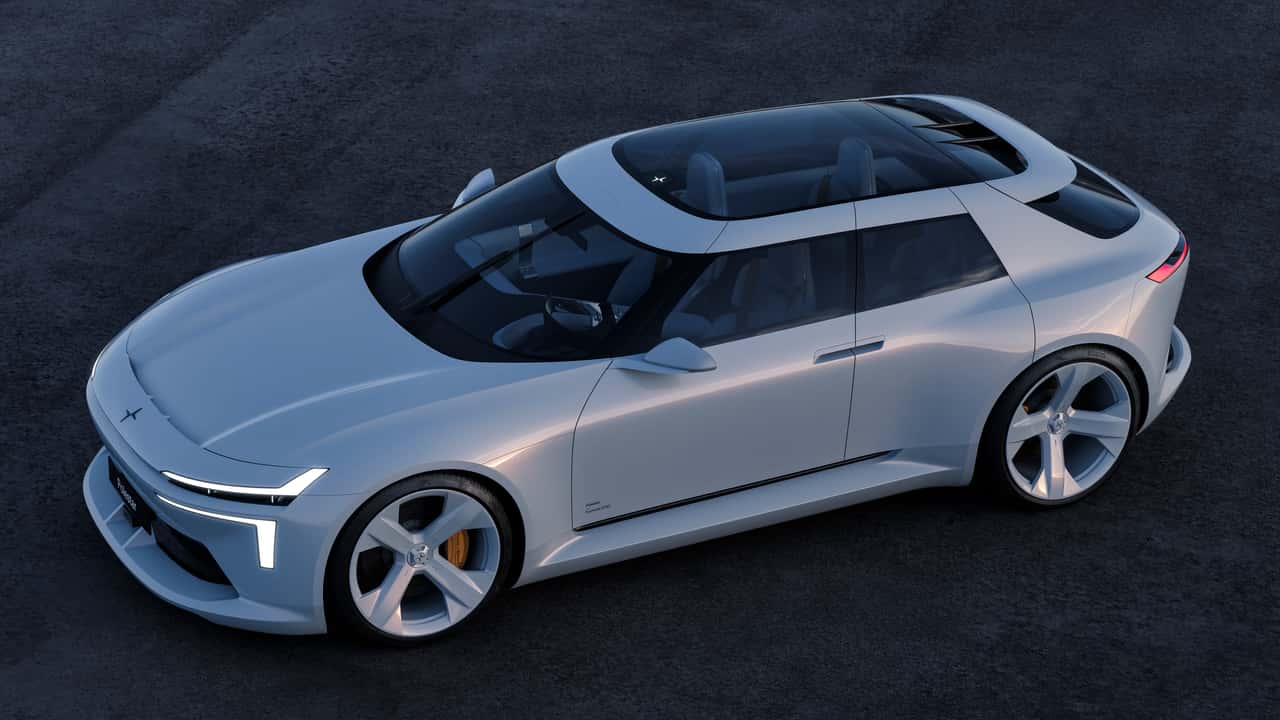

- The Formula 2030 previews design details for the next Polestar 2 and Polestar 7.
- Its cabin features customizable physical controls and a driving position that changes with drive modes.
- Polestar needs its upcoming models to boost sluggish global growth as it winds down U.S. sales.
Polestar has unveiled a concept that makes you wish it would quietly slip into production tomorrow. The Formula 2030 is low, wide, and muscular, with four doors and enough suggested practicality to help you justify the rather large wheels.
Unfortunately, Polestar has no plans to produce the Formula 2030, but some of what you’re looking at is headed for cars you can actually buy. So this is the first Polestar penned under the brand’s new design boss, Philipp Römers, who took the role in August.
The study measures 184.3 inches (4,680 millimeters) in length and stands just 53.1 inches (1,350 mm) tall, making it lower than the Polestar 5. For reference, that’s about as low as Audi’s last TT sports car, but the concept’s aggressively bulging rear haunches and low stance make it look a lot meaner and sportier.
Gallery: Polestar Formula 2030 concept


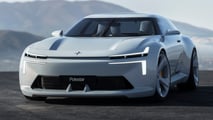


It features plenty of cool, subtle details you may not notice at first. The headlights, for instance, sit within a front aerodynamic wing, while a single upright windshield wiper screams motorsport. Polestar has ditched the familiar full-width rear lightbar for separate “Single Blade” lights. The 22-inch wheels, splitter, and diffuser sport variations of the same "Nitrogen" exterior color.
Inside, four individual seats have inflatable cushions and bolsters that adjust around their occupants. Rear-hinged rear doors swing open for pillarless access, while exposed structural components and flax-based composite seat backs really highlight the use of this sustainable material.
The coolest thing about the interior, though, is the fact that the cockpit also physically changes depending on the driving mode. Switch to Performance, and the 12.2-inch center screen lowers into the console while the steering wheel and its attached 20-inch driver display move closer. Choosing Autonomous mode moves the seat and wheel apart.

It features eight physical controls beneath the center screen. You can customize their functions and choose different hardware, including rocker switches or rotary controllers. After years of watching buttons disappear and get replaced by touchscreens, we’re happy to see real controls making a comeback.
Polestar doesn’t say how quick this concept is or how far it can go on one charge—this is purely a design showcase. However, a lot of what you’re seeing here will likely make its way into the upcoming Polestar 2 and its crossover cousin, the Polestar 7. The new 2 is scheduled for 2027 to replace a car that recently ended production after roughly 200,000 sales.
The Polestar 7 will follow a year later, with production planned at Volvo’s Košice plant in Slovakia, using Volvo technology, including cell-to-body battery construction and next-generation electric motors. Shared hardware should help contain costs, while Polestar promises its own driving character with more emphasis on sportiness and driving fun.
More Polestar Stories
Those launches come as Polestar recorded little global growth. It reported 44,790 annual sales through September 2026, up just 0.6% over the same period of 2025. Its record third quarter brought 14,371 sales, but deliveries outside America fell 8%. American inventory sales helped keep the worldwide total positive.
But American sales won’t prop up the brand’s global total soon. Polestar cannot sell model year 2027 and newer vehicles in the United States under the Connected Vehicle Rule, although it can continue selling existing earlier-model inventory and supporting owners.
Europe is therefore now the priority, making the next 2 and European-built 7 especially important. The concept gives those cars an appealing visual direction, but their pricing, capabilities, and execution will determine whether that translates into stronger sales.
RECOMMENDED FOR YOU
Polestar 2 Production Is Officially Over. A Successor Is Coming In 2027
PlugShare Gets A Major Redesign, Adds Dark Mode And iPhone Duo Support
The New Citroen 2CV Van Is The Perfect Match For Trendy Baristas
Honda Is Betting $3 Billion On Hybrids As It Pulls Back From EVs
Peugeot Revives The RCZ As A Sexy Solid-State Sports Car
Land Rover Is Going After BYD Over This Alleged Defender Lookalike: Report
The Fiat Multipla Is Back—And It’s A Pickup, A Minivan, And An SUV