
Volkswagen's EVs Are Selling Like Crazy. That's Actually Hurting Its Profits
You'd think selling more EVs would help, but low profit margins mean that it actually can hurt.
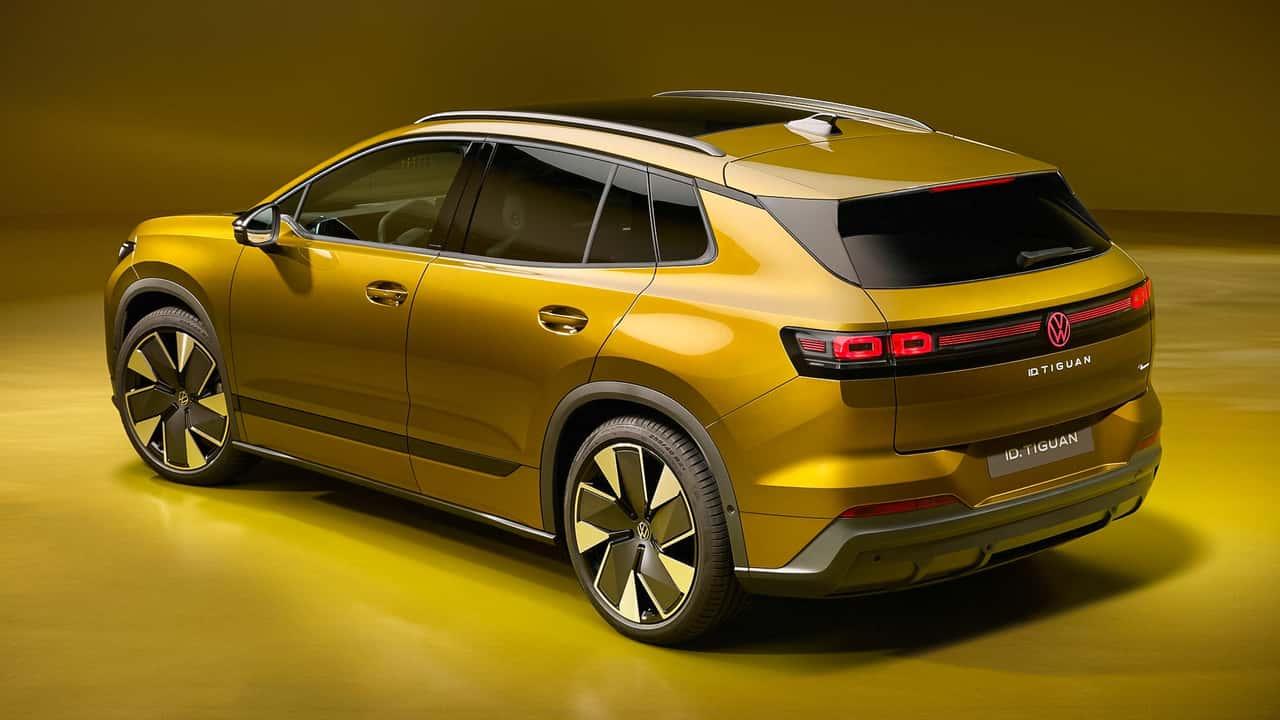

Volkswagen is in a weird spot at the moment. It's heavily investing in EVs, it has a new family of them making its way to market, and customers are buying them in large numbers. But the company's profits are hurting. So what gives?
The cold, hard reality is that its EVs just aren't very profitable. So even with massively improved EV sales—the company sold 209,100 of them globally last quarter, up 19.6% year-over-year—that doesn't help VW much. The company was blunt about that this week.
"The market success of our electric vehicles is putting additional pressure on our earnings, as we currently earn less from electric vehicles than from combustion-engine vehicles," said Arno Antlitz, VW Group's CFO and COO. "After nine months, our operating return on sales before special items stands at 3.8 percent. That is too low to continue investing strongly in our future."

This is the unfortunate truth of the EV market. The promise always was—and remains—that EVs are simpler machines and should be cheaper to manufacture than internal-combustion vehicles. But they're also expensive to develop and make at the moment. Obviously, those costs will go down as batteries get cheaper and as production scales up, and Tesla and some Chinese automakers prove that you can indeed make money selling EVs. But for now, VW and other legacy car companies are struggling to make the economics work. If VW wants to keep up with a growing global EV market, it needs to keep its foot to the floor.
The VW Group reported $6.6 billion in operating losses in the third quarter, its biggest loss since the Dieselgate scandal in 2015. Of course, slim EV profit margins aren't entirely to blame for Volkswagen's woes. (And it's notable that the disclosure about poor EV margins comes at a time when VW is pushing for looser CO2 regulations in the EU.) A rapidly shrinking Chinese market is probably its biggest issue, with massive U.S. tariffs coming in at a close second. It also had to write down its stake in Porsche, and it took close to $9 billion in one-off charges.
It's the perfect storm of financial losses that VW is going to have to weather if it wants to survive long-term and Antlitz knows it. "We cannot afford to lose any time and must act quickly and decisively," he said.
Check Out These Related Stories
RECOMMENDED FOR YOU
VW's First Car Made With Xpeng Isn't Popular. Here's Why It Matters
Driving The Cheapest Lucid Air For 40,000 Miles Came With A Few Surprises
VW Will Automatically Limit Some ID.4 Batteries To 80% Charge This Week Unless Owners Opt Out
Tesla FSD Is Hitting Europe. It's Not Perfect
The Next VW ID. Buzz Could Get More Tech And A Lower Price Tag
The 2027 Kia EV9 Gets Some Standard Features That Used To Be Optional
Volkswagen’s U.S. EV Sales Tumble 90%