
Toyota’s New Hybrids And Plug-In Hybrids Will Be 15% More Efficient
An all-new engine was developed specifically for electrified powertrains, promising higher efficiency than its predecessors.
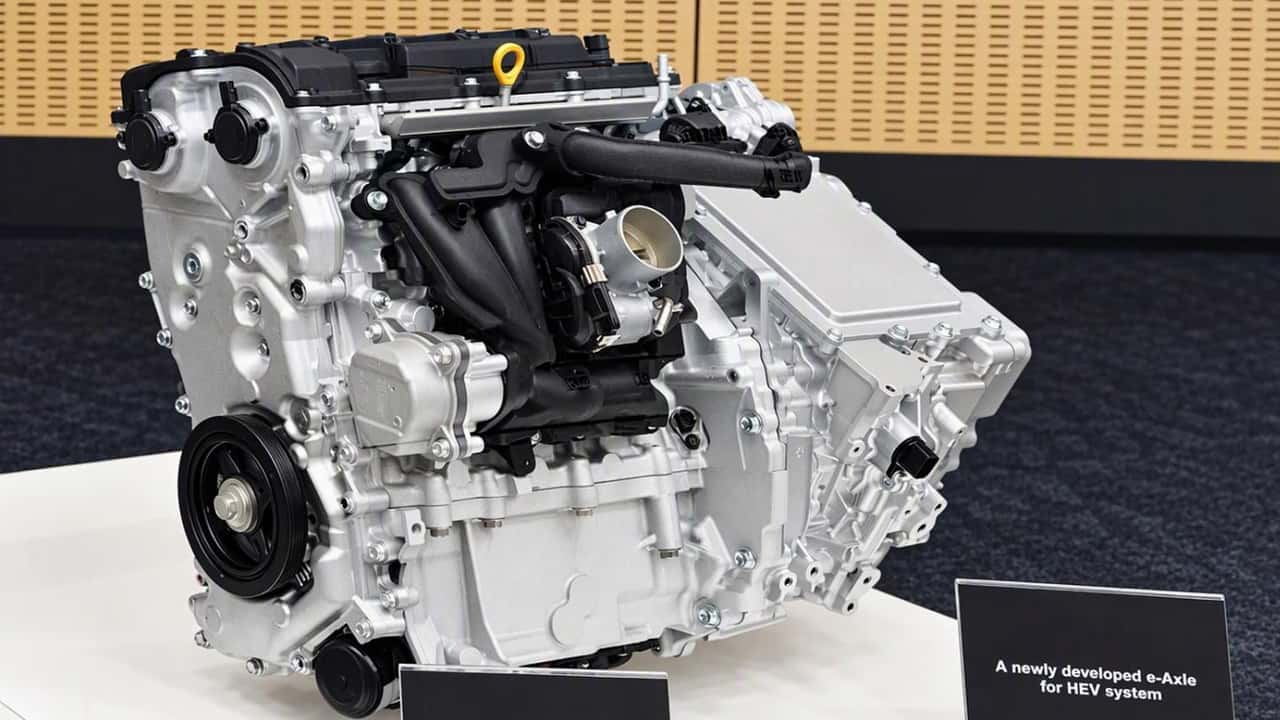

- Toyota has developed an all-new gas engine specifically for hybrids and plug-in hybrids.
- The 1.5-liter lump is significantly smaller than its predecessor and promises better fuel efficiency.
- Thanks to its small size, it can be integrated into a new "multi-pathway" platform designed for EVs first.
Toyota’s hybrids are known around the world for their reliability and good fuel efficiency. But Toyota, being Toyota, won’t rest on its laurels, waiting for the current generation of hybrids to become obsolete.
To stay ahead of the pack, the Japanese automotive giant has developed an entirely new, modular four-cylinder gas engine that will be used in the next generation of hybrids and plug-in hybrids. Available in either normally aspirated or turbocharged flavour, the 1.5-liter lump is “significantly smaller” than the current 1.8-liter and 1.5-liter engines.
Instead of adapting an existing unit, Toyota engineers rolled up their sleeves and developed the new engine, hybrid system, and power electronics together as a single integrated powertrain. Developed from the ground up specifically for electrified applications, the new 1.5-liter engines promise a fuel economy improvement of over 15%, thanks to lower mechanical friction, improved thermal management, and reduced electrical losses. On top of it all, Toyota’s new hybrids and PHEVs are expected to have lower aerodynamic drag compared to the current lineup, which also helps lower fuel consumption.

Toyota's new multi-pathway platform allows multiple powertrains
Lighter, more compact electric motors and power control units, including silicon carbide (SiC) power electronics developed by Toyota, are also intended to reduce losses across the whole system.
The automaker said it made the new engine smaller so that it can be easily integrated into a new "multi-pathway" platform that is being designed for electric vehicles first. That’s the exact opposite of what usually happens in the car industry, where manufacturers adapt gas platforms for EVs, but Toyota claims it will help it make more money without compromising the performance of any powertrain variant.
Hybrid and plug-in hybrid powertrains can be integrated into the same basic architecture without affecting the vehicle’s shape, interior space, or capabilities, the automaker said. The lower profile of the hybrid package also allows for a lower hood height and sportier proportions, giving designers more flexibility.
In recent years, Toyota has been labeled a laggard in its EV ambitions, but now that the huge policy shifts in the United States have slammed the brakes on the EV adoption rate, the Japanese automaker seems to be the one that’s having the last laugh. Sales of hybrid vehicles are booming in the U.S., and Toyota is reaping the benefits of its “multi-pathway” approach, even if it means repurposing EV platforms for hybrids and PHEVs.
More Toyota Stories

RECOMMENDED FOR YOU
Toyota’s New Hydrogen Bus Has 50% More Range
The EU Just Hit A Historic Milestone: EVs Outsold Gas And Diesel Cars Combined
Over 60% Of Toyotas Sold In Q3 Were Electrified
South Korean Police Are Cracking Down On Tesla Owners Jailbreaking FSD
This New Bio-Inspired Membrane Could Make Lithium Extraction Much Cleaner
Do Those Funky Tesla Wheel Covers Actually Boost Range?
‘Unburdensome’: The Slate Truck Is Easier Than A Tesla To Live With, James May Says