
BMW’s EV Sales Are Growing Again. Europe Is Doing The Heavy Lifting
A strong third quarter in Europe lifted BMW’s global electric deliveries, but plug-in hybrids lost ground.

- BMW Group’s Q3 EV deliveries rose 7.2%, while plug-in hybrid deliveries fell approximately 16.2%.
- Europe accounted for nearly three-quarters of EV deliveries, offsetting a sharp decline elsewhere.
- The iX3 has surpassed 100,000 European orders, with more electric models coming to broaden BMW’s lineup.
BMW’s electric car sales are rising, but it depends on where you look. Europeans are doing most of the buying, enough to offset a sharp decline in markets like China and the U.S.
The BMW Group delivered 110,257 fully electric vehicles in the third quarter, up 7.2% from a year earlier. Plug-in hybrids went the other way: subtracting EVs from its combined plug-in total gives 40,538 PHEV deliveries, down approximately 16.2%. Together, the two accounted for 150,795 deliveries, down 0.3%. These figures include Mini and Rolls-Royce, rather than just BMW-branded vehicles.
Still, that’s a much better EV sales result than BMW managed at the start of the year. Its first-quarter financial report recorded 87,488 BEV deliveries, down 20.1% over Q1 2025. The second quarter number recovered to 116,807 units, up 5.2% year over year. Q3 therefore extended that recovery, although total deliveries were lower than in Q2.

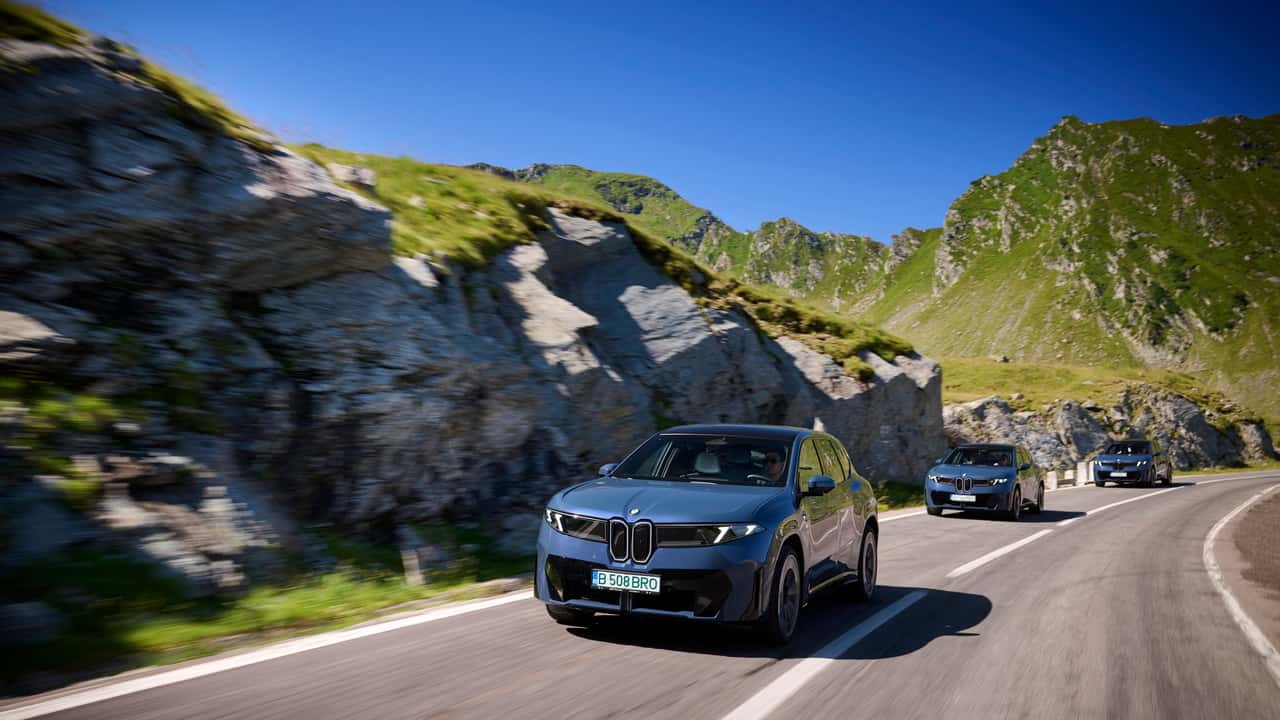
2026 BMW iX3 xDrive 50
There’s still ground to make up. Through September, BMW Group’s electric deliveries totaled 314,552, down 2.7% from the January-September 2025 total. Nevertheless, one in five new vehicles delivered during Q3 was fully electric, while the group’s overall quarterly sales fell 6.3%. Electric cars were somewhat of a bright spot in an otherwise shrinking business.
That’s mostly thanks to Europe. The group delivered 81,941 EVs there in Q3, up 37.5%, with fully electric models accounting for 34.7% of its regional deliveries. That followed similarly strong growth in Q2, up 38%.
However, remove Europe from the worldwide figures and Q3 EV deliveries fall to 28,316. Using BMW’s rounded growth rates, that’s about 34.5% below the same period last year. Europe now accounts for nearly three-quarters of the group’s electric deliveries.

The iX3’s sales performance in Europe offers some optimism. It debuted in March, and by July, BMW had built 50,000 examples. It now reports more than 100,000 European orders within a year, calling this its most successful model launch. Those are production and order numbers, though, not the iX3’s global delivery total.
More electric models will soon share the showroom floor. The iX3 still isn't on sale in many markets, including the U.S. And its sedan sibling, the new i3, should arrive at U.S. dealerships early next year, while BMW has also confirmed an i3 Touring wagon. The recently unveiled iX4 brings the iX3’s formula to a coupe-like crossover, with its American launch scheduled for March 2027.
The larger iX5 will reach the U.S. in the first quarter of 2027. Meanwhile, the refreshed i7 brings improved range and charging to BMW’s flagship sedan. It’s already reaching American customers.
But BMW is also preparing to reach further downmarket. It plans to launch an entry-level Neue Klasse EV in 2028. Positioned below the i3, it would offer buyers a more affordable entry point to the new electric lineup, though pricing remains unspecified. The iX3 has given BMW an encouraging start. The next test is whether a broader range of electric models can turn that European success into a recovery elsewhere.
RECOMMENDED FOR YOU
Gas Vs. Electric: Which BMW Goes Further Without Stopping For Fuel?
Tesla Sold FSD To Koreans Who Still Can't Use It. Now It's Facing A Complaint
BMW's Tesla FSD Rival Hits City Streets In 2027
Waymo And Uber's Robotaxi Partnership Is Ending
A YouTuber Turned An Old BMW i3 Into A Tiny Pickup Truck For $8,000
Uber Wants Thousands Of Robotaxis By 2027. Waymo Is Already There
The BMW iX3 Destroyed The Rivian R2 In A Highway Range Test