
Peugeot Revives The RCZ As A Sexy Solid-State Sports Car
Peugeot says the electric concept’s solid-state battery and 1,000-volt architecture enable a 10–80% charge in just 10 minutes.
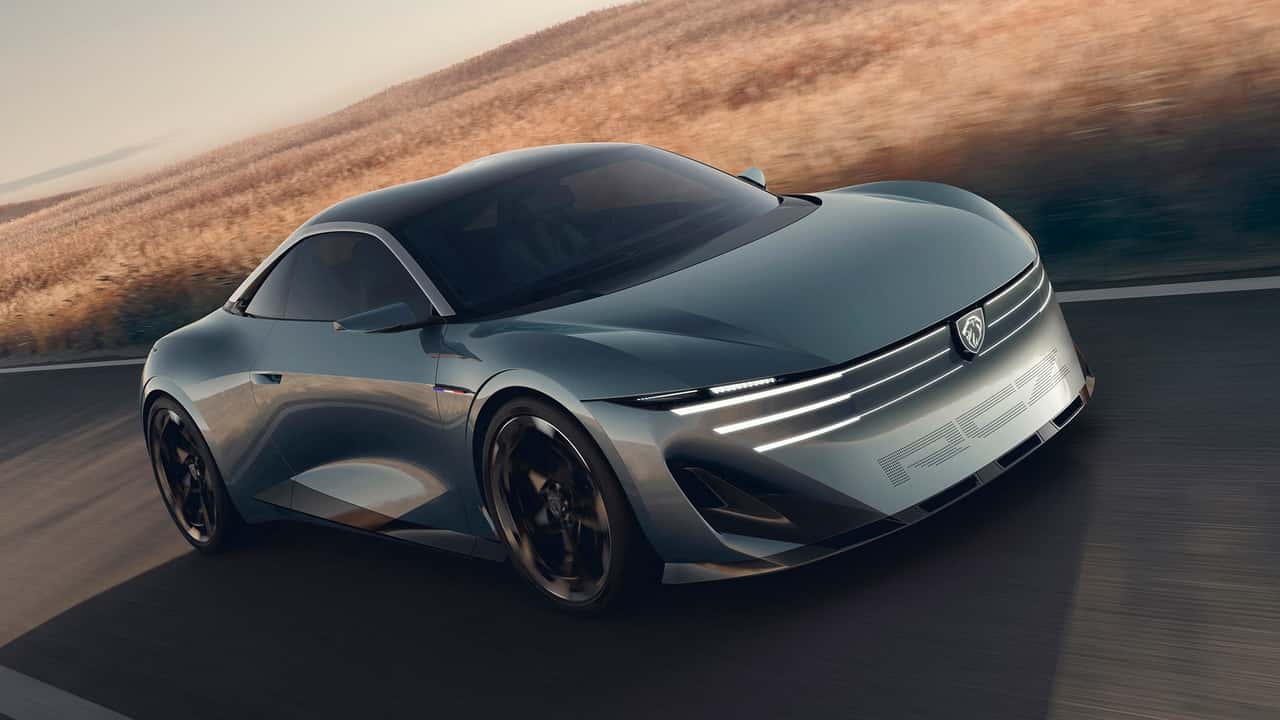

- Peugeot revives the RCZ as an electric concept with a solid-state battery and claimed 10-minute charging.
- Its low-slung coupe design previews a new styling direction for future Peugeot models.
- The bold Hypersquare steering controller is confirmed for the next E-208, but a production RCZ isn’t.
Peugeot has remembered that making people want an electric car can start with a car they enjoy looking at. The RCZ Vision revives its distinctive coupe as an electric concept, and it’s more than an old name attached to a pretty shape.
Peugeot sold the RCZ as a purpose-built coupe from 2009 to 2015. The rakish new concept runs on a new high-voltage architecture and a solid-state battery. It’s purely a concept, with no stated production intent, even though other manufacturers are making electric sports cars, but it previews Peugeot’s design direction and ambitions.

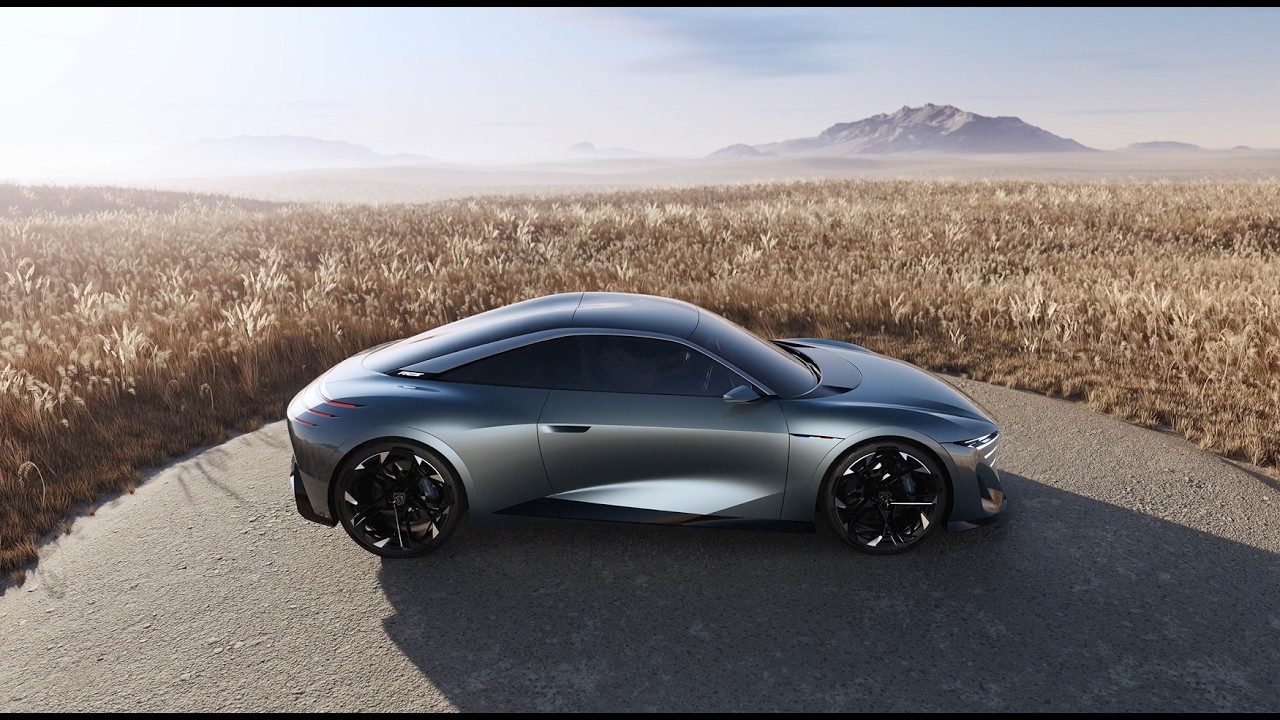
Underneath sits an architecture based on the Stellantis STLA One platform, with a Factorial-developed solid-state battery and a 1,000-volt electrical system. Peugeot claims 500 horsepower, up to 373 miles (600 kilometers) of range, and a 10–80% charge in 10 minutes. Its provisional WLTP consumption target is 11.5 kWh/100 km (around 5.4 miles per kWh), which would make it pretty frugal.
I’m a big fan of how the original RCZ looked, and the concept’s shape is instantly recognizable. It has the same low coupe with broad shoulders, sculpted sides, and a double-bubble glass canopy flowing toward the tail. The iconic roofline is what most clearly connects it to the original.

Horizontal “three-claw” lights introduce Peugeot’s new “Feline Future” design direction. It has an active rear spoiler that hides when parked, and features forged wheels measuring 21 inches up front and 22 inches behind. This staggered setup may suggest rear-wheel drive, but Peugeot hasn’t confirmed it.
The battery helps explain Peugeot's low silhouette: it’s just 110 millimeters thick, according to the manufacturer. A very thin battery in the floor is one way to keep an electric sports car low, but other automakers like Porsche and Alpine are keeping batteries out of the floor to achieve that low-slung look and seating position.
Gallery: Peugeot RCZ Vision Concept



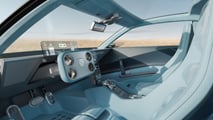

Inside, the first thing that grabs your attention is the so-called “Hypersquare” steering wheel, though calling it a “wheel” feels generous. It’s a rectangular steering… device that looks more like something you’d buy for a racing simulator or a sci-fi movie prop.
You won’t have to twirl your arms around to drive it, though. It features steer-by-wire, which removes the mechanical connection to the front wheels, so you don’t have to turn the wheel much to steer. Peugeot has already demonstrated that technology in its Polygon concept.
Peugeot confirms that the RCZ Vision uses the production Hypersquare helm destined for the next 208. The fully electric B-segment hatchback, expected next year, will bring this new cockpit direction to a much more accessible car. It should also offer an early indication of how Peugeot translates its concept styling into something you can actually buy—it will be the first model to feature the new family face.
RECOMMENDED FOR YOU
This Wild Electric Hot Hatch Concept Is Hiding Peugeot’s Next Small Car
Smart’s New City EV Is Already Off To A Great Start
The New Citroen 2CV Van Is The Perfect Match For Trendy Baristas
Hyundai Says Hydrogen Cars Aren’t Dead. Finding Customers Is Another Story
The Fiat Multipla Is Back—And It’s A Pickup, A Minivan, And An SUV
The Rivian R1T Is An Awkward Fit For Britain. This Reviewer Loved It Anyway
Renault’s E-Space Concept Brings Back The Minivan With A 1980s-Inspired Twist