
These Battery Cells Were Tested After 14 Years Of Hard Work. They're Good For Another Decade
CATL supplied the cells for the world’s first large-scale battery energy storage project. Fourteen years later, not one has been replaced.
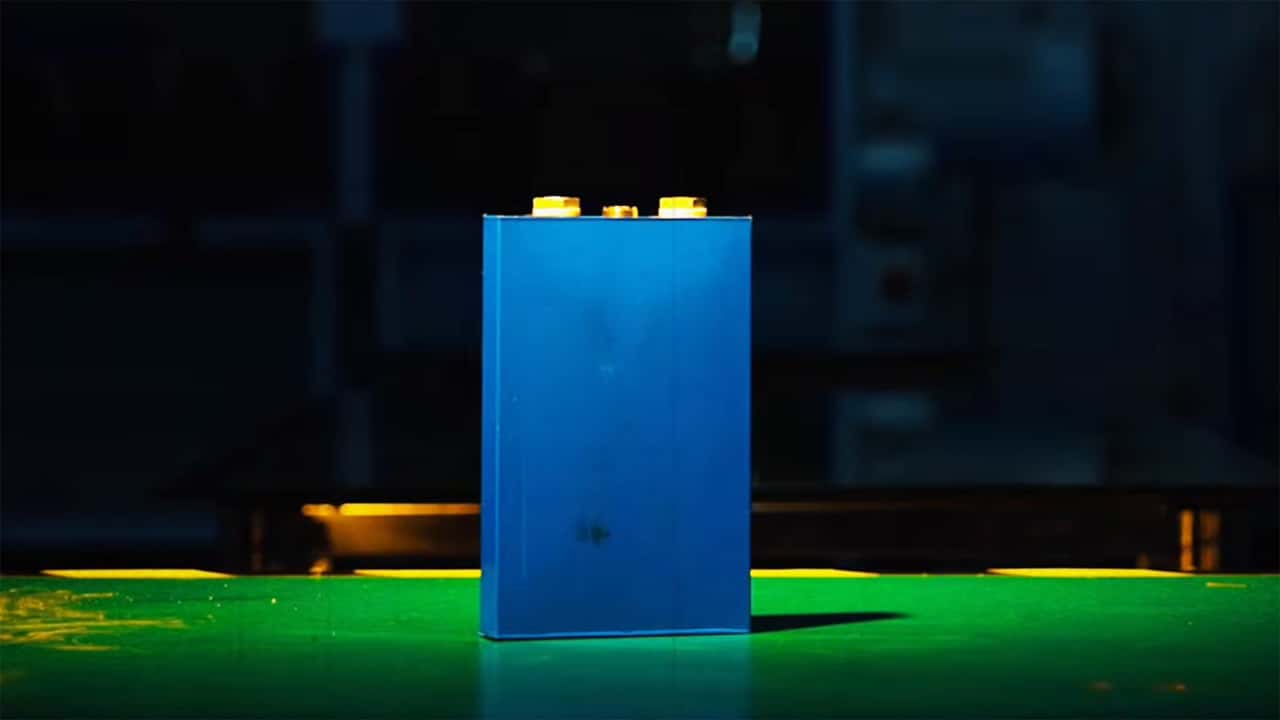

- China’s CATL knows a thing or two about making batteries, and the company’s expertise goes back decades.
- To prove a point, CATL tested several 14-year-old LFP cells to see how they held up to the test of time.
- The cells were part of the world’s first large-scale stationary energy storage system, constantly charging and discharging.
Everyone should know by now that modern high-voltage batteries like the ones found in electric cars and energy storage systems are incredibly robust. Several studies and reports have shown that the latest generation of lithium-ion cells can comfortably outlive the vehicles they power, with failure rates going as low as 0.3%.
Not to be outdone, China’s CATL, which happens to be the world’s largest manufacturer of EV and energy storage batteries, wants to show everybody that its lithium iron phosphate (LFP) cells can be even more dependable. That’s good to know because CATL’s LFP batteries can be found in countless EVs around the world.
The company pulled dozens of cells from the remains of the Zhangbei Project, which was the world’s first large-scale lithium-ion battery energy storage project, and tested them. The results were better than expected.

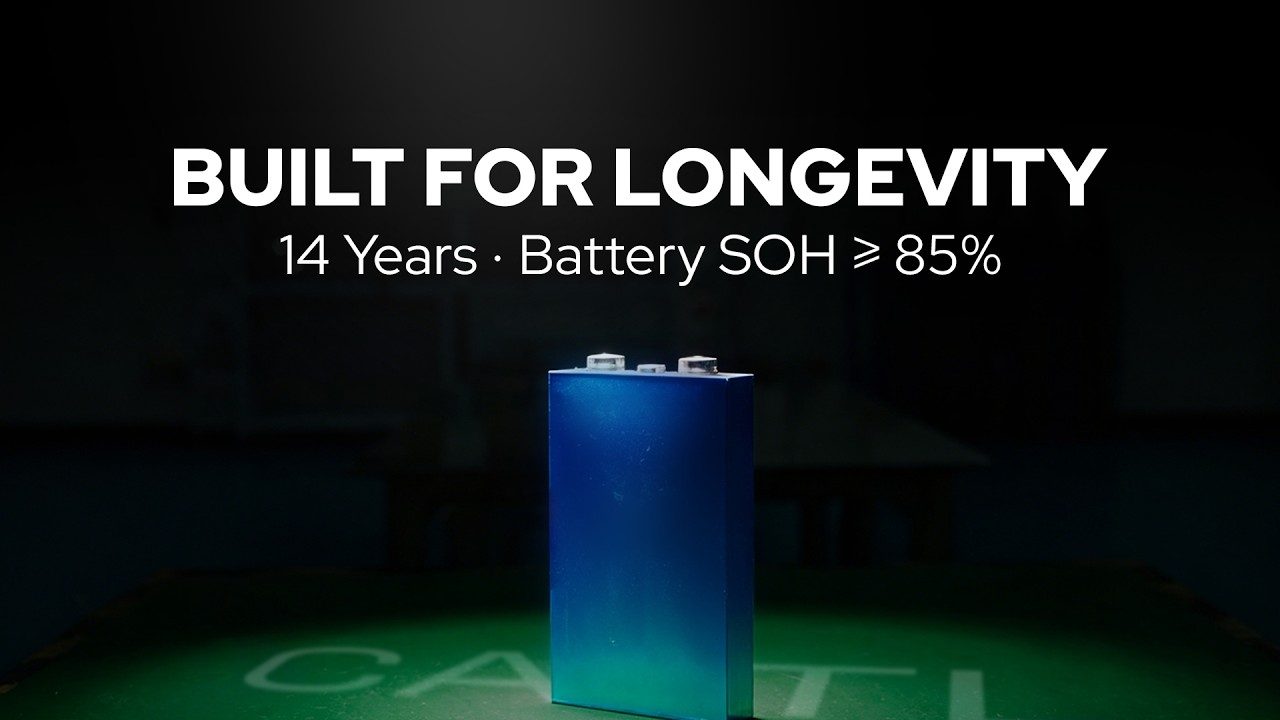
As a bit of background, the Zhangbei Project’s 63 megawatt-hour battery system went online back in 2011, powered the 2022 Winter Olympics with green energy, and remained active until June 2025. After nearly 14 years of operation, constantly charging and discharging, all of the cells are still in working order. Not one of them has been replaced.
Nine years after being energized, when everyone in the world was staying at home during Covid, CATL took some samples out of the Zhangbei Project and found that they were still good for another 6,000 cycles. That said, that was just an intermediate step to the final story.
After it was decommissioned in 2025, over 50 of the original lithium-iron-phosphate (LFP) prismatic cells were sent back to CATL’s labs to be inspected for damage and to determine how much life they still had in them.
Engineers and chemists ran several tests and found that the 14-year-old cells still had roughly 85% of their original capacity left, meaning that they could still be used in smaller or secondary energy storage systems for another 10 years, with around 1,000 charge and discharge cycles possible.
But that’s not all. The internal structure of the cells stood up to the test of time incredibly well, with anodes and cathodes still neatly aligned, good lithium intercalation, and no obvious aging in the graphite.

The results are partly due to CATL’s obsession with safety, but it also comes down to the fact that LFP cells have proved time and time again that they can survive abuse better than comparable nickel manganese cobalt (NMC) cells, though that comes at the expense of energy density.
LFP batteries are also cheaper to make, and they’re slowly but surely making their way into more and more Western EVs, including the upcoming Slate truck and Ford Fathom pickup.
More Battery Stories
RECOMMENDED FOR YOU

This Startup Is Turning Used E-Bike Batteries Into Affordable Energy Storage
Toyota Quietly Gave The 2027 Toyota RAV4 PHEV A Big Upgrade
The Tesla Cybertruck Finally Gets A Feature That Was Promised Three Years Ago
It’s Official: The Cybertruck Is One Of The Greatest Flops In Automotive History
Massachusetts EV Owners Will Earn Money By Selling Battery Power
How Far Can Your EV Go After It Says It’s Empty?
Why BMW Isn't Giving Up On Hydrogen Cars