Home
News
'Mortgaging The Future': Rivian's CEO Says Delaying EVs Now Is A Costly Mistake
"It's not up for debate," Rivian's RJ Scaringe said about investing in electrification—as well as autonomous driving.
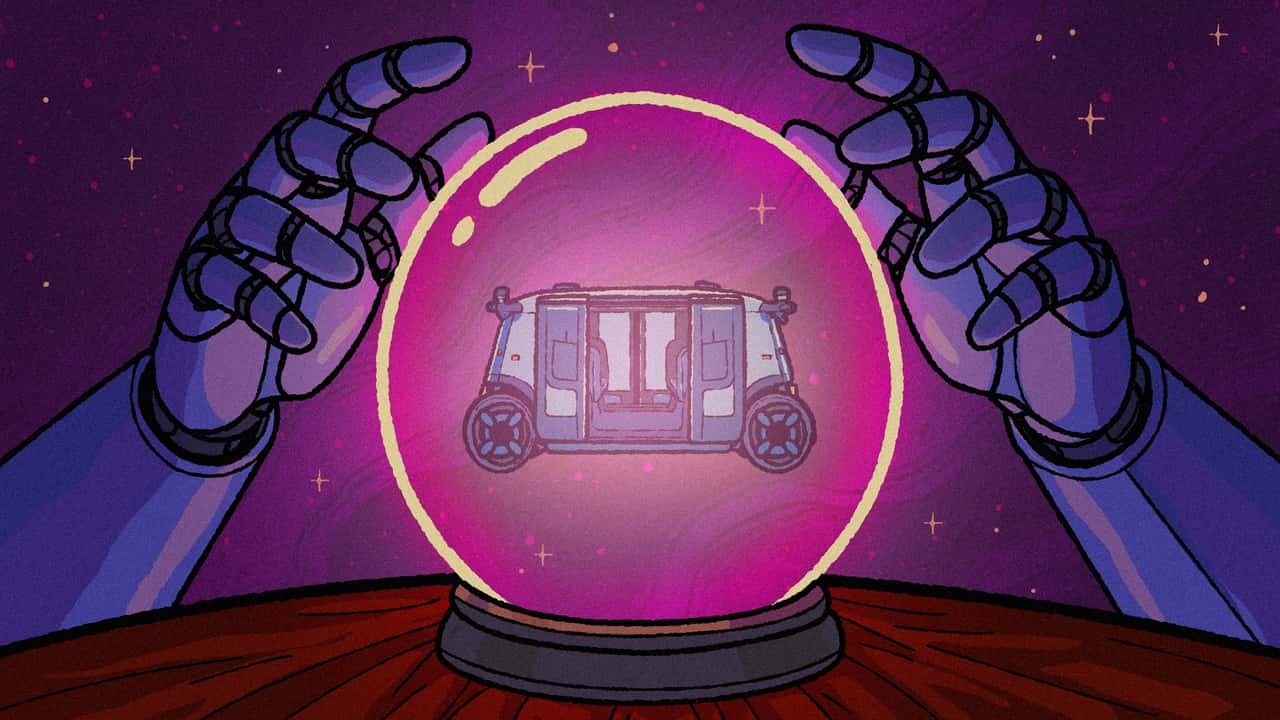
Photo by: Illustration by Sam Woolley
Patrick George 
By: Patrick George
Aug 28, 2025 at 2:17pm ET
Add InsideEVs as a preferred source in Google
- (https://twitter.com/intent/tweet?url=https%3A%2F%2Finsideevs.com%2Fnews%2F770483%2Frivian-rj-scaringe-mortgage-future%2F&text=%27Mortgaging%20The%20Future%27%3A%20Rivian%27s%20CEO%20Says%20Delaying%20EVs%20Now%20Is%20A%20Costly%20Mistake&via=InsideEVs)
- copy
Share
Comment
"Well, that didn't take long."
It's something I find myself saying often these days as more and more automakers in the United States dial back their once-ambitious electric vehicle goals. Now that the Trump administration has prematurely ended the EV tax credits, killed any sort of fuel economy rules that were once driving more electrified vehicles and declared war on California's ability to regulate pollution, a burden on these car companies has been lifted.

Keep up with the fast-moving future of cars straight from your inbox.
back
Subscribe For more info, read our Privacy Policy & Terms of Use.
They no longer have to make the cars they didn't want to make in the first place. You know, the ones they barely even marketed. And things like home EV chargers or public plugs? That was somebody else's problem. Back to doing what they've always done: selling gas-powered trucks and SUVs.
In recent months, we've seen Stellantis "flex hard into ICE production," Nissan delay new U.S.-made EVs and Honda slash its electrification investments, just to give a few examples. Every week, more hits keep coming as automakers blame "consumer demand"—when in reality, their products just weren't that good.
But over at Rivian, CEO and founder RJ Scaringe—who's had tough words for the legacy automakers before—says he's confident that the car companies that hit the brakes or even reverse on EV technology will pay for this decision later.
"If you're a legacy manufacturer, I think a lot of them would, if they're really being honest with themselves, would like the good old days of we can sell... V8 [cars], and that's a nice, profitable business," Scaringe said on last week's InsideEVs Plugged-In Podcast.
At least, it has been in years past and could be right now, Scaringe said. But what about tomorrow?
"You're absolutely, undoubtedly, not up for debate, mortgaging the future of the business to pay for today," Scaringe said. "The companies demonstrating the most leadership are willing to make the investments today, sacrifice short-term gains, to protect the long-term future."
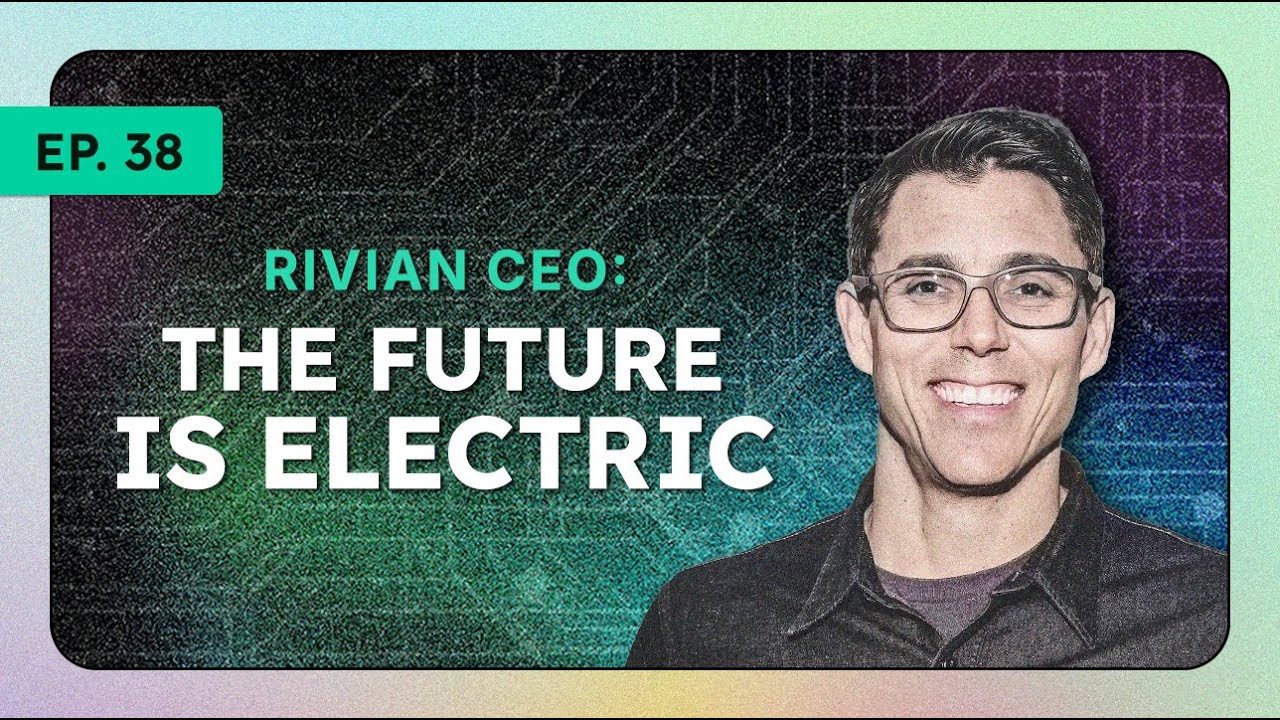
It won't surprise anyone that Scaringe is convinced that the future of transportation has one pathway, and it's fully electric. Part of this is due to the inherently finite nature of fossil fuels, he said.
"Imagine the history books 1,000 years from now," he said. "It's going to be this really short blip where we talk about how we industrialized the world... and we did it on the back of fossil fuels. We exhausted about half of it in a 100-year period, but then ultimately transitioned off."
But no automaker CEO is judged by how well they handle this transition right now, he said. They are in an entrenched, capital-intensive industry that almost never sees major disruption, he said. So doing things differently is tough—especially when top executives are primarily on the hook for profitable results every quarter.
"The timelines to develop these products are very long, and two product cycles are essentially the length of tenure for a CEO," Scaringe said. "So it's very hard. If you're a CEO of a big car company today, the decisions you make today are really what you're going to be experiencing in 2035, and you probably won't be there in 2035."
Put more simply: Scaringe is saying it's easier to do the known, stable, profitable gas cars you've always made right now, and let somebody else figure out whatever future is coming.

Rivian R2
Scaringe also expressed frustration at the automakers who claim to be working toward a cleaner future, but lobby against it behind the scenes.
"If I sit here and I say, 'We're pro-EV,' and then my next meeting is [about how] I'm going to go try to put policy in place that makes that harder... It's not the kind of thing you want your kids to be doing," he said. "And I generally think that's a good metric to look at behavior. If you don't want your kids to do it, you're probably not doing the right thing."
In theory, if the U.S. pulls policy support for EVs, that all could work out in some automakers' favor. But it's not how technology works. Barring the occasional weirdo exception like laserdisc, a superior technology always wins out; record players gave way to CDs, which gave way to streaming platforms, just as smartphones replaced Nokia's flip phones. The auto industry itself has always chased efficiency and performance, and EVs represent the apex of both.
Plus, more than any newcomer like Rivian or Tesla, the established automakers face intense electrified and software-driven competition from China. Backing off on EVs to focus on gas cars is nice and cute until BYD shows up in your backyard.
That goes for autonomous vehicles, too, another area that Stellantis is walking back. "This is our biggest effort within the business on technology," Scaringe said of Rivian's upcoming hands-free assisted driving systems. "Electric vehicles are the platform by which you reset your network architecture, your software stack," and autonomous systems, he said. "It all dovetails together."
Now, let's play devil's advocate here. It's one thing for Scaringe to say this, as the founder of a startup whose personal legacy is probably more tied to his business than the CEO-du-jour at some old-school car automaker. And plenty of critics might dismiss Scaringe out of hand for lecturing them about succeeding in a business where he's never made real profits.
What do you think?
View
Comments
But when you look at trends like how EV owners don't go back to gas-powered cars, or how even a titan like the Volkswagen Group needs Rivian's help to develop the vehicles of tomorrow, it's not hard to see where things are going.
Contact the author: patrick.george@insideevs.com
More Rivian News
Where Rivian’s CEO Sees EV Batteries Going Next
Rivian R2 Truck Could Happen: 'It Doesn't Take A Huge Amount Of Imagination,' CEO Says
Rivian CEO RJ Scaringe On Why The R2 Launch 'Must Go Well'
‘Under Five Great Choices’: Rivian CEO On What’s Holding Back EVs In The U.S.
Rivian’s R1S And R1T Don’t Have CarPlay. This $400 Device Fixes That
This Rivian R1S Is One Of A Kind
We want your opinion!
What would you like to see on Insideevs.com?
Take our 3 minute survey.
- The InsideEVs team
Share this Story
- (https://twitter.com/intent/tweet?url=https%3A%2F%2Finsideevs.com%2Fnews%2F770483%2Frivian-rj-scaringe-mortgage-future%2F&text=%27Mortgaging%20The%20Future%27%3A%20Rivian%27s%20CEO%20Says%20Delaying%20EVs%20Now%20Is%20A%20Costly%20Mistake&via=InsideEVs)
- copy
GO TO COMMENTS
(
)
Got a tip for us? Email: tips@insideevs.com
View all comments ( )
Trending
Tesla Opens Self-Driving Cybercab Orders To 'Select Customers' At $29,990
Solid-State Cells Can Make The U.S. Competitive In Batteries Again: CEO
I Took A Rivian R2 On A Camping Trip To The Middle Of The Desert
Google’s Gemini AI Assistant Now Works On Apple CarPlay
Latest Stories
- Tesla Opens Self-Driving Cybercab Orders To 'Select Customers' At $29,990 Nov 13 - News -
- Do EVs Wear Tires Faster? Here's What The Studies Show Nov 13 - Features -
- The VW ID. Buzz Is Getting A New Job As A Robotaxi Nov 13 - News -
- Audi A4 EV Delayed Amid VW Group Financial Troubles: Report Nov 13 - News -
- Tesla Just Killed Its Cheapest All-Wheel-Drive Model Y Nov 13 - News -
- A Record Number Of Uber Miles Are Happening In EVs Nov 13 - News -
- Slate Is Selling A $30 'Screenless GPS' For Its Low-Tech Truck Nov 12 - News -
RECOMMENDED FOR YOU
The Best EV Lease And Finance Deals In November 2026
Tesla Opens Cybercab Orders To 'Select Customers' At $29,990 Plus $299 Per Month
I Drove A New Kind Of Hybrid From Nissan. Here's How It Beats The Toyota RAV4
Do EVs Wear Tires Faster? Here's What The Studies Show
The Best Affordable Electric Cars In 2026: Cheap, Reliable Options For Everyone
The VW ID. Buzz Is Getting A New Job As A Robotaxi
Used EVs Hit A Record Share Of Overall Used Car Sales In September